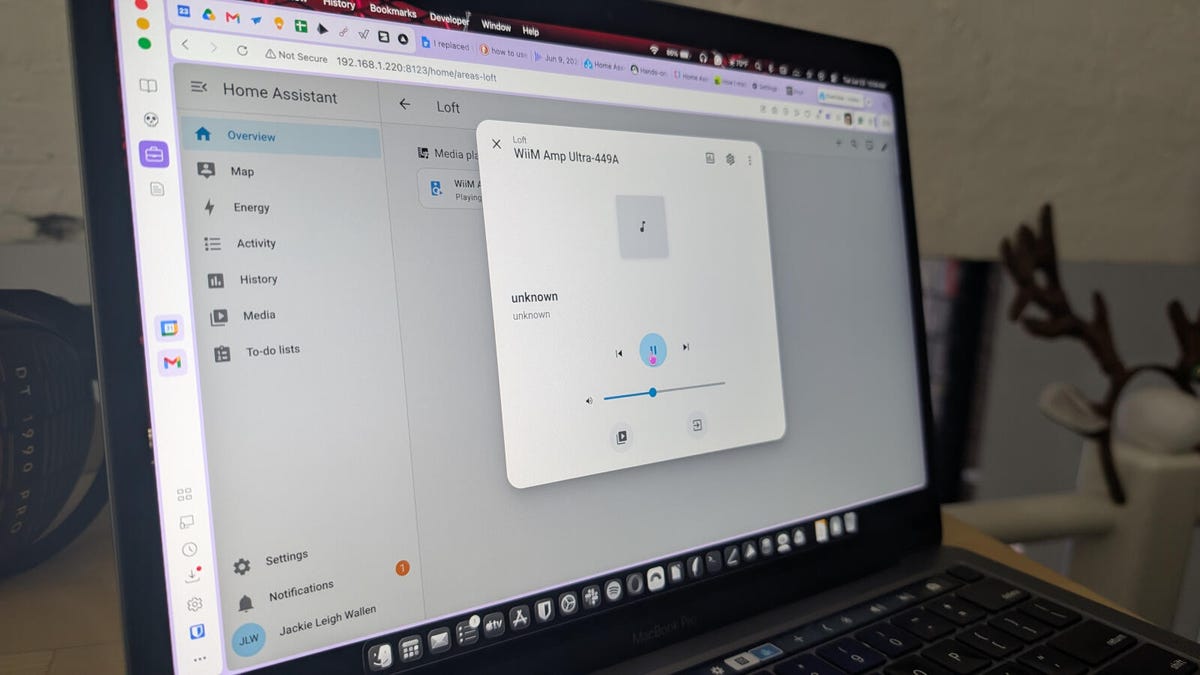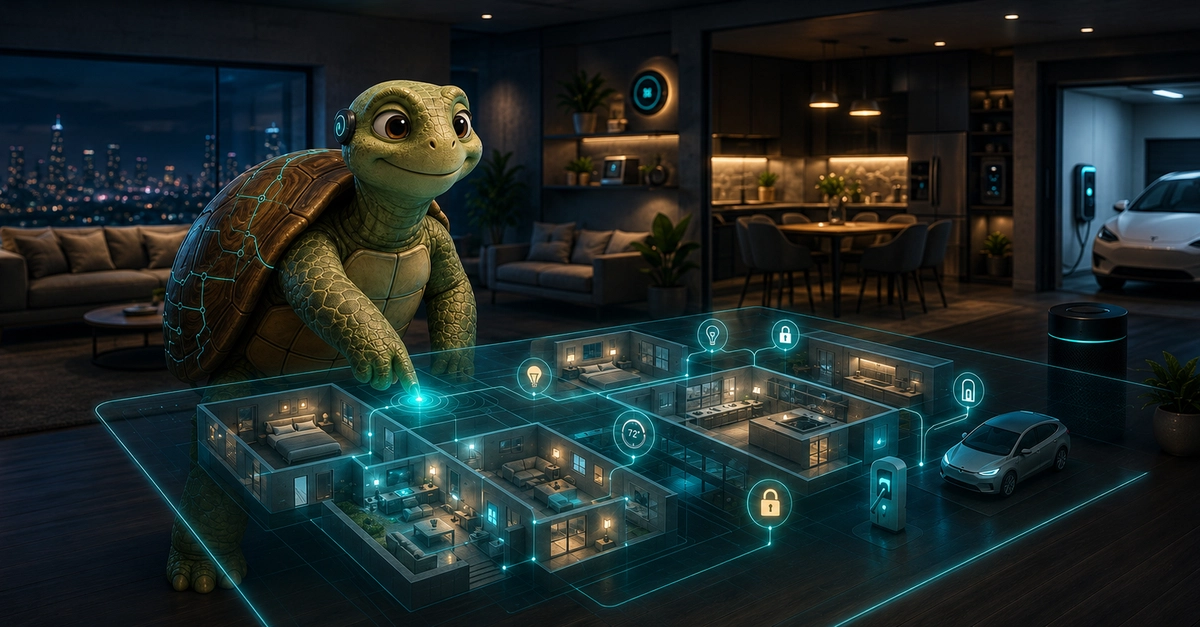
Opinion note: this is a subjective Turtleand view, not a prediction or product roadmap. The direction seems possible if the smart home moves from isolated device control to a governed coordination layer.
The smart home has mostly been built as a set of endpoints.
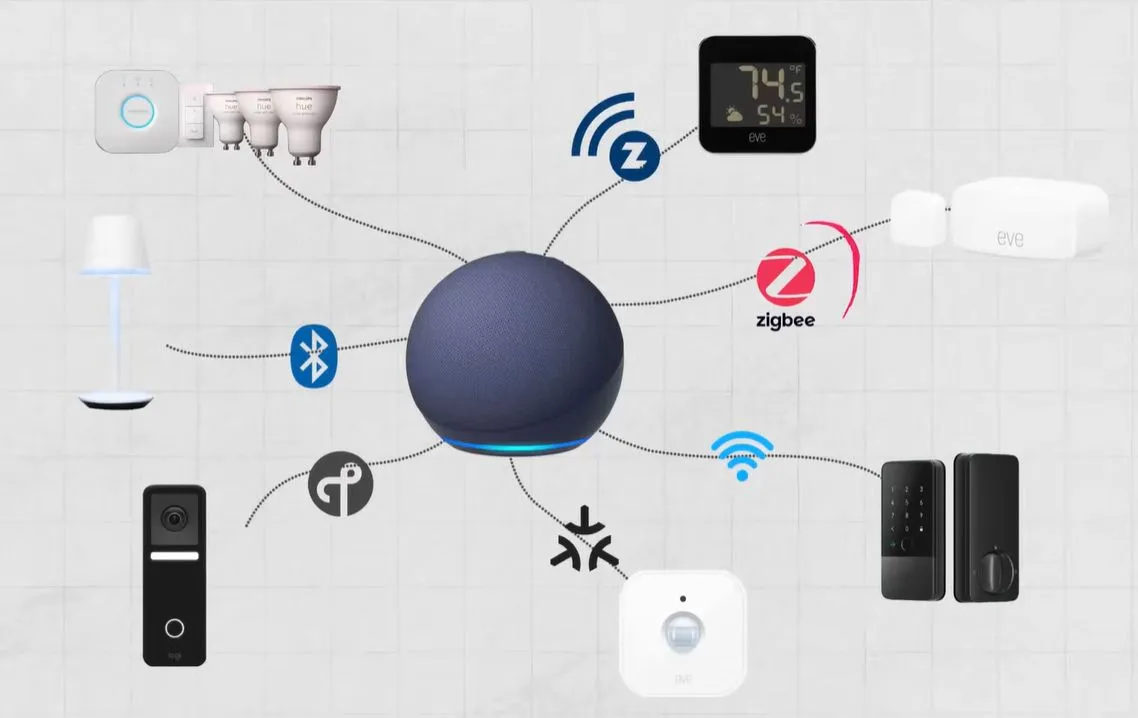
A bulb exposes brightness. A thermostat exposes temperature. A lock exposes state. A speaker exposes voice input. Each device can be useful, but the overall system is still thin. It responds to commands, then hands the burden of coordination back to the person.
The more interesting direction is a home with an operating layer.
Not a literal OS in the desktop sense. More like a runtime for the physical environment: a shared layer that can understand intent, inspect device capabilities, apply constraints, coordinate actions, and explain what it did.