Get the latest news and updates from Dawn
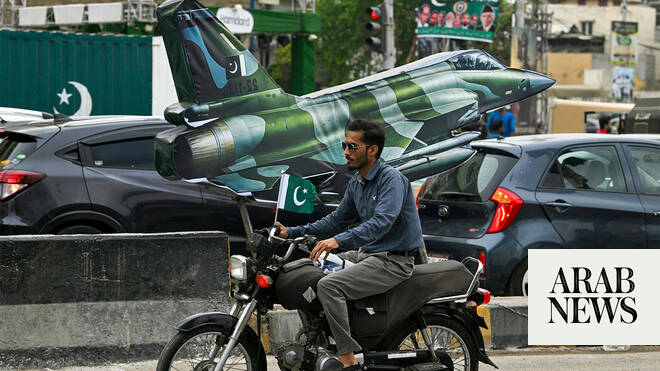
In May 2025, the Pakistani armed forces achieved a major victory against their traditional adversary, India. Following this milestone, the state and government orchestrated a rapid ascent for Pakistan on the global stage, by successfully facilitating a dialogue between the United States and Iran at a time when the conflict between those two nations was rapidly escalating.
The Pakistani state is now leveraging these dual successes as a foundation upon which to construct a more unified sense of nationalism. This is a rare occurrence in the contemporary era.
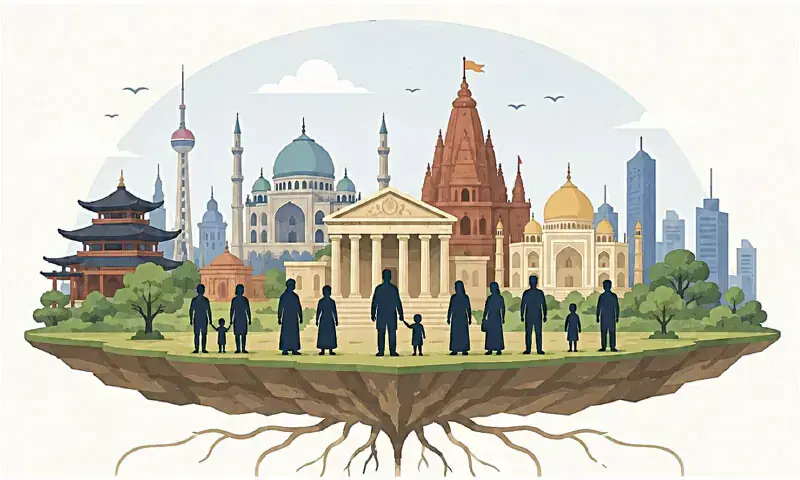
This rarity is not simply because the situation concerns Pakistan, a country that has endured years of demonisation, largely as a result of specific military and ideological misadventures. Rather, it is because, as the South Korean historian Jie-Hyun Lim observes, modern nations have increasingly stopped constructing their core identities around grand victories, choosing instead to actively compete over who has suffered the most.
In his 2025 book Victimhood Nationalism, Lim observes that when a nation internalises the memory of a past tragedy, it effectively grants itself a collective moral immunity. Political leaders then weaponise this shared trauma to fuel nationalism while conveniently ignoring their own historical flaws. Victimhood in this regard has evolved beyond a psychological response to suffering. It has transformed into a strategic political tool. This shift elevates grievance into a persuasive collective narrative.