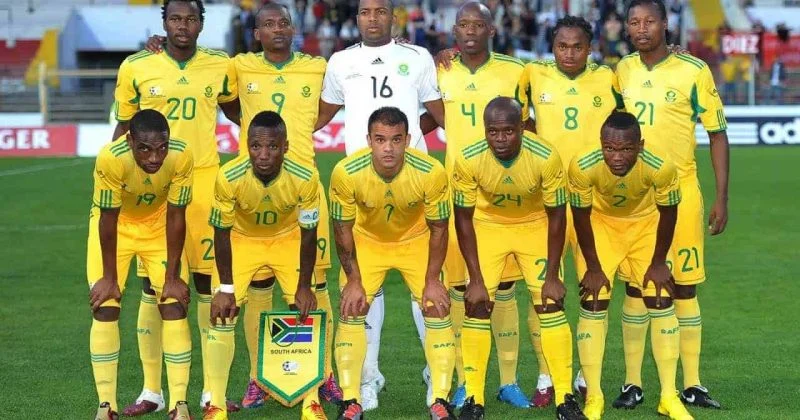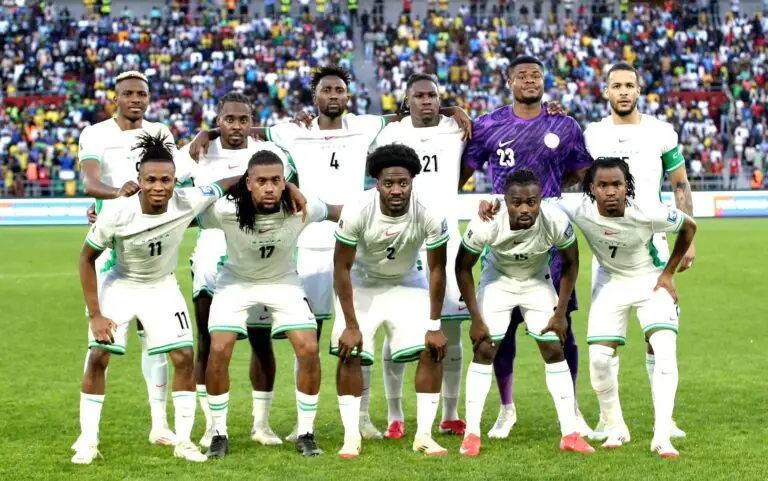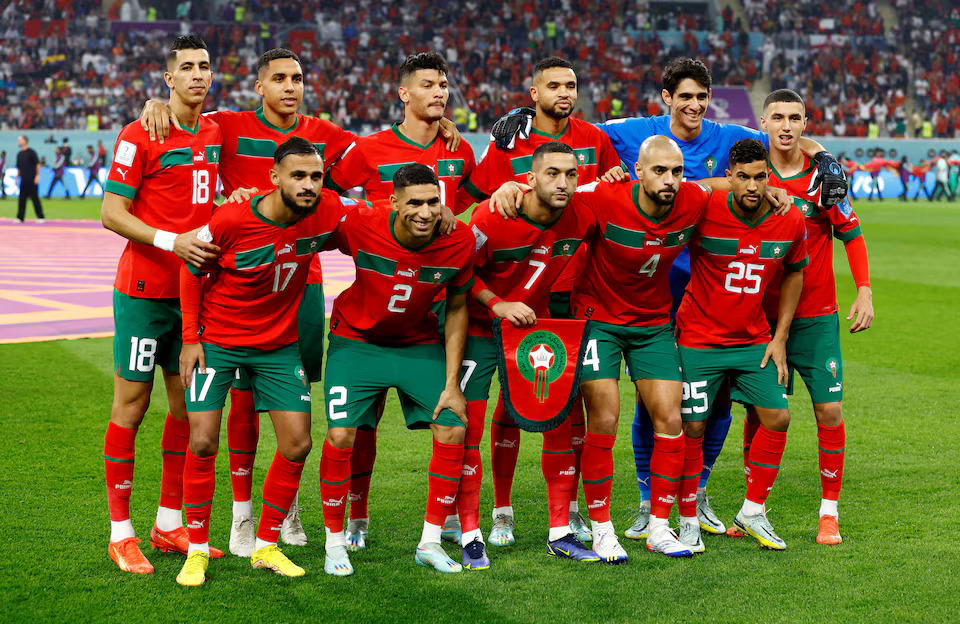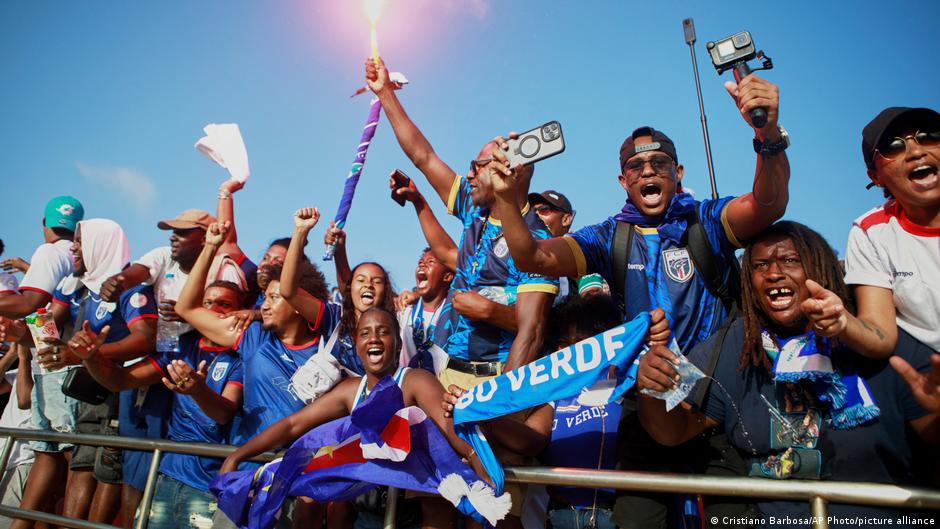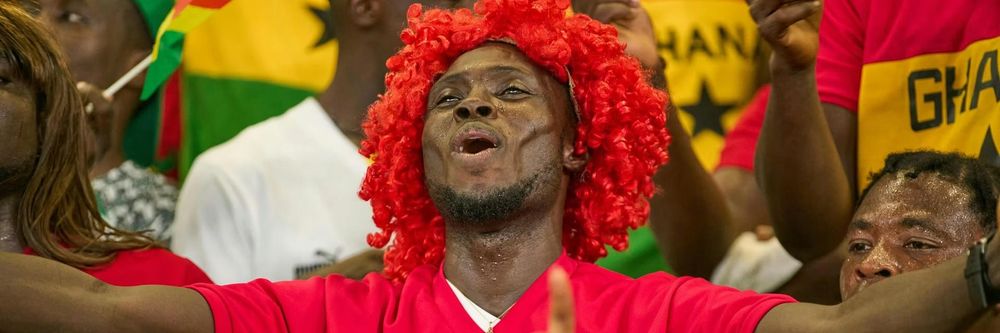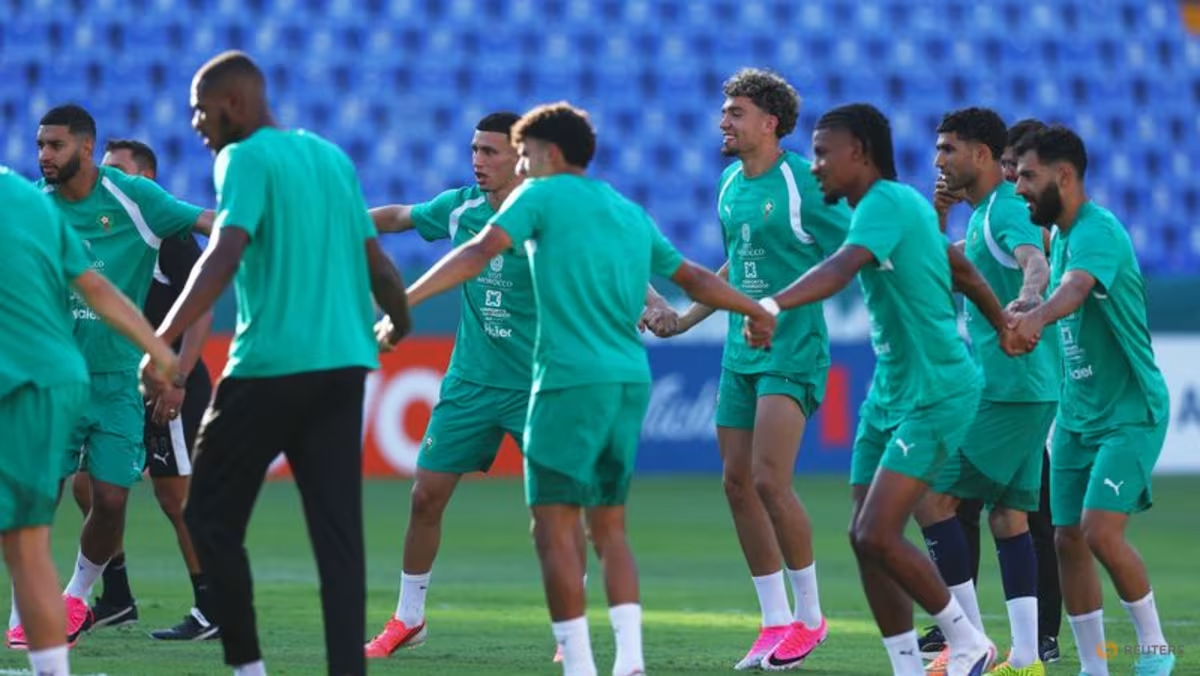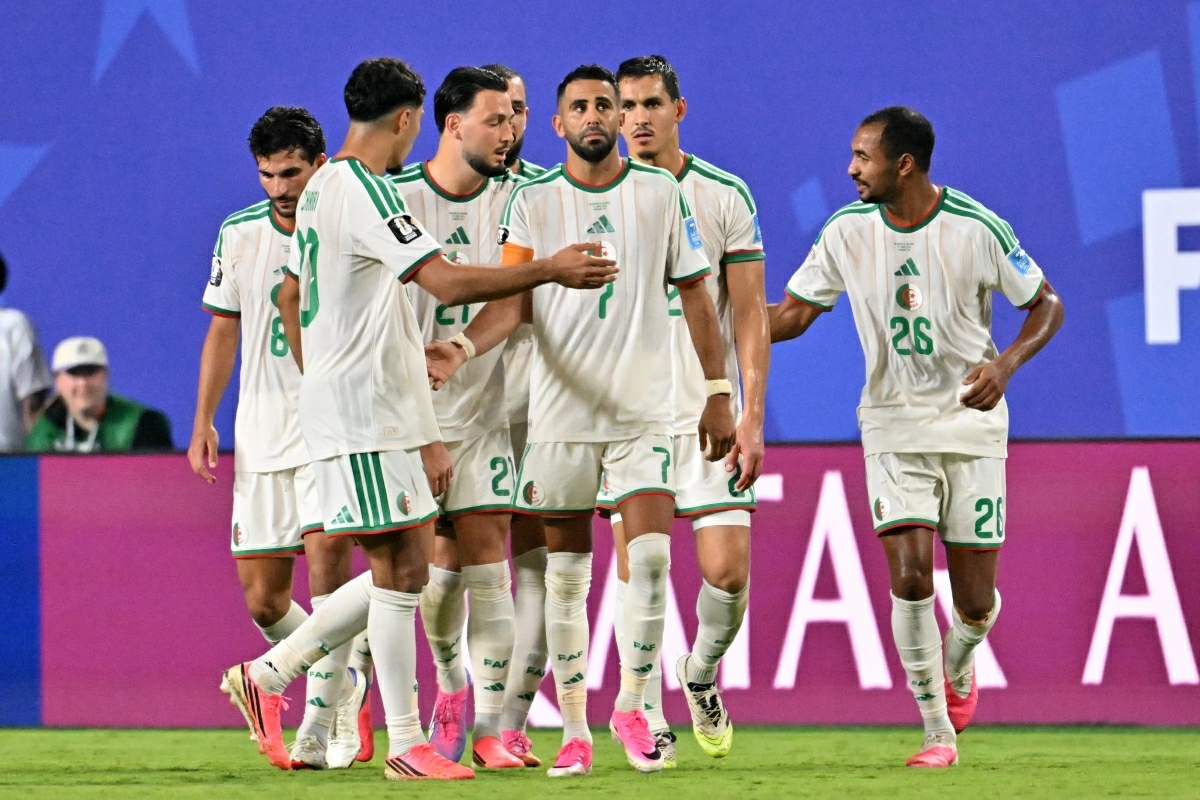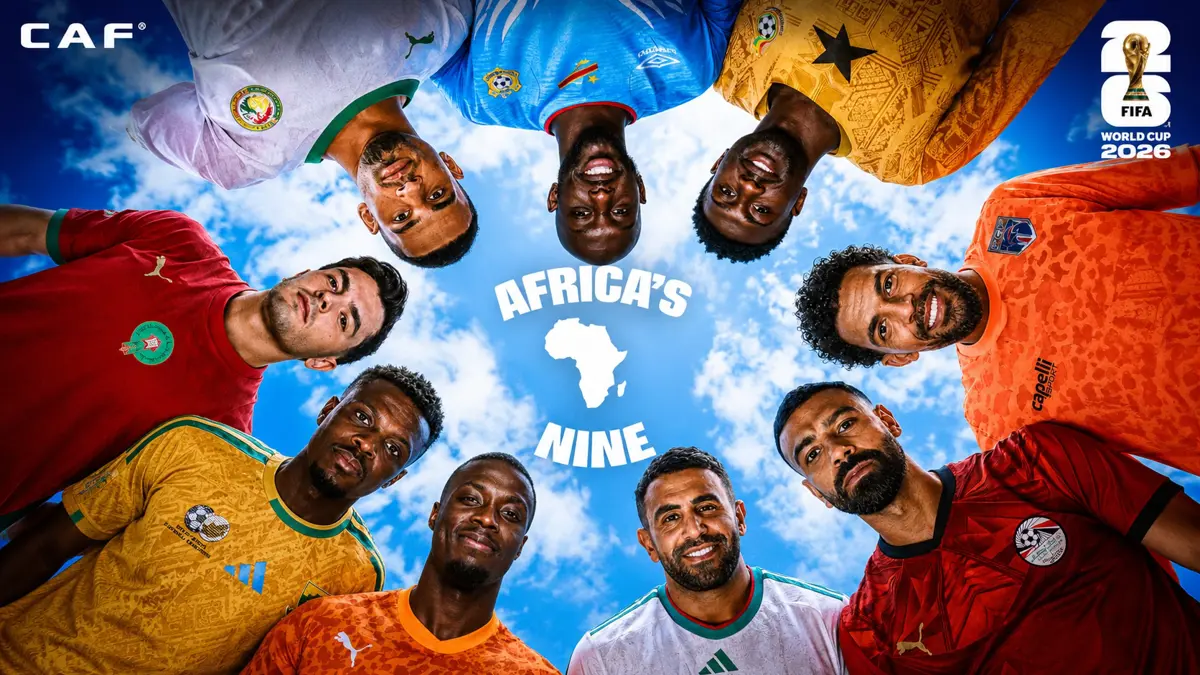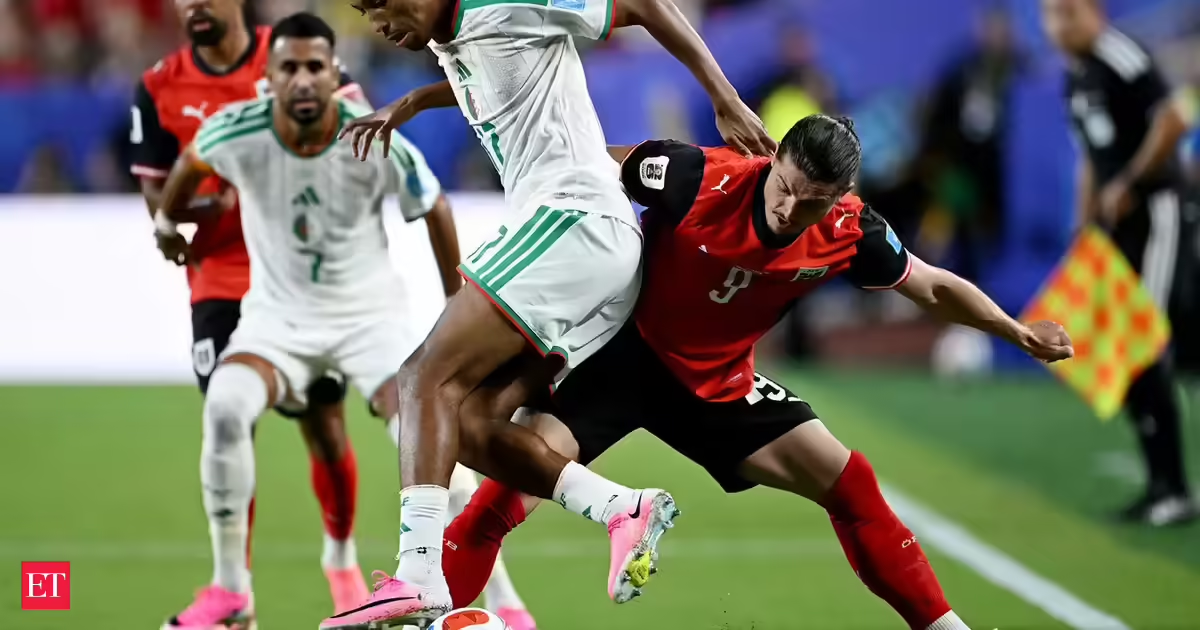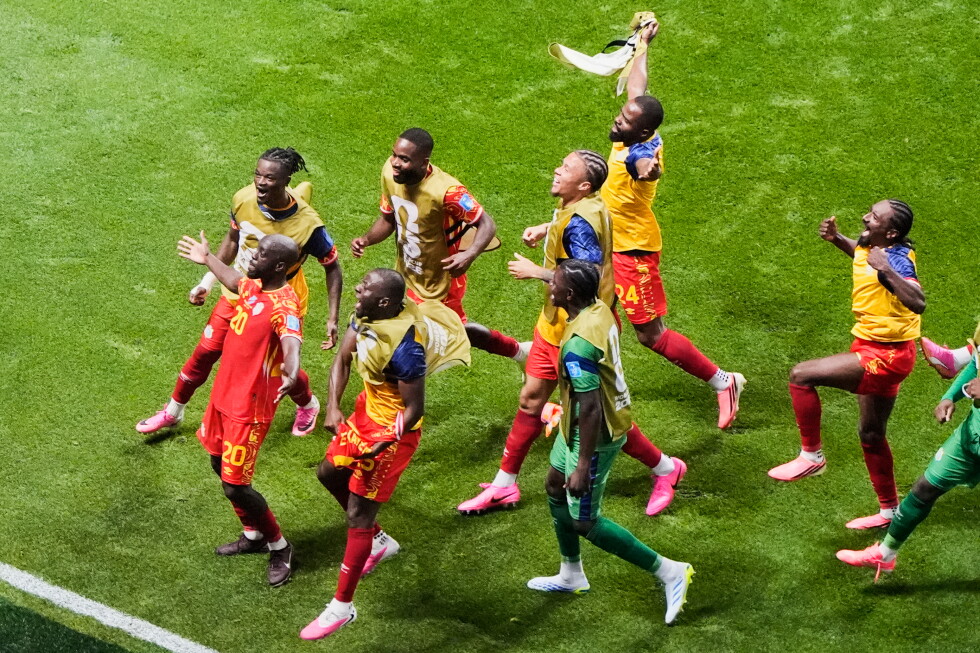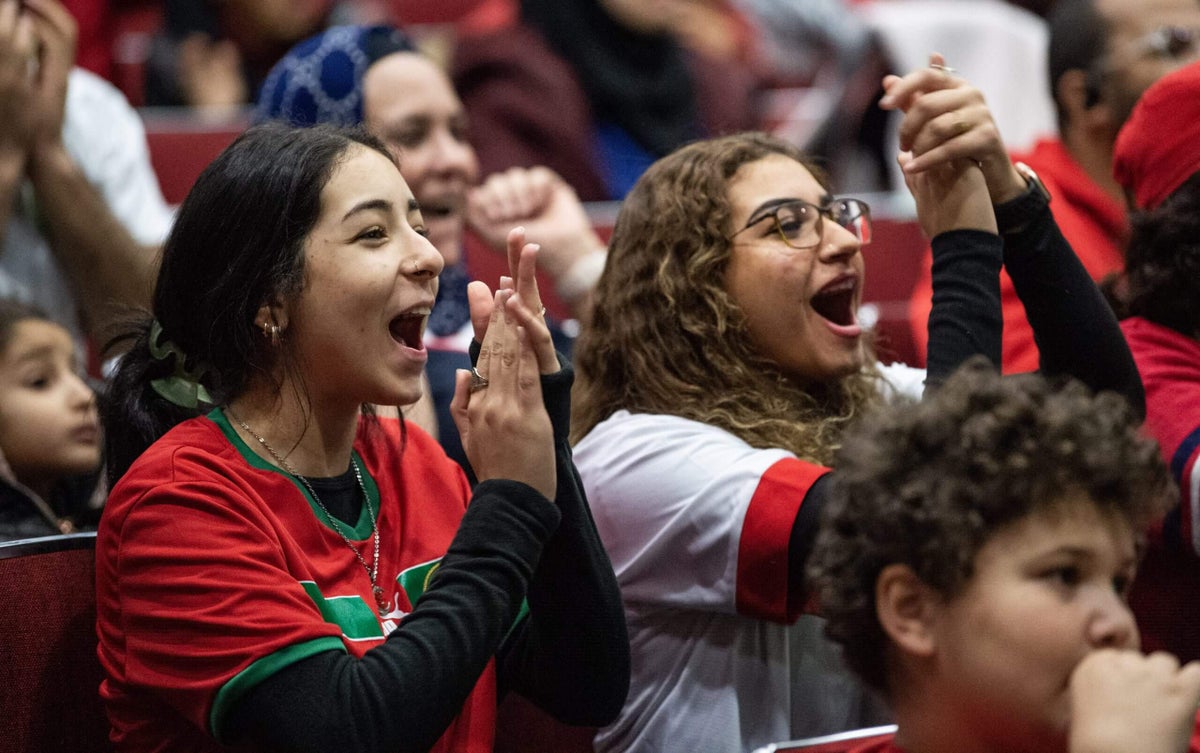
Get free access to the most comprehensive World Cup coverage in The Athletic app.The World Cup’s expansion to 48 teams has hugely benefitted African countries.Between 1998 and 2022, 32 sides qualified for each edition of the tournament. For the previous World Cup in Qatar, 54 African nations competed against each other for only five of those 32 spots. There were 13 places up for grabs for the 55 European teams.It was an imbalance which has finally been addressed at this summer’s tournament in the United States, Canada and Mexico. There were nine automatic qualification spots on offer for the continent and the Democratic Republic of Congo sneaked in as their 10th representative after beating Jamaica in a play-off in March. Apart from Tunisia, they have all seized their opportunity.Debutants Cape Verde produced one of the biggest shocks in the competition’s history by drawing with the European champions Spain in their opening game and will face Argentina in the knockout stage next. Ghana produced a disciplined performance to earn a point against England. South Africa recovered from a painful defeat by Mexico to come second in their group and advance.Morocco finished level on points with Brazil in Group C and frightened Carlo Ancelotti’s side in the first half of their entertaining encounter. Senegal only scraped into the round of 32 as one of the best third-placed teams but were unlucky to come up against the individual brilliance of Norway forward Erling Haaland and France captain Kylian Mbappe in a challenging group.Emerse Fae guided Ivory Coast to the knockout stage for the first time in their history — eclipsing the achievements of the talented generation that included former Chelsea forward Didier Drogba and ex-Manchester City midfielder Yaya Toure (they qualified for three tournaments in a row between 2006 and 2014). Egypt, led by Mohamed Salah, are celebrating progressing past the group stage for the first time, too.Anything can happen in the knockout rounds, as Morocco proved in Qatar four years ago by becoming the first African nation to reach a World Cup semi-final. But could one of the sides at this year’s tournament go one step further by lifting the trophy at the New York/New Jersey Stadium on July 19? And if not, when?Ismael Saibari celebrates scoring for Morocco against Brazil (MB Media/Getty Images)At the World Cup draw in December, none of the African sides were placed in Pot One. The seedings were determined by FIFA’s rankings at the time, and it meant they were more likely to be dropped into difficult groups.Aruna Dindane represented Ivory Coast at the 2006 and 2010 World Cups. The former Portsmouth and Lens striker now works for his country’s football federation (FIFCI). He believes improving the quality of and access to pitches is crucial for talent development. Producing better players will then give African countries a greater chance of success.“When you see how much living conditions have improved across Africa and you see the infrastructure being built, you realise there are much more important things,” Dindane tells The Athletic. “A World Cup lasts a month. Before we start saying we have to win a World Cup, it’s about giving a large number of young people the opportunity to pursue their passion for playing football all the time. I still see in some places in Africa that people don’t have pitches to train or play on.“Africa produces a lot of footballers who go to Europe but why do they go there? Because the opportunity to develop their skills here is not at the right level yet. We have to push to develop football in Africa and have a combination of the two.”William Troost-Ekong represented Nigeria at the 2018 World Cup. Nigeria have failed to qualify for back-to-back tournaments since then despite possessing a talented squad which includes Galatasaray’s Victor Osimhen and Atletico Madrid forward Ademola Lookman. Troost-Ekong, who earned 82 caps before he retired from international duty in December, highlights Morocco as an example to follow because they have “something special”.“A lot of African squads have the quality to be up there with the teams that are winning the World Cups but I don’t know if the infrastructure is in place,” the defender, who plays for Qatar Stars League side Al Ahli, told The Athletic in an interview last October.“Morocco’s training facility (Mohammed VI Football Academy) is next to what you see in the Premier League and that is something that has been developed over the last decade. There is a clear progression in how they nurture their talent and the quality of their league. They have gone the furthest (at a World Cup) because they prepared for that.”Morocco are not the only ones who have pumped money into building better stadiums, pitches and training facilities. Chris Hughton was appointed as Ghana’s technical advisor in February 2022 and a year later replaced Otto Addo as head coach. Hughton was in charge of Ghana for the 2023 Africa Cup of Nations (AFCON), which was held at the beginning of 2024 in Ivory Coast. The hosts sacked their head coach Jean-Louis Gasset mid-tournament, but went on to win under Emerse Fae.“The facilities in Ivory Coast were amazing,” Hughton, who left his role with Ghana after they were eliminated from the group stage, says. “Somebody sent us a video of our training camp before we arrived and I assumed we were sharing it but every country had their own facility. There was a good-quality pitch with a small stand. They built 24 of them (one for every team at the tournament) and the plan was to give them to local clubs afterwards.“If you have got countries who are prepared to build this infrastructure, then it enhances African football and gives younger players more of a chance.”There are signs the huge investment from Ivory Coast’s government is already having a positive impact. Aston Villa have signed teenagers Mohamed Kone and Ibrahim Dosso from Ivorian top-flight side ASEC Mimosas. Kone joined Villa in October, while Dosso will officially complete his move when he turns 18 in January 2027.Morocco’s squad has improved since they reached the World Cup semi-finals four years ago and there was evidence of that in the way they played against Brazil, threatening to overrun their South American opponents during the first half. Veteran wingers Sofiane Boufal and Hakim Ziyech have been replaced. Ismael Saibari and Abde Ezzalzouli, who play for PSV and Real Betis respectively, have taken over from them, though Ezzalzouli suffered an injury in one of their final warm-up games and was denied the chance to play a starring role this summer. Real Madrid’s Brahim Diaz switched his international allegiance from Spain and won the Golden Boot at the 2025 AFCON, which concluded in January.In October, Morocco beat Argentina 2-0 in the final of the Under-20 World Cup. Yassir Zabiri, who scored both goals, joined Rennes in January, while midfielder Gessime Yassine moved to Strasbourg. Mohamed Ouahbi was in charge of the under-20s and replaced Walid Regragui as senior head coach in March.The Royal Moroccan Football Federation (FMRF) has scouts based in other countries who monitor players with dual nationality from a young age. Lille’s 18-year-old midfielder Ayyoub Bouaddi represented France Under-21s in March. Ouahbi has included Bouaddi and Yassine in his World Cup squad, with Bouaddi particularly impressive against Brazil. Yassine made his debut and scored in the 4-2 victory over Haiti.Senegal’s golden generation, which includes Sadio Mane, Kalidou Koulibaly and Edouard Mendy, is coming to an end, but they won the U20 and U17 AFCONs in 2023. Lamine Camara lifted the AFCON trophy alongside them, three years after being named player of the tournament at the U20 AFCON.Paris Saint-Germain forward Ibrahim Mbaye made about 30 appearances for France at youth level. Mbaye switched to Senegal and scored in their round-of-16 victory over Sudan at AFCON when he was only 17. Mbaye started their 5-0 win over Iraq on Friday, which was the biggest victory at the World Cup by an African nation.Bara Sapoko Ndiaye, 18, spent the 2025-26 season on loan with Bayern Munich from Gambian side Gambinos Stars. The midfielder made his debut for Bayern in April and has gatecrashed Pape Thiaw’s World Cup squad. Senegal and Morocco are reaping the rewards of a consistent development plan which includes local talent and the diaspora.At AFCON 2023, The Athletic reported that around a third of the 629 players were born outside of Africa. Sebastien Haller scored Ivory Coast’s winning goal in the final after previously representing France’s Under-21s. Ola Aina, Alex Iwobi and Lookman all grew up in London and were core members of Nigeria’s starting XI. Cape Verde’s squad contained 25 players born in six different countries.There are lots of high-profile examples of players who were eligible for an African nation through their parents but chose to represent the country where they were born. Arsenal and England attacking midfielder Eberechi Eze attended a training camp with Nigeria in 2017. France captain Kylian Mbappe’s father is from Cameroon.Bouaddi and Mbaye are interesting case studies because they changed their international allegiance early in their careers. Hughton, whose father was Ghanaian, believes African countries need to keep tapping into their diaspora to improve their chances of success. He also praises the Right to Dream Academy in Ghana, and other similar setups in Mali and Ivory Coast, for producing talent and providing them with a pathway to play in Europe.“When I was with Ghana, I saw the recruitment data of players who were eligible,” the former Newcastle United and Brighton & Hove Albion manager says. “There would have been others who were missed and others who were identified very late, but the list was huge. Many years ago, it was harder. The database is much better and far more accessible than it used to be for some of the more prominent African countries.“They need to reach a level where they can persuade dual-heritage players to represent them. It will make them stronger and then we are getting closer to an African team winning (the World Cup). For that to happen, the players need to deem it to be to their advantage. For example, you have got a better chance of success playing for Morocco now than you would have done a few years ago.”In October 2024, Nigeria were due to play Libya in an AFCON qualifier but refused to participate after being stranded at an airport in the north African country. Nigeria alleged their plane was diverted upon arrival in Libya and that they had limited access to food, drink and phone connection. The Confederation of African Football (CAF) awarded Nigeria three points and fined the Libyan Football Federation.“It was unfortunate because there was so much attention to something that was wrong,” Troost-Ekong said. “It left such a clear impression in everyone’s mind. Moments like that don’t help the greater cause.“That’s what I mean with the general level of how things are structured and done from the top down, which the continent needs to improve for us to say, ‘Now we have done everything the right way’ to expect the same type of performance from European and South American teams at tournaments.”Nigeria have encountered other problems that have held them back. In November, the squad boycotted training before their World Cup play-off semi-final against Gabon due to a financial dispute with the Nigerian Football Federation (NFF). The Athletic reported that players and backroom staff were due money for previous performances and had become frustrated by broken promises from the NFF and Nigerian government.“It’s about respect and wanting to be treated in a certain way,” Troost-Ekong, who captained Nigeria for six years, told The Athletic in December. “Not just for us but the younger generation and the women’s team who won AFCON (in July 2025) but have dealt with some horrendous conditions. You have to have a voice for those people and do it in the right way so it doesn’t become a circus. We stood together and that unity will serve the team well for the future.”Multiple sources The Athletic spoke to for this article, who asked to remain anonymous to protect relationships, expressed frustration at a perceived lack of organisation within some African football associations. They mentioned travel plans being changed at short notice, poor accommodation and medical expertise not being on the same level as players are used to at their clubs. Hughton says he “sympathises” with the FAs.“They are reliant on treasury and government funds,” the 67-year-old says. “They are very conscious of what football means to their countries. There is a huge will (to progress) but a lot of what they would like to do is difficult because of what the governments are prepared to spend.”There have been other incidents in African football that have caused surprise. After being knocked out of AFCON 2025 in the group stage, Gabon’s national team was suspended by the government. Marseille striker Pierre-Emerick Aubameyang and Gabon’s captain Bruno Ecuele Manga were temporarily banned from selection, while the coaching staff was dissolved. The ban was lifted 12 days later.In a warm-up to the drama that unfolded during the AFCON final (Senegal won but were later stripped of the title, which was handed to Morocco), the Senegalese football federation (FSF) released a statement before the game criticising the security arrangements, accommodation and why they had to share training facilities with hosts Morocco. Senegal arrived in the capital Rabat via train and were surrounded by fans on arrival. Senegal’s head coach Thiaw described their treatment as “abnormal”. South Africa’s manager Hugo Broos complained about travel arrangements during the tournament, too.More recently, the South African squad delayed their trip to North America for the World Cup due to visa issues. Gayton McKenzie, the country’s sports minister, described the situation on social media as “embarrassing and grossly unfair”.These moments threaten to hold the continent back from fulfilling its potential and jar with CAF president Patrice Motsepe’s pledge that “African football must be among the best in the world and the most successful”.South Africa struggled during their opening defeat by Mexico but still made it through to the round of 32 (Carl De Souza/AFP via Getty Images)Morocco have already made their case to be considered genuine contenders and Senegal have been given a second chance as one of the best third-placed teams.Ivory Coast were seconds away from drawing with Germany until Deniz Undav scored in stoppage time. Simon Adingra wasted a great chance moments before to earn the African side a famous win. At the beginning of June, Ivory Coast beat France 2-1 in a friendly. Mbappe, Rayan Cherki and Michael Olise started, but goals from Guela Doue, the older brother of France international and PSG forward Desire, and Amad secured the African side’s victory.Interestingly, Ivory Coast have the youngest squad at the World Cup, with an average age of 25.4. They are probably ahead of schedule and, whatever happens over the next few weeks, should mount a serious challenge in 2030.“Everything happens in time,” Dindane says. “When we reach that level, we will win. We know we will do it, but when? I don’t know.”
Are we close to an African nation winning the World Cup for the first time?
An African side has never reached the World Cup final, but the continent has more representatives than ever at this expanded tournament
TL;DRAI
World Cup expansion to 48 teams raised African spots to 10; Cape Verde drew Spain, Ghana held England. Infrastructure investment in Premier League-standard academies by Morocco and Ivory Coast closes the talent gap, enabling Africa's potential first World Cup championship.
2,512 words~11 min read