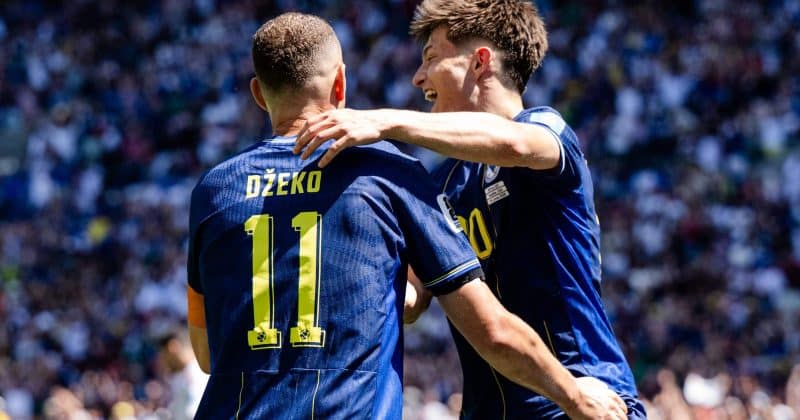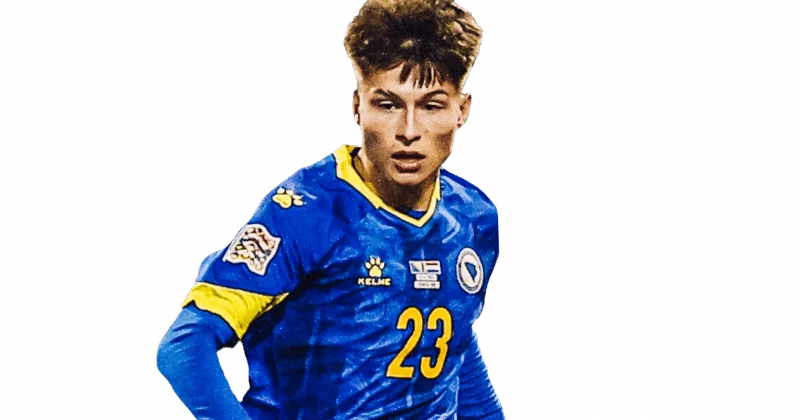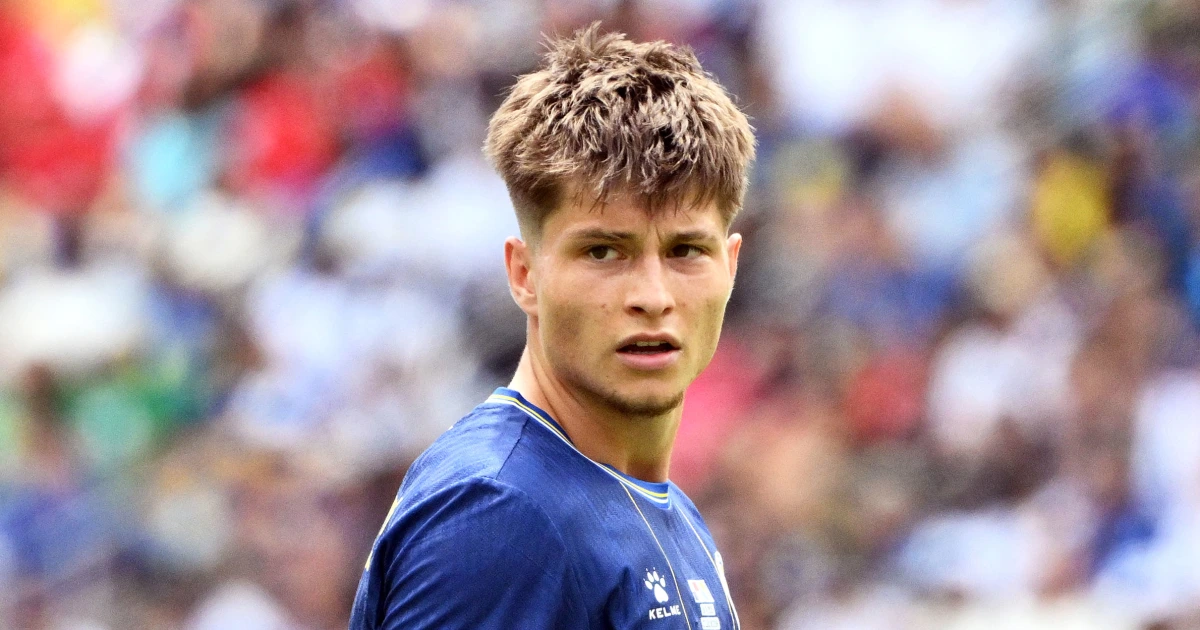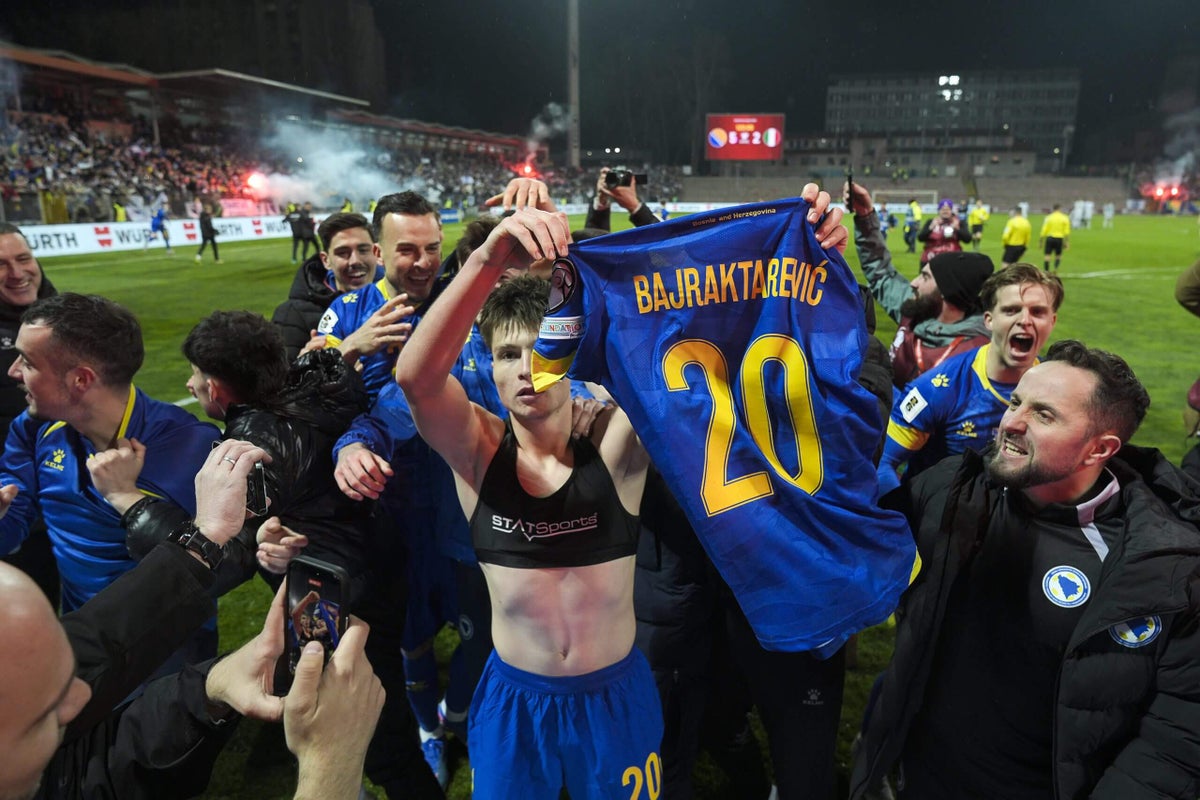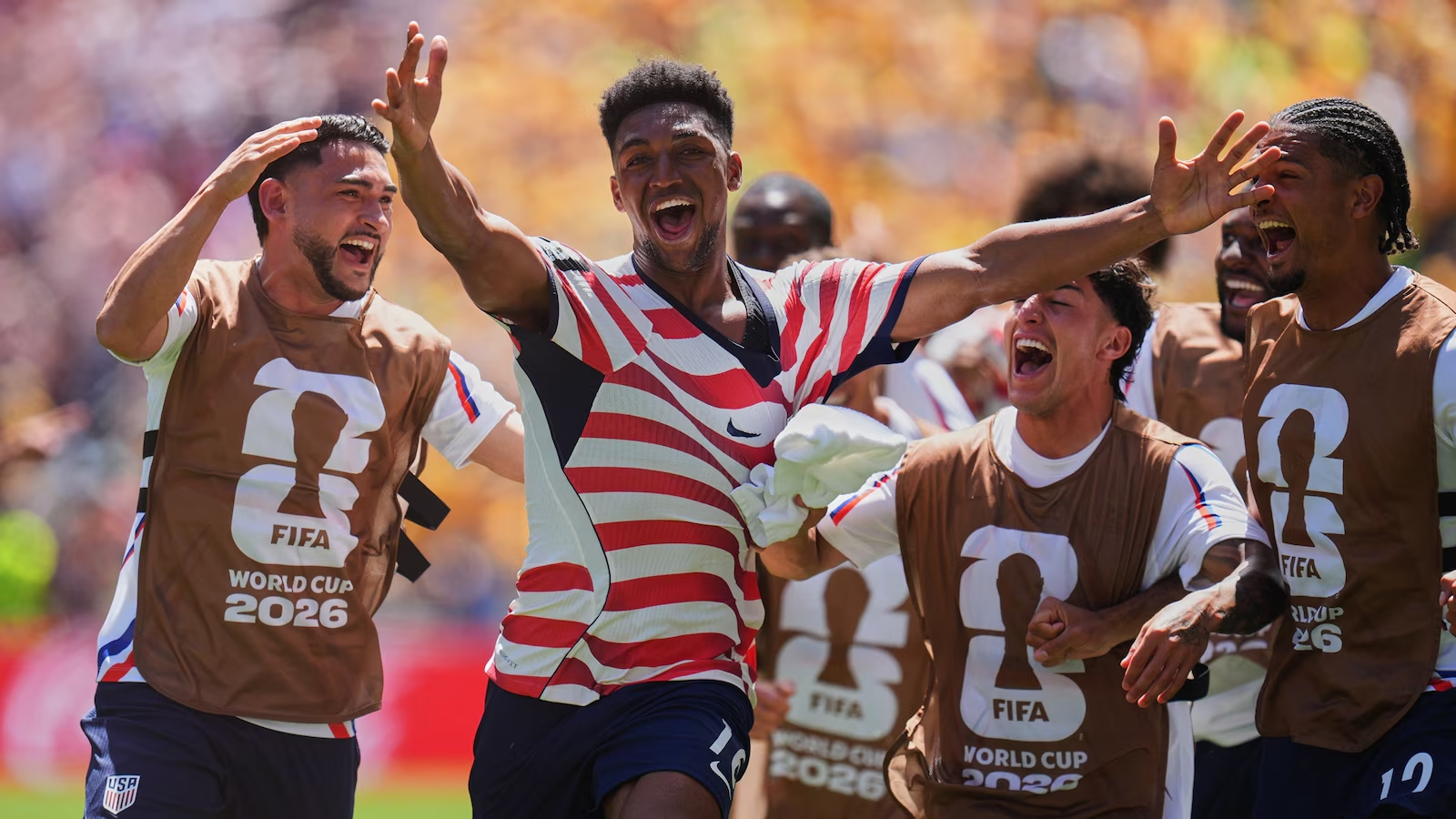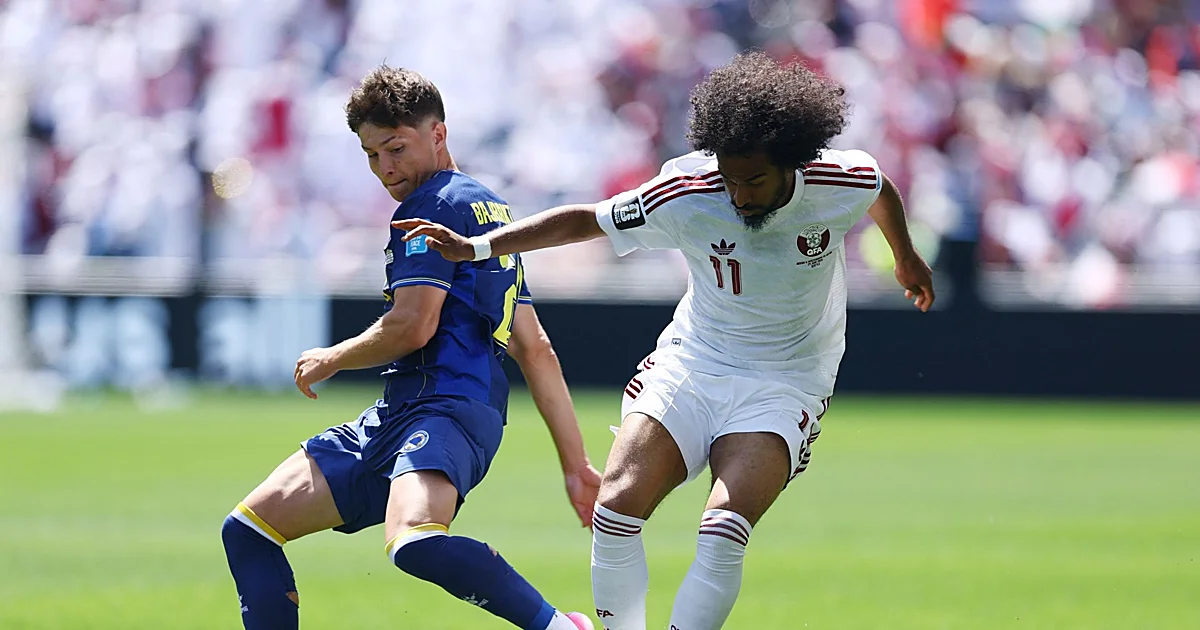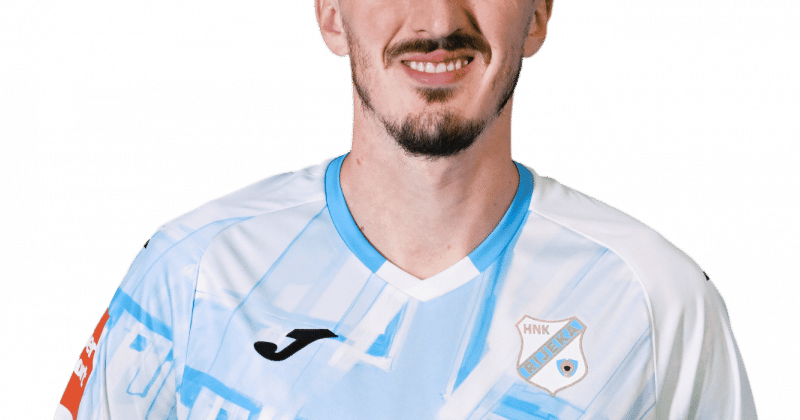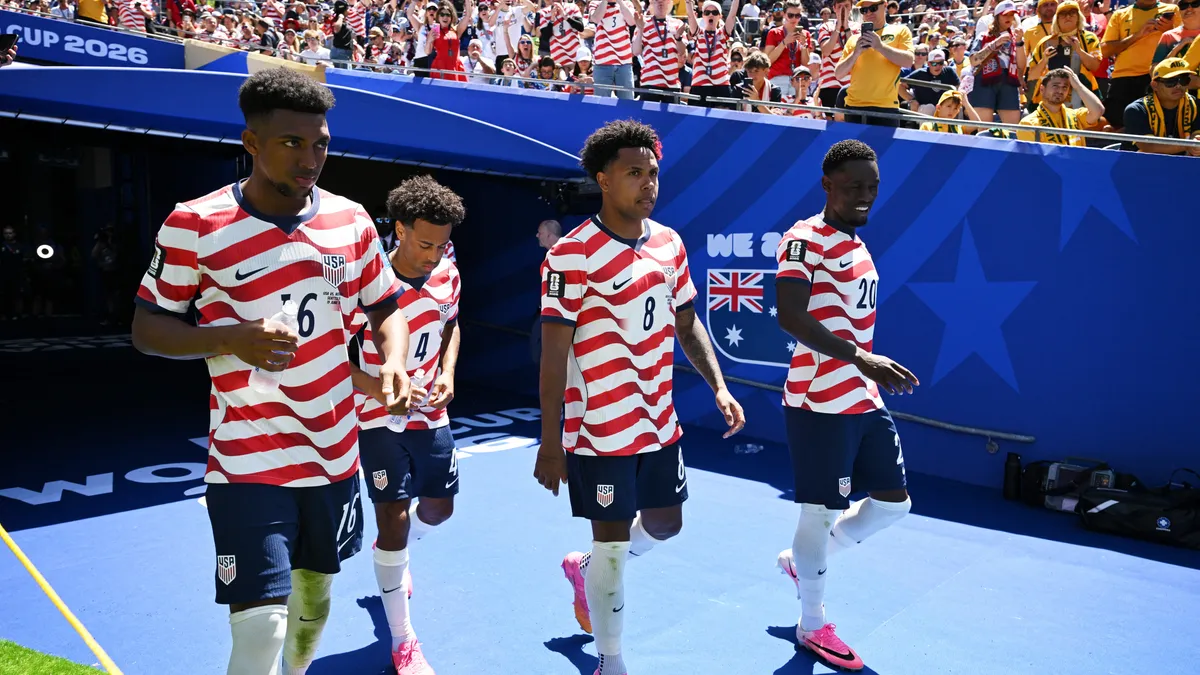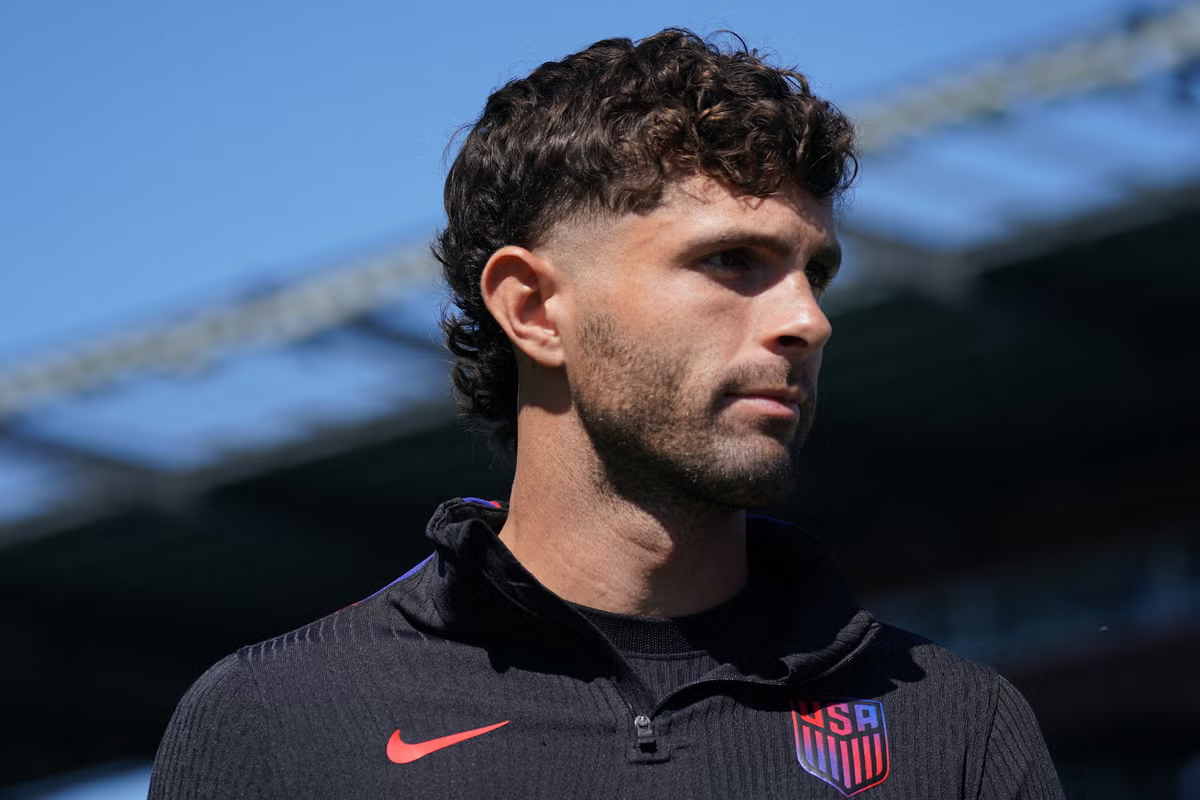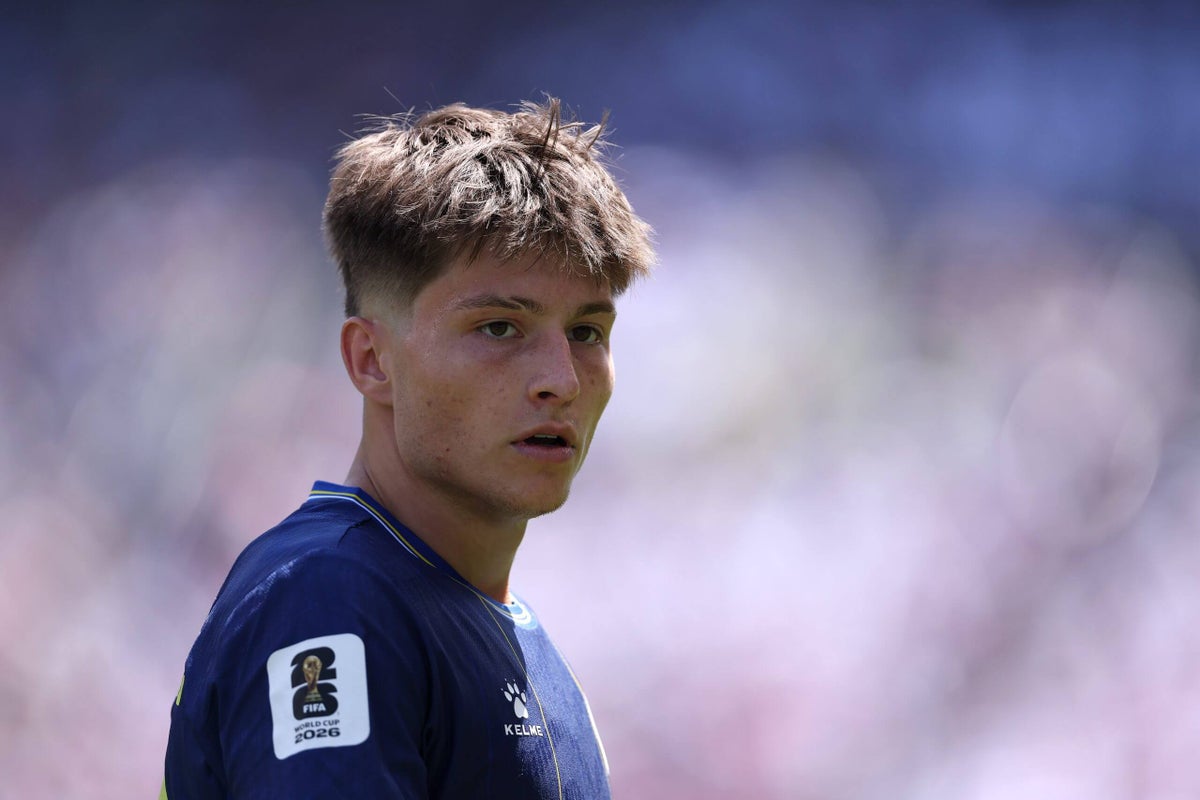
Esmir Bajraktarevic made his debut for the U.S. men’s national team in January 2024, in a friendly match against Slovenia.The winger, who was born in Appleton, Wisconsin, played for MLS club New England Revolution then, and looked set for a bright future in international soccer.On Wednesday, Bajraktarevic is set to feature in the World Cup round-of-32 knockout match when the United States faces Bosnia and Herzegovina. He will not, however, be playing for the USMNT.So why are soccer players allowed to represent more than one international team, and when is it allowed?Get free access to the most comprehensive World Cup coverage in The Athletic appWhat are FIFA’s rules on this?For FIFA, the governing body of world soccer, eligibility is based on your nationality.A player can represent a country if they hold its citizenship, whether acquired automatically at birth or later through naturalisation — a legal citizenship application process.Dual-nationals must have a genuine connection to the country either through birth, ancestry — if one of their parents or grandparents was born there — or residency; living in a nation for at least five years (or three years before the age of 10).Which countries are the most common birthplaces at the World Cup?Reuben Pinder and Joe CrisalliWhat about those who have played for other nations?Before 2004, representing a country at youth level was enough to tie someone to that nation for their whole career, but the Algerian Football Federation lobbied FIFA to change the rules as they struggled to attract players.FIFA then decided to allow players who had represented one country’s youth teams to make a one-time switch to another national association, provided they had dual nationality, had not played a competitive senior match (a tournament game or one in qualifying for such a competition) and made the request before the age of 21.In 2009, FIFA changed the rule again, thanks to further lobbying from Algeria, allowing players who had dual citizenship to switch after the age of 21, again as long as they had not made a senior competitive appearance.The most recent loosening of the rules came in 2020.FIFA now allows players who made up to three senior competitive appearances before turning 21 to switch once three years have passed since those games, if they never played at a major finals.How many players are impacted at this World Cup?At this year’s finals, almost a quarter — 292 of 1,248 — of the selected players were born in a nation other than the one they are representing. Of the 48 competing teams, 40 have at least one foreign-born player in their squad.Nationality can be complex.For example, Sweden midfielder Yasin Ayari did not celebrate his first goal in the group-stage win over Tunisia. Why? Because Ayari’s father is Tunisian. His mother is also Moroccan, but the 22-year-old was born, and grew up, in Sweden.Ayari’s team-mates Alexander Isak and Anthony Elanga, who have also both scored at the finals, have heritage from Eritrea and Cameroon respectively.Those three Sweden internationals were all born in Sweden, but for Curacao, the Caribbean island which is part of the Kingdom of the Netherlands, all but one — Curacao-born Tahith Chong — of their 26-strong squad were born in the Netherlands. Qatar brought players born in 11 other nations: Algeria, Belgium, Brazil, Egypt, France, Ghana, Portugal, Senegal, Somalia, Sudan and Tunisia.At this year’s tournament, 98 players were born in France. These are predominantly second-generation migrants whose families moved from French-speaking nations — there are double figures of French-born players in the squads of Algeria (13), Haiti (12) and Senegal (10).What about the USMNT?Multiple players in the United States’ World Cup squad could have chosen to represent other nations due to their familial roots.Christian Pulisic (Croatia), Sergino Dest (Netherlands), Timothy Weah (France, Jamaica and Liberia), Folarin Balogun (England and Nigeria), Malik Tillman (Germany) and Ricardo Pepi (Mexico) are among those who have ancestral ties to other countries.Alejandro Zendejas switched to the U.S. in 2023 after playing in two Mexico friendlies. Conversely, Brian Gutierrez made two appearances for the USMNT last year before declaring instead for Mexico, who also have Atletico Madrid midfielder Obed Vargas — he had played up to under-23s level for the United States.Mexico’s Obed Vargas previously represented the U.S. at junior level (Ulises Ruiz/AFP via Getty Images)Why were so many Bosnia players not born there?Of Bosnia and Herzegovina’s 26-man World Cup squad, 17 were born abroad.This is in large part due to the country’s large diaspora, which expanded significantly after the Bosnian War — an ethnically-rooted conflict between Bosniaks, ethnic Serbs and ethnic Croats, which lasted from 1992 to 1995 with an estimated 100,000 deaths (per the U.S. Holocaust Memorial Museum).In the case of Bajraktarevic, his family are originally from Srebrenica in Bosnia. Before the war, that town had a population of 37,000, with a Bosniak majority of 75 per cent. But the horror of the conflict climaxed in the massacre at Srebrenica, where 8,000 Muslim boys and men were murdered by Serb forces. Even more than 30 years on, Srebrenica’s population is now 10,400, less than a third of pre-war levels.Bajraktarevic’s parents, Elmir and Emina, lost multiple family members in the war and themselves became refugees, finding a temporary home in Switzerland before a post-war programme saw them migrate to the United States in 2001, three years before Esmir was born.Bosnia’s diaspora is significant. A 2018 study carried out by the International Organisation for Migration estimated four million Bosnians living abroad, greater than the national population of 3.2 million.The nation’s football squad is a reflection of this diversity.Ermin Mahmic, who has played in two of their three matches in this tournament, represented Austria, the nation of his birth, up to under-21s level before his request to FIFA to switch allegiance was approved last month. Similarly, Armin Gigovic, who has made one appearance at the World Cup so far, played twice at senior level for the nation of his birth, Sweden, before switching to Bosnia.Bosnia was one of the former Yugoslav federation’s six republics — along with Serbia, Croatia, Slovenia, North Macedonia and Montenegro — which, along with autonomous republic Kosovo, declared independence following a series of wars throughout the 1990s.A significant number of those born in the then Yugoslavia either had ancestry from more than one of its republics or were born in a separate republic from their heritage.Bosnia head coach Sergej Barbarez told telegraf.rs earlier this year of his own national identity: “My mother is from a marriage between a Croat and a Bosniak, and my father was a Serb.”Bosnia and Herzegovina head coach Sergej Barbarez (Richard Heathcote/Getty Images)Can holding dual citizenship cause issues?In some nations, yes.The Netherlands is the only European Union (EU) member that automatically revokes citizenship in the event of gaining dual nationality with a non-EU country. Article 15, paragraph 1, sub a of the Dutch Nationality Act confirms Dutch citizenship is “lost for an adult … by voluntarily acquiring another nationality”.Indonesia — the East Asian country which declared independence from the Netherlands in 1949 — has recently begun leaning on the latter nation’s diaspora to try to improve their footballing fortunes. The 23-man squad for Indonesia’s March internationals this year included 15 Dutch-born players.That caused an issue last season in the Eredivisie, the top division of Dutch football, as those who had acquired Indonesian citizenship had unknowingly automatically revoked their Dutch citizenship, and therefore required a work permit to play, despite holding a passport.In May, top-flight club NAC Breda lost a court appeal brought against the Dutch Football Association (KNVB) over one such eligibility case.The KNVB argued that, had NAC won the legal battle, the results of 133 Eredivisie matches could be declared invalid.
Why a former USMNT international is now trying to knock them out of the World Cup
Esmir Bajraktarevic made his debut for the USMNT in January 2024 in a friendly match against Slovenia but will now line up against the U.S.
TL;DRAI
Bajraktarevic switched from USMNT to Bosnia via FIFA dual-nationality rules allowing pre-age-21 switches for players with no senior competitive appearances. Nearly 25% of World Cup players were born abroad, reflecting diaspora and migration's impact on national squad composition worldwide.
1,273 words~6 min read