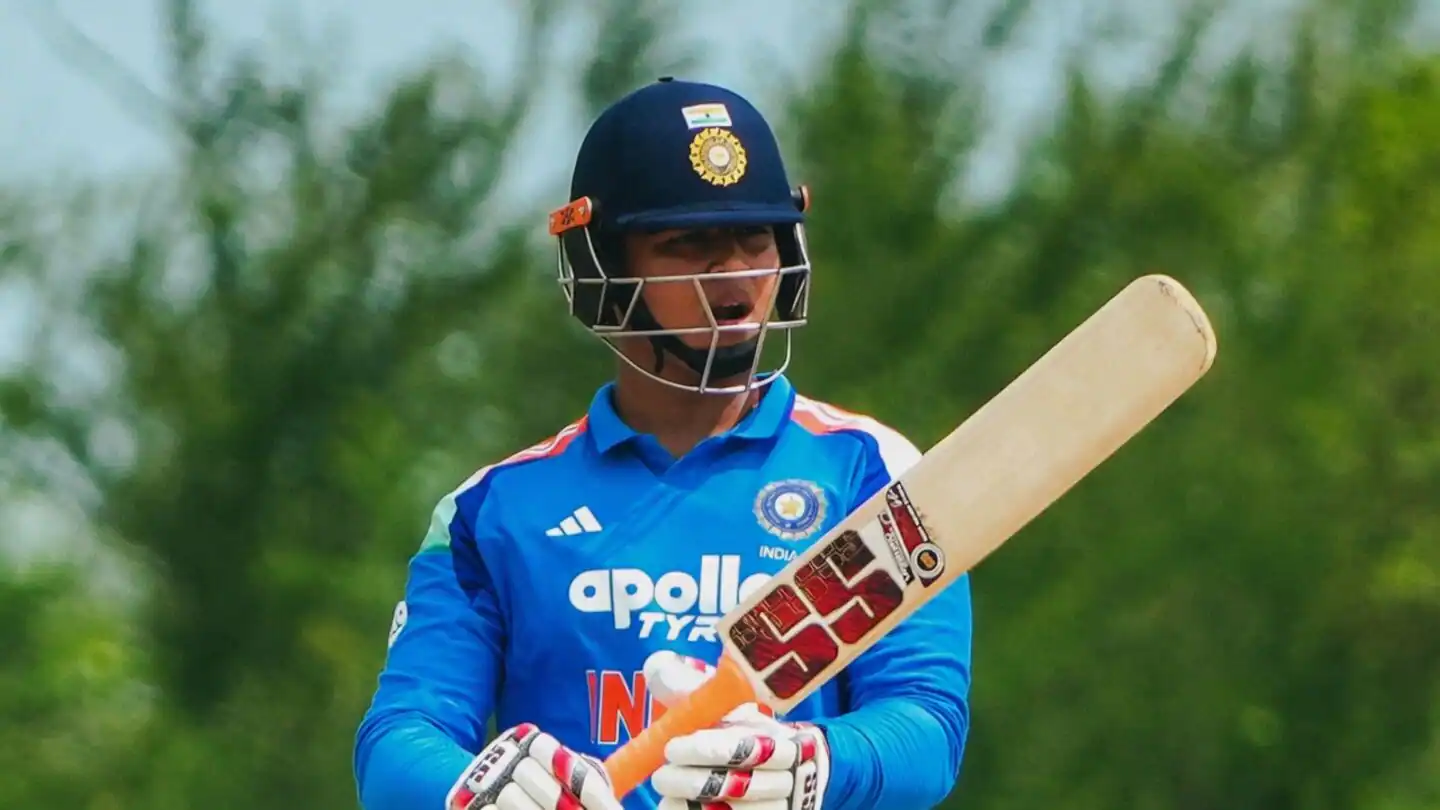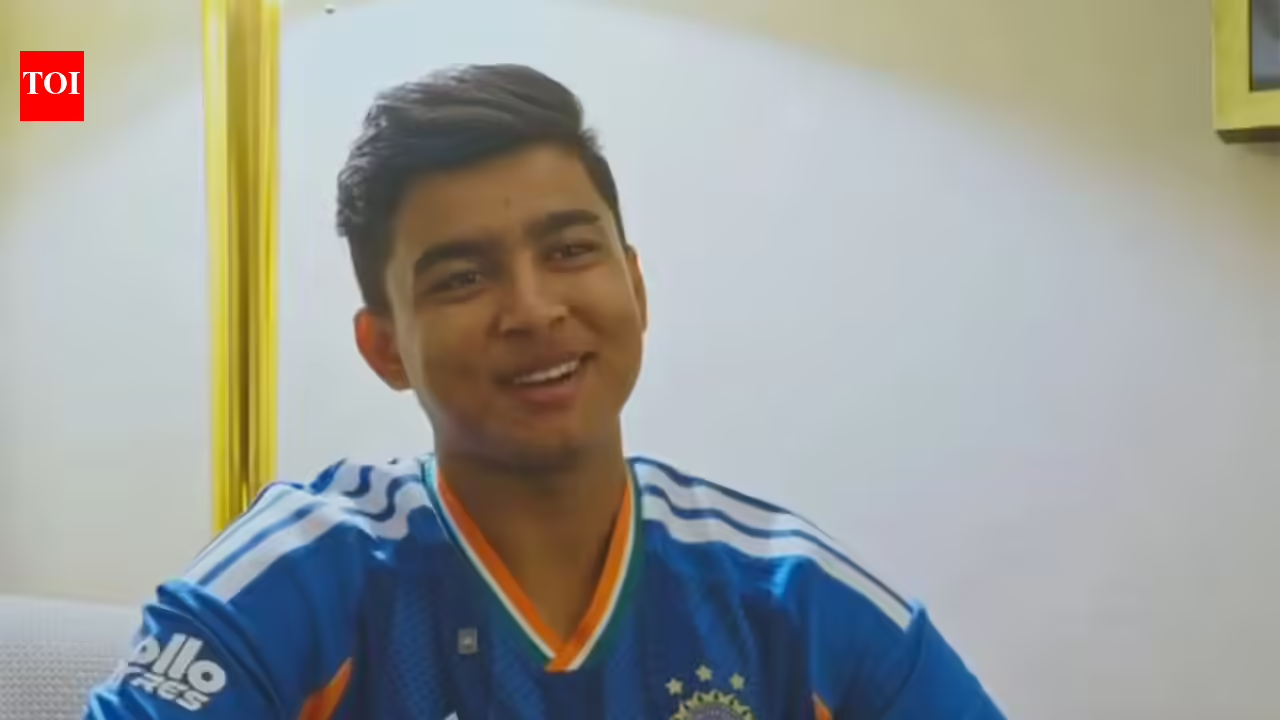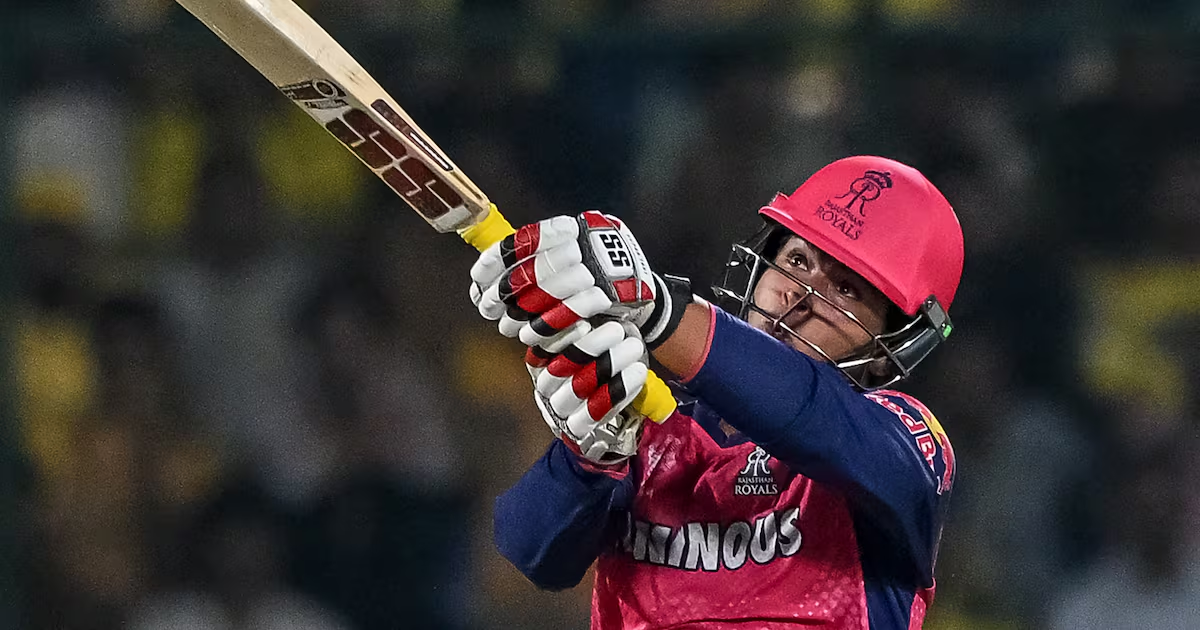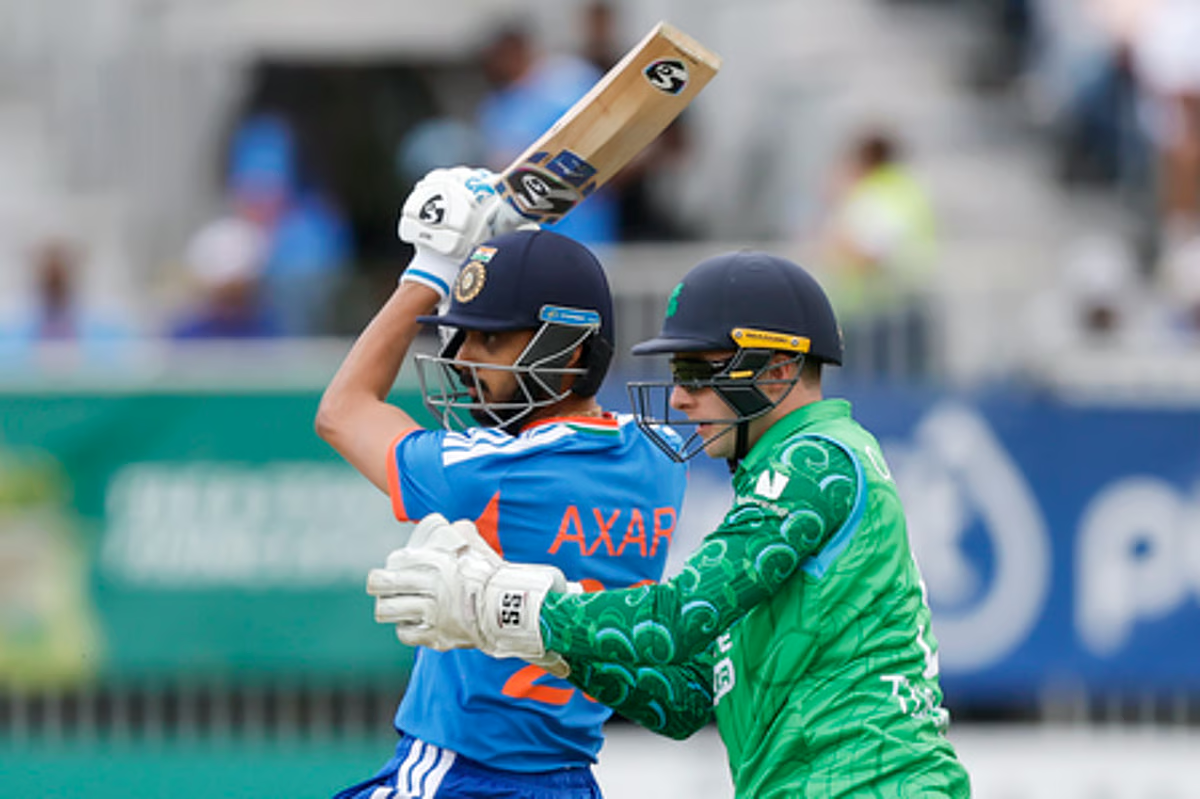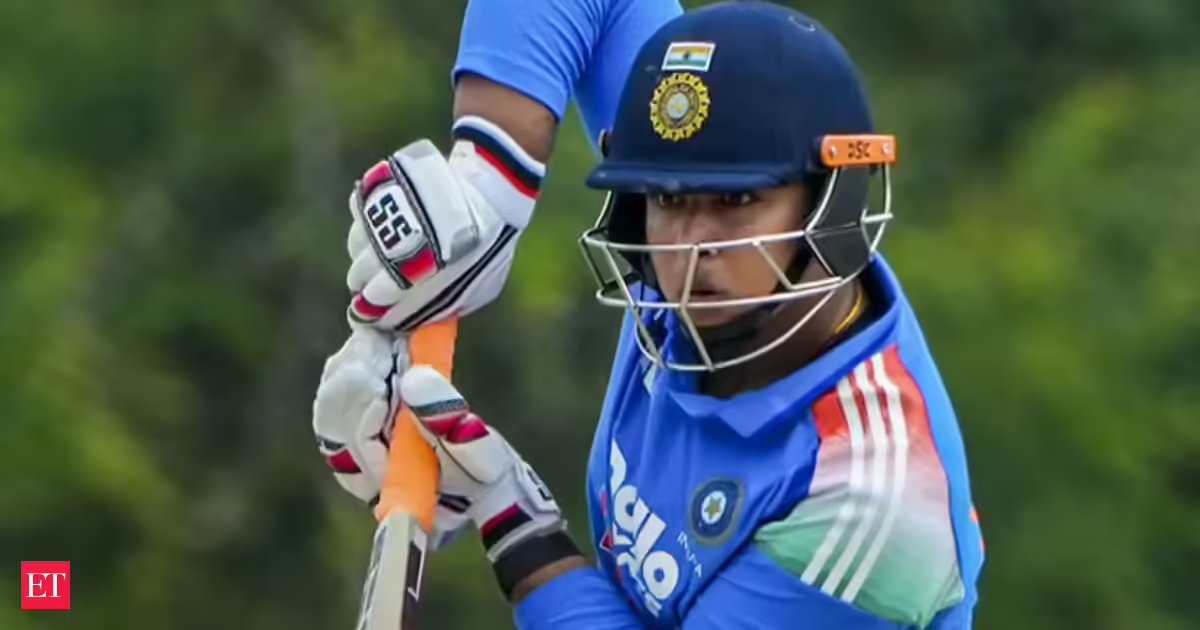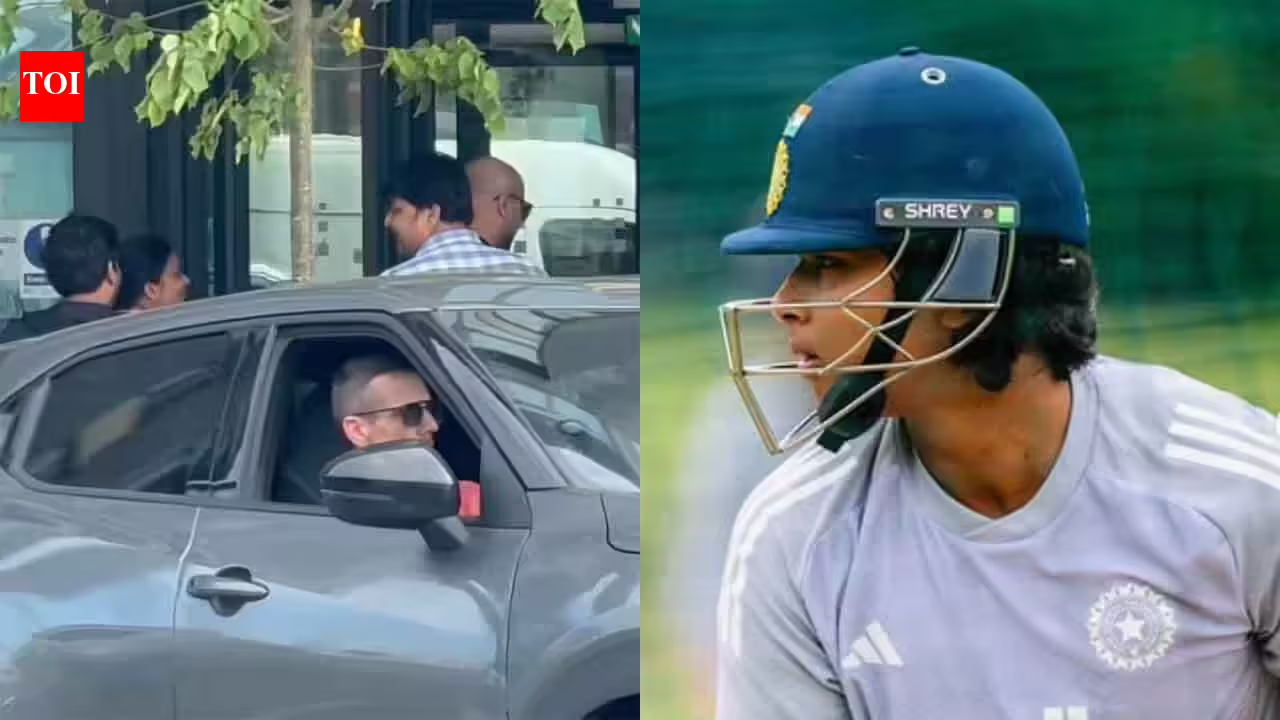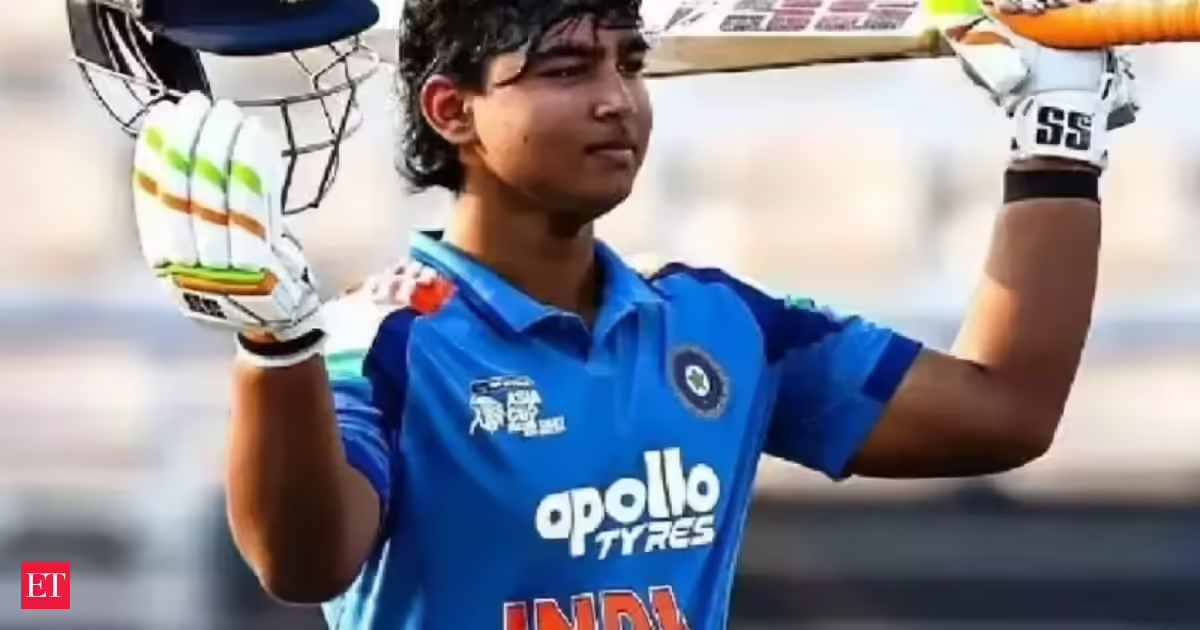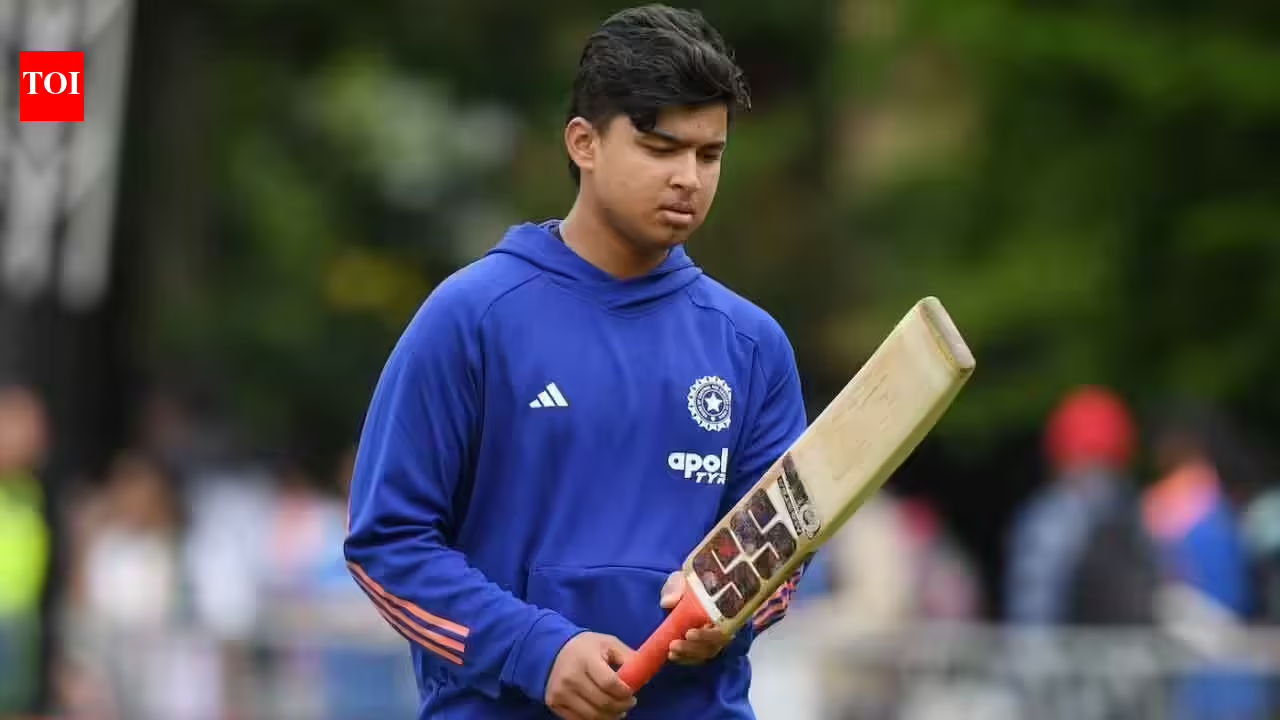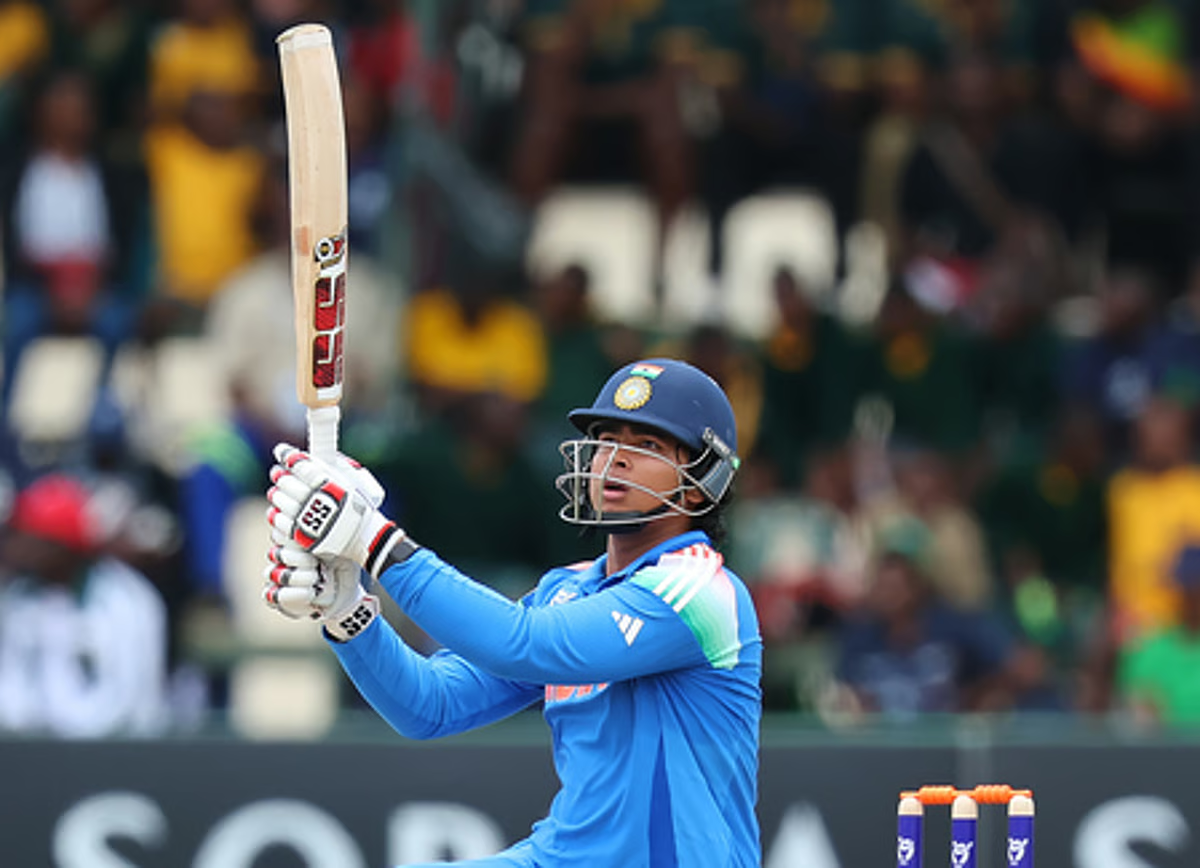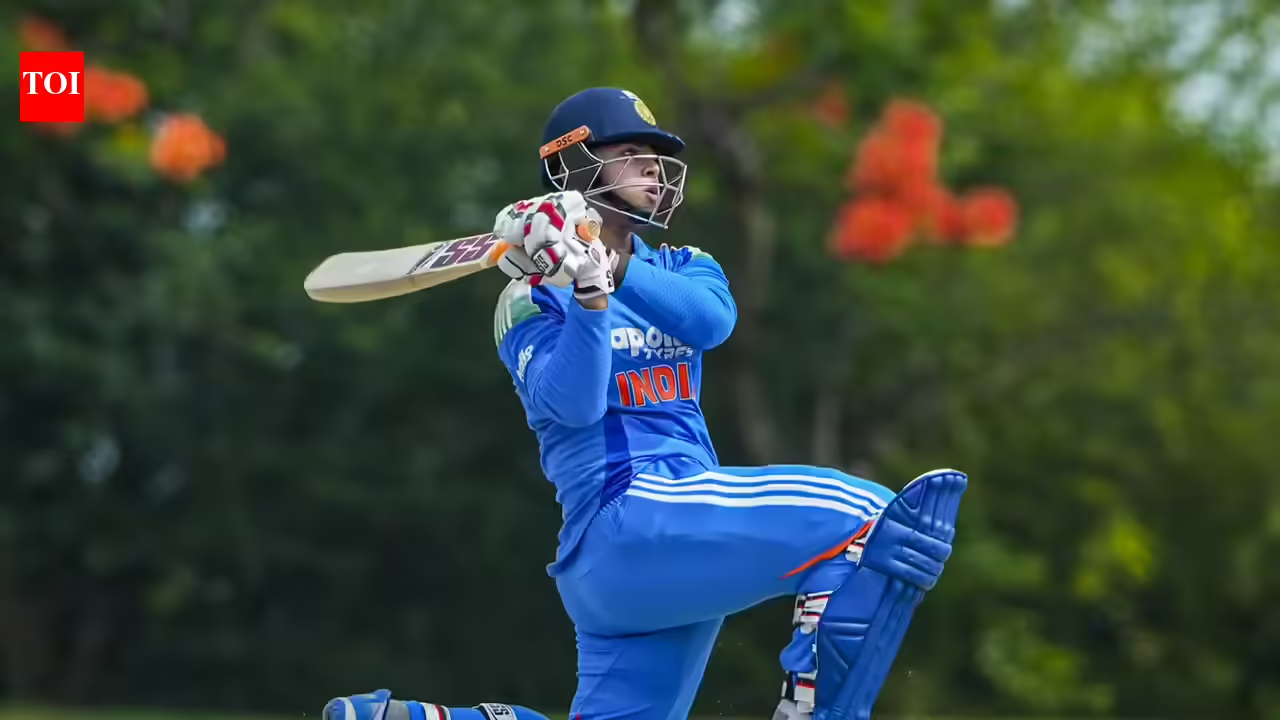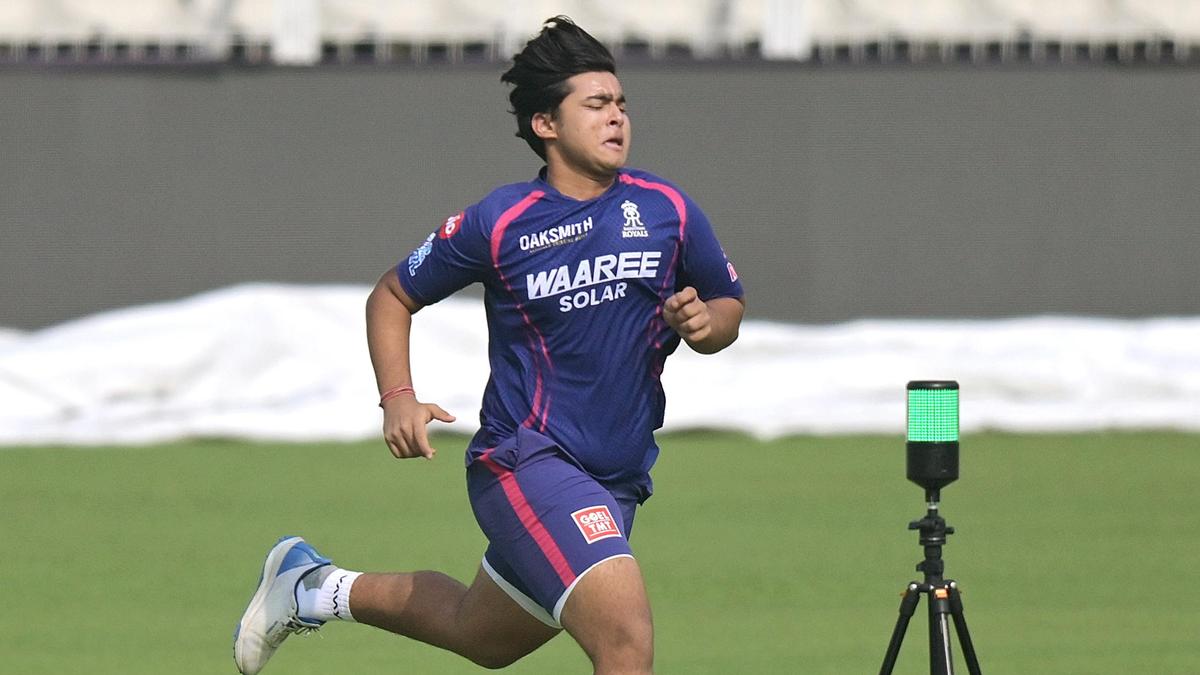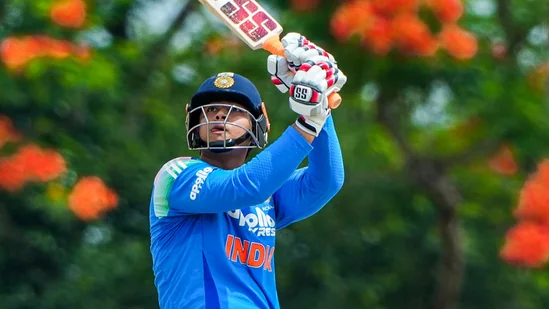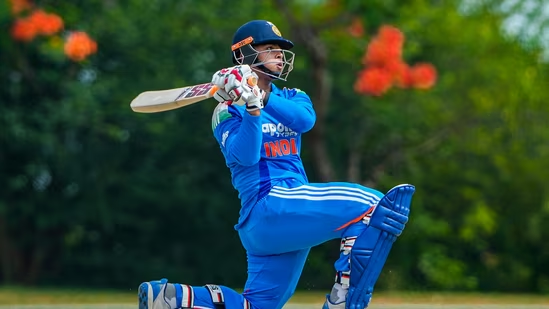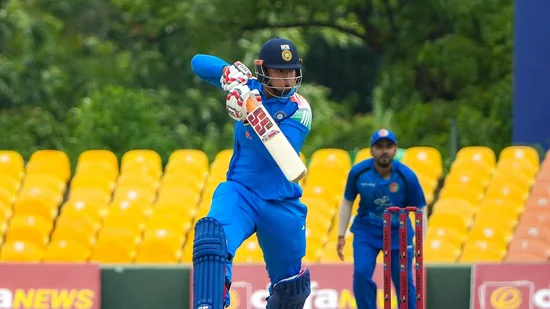
Before the first T20I, India could still defend the decision to hold Vaibhav Sooryavanshi back. The argument was simple: he is 15, this is international cricket, and there is no need to rush him when India already have enough top-order options. After Belfast, that argument is much weaker.Vaibhav Sooryavanshi was rested for the first match against Ireland. (SLC)India lost after taking the safer route. The established batting structure was backed, the more familiar names were used, and India were still bowled out for 148 in a chase of 183. That changes the selection debate completely. This is no longer about giving a teenager a debut for excitement. It is about asking whether India can afford to keep their most explosive young batter on the bench after the batting unit has already failed.The biggest issue in the first match was not intent at the top. Abhishek Sharma gave India the kind of start modern T20 cricket demands. The problem was that the pressure was not sustained. Once wickets fell, India’s innings moved from aggression to repair mode too quickly. Ireland’s bowlers were allowed to drag the game back, and India never recovered enough momentum.That is where Vaibhav becomes relevant. He is not just a young name with buzz around him. His recent T20 work has been impossible to ignore. In IPL 2026, he did not merely score runs; he scored them at a tempo that directly fits where the format is going. He has already shown that his natural game is not survival first, acceleration later. It is disruption from ball one.Low risk, high learning windowThere is also a practical reason India should not overthink this. This is Ireland. This is a two-match bilateral series. Yes, losing 2-0 would be embarrassing. Yes, India’s pride and record are on the line. But this is still one of the safest international windows India will get to blood a player like Vaibhav.If he plays today and fails, India do not lose a World Cup knockout. They do not lose an Asia Cup final. They do not lose a Champions Trophy semifinal. At worst, they lose a bilateral series that has already been put in danger by the first-match defeat. The damage would be reputational, not structural.For Vaibhav, however, the gain could be huge. Even if he makes 8, even if he looks rushed, even if he gets beaten by the movement or the pace of the occasion, the experience has value. He gets a first taste of international cricket: the anthem, the shirt, the scrutiny, the dressing-room rhythm, the pressure of representing India rather than a franchise. That flavour matters.Also Read: Vaibhav Sooryavanshi's debut in Belfast would be ‘landmark day’ for Irish cricket: Cricket Ireland chair Brian MacNeiceIndia do not need him to produce a match-winning knock today for the decision to be justified. They need to see how he reacts. Does he freeze? Does he swing blindly? Does he adjust? Does he show the same fearlessness outside the IPL environment? These are answers India cannot get by keeping him in the dugout.The management can also avoid making this look like panic. It does not have to be framed as a desperate selection. It can be framed as smart timing. India are 0-1 down, the batting has misfired, the series is short, and the next assignments will only carry more pressure. If Vaibhav has been picked for the squad, this is the most logical game to use him.Protecting young players is important. But overprotecting them can also delay their growth. Sooryavanshi was not selected for this tour just to experience hotel rooms, nets and team meetings. He was picked because his cricket demanded attention.After the first T20I, India have already seen what the safer option looks like. Today, the braver call may also be the smarter one.
Vaibhav Sooryavanshi's India debut calling: Why 2nd T20I vs Ireland is the perfect window to blood boywonder
India's loss in the first T20I raises questions about the decision to exclude young batter Vaibhav Sooryavanshi from play, as the established order faltered. | Cricket
TL;DRAI
Vaibhav Sooryavanshi, 15, should debut in India's 2nd T20I vs Ireland after the batting order failed in match one (148 vs 183). Low structural risk in a bilateral series, high learning value—his IPL 2026 form demonstrates natural aggression from ball one.
633 words~3 min read