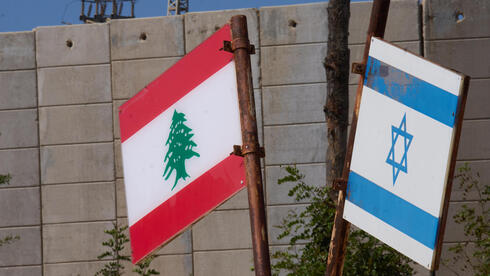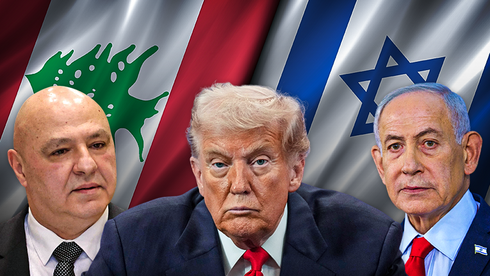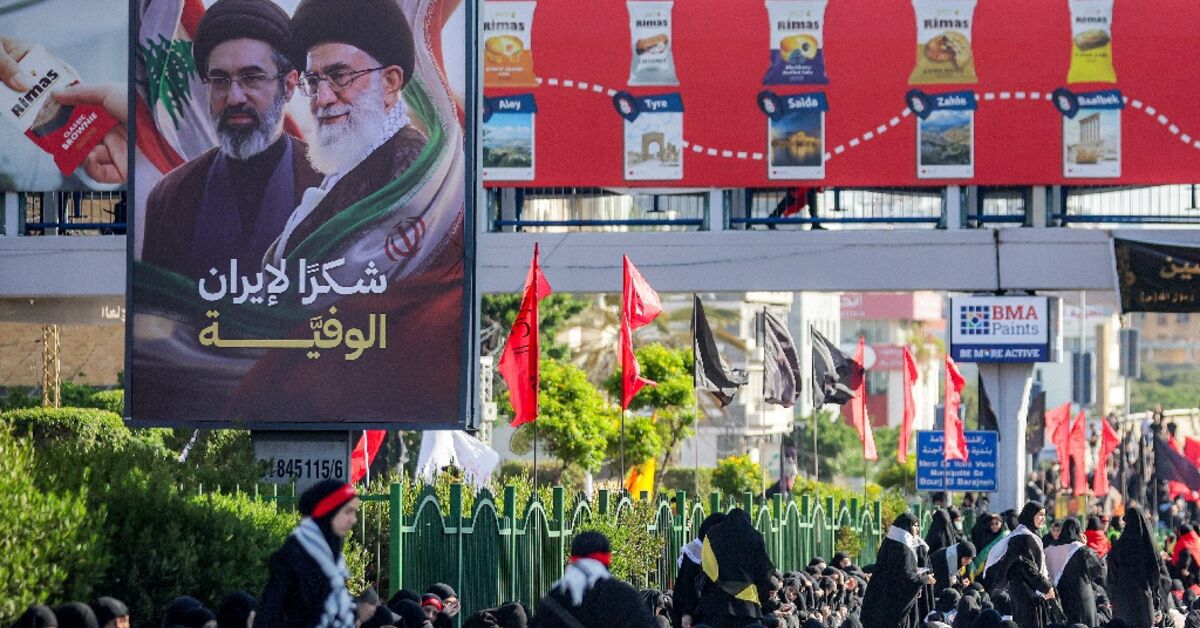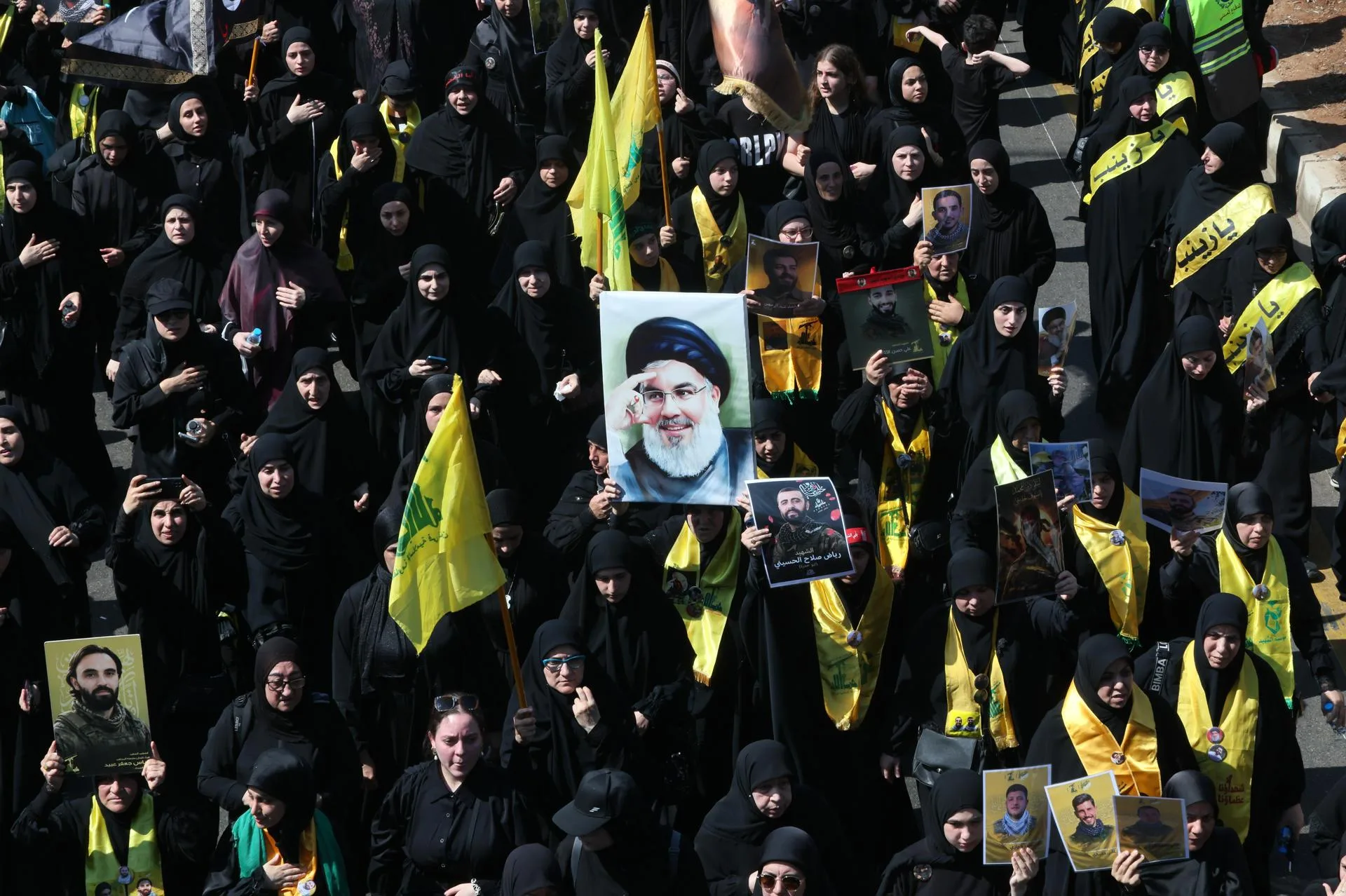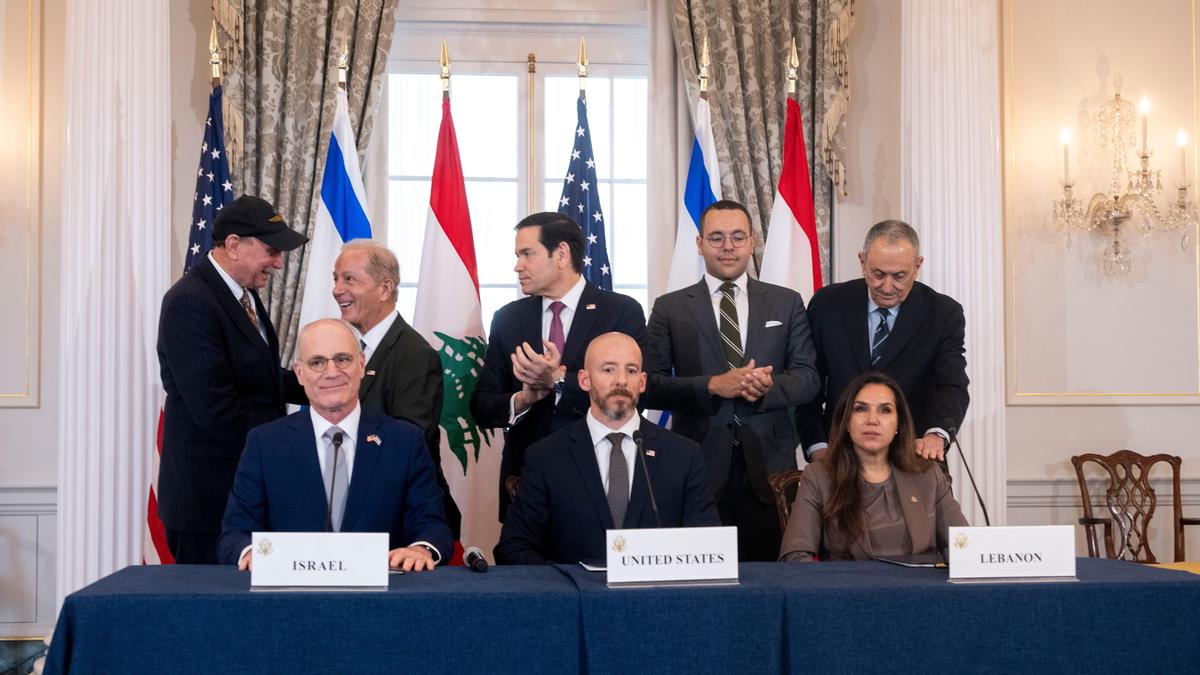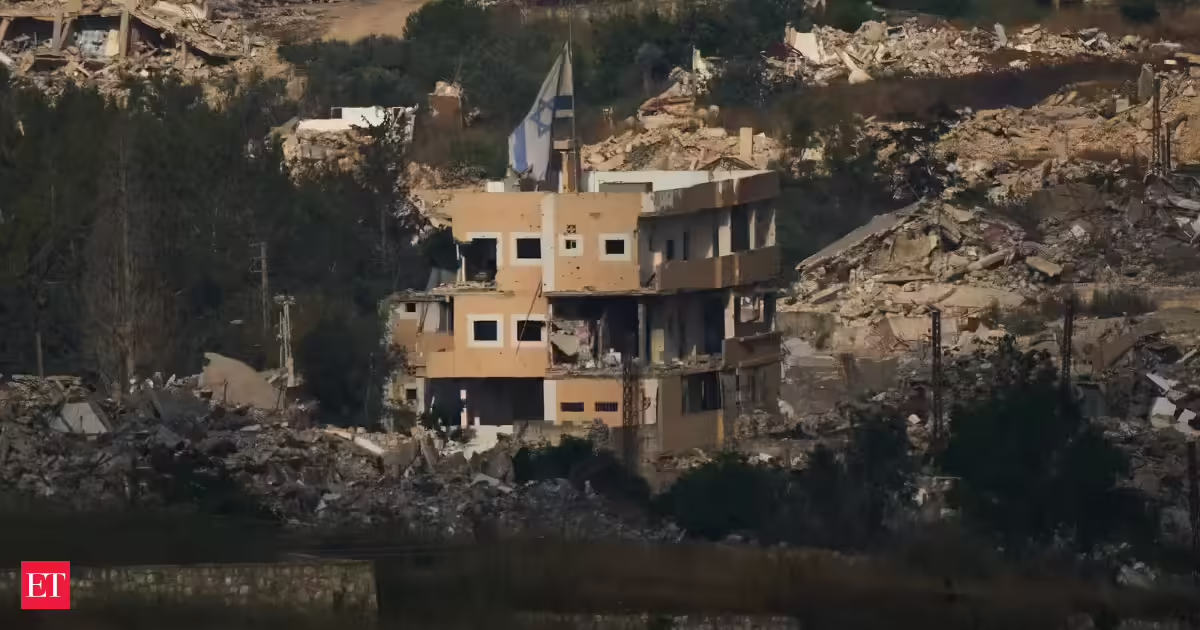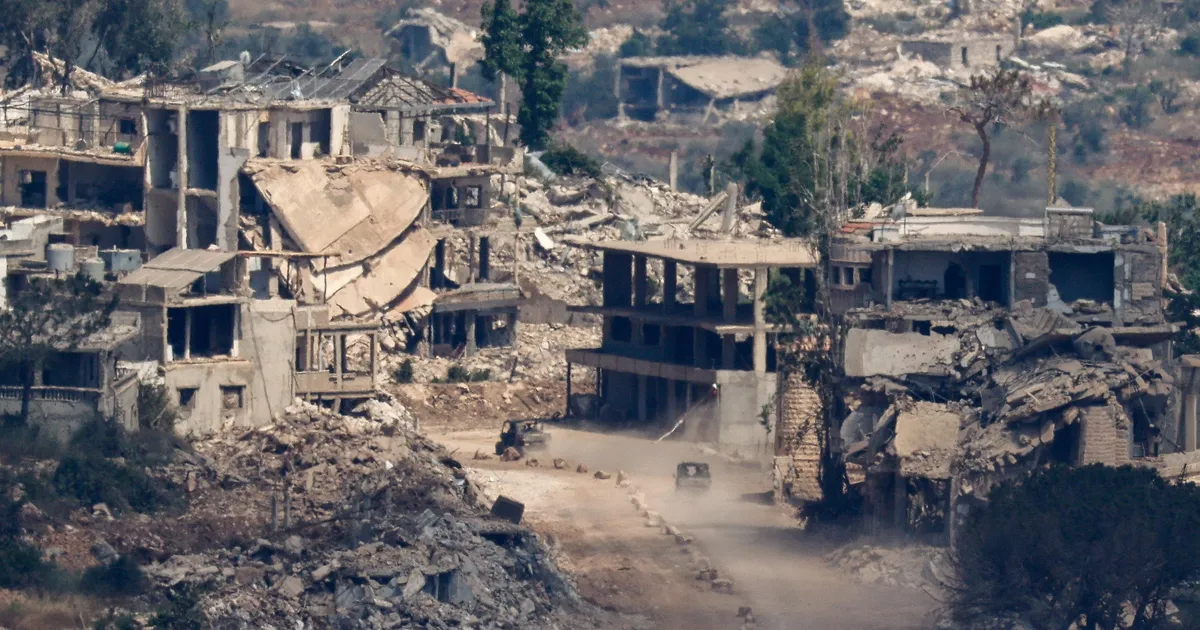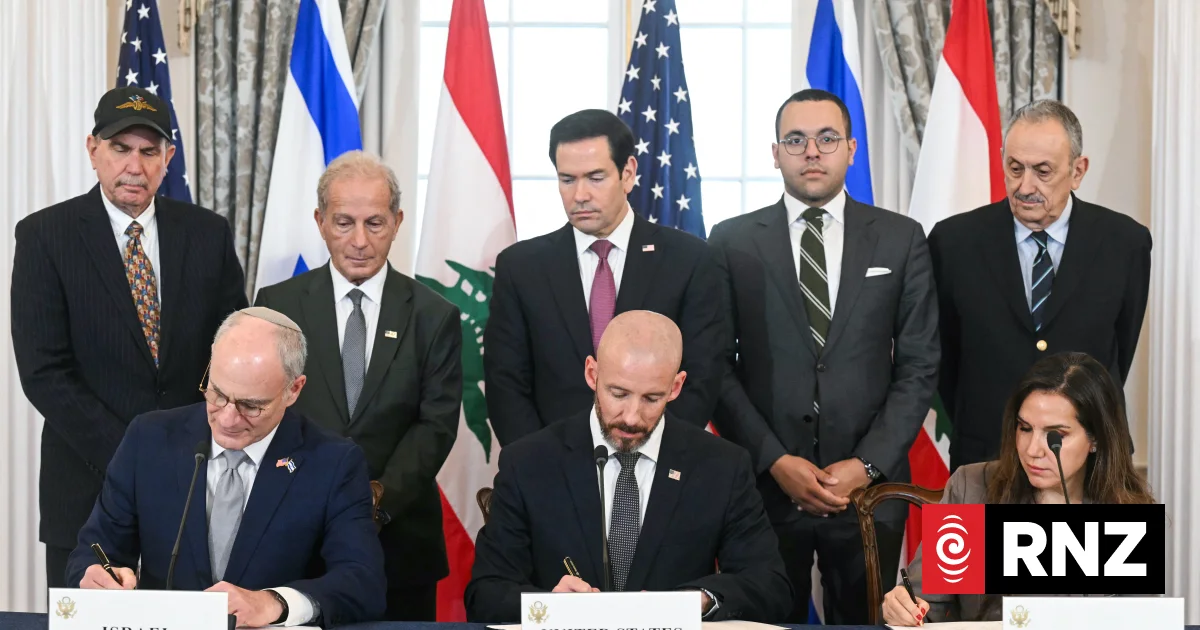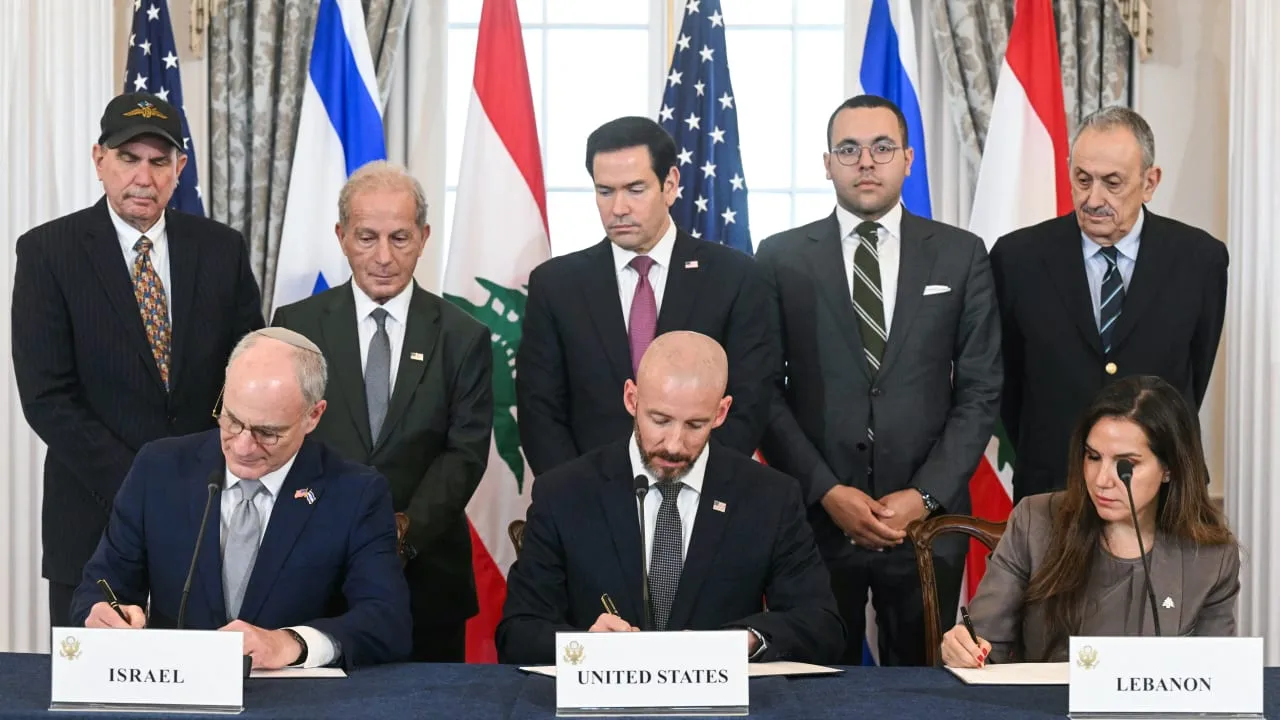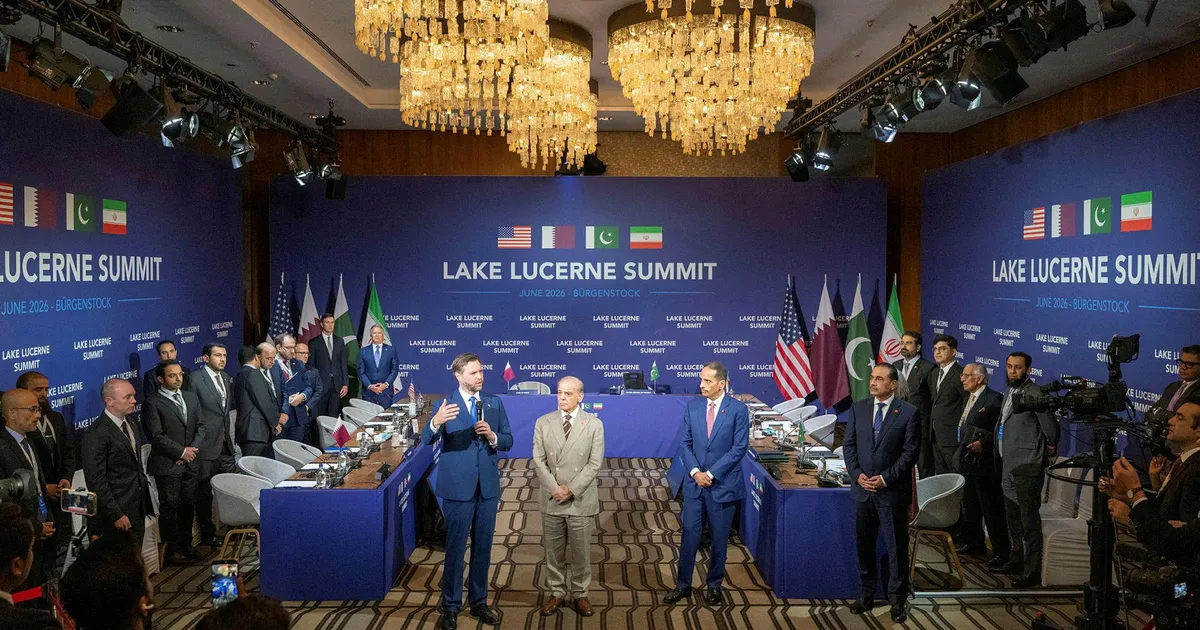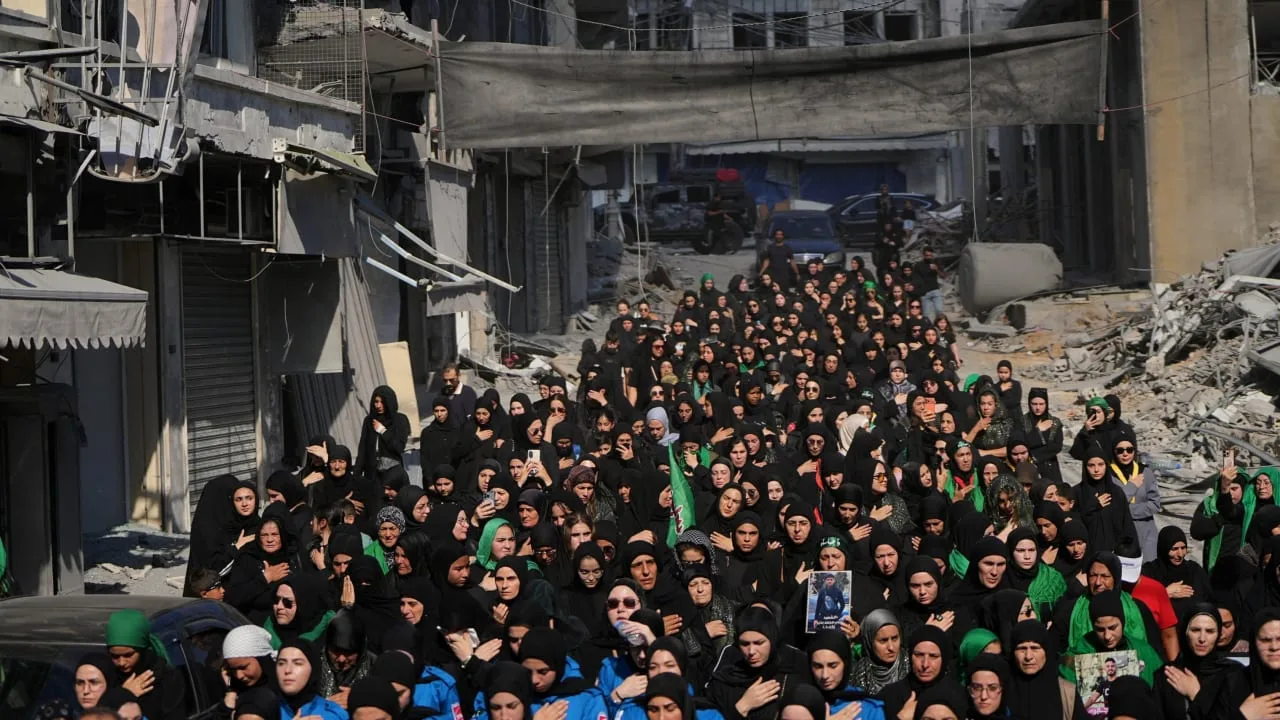
While the agreement invokes the word "peace," the true test, as is so often the case in the Middle East, will be determined on the ground, in southern Lebanon.Follow us on GoogleDelegation staff members meet during the quadrilateral meeting in Switzerland between the US, Iran, Pakistan, and Qatar on June 21, at the Lake Lucerne Summit, aimed at advancing a deal to end the Middle East conflict.(photo credit: Nathan Howard-Pool/Getty Images)ByJPOST EDITORIALJUNE 28, 2026 05:55Updated: JUNE 28, 2026 06:09On paper, the trilateral agreement signed on Friday between Israel, Lebanon, and the United States represents the genuine hope shared by all parties that peace between the two countries remains possible.Whether that hope will be enough to turn that possibility into reality remains as uncertain as ever.For Israel, the framework’s most significant provision is the explicit confirmation that the IDF will be able to remain deployed in southern Lebanon “pending the verified disarmament of non-state armed groups and dismantlement of associated infrastructure.”Under the agreement, the IDF would withdraw from two initial pilot zones and be replaced by the Lebanese Armed Forces (LAF), which would then facilitate the safe return of Lebanese civilians to those areas. This effectively gives the LAF a test case: Will Lebanese authorities be able to keep Hezbollah out once the IDF is gone?UN Security Council Resolution 1701 was also supposed to keep Hezbollah north of the Litani River. Instead, Hezbollah spent nearly two decades rebuilding its military strength under the watch of the UN Interim Force in Lebanon. Israeli officials have repeatedly voiced frustration over Lebanese forces’ failure to disarm Hezbollah following previous ceasefire agreements.Youths ride vehicles while waving flags of Iraq, Iran, Lebanon and Hezbollah in Baghdad on June 15, 2026, during celebrations following the announcement of a deal to end the war between Iran and the US. (credit: AHMAD AL-RUBAYE / AFP via Getty Images)Israel-Lebanon deal needs realism to succeedIf Lebanon is serious about reclaiming its sovereignty from Hezbollah, it must finally do its part to secure its own territory – a task for which far too many IDF soldiers have already paid with their lives.The framework, if implemented, could finally force the Lebanese government to choose between enforcing its own authority or allowing the country’s future to remain hostage to a terrorist organization that answers to the Islamic regime in Tehran.In doing so, it brings Beirut to confront the central issue it has avoided for years – finally acknowledging that Hezbollah is the obstacle holding Lebanon back, and not a legitimate partner in rebuilding the country.Another encouraging sign that the agreement could help end the fighting along Israel’s northern border is Hezbollah secretary-general Naim Qassem’s vehement opposition to it.In a statement issued on Saturday, Qassem denounced the framework as a “humiliation” and a surrender of Lebanese sovereignty, declared it null and void, and called for it to be replaced by the memorandum of understanding signed by the United States and Iran.His reaction underscores the stark contrast between Friday’s framework and Washington’s separate understanding with Tehran.Last week, a statement issued by the mediating countries, Qatar and Pakistan, announced the creation of a deconfliction mechanism for Lebanon. That mechanism reportedly excludes Israeli representatives from the body overseeing implementation, while including Iran.Yet, the framework agreement itself contains no reference to the Qatar-Pakistan mechanism. One agreement gives Iran an oversight role in Lebanon’s security reconstruction, while another explicitly affirms Lebanon’s position that “any claim by any state or non-state actor to exercise a military or security role is illegal… and contrary to Lebanese national interests.”The contradiction is difficult to ignore. When push comes to shove, which of these competing understandings will actually be implemented, if any?Alongside his Lebanese counterpart and US Secretary of State Marco Rubio, Israeli Ambassador to the US Yechiel Leiter called the agreement a “historic” step toward “real peace,” saying negotiators had managed to put the diplomatic “train back on the tracks” after previously referring to the talks as a “trainwreck.”In a video message released on Friday, Prime Minister Benjamin Netanyahu also heralded the framework as “a major achievement for the State of Israel,” adding that “the most important thing is that Israel is saying: our security comes first.”While the optimism is refreshing after a period of diplomatic setbacks, Israelis would be justified in approaching the framework with caution, given the failures of previous ceasefire agreements.The agreement, as published by the US State Department, repeatedly invokes the word “peace.” The shared hope for a stable and prosperous northern border is evident throughout the document.But, as is so often the case in the Middle East, the true test will be determined on the ground, in southern Lebanon – by whether Hezbollah is genuinely disarmed, whether the Lebanese state is willing and able to enforce its sovereignty, and whether the commitments made on paper survive an encounter with reality.Follow us on Google
Israel-Lebanon peace push faces reality check | The Jerusalem Post
While the agreement invokes the word "peace," the true test, as is so often the case in the Middle East, will be determined on the ground, in southern Lebanon.
TL;DRAI
Israel-Lebanon-US trilateral agreement: IDF remains in southern Lebanon until verified Hezbollah disarmament. Critical test: will Lebanon enforce sovereignty? Previous agreements failed, and US-Iran contradictions signal geopolitical instability affecting compliance and investment risk.
804 words~4 min read