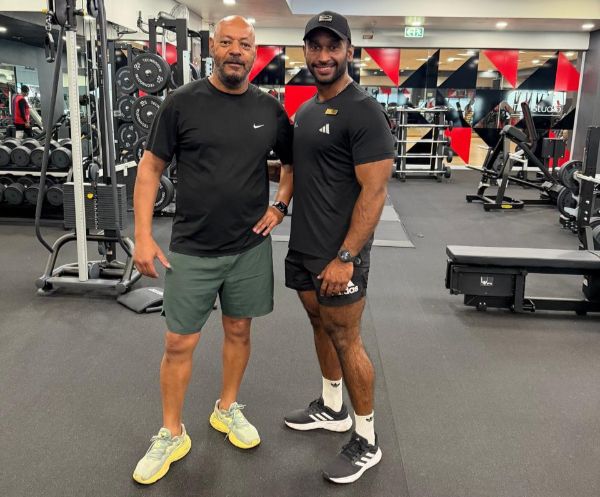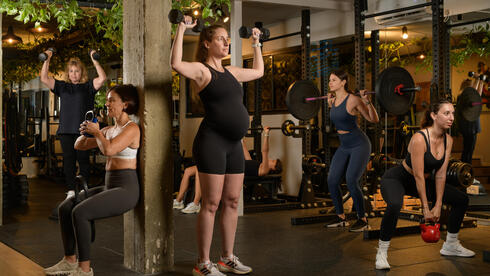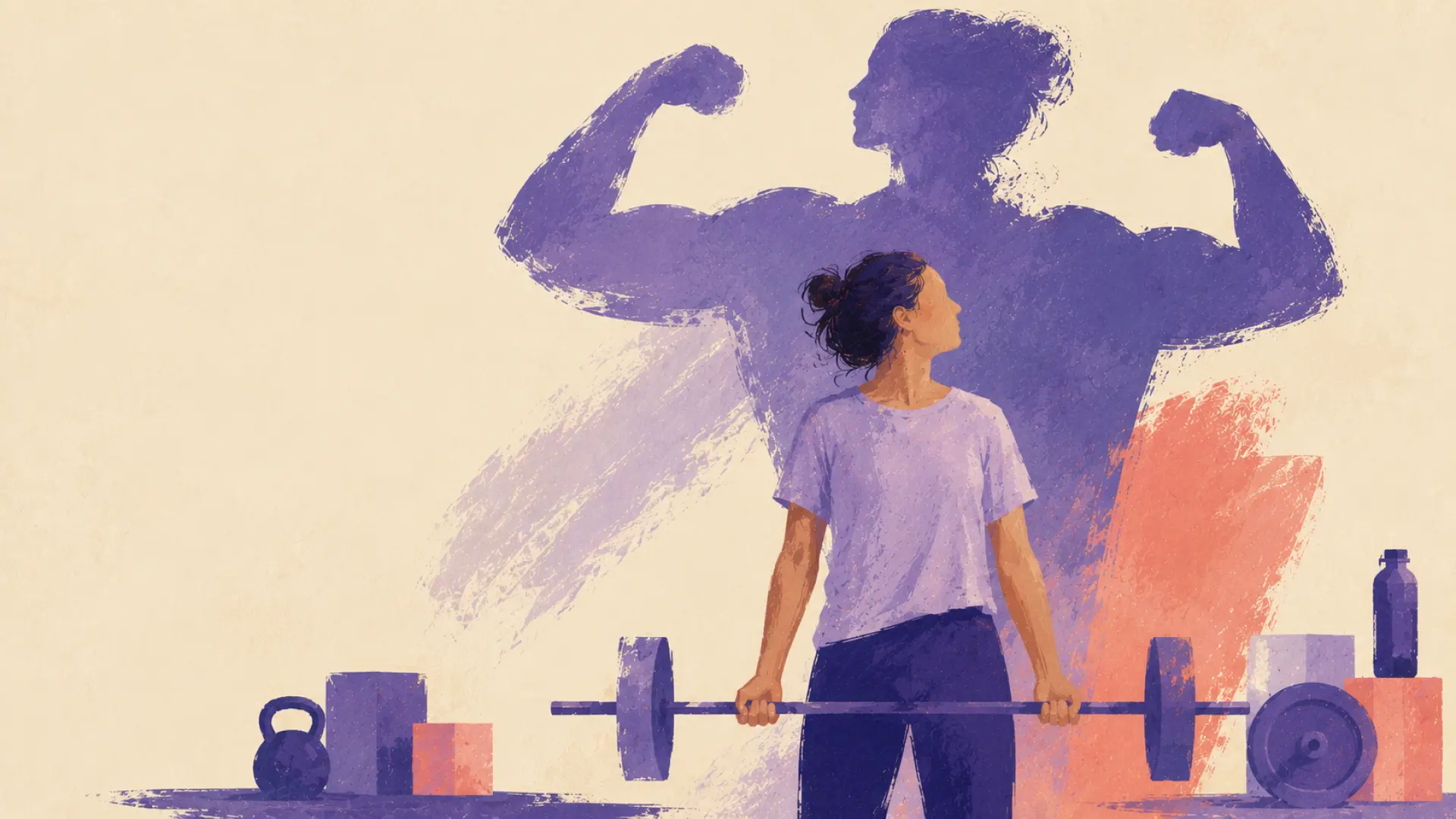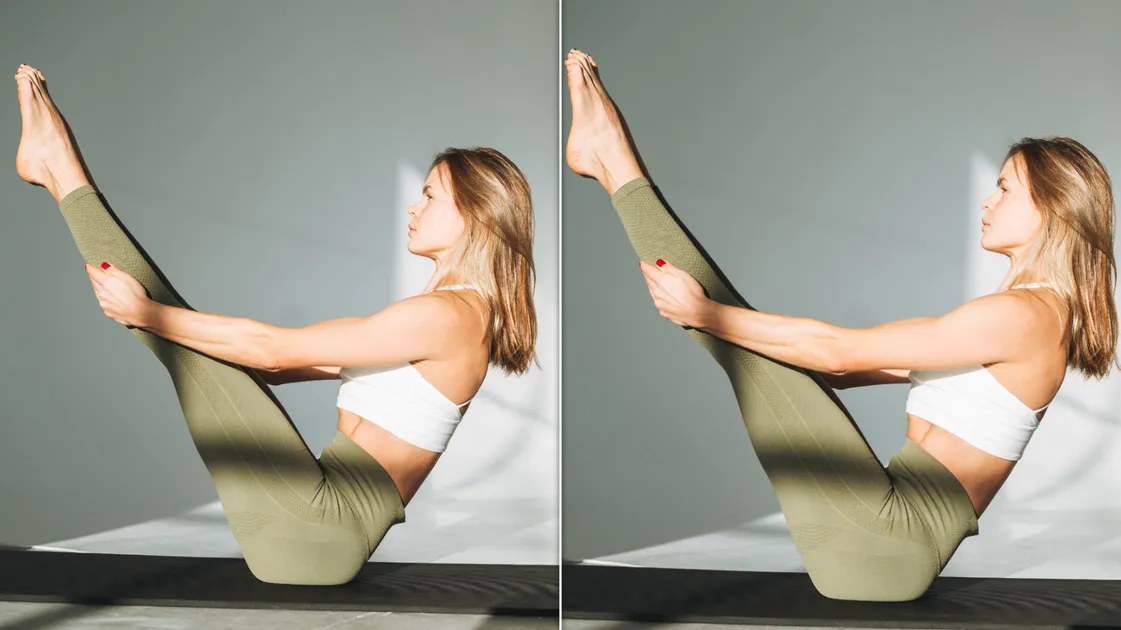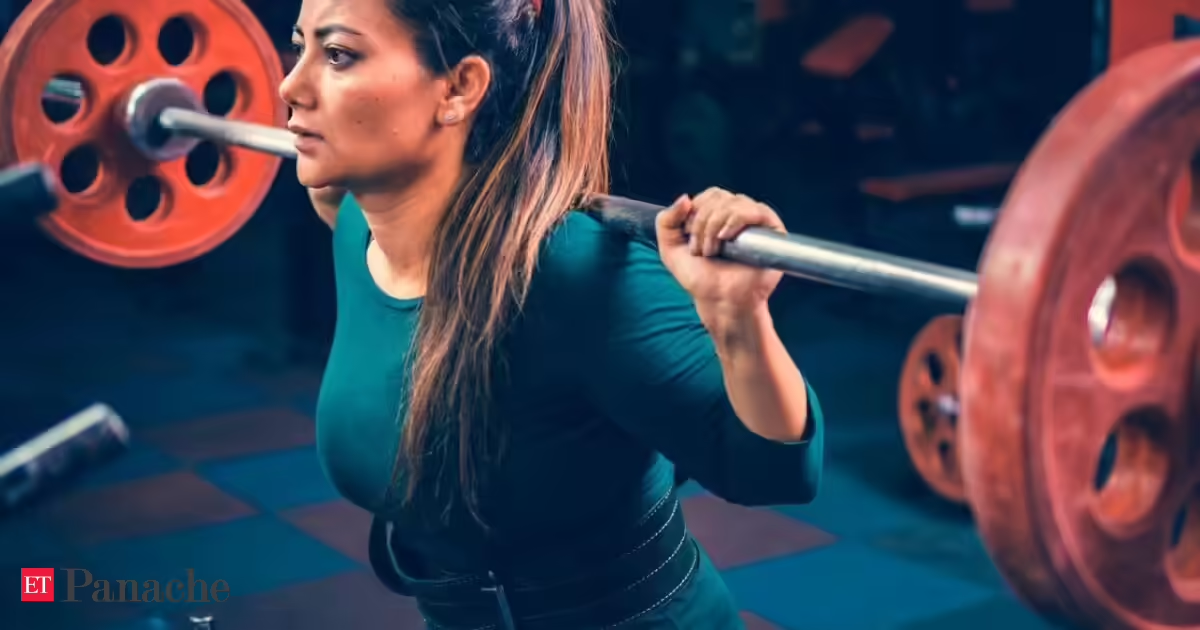
She picks up the groceries. She picks up the kids. She even picks up the tab. But can she pick up a barbell? Increasingly, the answer is a resounding yes. Today, you’ll find women lifting weights and chasing strength — and muscle — rather than trying to simply burn calories on the treadmill.Building muscle is not just aspirational for men; women, too, are viewing the ‘muscular bod’ through the lens of health and longevity. So, what’s driving this shift of women swapping cardio for the squat rack? Experts weigh in.Progressive OverloadThe change has been gradual, says Rishabh Telang, co-founder, cult.fit, who has noticed more women in the weights section of his gyms in the past four to five years. At their strength focused classes, Telang says, participation is now almost evenly split between men and women.“When I started in 2016, discussions used to be around looking a certain way. [Today] women are using terms like metabolic health and longevity,” he says.Telang feels that most women who are serious about exercise are not worried about gaining some bulk. “Even for me, who trains pretty hard and has more testosterone, building muscle is not easy. For women, it’s harder,” he says.What’s changed the most, however, is women becoming “comfortable as their muscles start to show”, says Telang. “In fact, they are very proud of it.”Form CheckLift heavy — by your standards. After 30, women lose 3-8% of muscle mass per decade, with the decline accelerating after menopause.Do jump-based exercises at least once or twice a week, do this for about 15-20 minutes.“Muscles have no gender. I don’t know why we decided to give muscles a gender.”— Rishabh Telang, co-founder, cult.fitET BureauRishabh Telang, co-founder, cult.fitWeight ShiftShwetambari Shetty, founder of the Bengaluru-based fitness centre My Third Space, says that eight out of 10 women who come to her gym “are there to purely lift weights”. “And many of them are lifting heavier than men,” Shetty, who started her journey as a dancer before turning to fitness following an injury, said.While many women still aspire for a lean physique, they are recognising the role muscle plays in healthy ageing. “I am yet to meet a woman who started weight training and said that this isn’t working for me. Some do shy away because of the fear of injuries, but not so much from the fear of looking bulky,” she says.And while Gen Z has adopted fitness early, Shetty says women between 30 and 70 have started looking beyond cardio. “It’s beautiful to see that even a 72-year-old woman in the gym is lifting,” she says.Form CheckFind a qualified coach and start slow.Know your goal. Are you training for aesthetic, strength or longevity?“The moment you start lifting weights, a switch happens in a woman’s mind... They get this weird confidence about their body [no matter the size] and it’s beautiful.— Shwetambari Shetty, founder, My Third SpaceET BureauShwetambari Shetty, founder, My Third SpaceBeyond the ScaleMore women are now seeking to do strength training, especially after 40. “That’s when bone density starts decreasing and we begin losing muscle mass,” says celebrity nutritionist Simrat Kathuria.But building muscle happens as much in the kitchen as it does in the gym. Kathuria says women who focus only on training and neglect nutrition will not see the full benefits. “They will lose more muscle and there won’t be any recovery,” she explains.Women also need to focus on upping their protein game, says Kathuria. “Our parents and grandparents would have milk, curd, butter, which have a lot of good fat and protein. But changing diet and rising lactose intolerance mean many women are falling short of their requirements,” says Kathuria.Kathuria stresses the importance of calorie deficit, but with a disclaimer: Don’t push your body too fast. “If your body needs 2,200 calories, then you have to cut it down gradually to 1,800, 1,600, 1,500, and so on. This is how calorie deficit is achieved and you can get the body you like,” she concluded.Form CheckAdd 25 gms of protein to every meal.Sleep at least seven to eight hours to recoverGet tested for common deficiencies such as iron, Vitamin D and B12 before supplementing.“Your strength should be there. Your health should be there. That’s it.”— Simrat Kathuria, celebrity nutritionistScience of StrengthStrength training reduced women’s risk of death by 19% and cardiovascular death by 30%, according to a 2024 study of 4,00,000 adults published in the Journal of the American College of CardiologyA 2025 Sports Medicine review linked resistance training to better bone health, cardiovascular health and self-esteem among women.A 2026 JAMA Network Open study found greater muscular strength was linked to lower mortality risk among women aged 63-99.Muscle MemoryThe reason more women are talking about strength training is because the “muscle changes the body in a way that the weighing scale cannot capture”, says Kalyani Capadia, co-founder of Mumbai-based K11 Fitness Academy, who started her weight training journey in 1996.“A kilogram of muscle takes up less space than a kilogram of fat, because muscle is denser. So, at the same body weight, say 50 kgs, a woman carrying more muscle and less fat will look leaner and more defined than the one carrying more fat,” says Capadia.The fitness educator recounts how difficult it was to convince women to lift weights when she was starting out. “Earlier, we had to counsel women for hours and hours and do demonstrations with them. But now, it’s very easy,” she shares, adding that strength training is “here to stay” among women. “Now women come to us wanting to lift.”Form checkDon’t be intimidated by weights.Learn proper technique from a trained coach before starting on your own.“Strength is not about size. It is about what your body can do, and what that does to your mind.”— Kalyani Capadia, co-founder, K11 Fitness Academy.ET BureauKalyani Capadia, co-founder, K11 Fitness Academy.Health Game20% The amount of bone loss that can occur in the first decade after hitting menopause.3-8% Muscle mass lost per decade after age 30.2-3 The number of times a week women should do strength training to maintain muscle and bone health.
For women, muscle is the new fitness flex
The treadmill is still trending, but the weight rack is also having its moment. The gym floor is changing as more women trade calorie burns for muscle gains, finds Divya Verm, finds Divya Verma
1,009 words~5 min read