The recent completion of 40 housing units for judges in Abuja has reignited debate over the separation of powers, with many questioning whether the executive branch’s funding of such lavish accommodations for members of the judiciary is consistent with the principle of judicial independence, Davidson Iriekpen writes
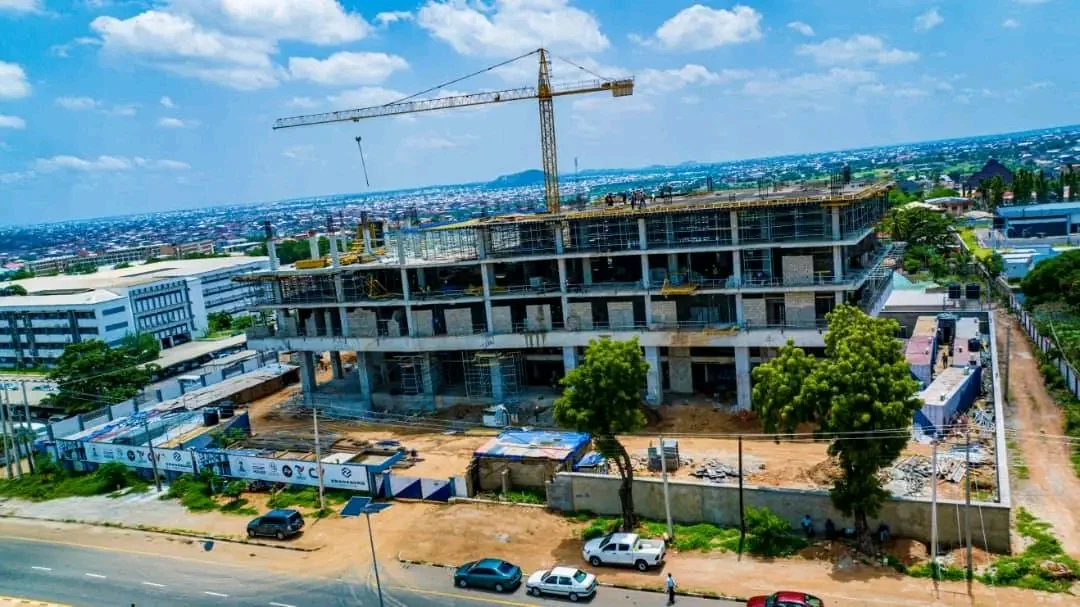
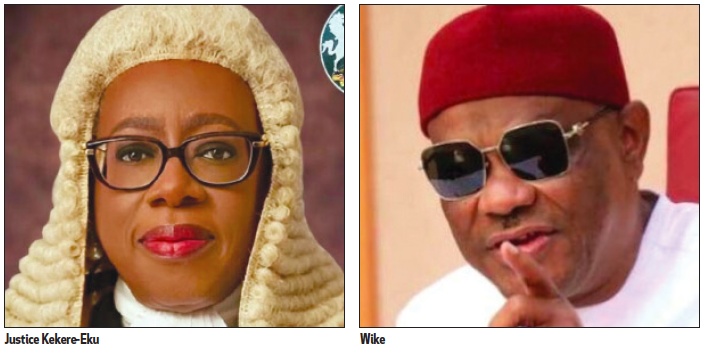
The media was abuzz recently with news of the inauguration of official mansions for judges of the Court of Appeal, the Federal High Court, and the Federal Capital Territory (FCT) High Court in Abuja by the Minister of the FCT, Mr. Nyesom Wike, with many analysts questioning the appropriateness of the projects.
While the initiative aims to boost judicial welfare, security, and independence by removing judges from vulnerable rental areas, critics have argued that it could create perceptions of undue influence on the judiciary and compromise its perceived neutrality by tying judges to political benefactors.
The provision of standard official residences is globally acceptable for top judicial officers. However, the specific implementation—characterised by political fanfare and massive executive involvement—remains a subject of intense public concern.
Officials of the Federal Capital Development Authority (FCDA) said the project comprises 20 duplexes for judges of the FCT High Court, 10 for judges of the Federal High Court, and another 10 for justices of the Court of Appeal.