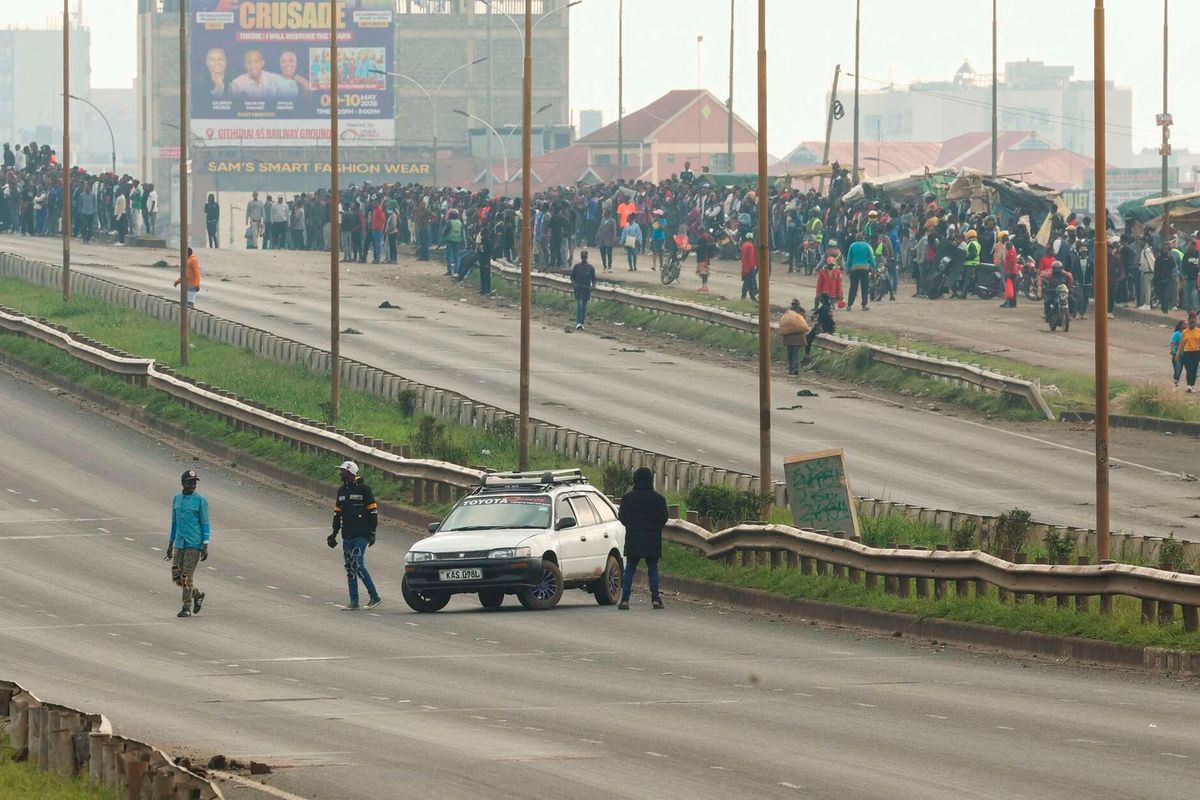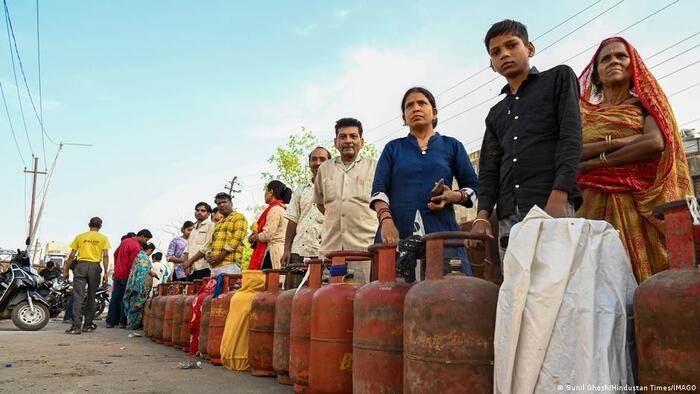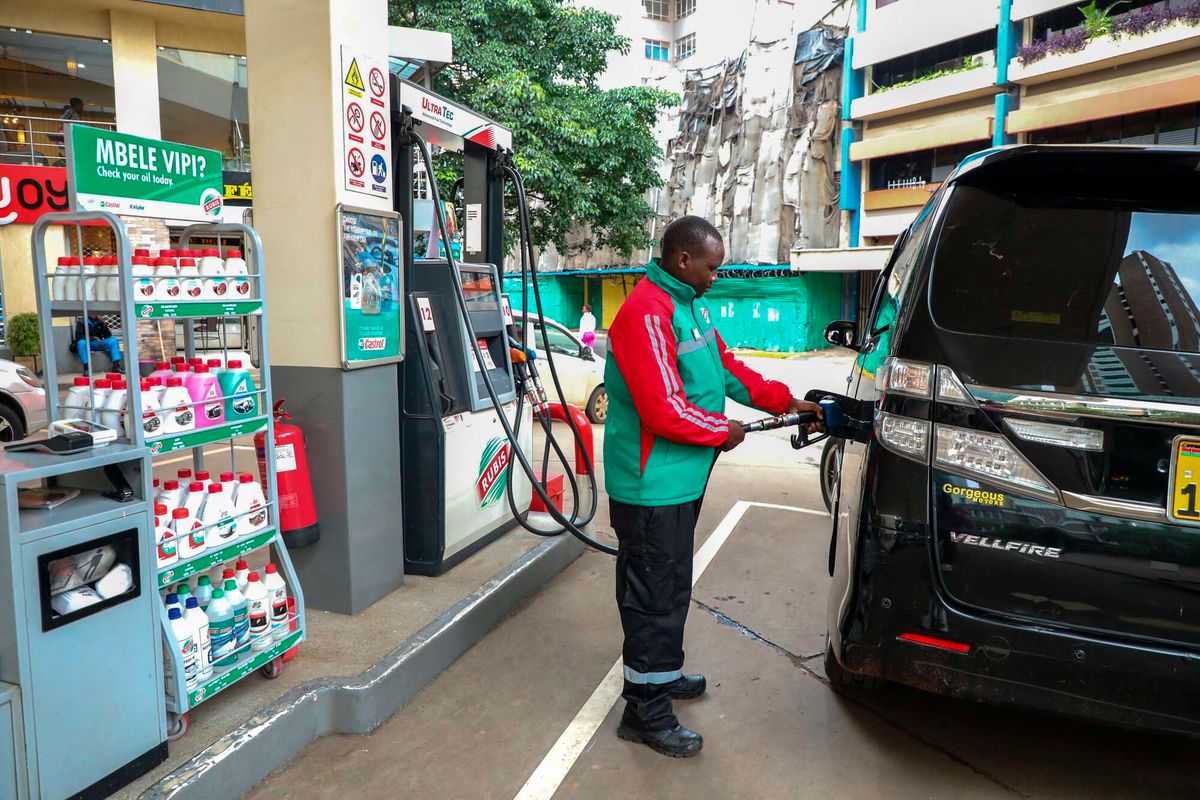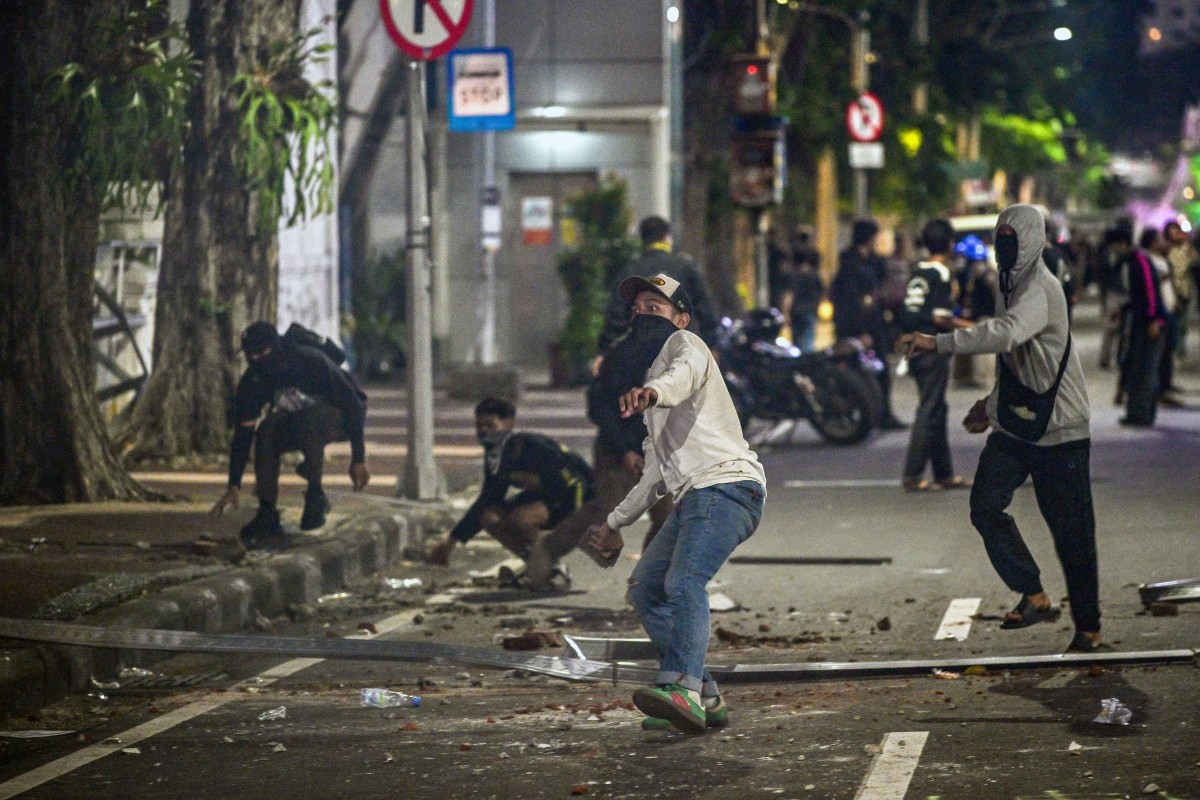
A drop in oil prices after a fragile US-Iran truce has helped ease immediate inflationary pressure in many emerging markets, but cheaper oil alone will not defuse the threat of civil unrest as the damage to household finances has already been done, analysts say.Countries from Kenya to Indonesia and Bolivia have seen protests in recent weeks linked to energy price hikes and the rising cost of living.
Global civil unrest hit a six-year high in the second quarter of 2026, UK-based global risk consultancy Verisk Maplecroft told Reuters. It produces a quarterly index tracking recorded protest events globally over a rolling 12-month period, measuring their frequency, scale and severity.
Oil prices have fallen toward pre-conflict levels, with Brent nearing $70 a barrel after an accord last week between Washington and Tehran reopened shipping through the Strait of Hormuz.
But months of elevated energy costs have already taken their toll. Oil prices remain volatile and any fall in price of oil or other commodities as trade through the Strait of Hormuz resumes will take time to filter through to consumers.
"Inflationary pressure from the disruption to shipping and damage to energy infrastructure will continue well into the second half of 2026," said Torbjorn Soltvedt, head of EMEA at Verisk Maplecroft.