During a recent conference, an Algerian colleague repeatedly excused himself to visit the restroom just down the hallway to vomit. The reason was kidney stones, and by his own account, he had suffered similar paroxysms of pain in the past, accompanied by episodes of vomiting. By the second day of the conference, as he sat by my side, he exclaimed that this was a problem that had afflicted him for years.
He had dodged surgery and relied only on medications, including injections. Now, he was fed up with those efforts and wanted to use herbal medicine.
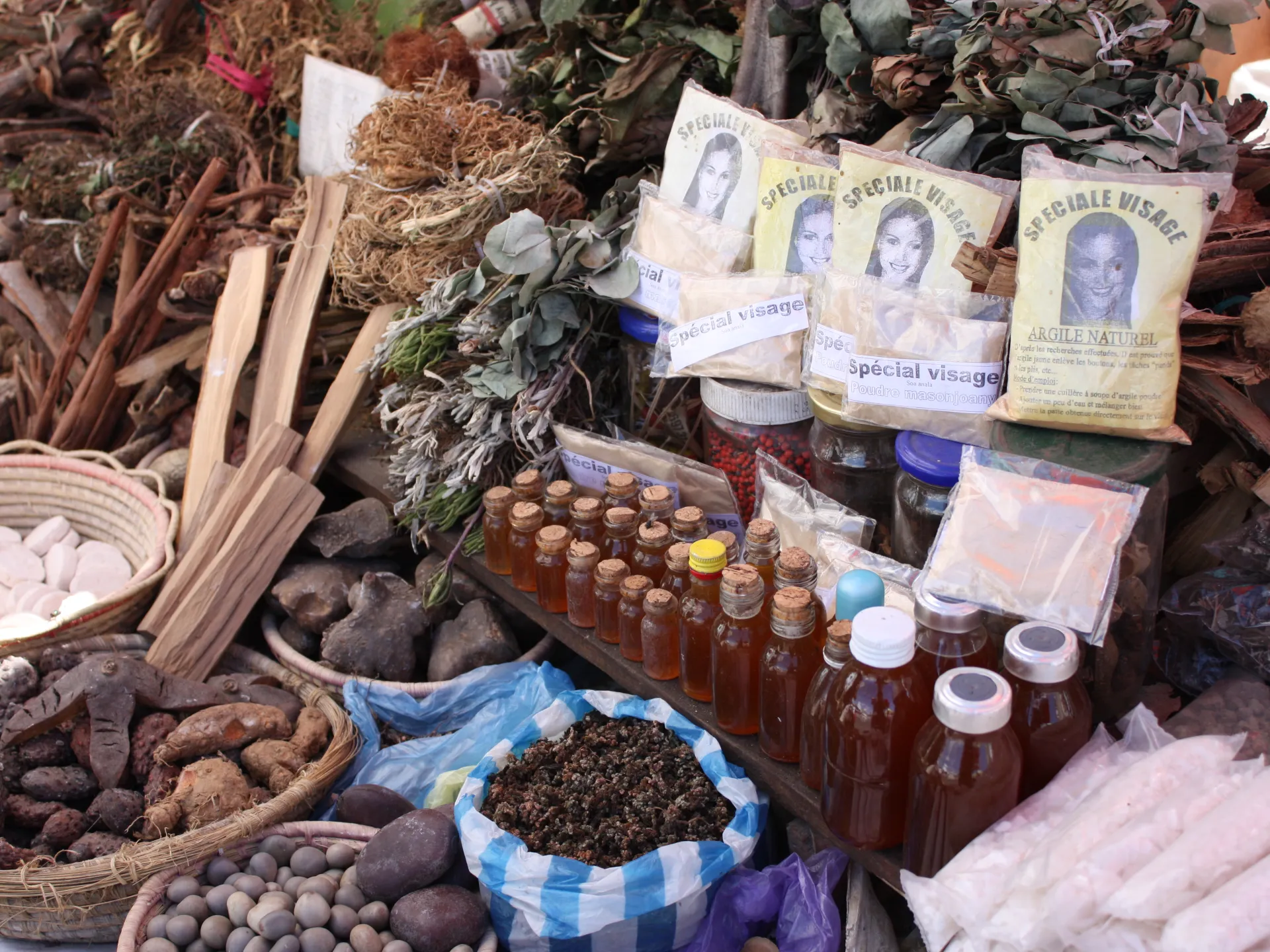
That caused some consternation, especially as this was a doctor, a highly trained specialist, sharing such a sentiment. After the conference ended on the third day, we struck up a conversation about his struggles, including his proposal to experiment with herbal medicines. That took us on a broad excursion around the Mediterranean basin and beyond, discussing the prevalence of herbal products as a complement to quality healthcare and as a means of improving access to health services for many more people.
The adherence to traditional medicine is a double-edged sword in Nigeria. It ensures healthcare is accessible to millions, yet it complicates service delivery due to safety gaps and a lack of formal integration with modern health systems.