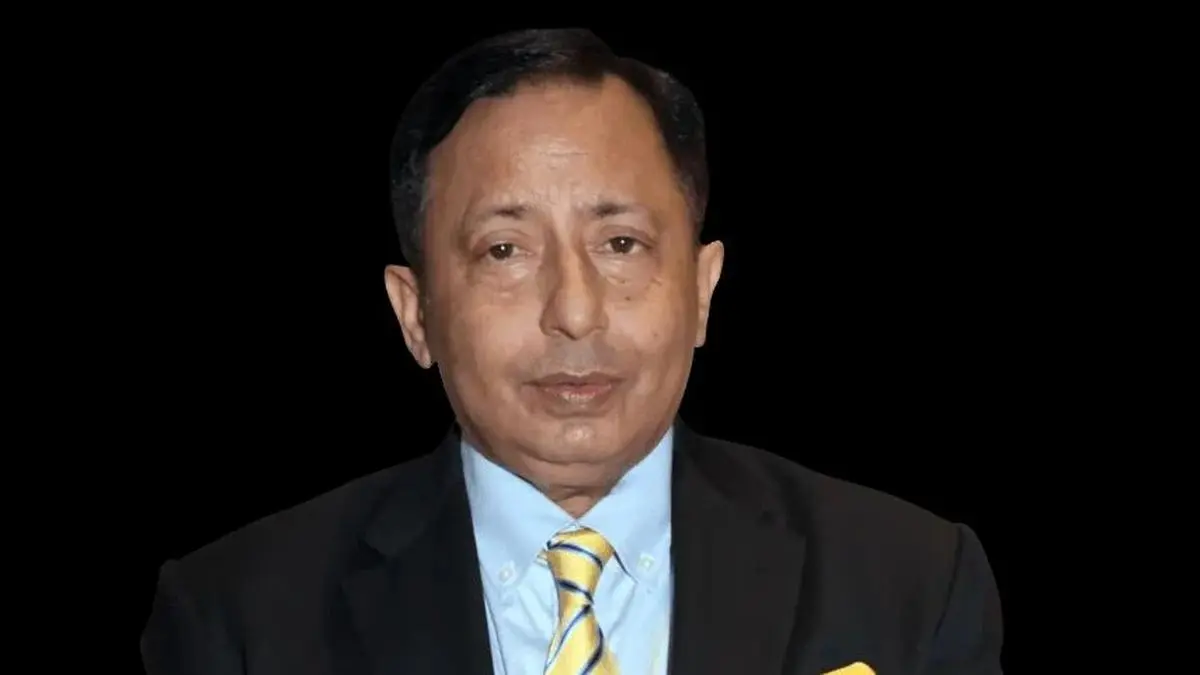
Supreme Infrastructure Ltd, once a highly leveraged Build-Operate-Transfer (BOT) infrastructure (toll road) developer, having now settled significant portion of its debt, is restructuring and transitioning back into an Engineering Procurement & Construction (EPC) contractor which it originally was.This transition reflects the company’s efforts to adapt to changing industry dynamics, strengthen its financial position, and build a sustainable growth platform said it’s independent director Pankaj Sharma in an interview. During the infrastructure expansion cycle between 2013 and 2015, Supreme Infrastructure emerged as a rapidly growing mid-sized infrastructure company. It achieved annual turnover of approximately ₹2,100–2,300 crore and actively participated in India’s highway development programme through 8–9 Build Operate Transfer (BOT) and toll road projects. A key asset in its portfolio was the Panvel–Indapur toll project, valued at approximately ₹1,000–1,100 crore. Supreme’s growth was supported by a backward-integrated execution model, with ownership of mining operations, stone crushing units, concrete batching plants, hot mix plants, and a large fleet of construction equipment. This integrated approach provided greater control over costs, quality, and project execution.However, from 2017 onwards, the slowdown in the infrastructure sector and tightening liquidity conditions created significant challenges for BOT-focused developers. Supreme’s expansion-led model became increasingly difficult to sustain amid rising debt levels, delayed asset monetisation, and constrained access to funding.Total lender exposure reportedly exceeded ₹2,000 crore, leading the company into a prolonged restructuring and settlement phase.In response, Supreme initiated a comprehensive turnaround strategy centred on debt reduction, operational stabilisation, and financial discipline. The company undertook asset monetisation, negotiated lender settlements, implemented cost optimisation measures, and received continued promoter support through capital infusion and strategic commitment.Its business philosophy shifted from aggressive expansion to selective growth, prioritising quality of orders, prudent capital allocation, stronger governance, and risk management.The debt resolution process has progressed substantially, with approximately 85% of settlement obligations completed and ₹395.57 crore deposited toward settlements. The remaining liability of about ₹126.43 crore is expected to be cleared shortly, potentially making the company debt-free.“The debt stress we experienced was a consequence of the broader infrastructure slowdown and the challenges associated with highly leveraged BOT assets across the sector,” Mr Sharma said.“At its peak, our lender exposure exceeded ₹2,000 crore. Over the last few years, we have worked systematically with lenders, monetised assets, strengthened operations, and maintained promoter commitment to restore financial stability,” he said. Stating that today nearly 85% of its settlement obligations have been completed, he said the company was approaching the final stage of becoming debt-free.This journey has transformed Supreme Infrastructure. “We have shifted from aggressive expansion to a model built on financial discipline, selective project acquisition, execution excellence, and sustainable growth,” Mr Sharma said.“With a strengthening order book, marquee commercial projects, and opportunities across EPC, redevelopment, and urban infrastructure, we believe our second innings has begun,” he emphasised.“The foundation is now stronger, the balance sheet healthier, and our focus remains on creating long-term value through disciplined execution and responsible growth,” Mr Sharma stated.Today, Supreme Infrastructure is repositioning itself as an execution-focused EPC and construction player with reduced exposure to long-gestation BOT projects. Its focus areas include residential and commercial developments, redevelopment projects, warehousing and PEB infrastructure, EPC contracts, and mining activities. Supported by an order book exceeding ₹500 crore, a growing project pipeline, and potential upside from arbitration claims, the company is pursuing a second innings built on financial prudence, sustainable growth, and long-term value creation.
Supreme Infra rebuilds itself, transitions from highly leveraged BOT player to EPC contractor
Supreme Infra transitions from a leveraged BOT model to a disciplined EPC contractor, prioritizing financial stability and sustainable growth.
558 words~3 min read