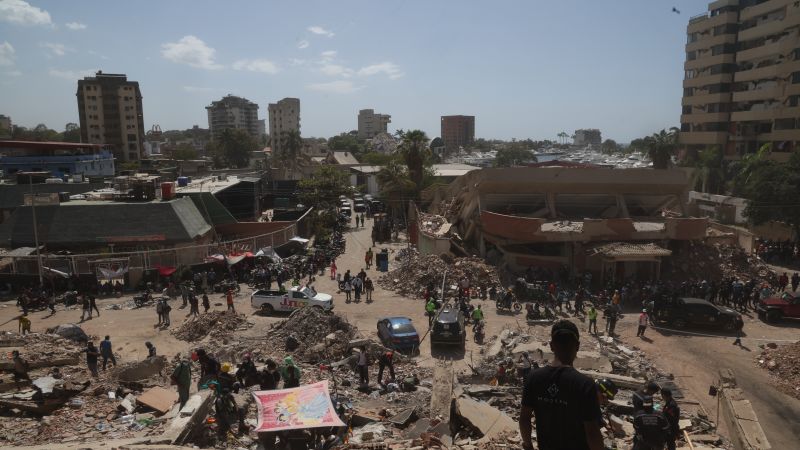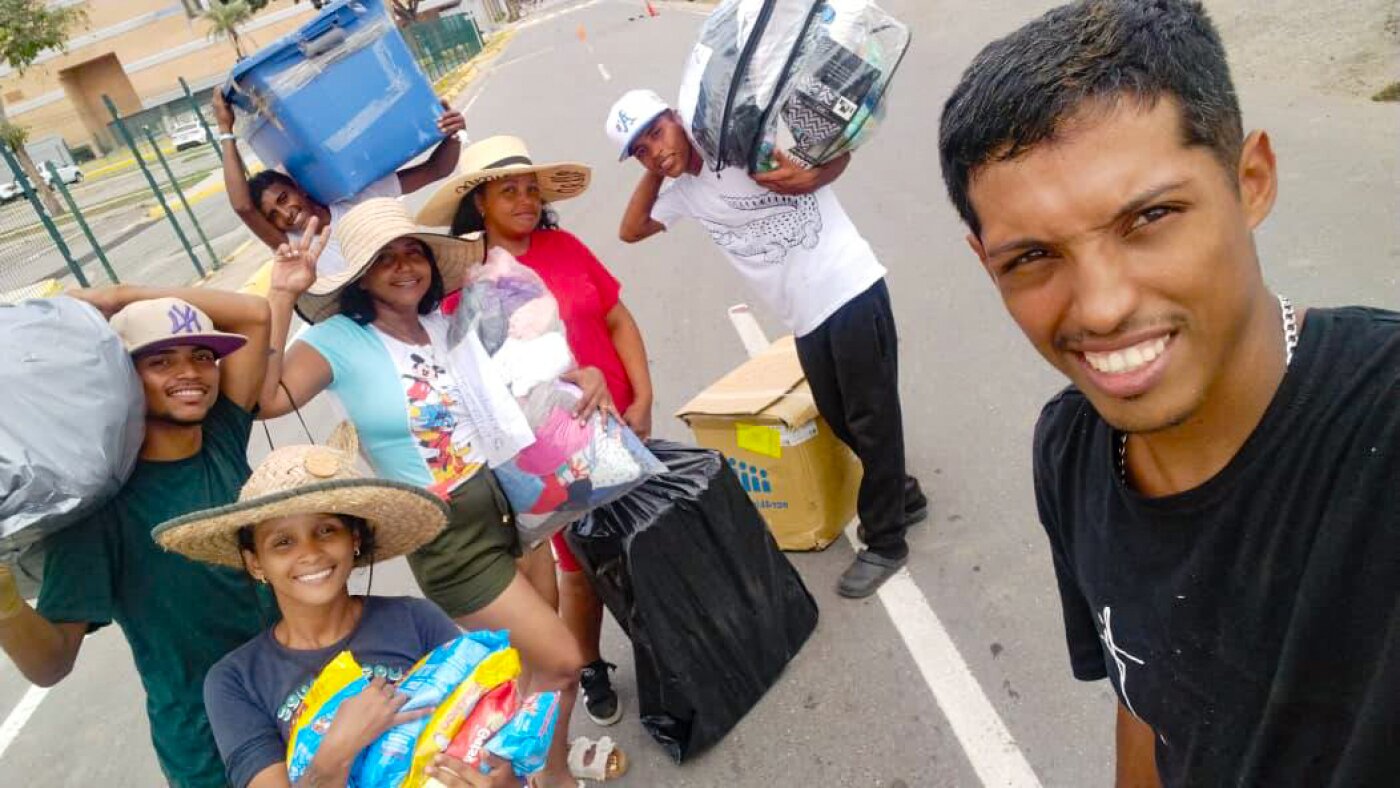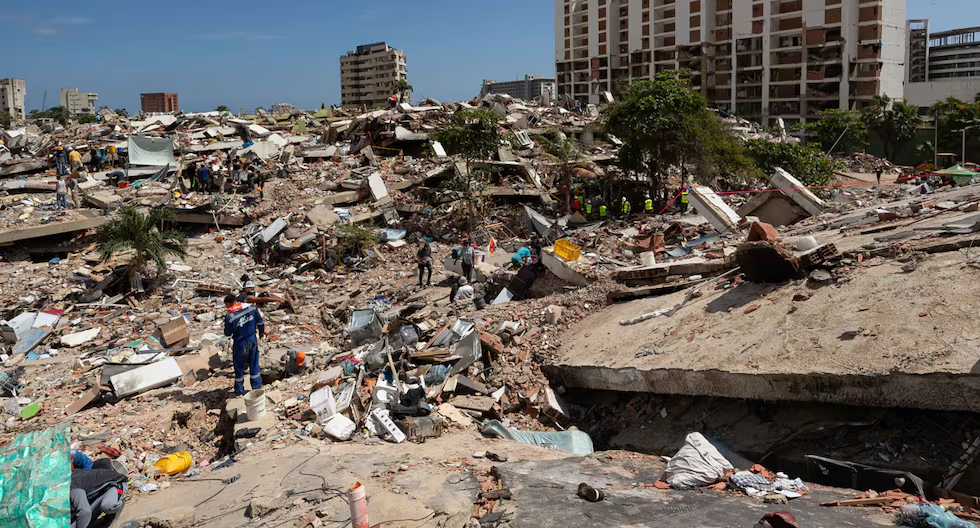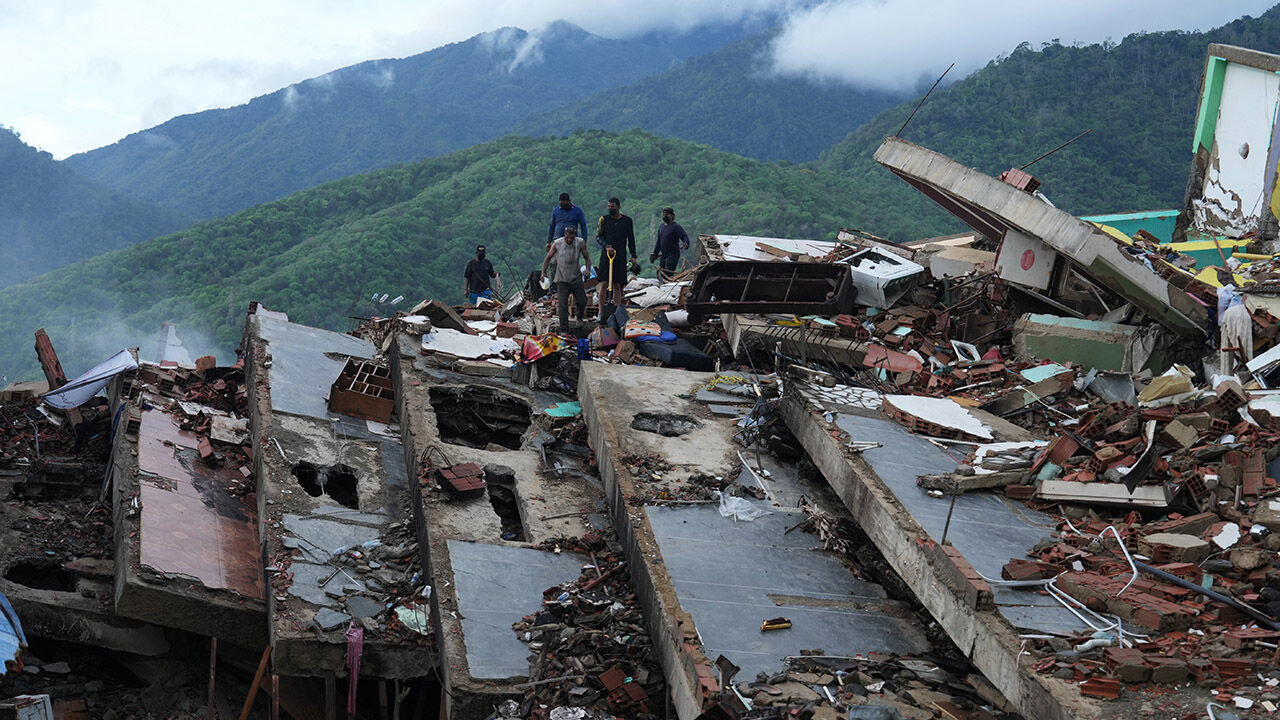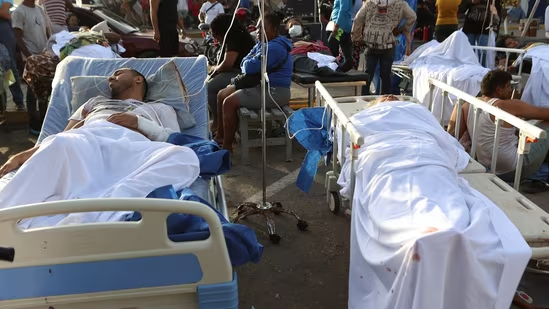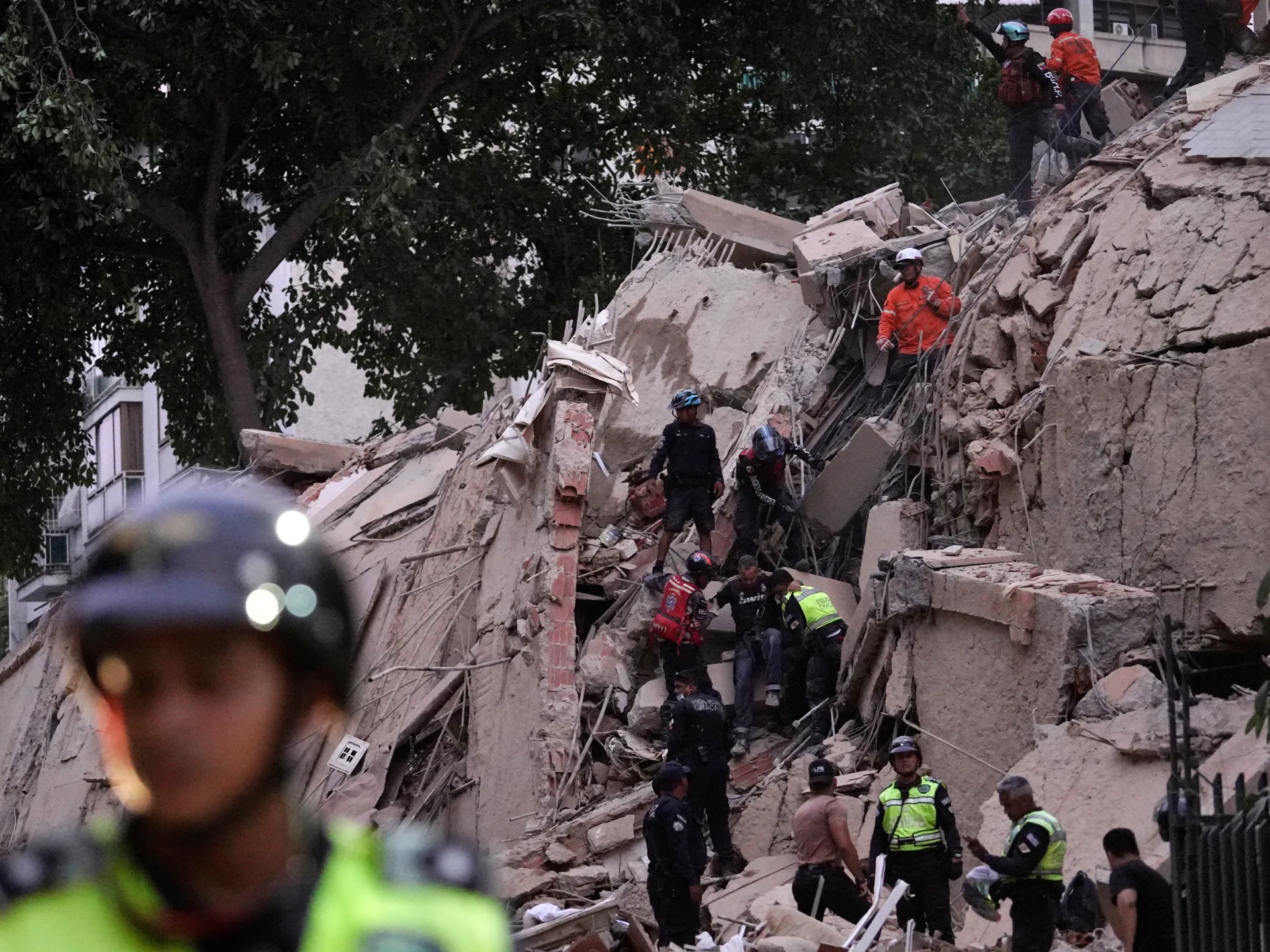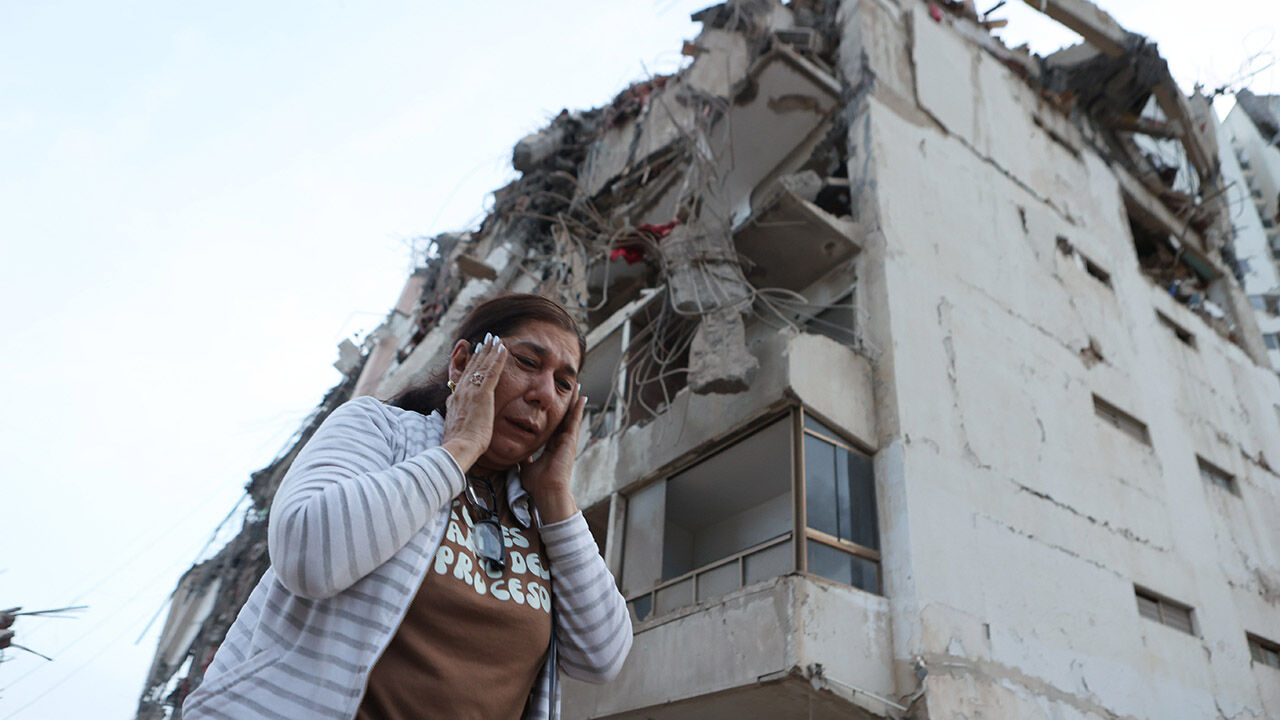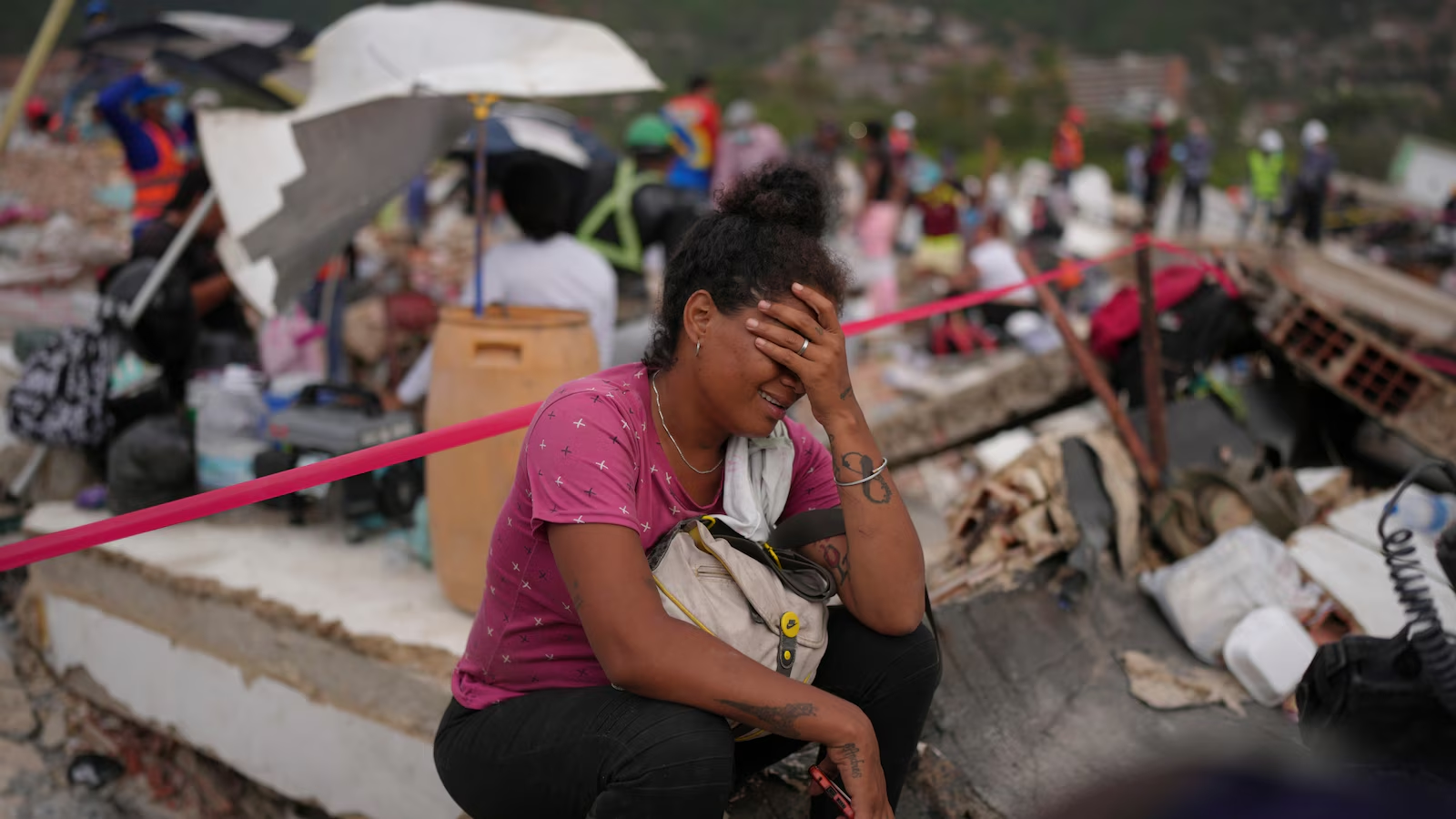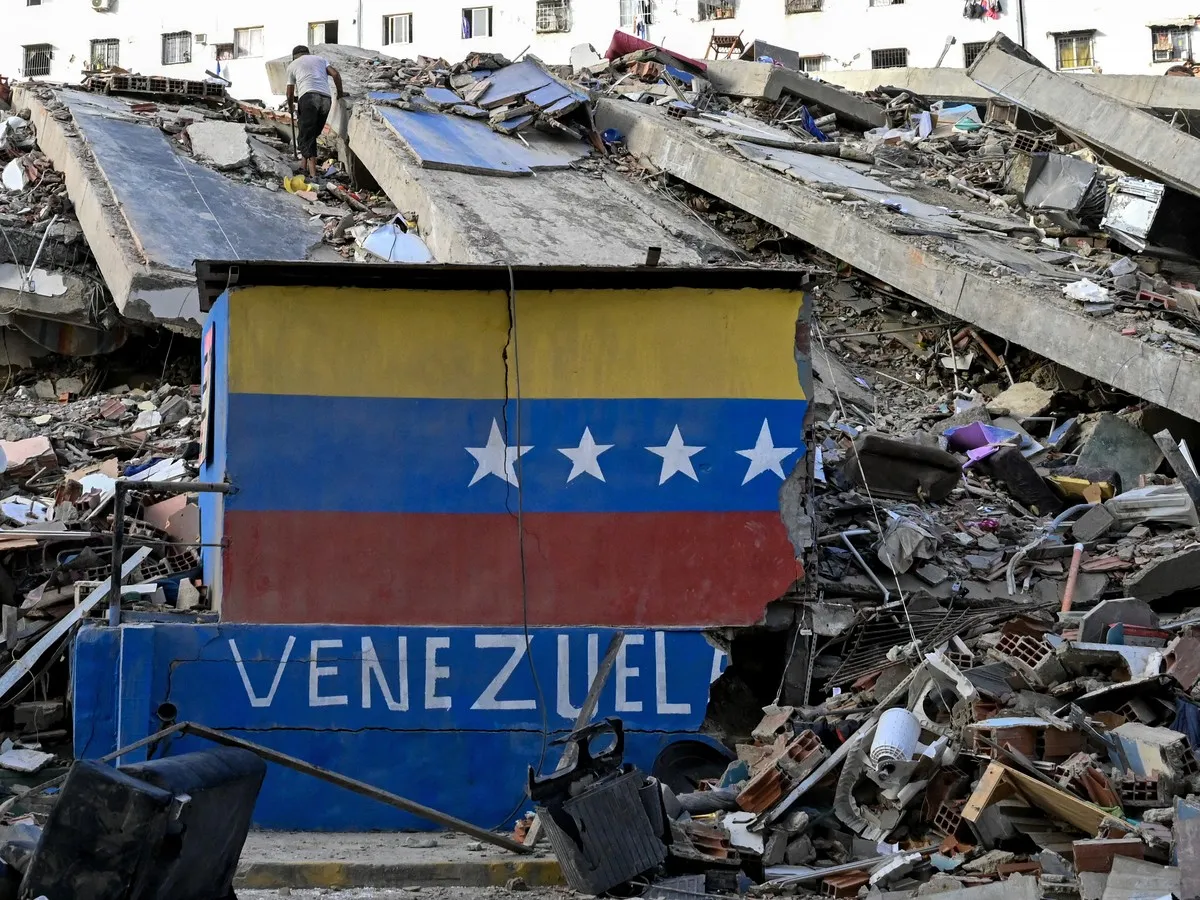
Skip to Content Subscribe Our Offers My Account Manage My Subscriptions FAQ Newsletters Canada Canadian True Crime Canadian Politics Health World Israel & Middle East Financial Post NP Comment Longreads Puzzmo Diversions Comics NP News Quiz New York Times Crossword Horoscopes Life Eating & Drinking Style Sponsored Play for Ontario Travel Travel Canada Travel USA Travel International Cruises Travel Essentials Culture Books Celebrity Movies Music Theatre Television Business Essentials Advice Lives Told Tails Told Shopping Buy Canadian Home Living Outdoor Living Kitchen & Dining Tech Style & Beauty Personal Care Entertainment & Hobbies Gift Guide Travel Guide Amazon Prime Day Deals Savings National Post Store More Sports Hockey Baseball Basketball Football Soccer Golf Tennis Driving Vehicle Research Reviews News Gear Guide Obituaries Place an Obituary Place an In Memoriam Classifieds Place an Ad Celebrations Working Business Ads Archives Healthing Epaper Manage Print Subscription Profile Settings My Subscriptions Saved Articles My Offers Newsletters Customer Service FAQ Newsletters Canada World Financial Post NP Comment Longreads Puzzmo Diversions Life Shopping Epaper Manage Print Subscription HomeNewsWorldVenezuela quakes push fragile health system to the brinkThe earthquakes are testing a healthcare system weakened by years of economic collapse, shortages and the exodus of medical workers You can save this article by registering for free here. Or sign-in if you have an account.A Venezuelan flag is seen painted on a damaged wall amid the rubble of a collapsed building following earthquakes in Caraballeda, La Guaira state, Venezuela, on June 26, 2026. Photo by MARYORIN MENDEZ /AFP via Getty ImagesEarthquake victims are overwhelming healthcare centres in Venezuela’s coastal state of La Guaira and beyond, pushing an already fragile health system past its limits.Enjoy the latest local, national and international news.Exclusive articles by Conrad Black, Barbara Kay and others. Plus, special edition NP Platformed and First Reading newsletters and virtual events.Unlimited online access to National Post.National Post ePaper, an electronic replica of the print edition to view on any device, share and comment on.Daily puzzles including the New York Times Crossword.Support local journalism.Enjoy the latest local, national and international news.Exclusive articles by Conrad Black, Barbara Kay and others. Plus, special edition NP Platformed and First Reading newsletters and virtual events.Unlimited online access to National Post.National Post ePaper, an electronic replica of the print edition to view on any device, share and comment on.Daily puzzles including the New York Times Crossword.Support local journalism.Create an account or sign in to continue with your reading experience.Access articles from across Canada with one account.Share your thoughts and join the conversation in the comments.Enjoy additional articles per month.Get email updates from your favourite authors.Create an account or sign in to continue with your reading experience.Access articles from across Canada with one accountShare your thoughts and join the conversation in the commentsEnjoy additional articles per monthGet email updates from your favourite authorsSign In or Create an AccountorTwo powerful 7.2 and 7.5 earthquakes struck within a minute of each other on Wednesday evening, toppling buildings and severely damaging the country’s main international airport. By Friday afternoon, authorities reported nearly 3,400 injured people and a death toll approaching 1,000 nationwide. More than 200 aftershocks had occurred.The first wave of patients was mainly survivors suffering crush injuries and multiple fractures after being pulled from collapsed buildings. But physicians warn the crisis is entering a more dangerous phase as people trapped for days beneath the rubble began arriving with kidney failure, crush syndrome and limbs that can no longer be saved. Skin infections, gastrointestinal illnesses and psychological trauma are expected to follow in the coming weeks.Get a dash of perspective along with the trending news of the day in a very readable format.By signing up you consent to receive the above newsletter from Postmedia Network Inc.A welcome email is on its way. If you don't see it, please check your junk folder.The next issue of NP Posted will soon be in your inbox.We encountered an issue signing you up. Please try againThe earthquakes are testing a healthcare system weakened by years of economic collapse, shortages and the exodus of medical workers.“This new national tragedy strikes while Venezuela remains in a prolonged humanitarian emergency,” said Huníades Urbina, a pediatric intensive care physician and member of Venezuela’s National Academy of Medicine. “We already lacked the capacity to care for patients on an ordinary day. Imagine what happens when hundreds of people emerge from collapsed buildings needing emergency treatment.”According to Urbina, public hospitals entered the disaster with shortages of emergency supplies and surgical material, about half the hospital beds they once had, and radiology equipment that is largely obsolete or no longer functioning. Around 30% of the country’s physicians and 70% of its nurses have left Venezuela over the past decade, he said, citing figures from the Venezuelan Medical Federation.The shortages are evident inside La Guaira’s healthcare centres. At one outpatient clinic on Thursday, electricity was available only through a backup generator powering the vaccine refrigerator. Patients were lying on mattresses, benches and the parking lot pavement because treatment rooms were full, while doctors improvised additional care areas outside the building.Venezuela’s healthcare system was struggling long before the earthquakes, said Jaime Lorenzo, director of the nonprofit organization Médicos Unidos de Venezuela. Patients routinely pay out-of-pocket for diagnostic tests and are often expected to bring their own medical supplies.At Ricardo Baquero González Hospital in Caracas, nurses, physicians and medical students worked through the night after the earthquakes. The hospital had only 12 nurses on duty, but “they multiplied themselves by 10,” Lorenzo said.By 10 p.m. Wednesday, just four hours after the quakes, the hospital had exhausted critical supplies, including elastic bandages and tetanus vaccines. Residents began arriving with whatever they could spare, including one man who donated diapers that had belonged to his late mother.“In the first phase, the donations came from Venezuelans themselves,” Lorenzo said.In La Guaira, healthcare centres improvised medical tents and mobile units, while humanitarian organizations rushed supplies to overwhelmed facilities.One such group is Project HOPE, which accelerated deliveries that would normally be spread over several weeks. It sent 15 to 20 pallets of medicines, equipment and emergency supplies Friday to hospitals and outpatient centres in La Guaira and the neighboring Miranda state.“The demand has been extraordinarily high since Thursday night,” said César Jiménez, Project HOPE’s grants and projects manager in Venezuela. “We’re increasing the volume of supplies we normally distribute and bringing them forward because hospitals need them now.”In Caracas hospitals, physicians are increasingly treating survivors suffering the consequences of prolonged entrapment beneath collapsed buildings. Many arrive severely dehydrated after spending days without food or clean water, developing rhabdomyolysis — a condition in which damaged muscle tissue releases toxins into the bloodstream — leading to acute kidney failure. Others require amputations after crushed limbs lose their blood supply.Doctors have also begun organizing outside hospital walls. Volunteer physicians are offering free telemedicine consultations through social media for minor ailments in an effort to reduce pressure on emergency rooms, while psychiatrists are publishing guidance to help survivors cope with anxiety and trauma.In hospitals, doctors compile handwritten lists of patients who were admitted and post them on entrances to help families who are searching for missing relatives. Isabel González-Bocco, a Venezuelan physician living in Boston, has been collecting such records and other information from doctors, journalists and patients’ relatives before digitizing them into spreadsheets that have become one of the main tools families use to locate loved ones.“Everything is being managed by civilians,” González-Bocco said.Her registry contained about 3,000 hospitalized patients by Friday afternoon, though she cautioned the number remains incomplete because many victims arrived without identification documents. The dead retrieved from collapsed buildings are taken directly to morgues.Meanwhile, an opposition-run platform listed more than 60,000 people as missing as of Friday.Some private hospitals have also opened their doors free of charge. One Caracas clinic treated more than 20 earthquake victims Wednesday night but had received only two by Friday, both transferred from La Guaira. Traumatologists and surgeons volunteered to reinforce emergency departments.Doctors say the burden on hospitals is likely to shift rather than disappear.“We worked with whatever we had,” Lorenzo said after finishing his shift at the Ricardo Baquero González Hospital. “But we received every patient who arrived — and they are still arriving.”Our website is the place for the latest breaking news, exclusive scoops, longreads and provocative commentary. Please bookmark nationalpost.com and sign up for our daily newsletter, Posted, here. Join the Conversation This website uses cookies to personalize your content (including ads), and allows us to analyze our traffic. Read more about cookies here. By continuing to use our site, you agree to our Terms of Use and Privacy Policy.
Venezuela quakes push fragile health system to the brink
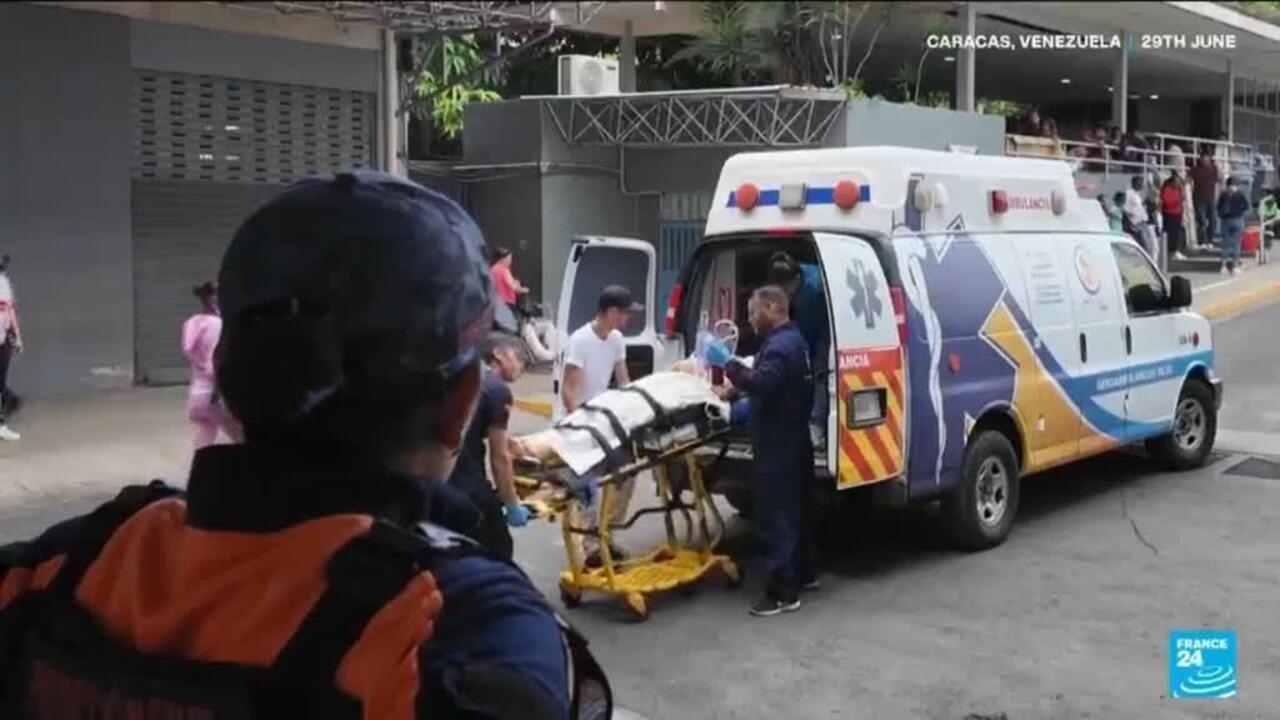
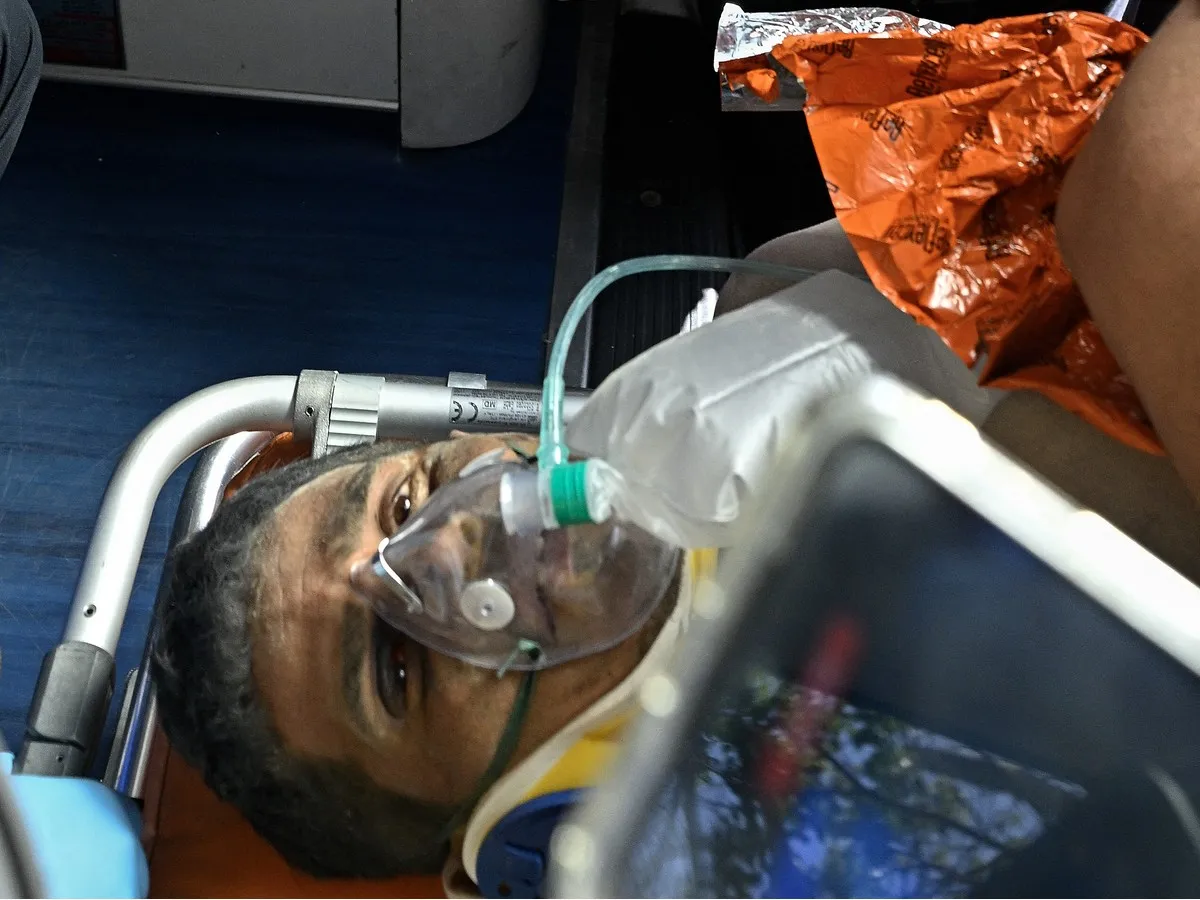
In Caracas hospitals, physicians are increasingly treating survivors suffering from prolonged entrapment beneath collapsed buildings.
1,431 words~7 min read