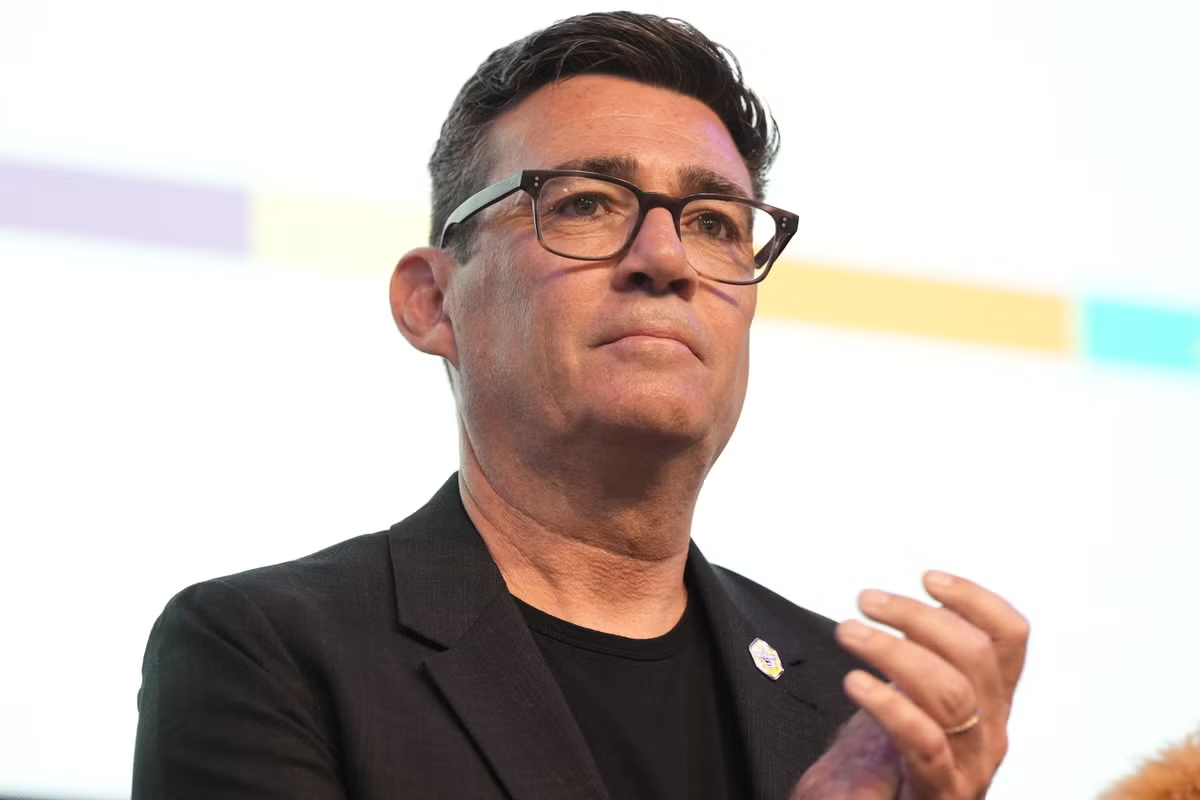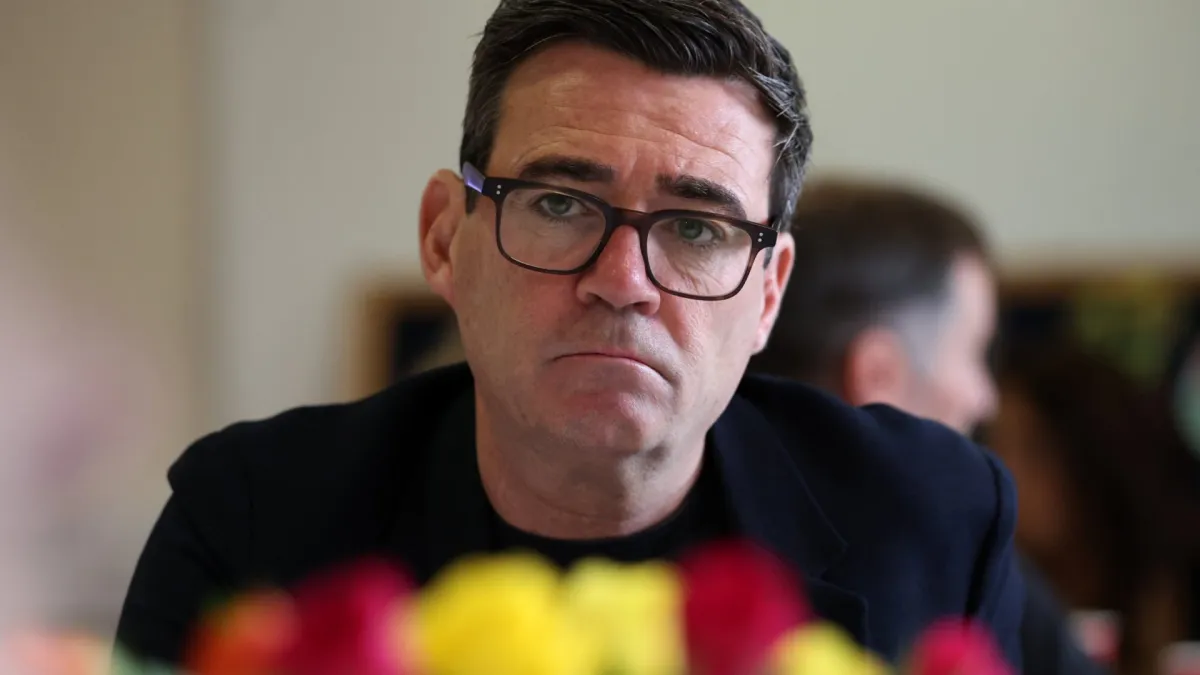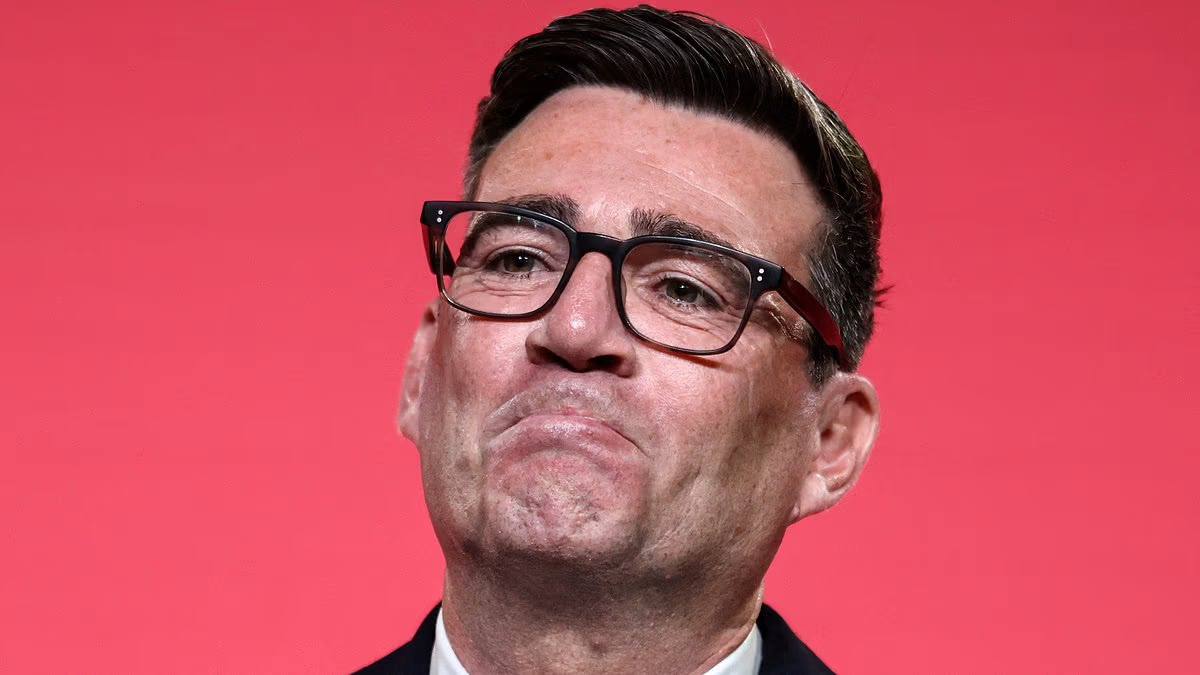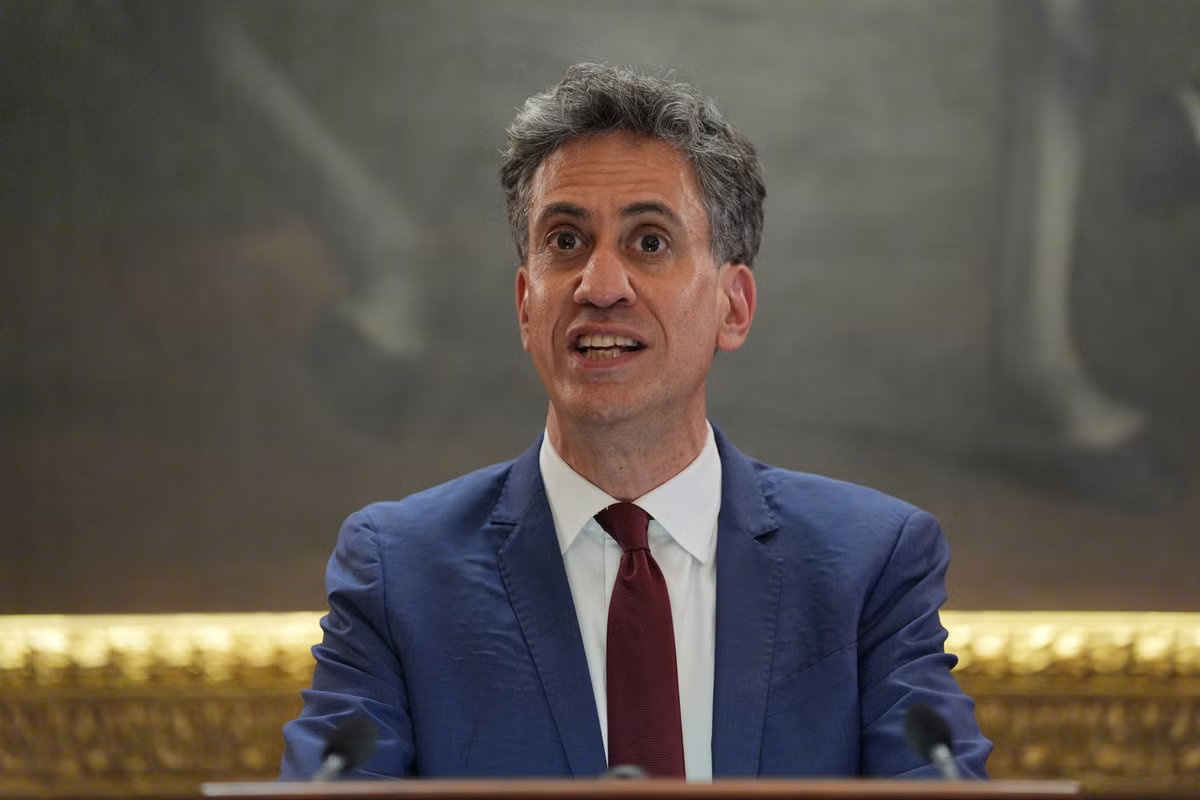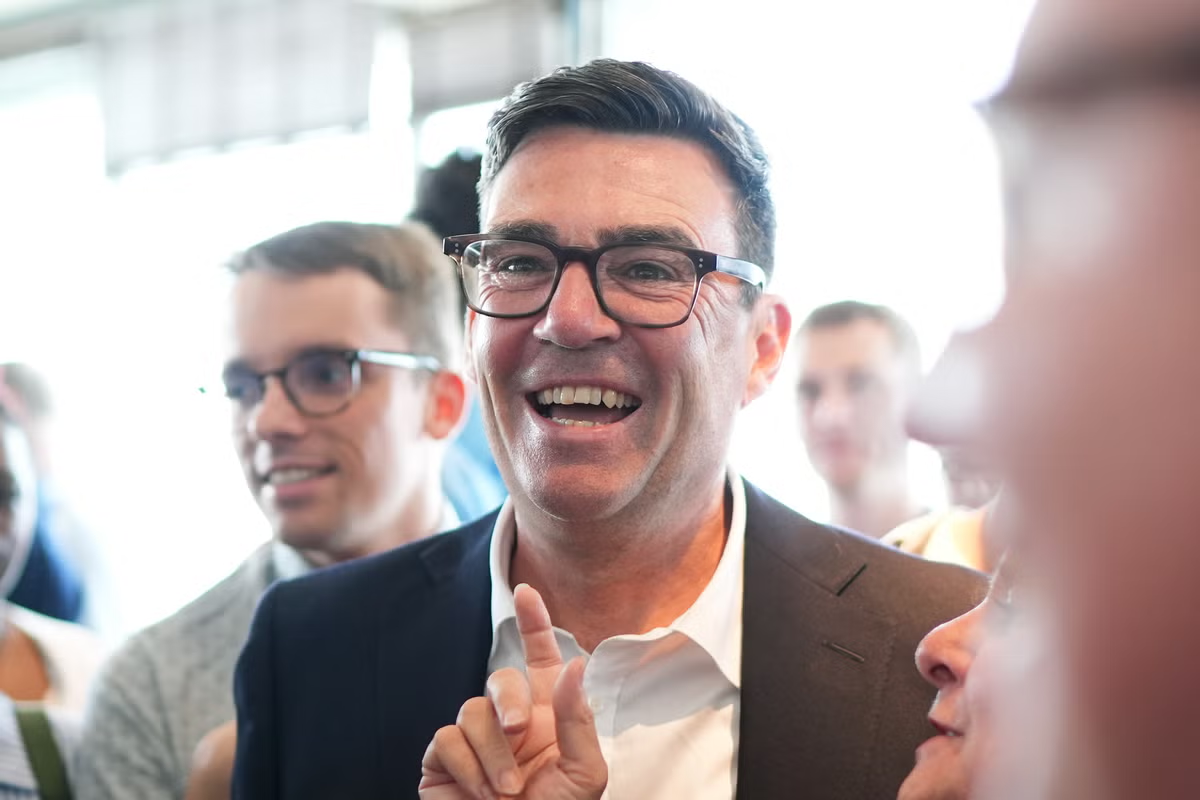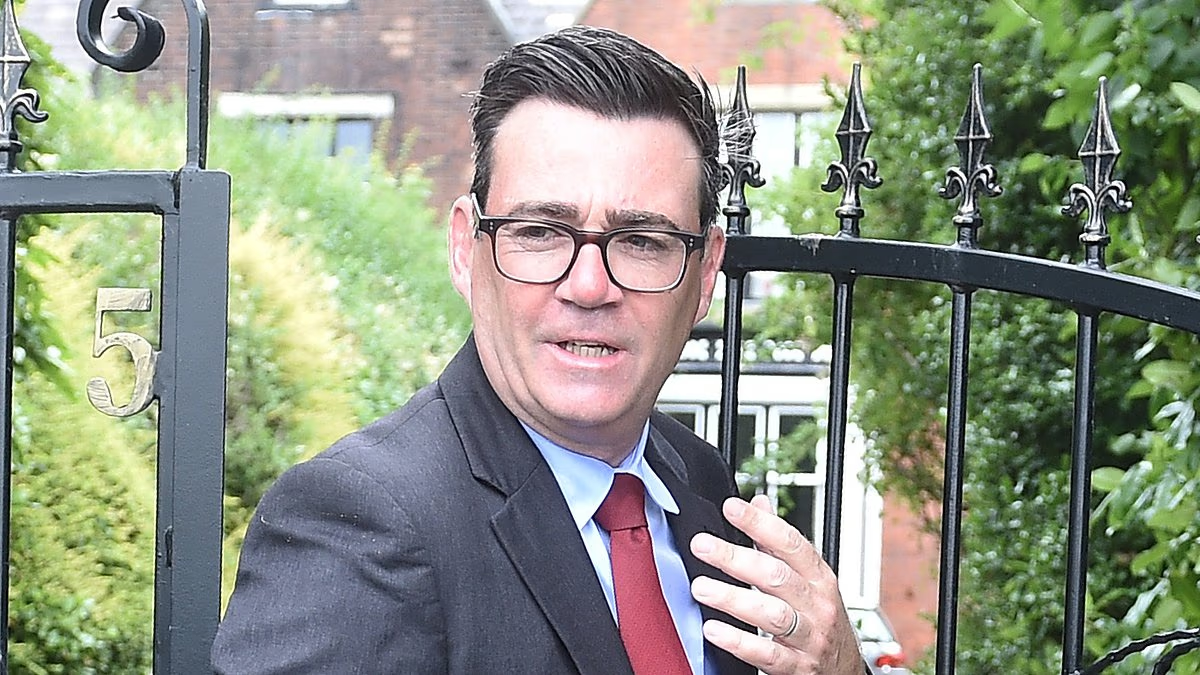
A former top No 10 adviser says Prime Minister hopeful Andy Burnham should reverse £1billion in foreign aid cuts if he gets into power and restore Britain to its position as a leader in the field.Tom Fletcher, 51, who served for three PMs and now heads the United Nations' humanitarian efforts, suggested foreign aid should be put before defence spending because it was more important.Speaking today, the former British ambassador to Lebanon said that while the UN 'doesn't have any specific advice for Andy Burnham or for anyone else' his personal advice was 'having worked in No 10 for three different prime ministers, the key is normally not to rush the things that need to be taken slowly and not to go too slowly on the things that need to move fast - and then to reverse the aid cuts'.Mr Fletcher, who has previously won high praise from both Gordon Brown and his successor across the political divide David Cameron, told BBC Radio 4's Today programme, that the foreign aid budget, which was slashed by Labour, should be reinstated to save millions of lives.Currently, following further cuts by foreign secretary Yvette Cooper this year, the government's foreign aid spending has hit its lowest level for nearly two decades, drawing sharp criticism from many humanitarian organisations'We need to show solidarity for the world right now,' said Mr Fletcher, who advised Tony Blair, Gordon Brown and David Cameron on foreign policy and Northern Ireland, and has headed UN emergency relief efforts since 2024.'I'm determined to save 87 million lives this year. That's more people than died in the Second World War.'All I need to do that is 1 per cent of what the world is currently spending on guns, defence, the drones that are killing my colleagues out there.' Former No 10 adviser Tom Fletcher pictured during a UN security council meeting on June 18 Andy Burnham, the newly elected MP for Makerfield pictured outside his house in Warrington, Cheshire, on June 27Mr Fletcher, who is currently heading UN efforts to help earthquake victims in Venezuela, said foreign aid was 'ultimately the first line of defence'.'All of us feel insecure because we are all worried about the world but you can't leave these issues out there,' he insisted.'We have got to be out there saving lives and England has been a leader in this work traditionally and it's got to take this position back again.'Meanwhile, Mr Fletcher, who also served as Principal of his old Oxford college Hertford for four years before taking up his UN role, confirmed he was in 'very close touch with the White House team' to respond to this week's catastrophic earthquake following the recent administration change in Venezuela orchestrated by the US.He said: 'It is clear that the US want to be part of a big, visible response to this disaster.'What we see in natural disasters is that politics has been put to one side.'It is one of the extraordinary things about the mobilisation of aid at the moment that these teams are all working together. 'We need to mobilise the maximum impact we can and the next 24 hours is crucial.'In 2025, just over £13billion was allocated to official development assistance (ODA), equating to a spend of 0.43 per cent of gross national income.This was down £1billion year on year when the 2024 budget accounted for 0.5 per cent of national income.The last time a 0.43 per cent share was seen was in 2008 when £6.35billion was spent.Aside from reductions during the Covid years in 2021 and 2022, total aid allocations in 2025 fell to the lowest level since 2015, when just over £12billion was allocated. However, at the time, that represented 0.7 per cent of national income.The government currently plans to reduce aid further to just 0.3 per cent of national income by 2027, claiming this will fund an increase in defence spending although the long awaited defence spending plan has yet to be detailed.
Andy Burnham should reverse £1bn foreign aid cut when PM, adviser says
Tom Fletcher, 51, who served for three PMs and now heads the United Nation's humanitarian efforts, suggested foreign aid should be put before defence spending because it was more important.
660 words~3 min read