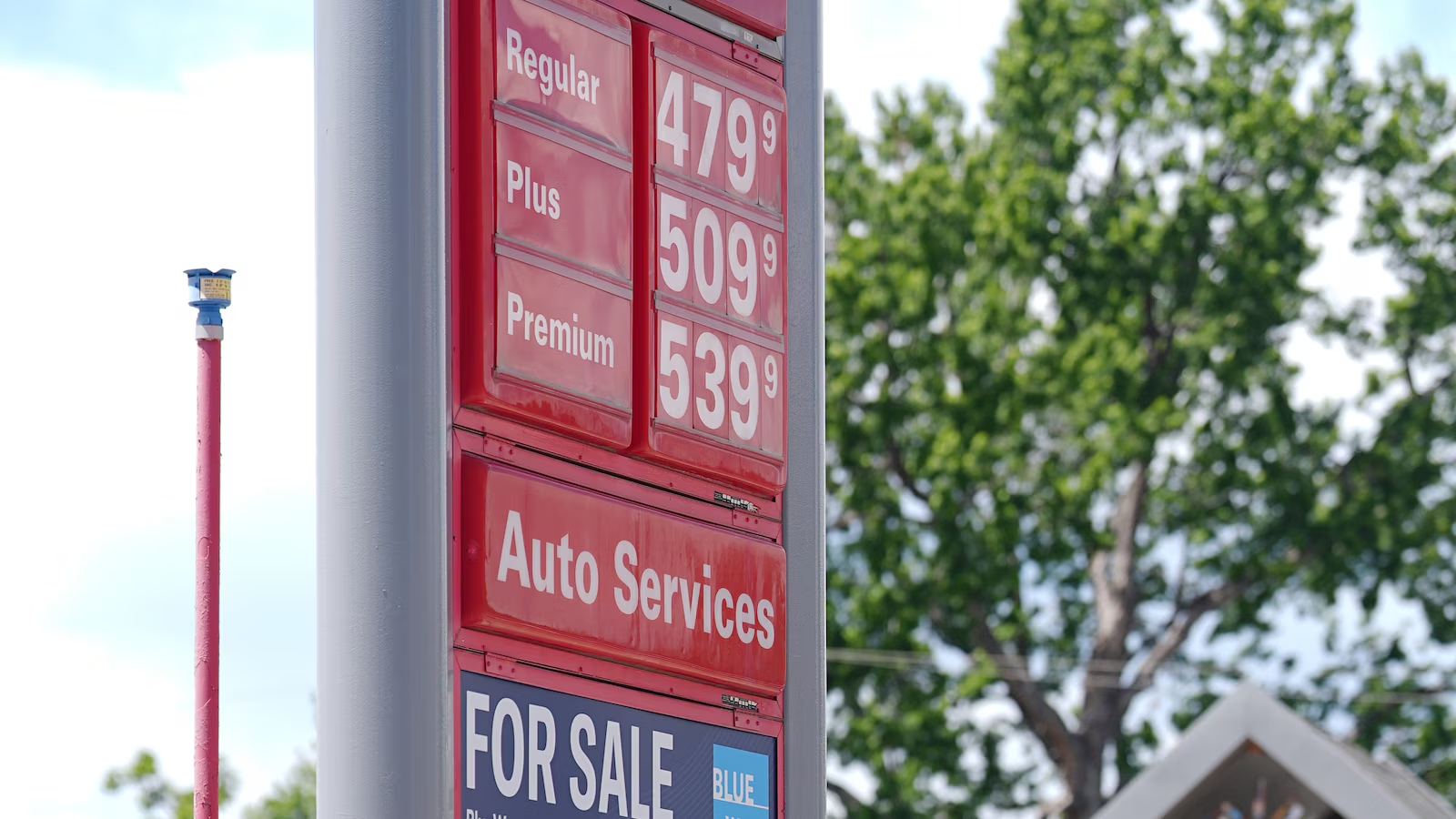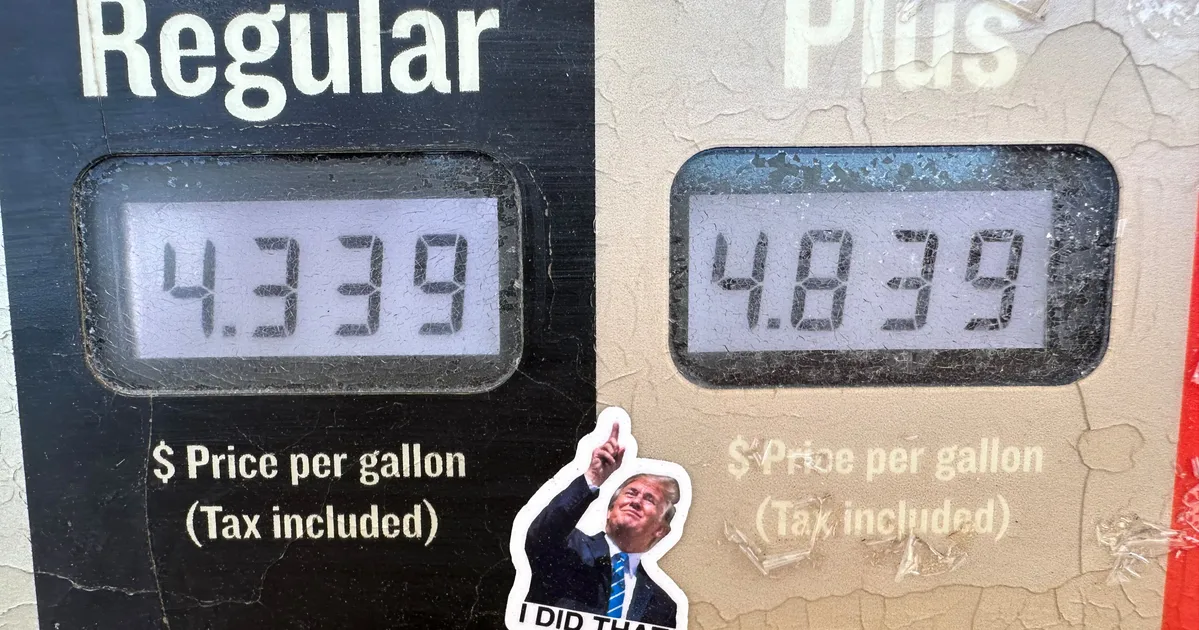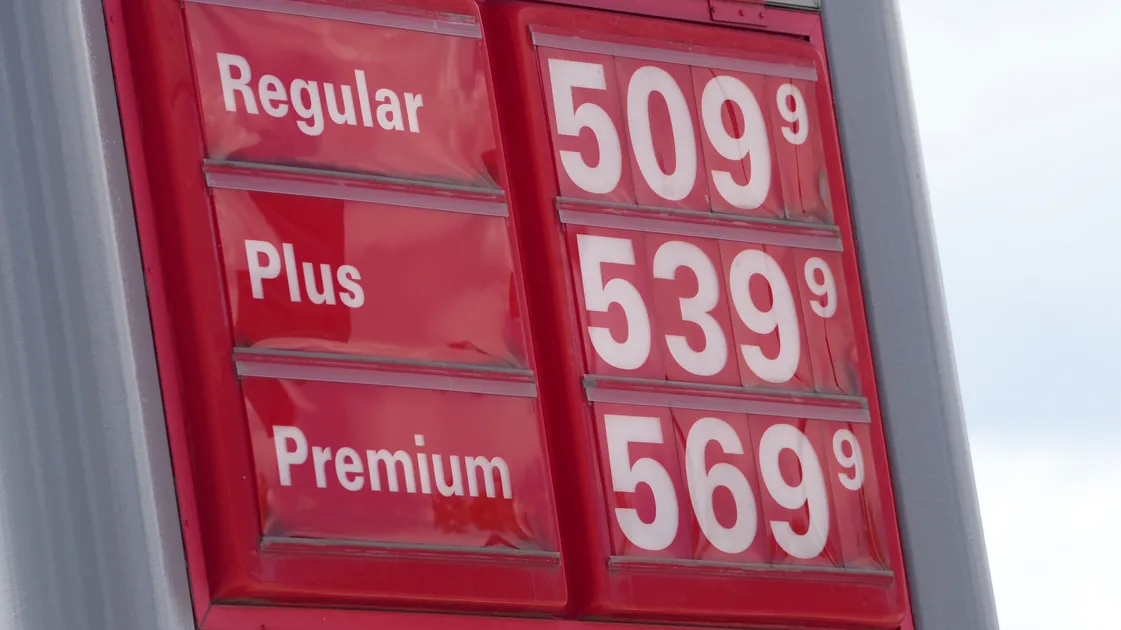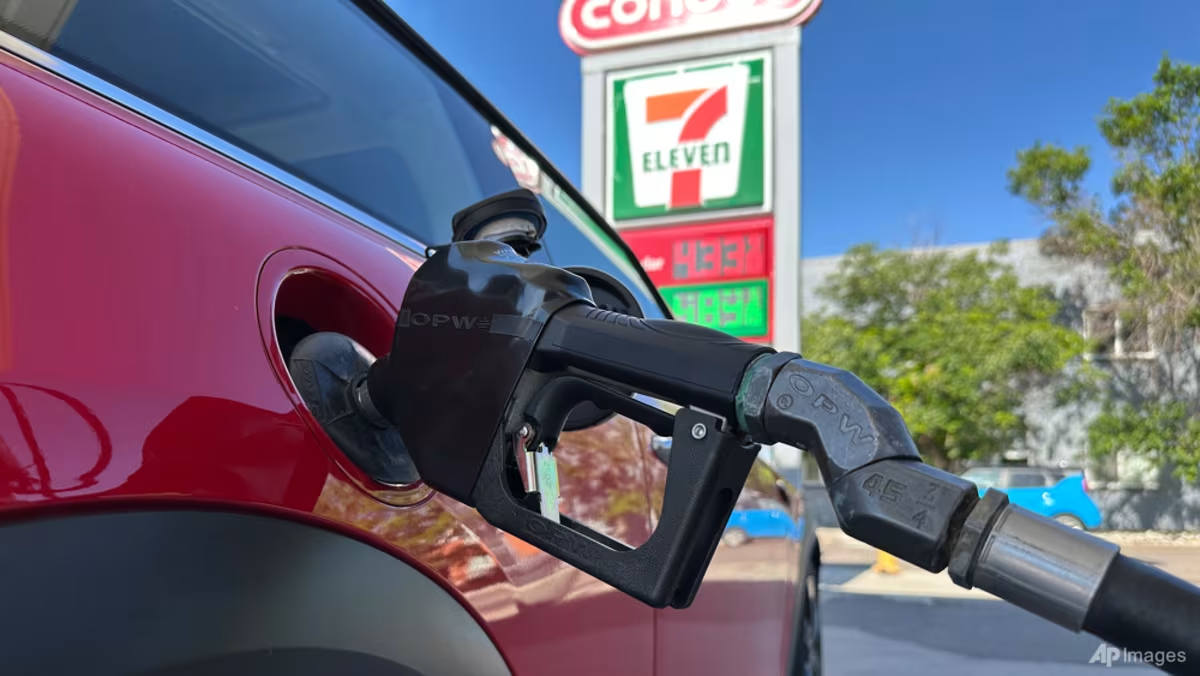
The economy, inflation and how those forces could impact the lives of Americans were front and center over the past week. Trips to the grocery store or gas station are more painful than they were last year, and rising costs are impacting the decisions of both households and businesses.Here’s a snapshot of prominent economic data and news that occurred over the past week and what it potentially means for you.Key inflation gauge jumps to 3-year highThe Federal Reserve’s preferred inflation gauge rose to a new three-year high in May as gas prices peaked, a sign rising costs could pose political problems for President Donald Trump and his political party as midterm elections near. Consumer prices rose 4.1% in May from a year earlier, the Commerce Department said Thursday, the largest annual increase since April 2023. On a monthly basis, inflation was 0.4% last month, matching April’s increase and down from 0.7% in March. The increase was largely driven by more expensive gas, as well as pricier semiconductors and other computer equipment that are in high demand for the AI buildout.
Apple raises prices as demand for chips drives costs upwardApple announced an increase in prices for Macs and iPads, citing a memory chip shortage brought on by the artificial intelligence boom. The company called the demand spike an “unprecedented challenge” for the consumer electronics industry. “We have never seen a component price increase this much, this quickly,” the company said in a written statement.The new, entry-level MacBook Neo will now cost $699, up from $599. The 512 gigabyte MacBook Air now costs $1,299, up from $1,099. The one terabyte MacBook Pro is $1,999, up from $1,699. The 128 gigabyte iPad Air is now $749, up from $599, while the 256 gigabyte iPad Pro Wifi is now $1,199, up from $999.