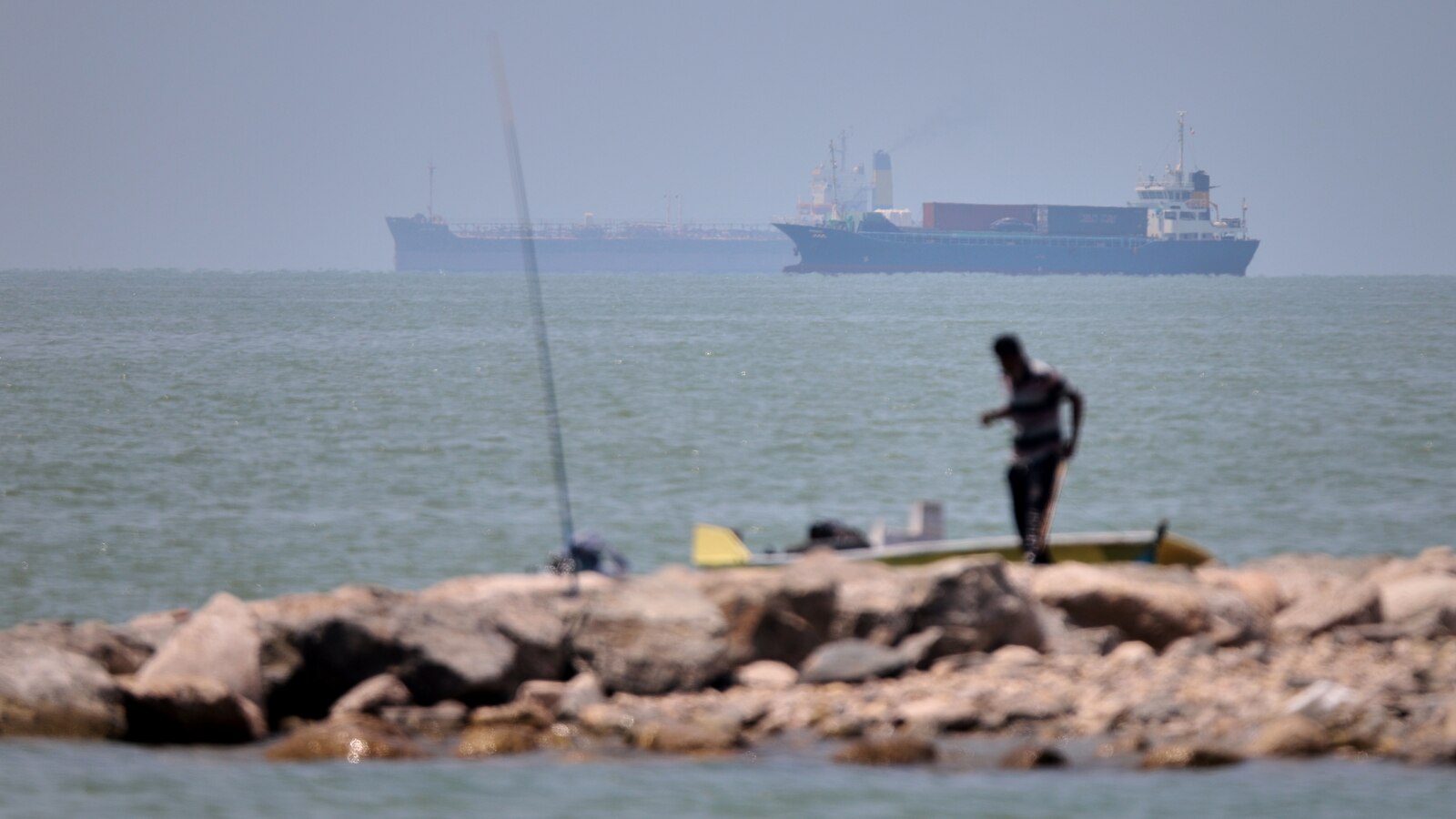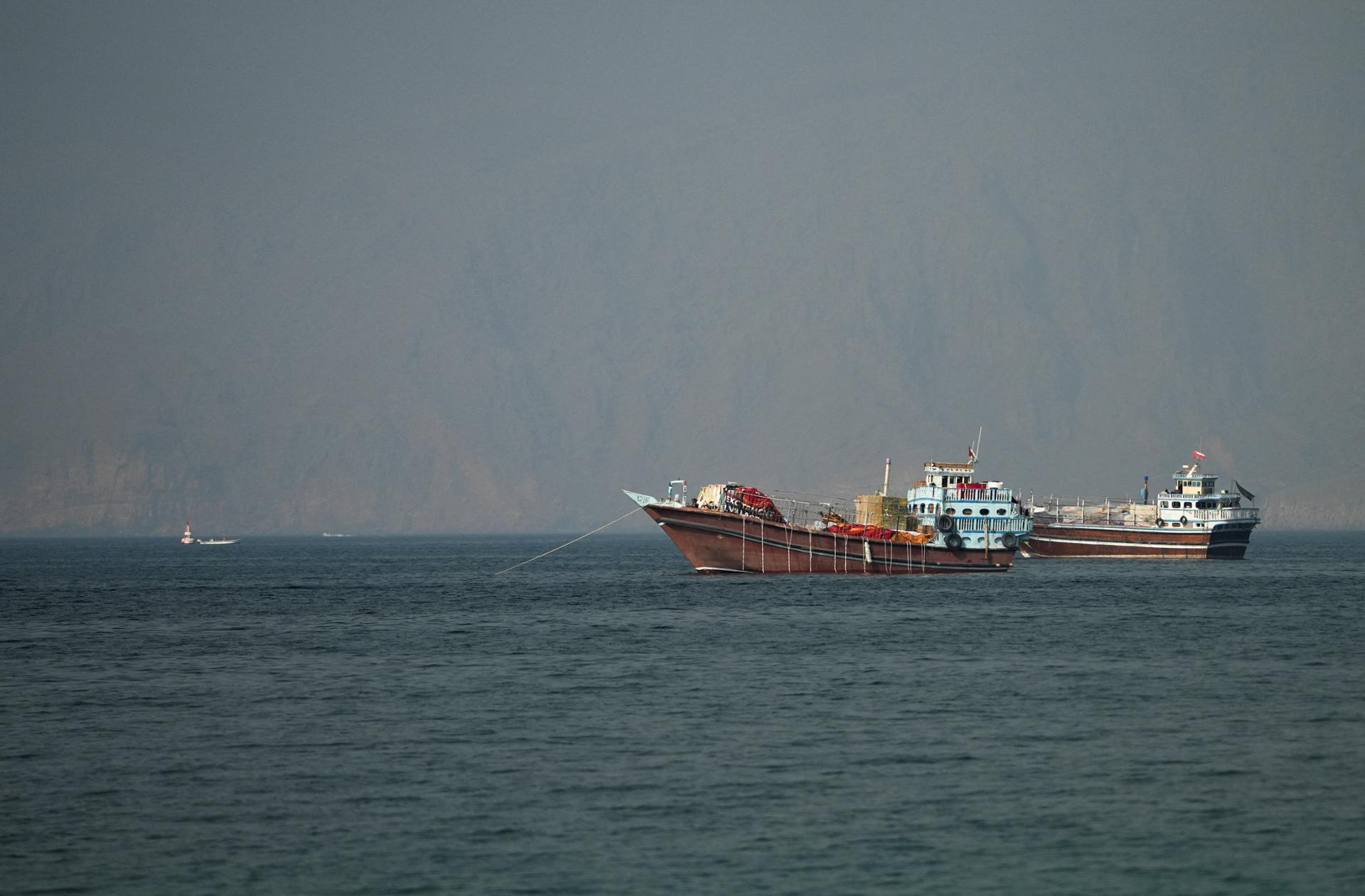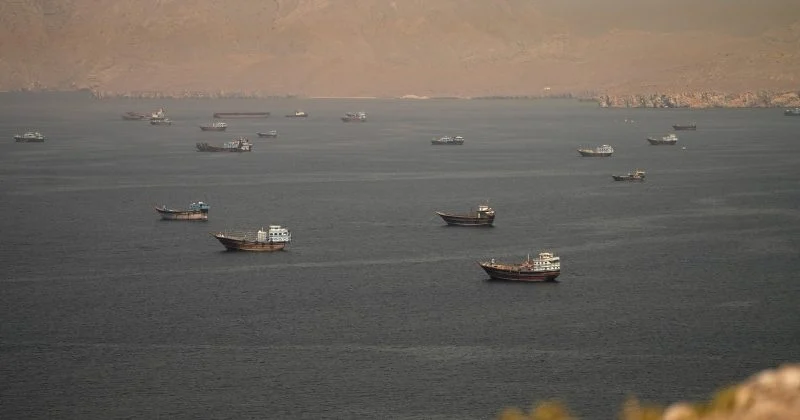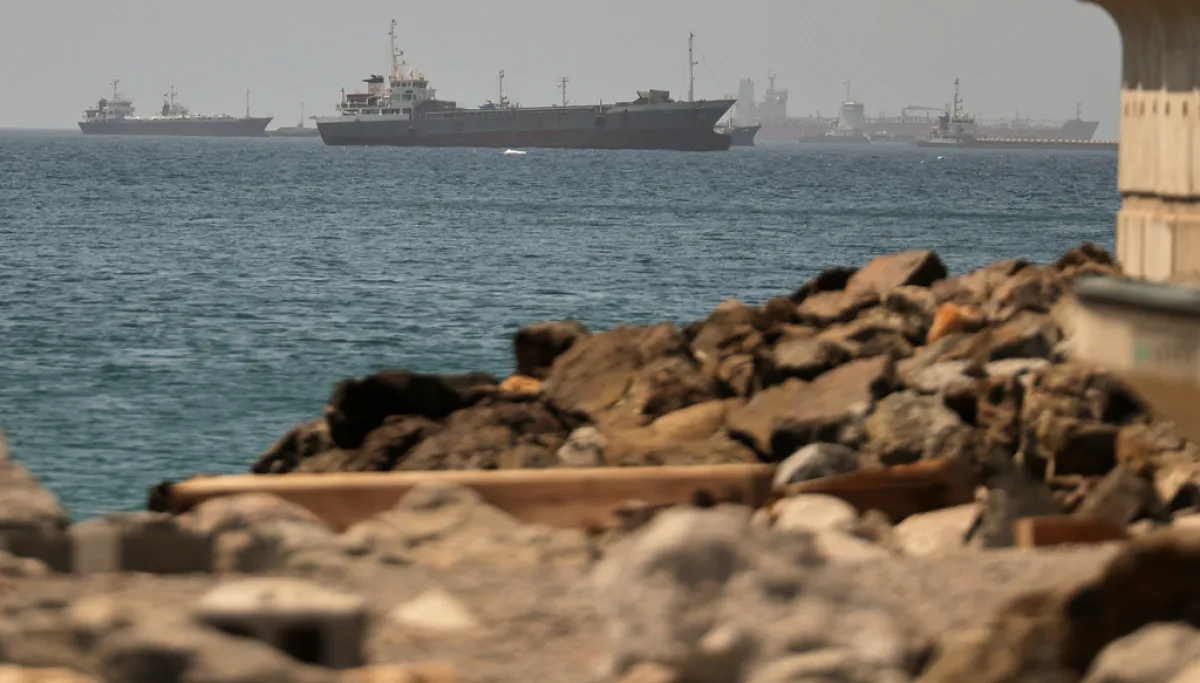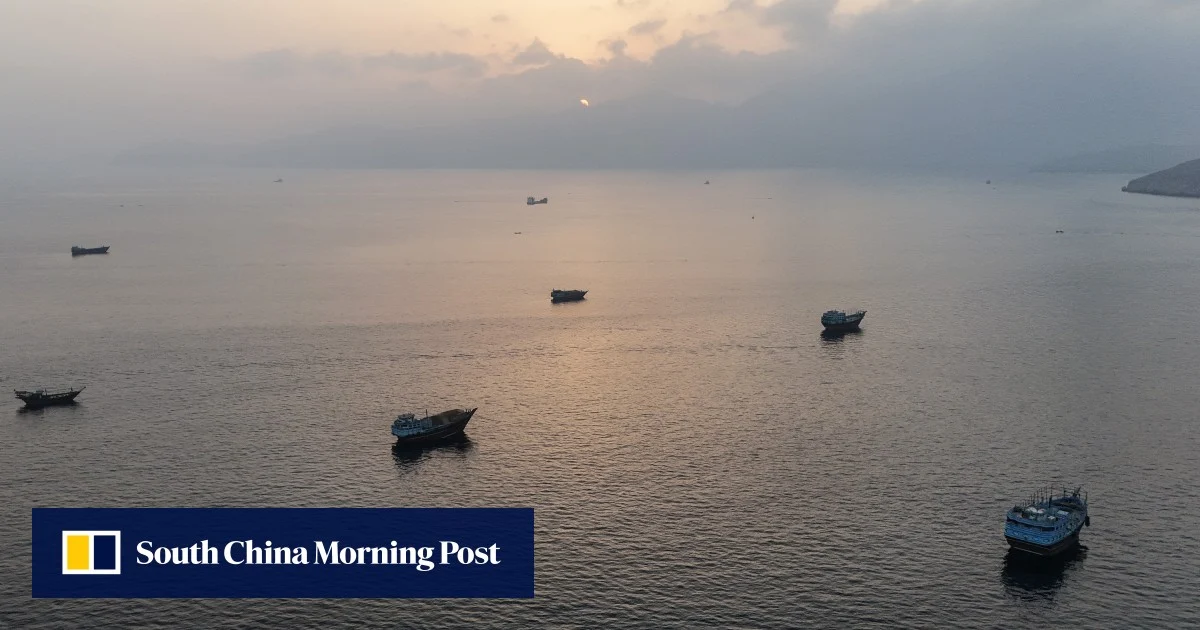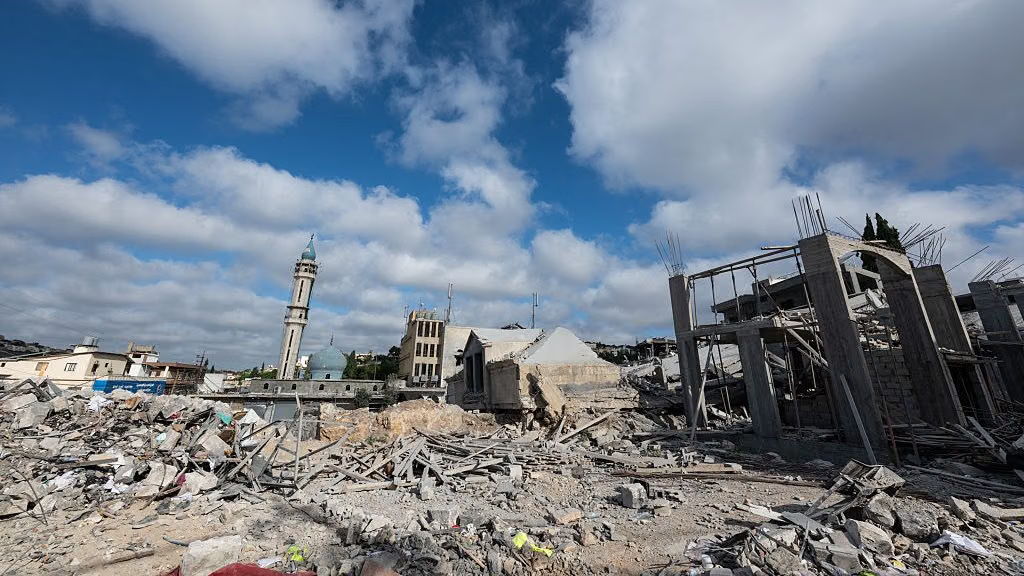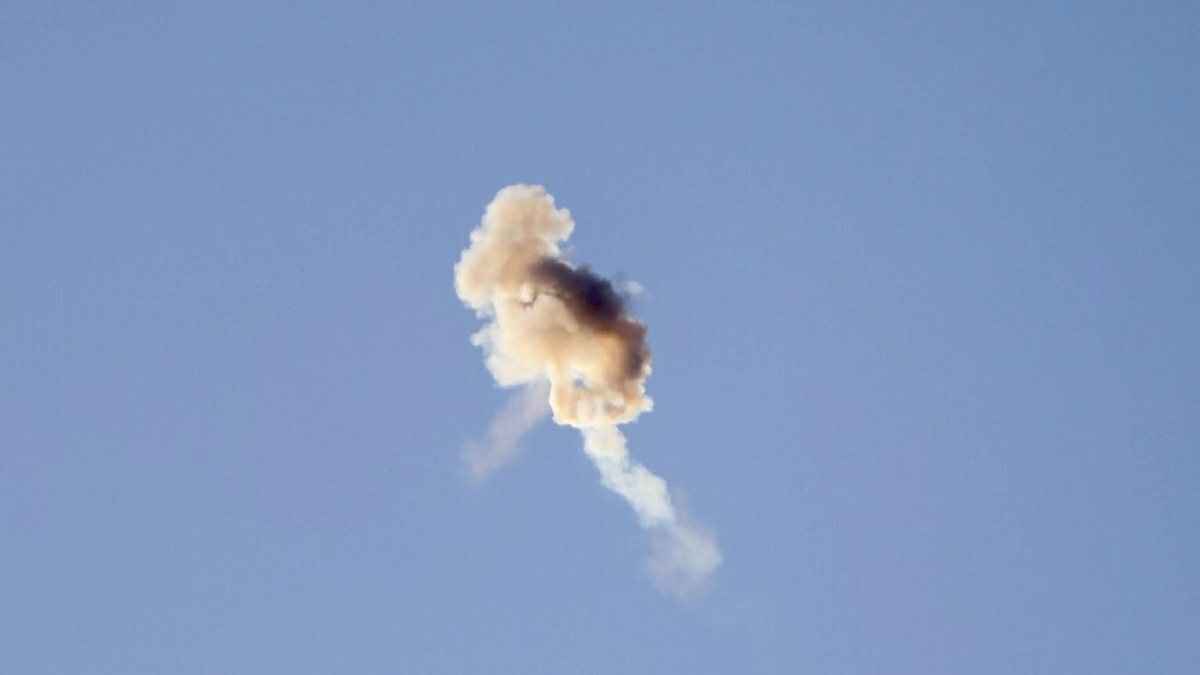
TEHRAN — Iran launched a drone attack targeting Bahrain on Saturday while a commercial vessel came under attack in the Strait of Hormuz, escalating tensions in the Gulf just hours after US airstrikes on Iranian military sites.Bahrain's Foreign Ministry said a number of Iranian drones targeted the kingdom, describing the assault as "a flagrant threat to the security of citizens and residents."The attack came after Bahrain hosted a meeting of Gulf Cooperation Council foreign ministers attended by US Secretary of State Marco Rubio, which concluded with calls for an end to Iranian attacks and the reopening of the Strait of Hormuz.Iran's Islamic Revolutionary Guard Corps claimed responsibility for targeting several locations belonging to what it described as the "US army" in the region.The latest escalation follows overnight US strikes on Iranian missile and drone facilities and coastal radar sites. Washington said the operation was launched in response to an Iranian drone attack on a commercial vessel in the Strait of Hormuz earlier this week, which US officials said violated the ceasefire agreement.US Vice President JD Vance warned Tehran against further attacks, saying on social media that Iran should "pick up the phone" if it has disagreements over the ceasefire but that "violence will be met with violence."Separately, the United Kingdom Maritime Trade Operations (UKMTO) center reported that a tanker came under attack in the Strait of Hormuz on Saturday. The crew was reported safe, and no pollution or environmental damage was recorded. No group immediately claimed responsibility for the attack.The incident came shortly after the US Navy-backed Joint Maritime Information Center announced it was expanding a shipping corridor near Oman's coast to accommodate two-way traffic through the strategic waterway.The center warned that the threat to commercial shipping in the region remains "substantial" and advised mariners to remain alert to the presence of naval mine clearance operations.Iran has recently insisted that vessels transiting the Strait of Hormuz comply with its directives and has threatened to impose transit fees, a move rejected by the United States and Gulf Arab states, which maintain that the strait is an international waterway despite passing through the territorial waters of Iran and Oman.The United States and Iran remain engaged in negotiations on a broader agreement aimed at ending the conflict, with discussions continuing over freedom of navigation through the Strait of Hormuz and the future of Iran's highly enriched uranium stockpile under a 60-day interim framework.
Iran launches drone attack on Bahrain as ship struck in Strait of Hormuz
Iran launched drones at Bahrain and a commercial ship came under attack in the Strait of Hormuz, escalating regional tensions following US strikes on Iranian military targets.
400 words~2 min read