Burl Ives, the famous 20th-century American entertainer whom many will recognize as the narrator of the Christmas classic Rudolph the Red-Nosed Reindeer, once said, “How I longed to see these things; how I longed to see the Liberty Bell and walk on the streets where Thomas Jefferson, Tom Paine, and Benjamin Franklin had walked.” He understood the importance of America’s landmarks — and the affection every American should feel for them.In its earliest days, as the colonies moved toward independence and nationhood, America experienced several momentous events that shaped the future United States. In this essay, I write about the six most important historical landmarks, some known, others not quite as known. I like to think that Burl Ives would approve.
Boston’s Custom House and Old State House
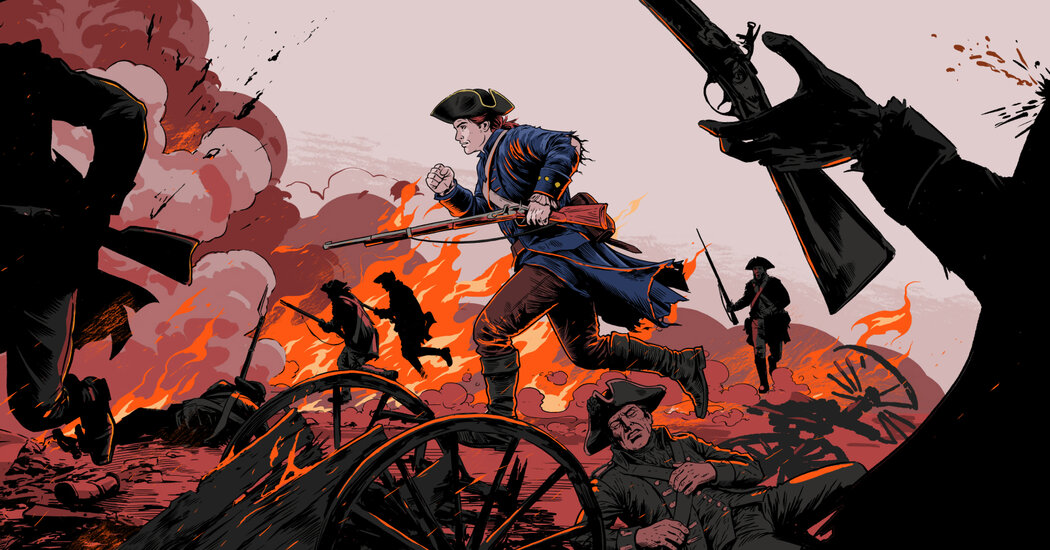
Years before July 4, 1776, one of the events that helped set the colonies on the road to independence unfolded outside Boston’s Custom House. On March 5, 1770, a confrontation between Massachusetts colonists and British soldiers turned deadly when troops fired into a crowd, killing five colonists, including Crispus Attucks. The incident, later known as the Boston Massacre, deepened the divide between colonists and the British government and became one of the most important catalysts of the American Revolution.Even though it has since been destroyed and relocated, the Boston Custom House is one of the most important buildings in American history. Subsequently, arguably of equal importance, was the Old State House in Boston, where the trial of the British soldiers who fired into the crowd took place. John Adams, a prominent Massachusetts patriot and founding father of the U.S., faced the difficult task of representing the British troops in an area of Boston that was out for blood and seeking retribution against the troops for killing the colonists. Adams believed that justice must be a foundational aspect of the American colonies, especially if they were to be different from the British monarchy. He took on the incredibly difficult task of defending the troops at the trial at the Old State House. Adams faced intense backlash for doing so, but his successful defense of the British troops established an integral part of what would eventually become the U.S. justice system: innocent until proven guilty. He exhibited legal brilliance and reinforced the virtue of integrity by doing his duty, even though it was unpopular yet necessary for the greater good.“It’s of more importance to the community that innocence should be protected than it is that guilt should be punished,” Adams famously stated at the time.Ultimately becoming flip sides of the same coin, the Boston Custom House and the Old State House were two of the most important buildings in American history.Philadelphia’s Carpenters’ Hall