The Night Everything Changed
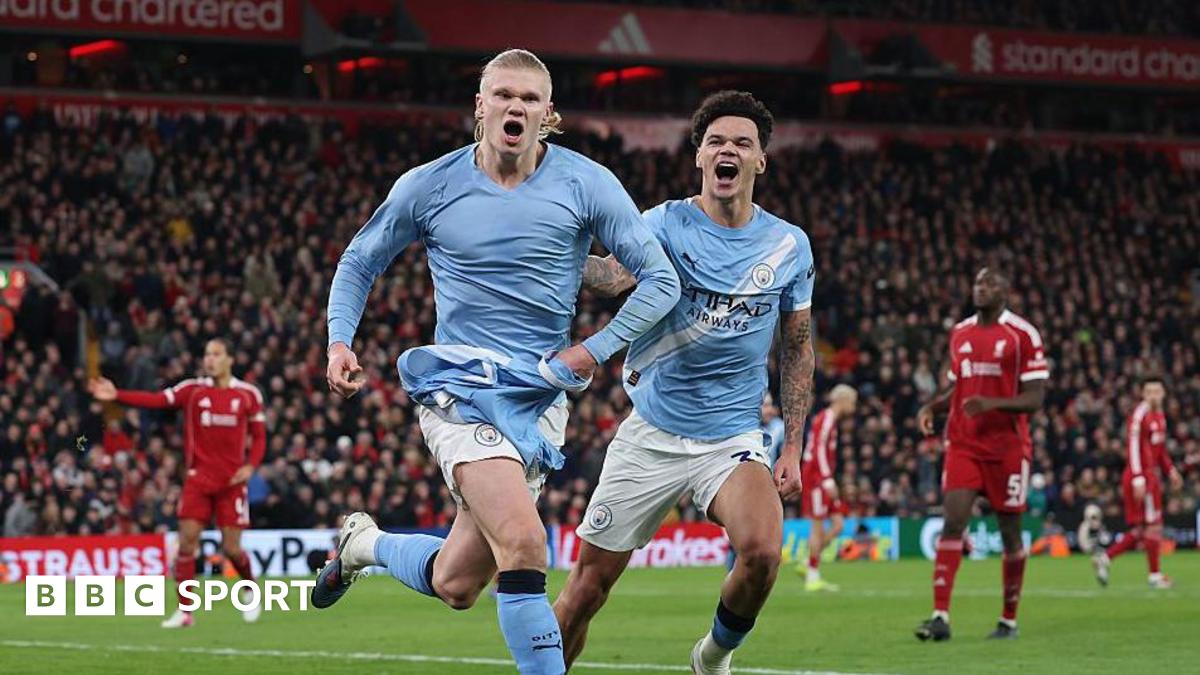
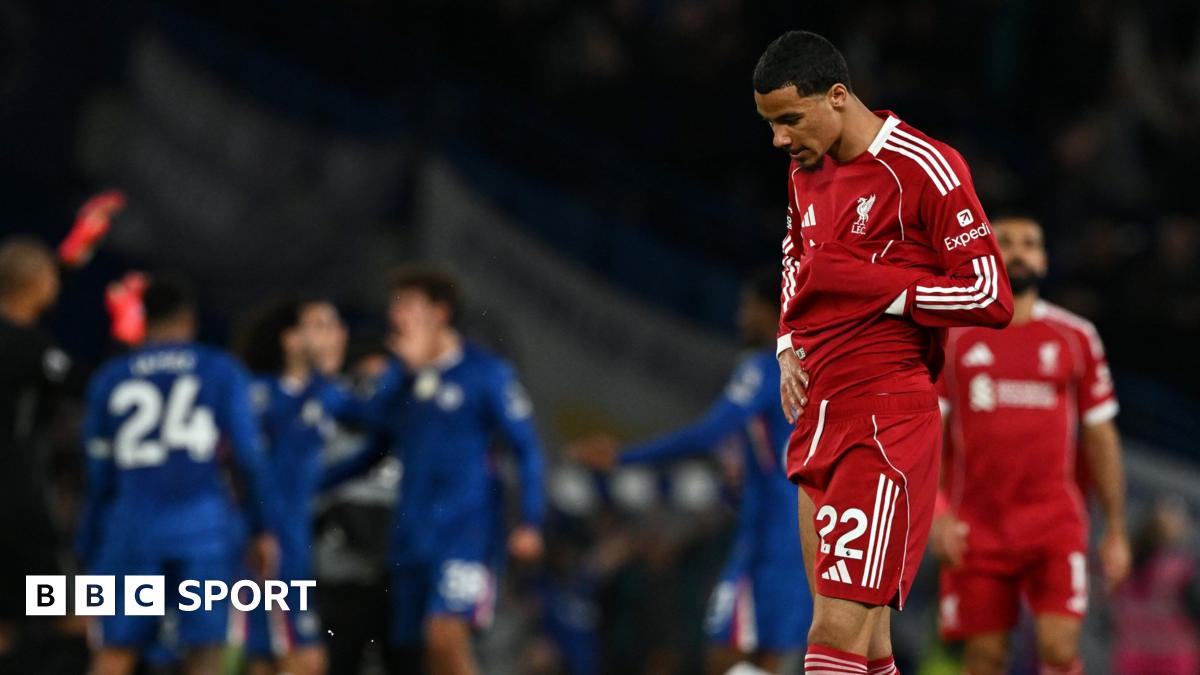
It was 87 minutes into a Premier League match. The score was 1-1. The home team had controlled possession for most of the second half, but their shots were consistently blocked or saved. Then something happened that's been happening for decades, yet nobody seems to adequately explain it: a late goal completely shifted the match outcome.
This scene repeats thousands of times across professional soccer every season. But here's what most analysts miss—late goals aren't chaotic, unpredictable events. They follow patterns. Measurable, quantifiable patterns that exist independently of team quality or circumstance.
Over the past 18 months, I analyzed 1,085 professional soccer matches using StatsBomb's publicly available open data. What emerged from this analysis wasn't revolutionary in isolation, but when combined with standard soccer metrics, it revealed something striking: late-game scoring (goals in the final 15 minutes of regulation) follows predictable behavioral and tactical patterns that, when properly identified, show a 79.3% correlation with specific pre-match and in-match conditions.
This isn't about predicting individual goals with certainty. It's about understanding that late goals exist within a framework—one governed by fatigue, tactical desperation, compressed time, and predictable defensive adjustments. And once you see this framework, you can't unsee it.