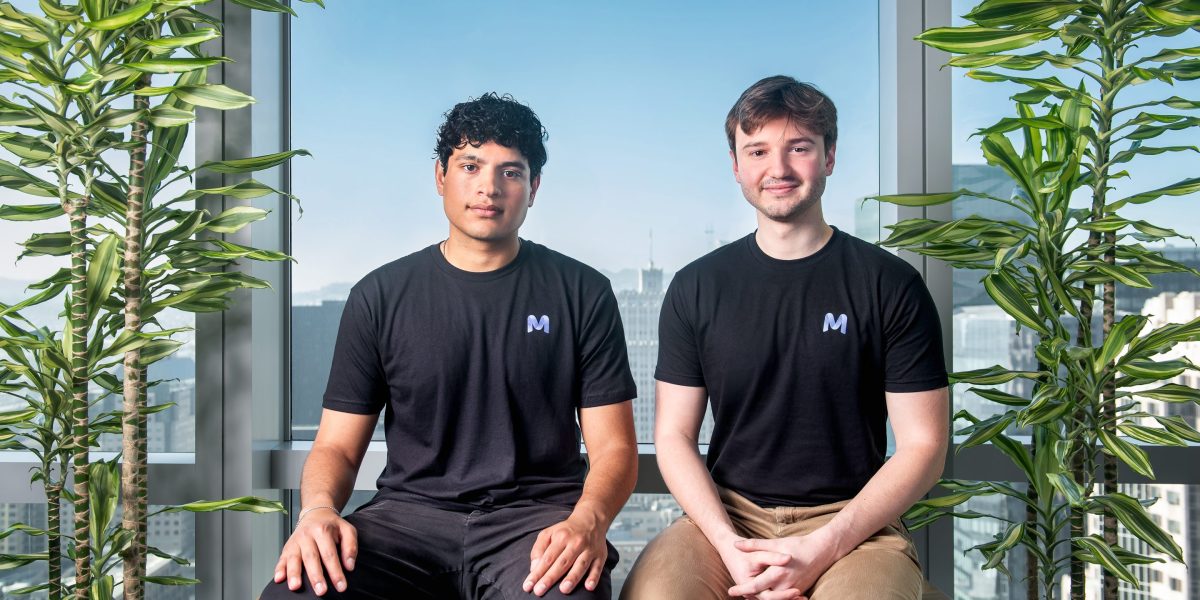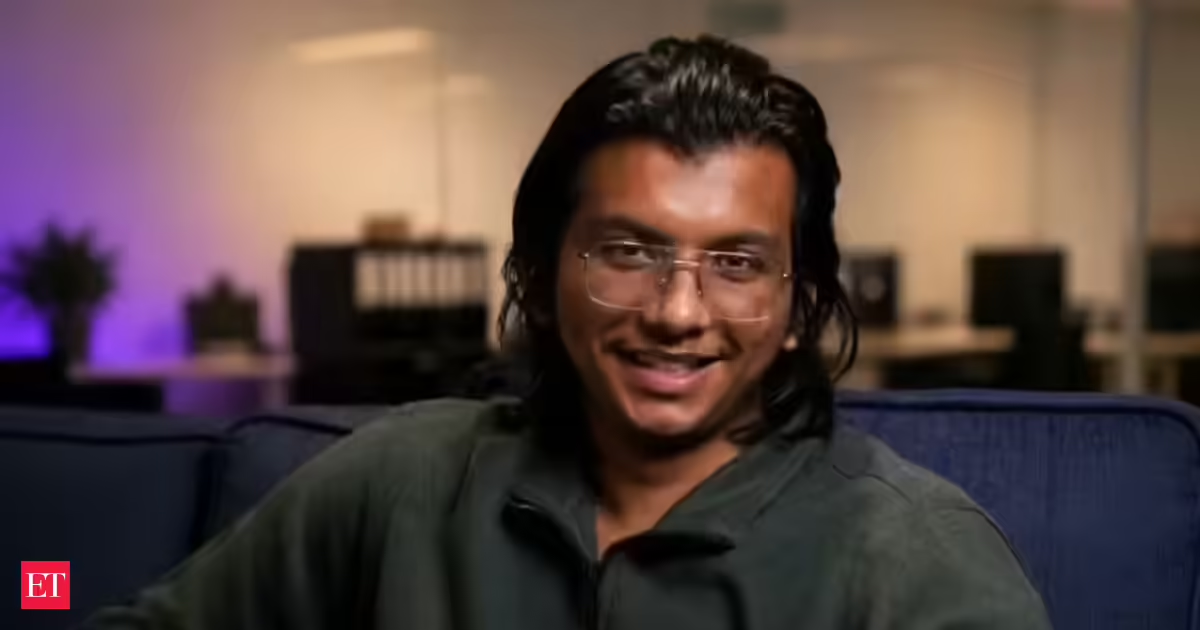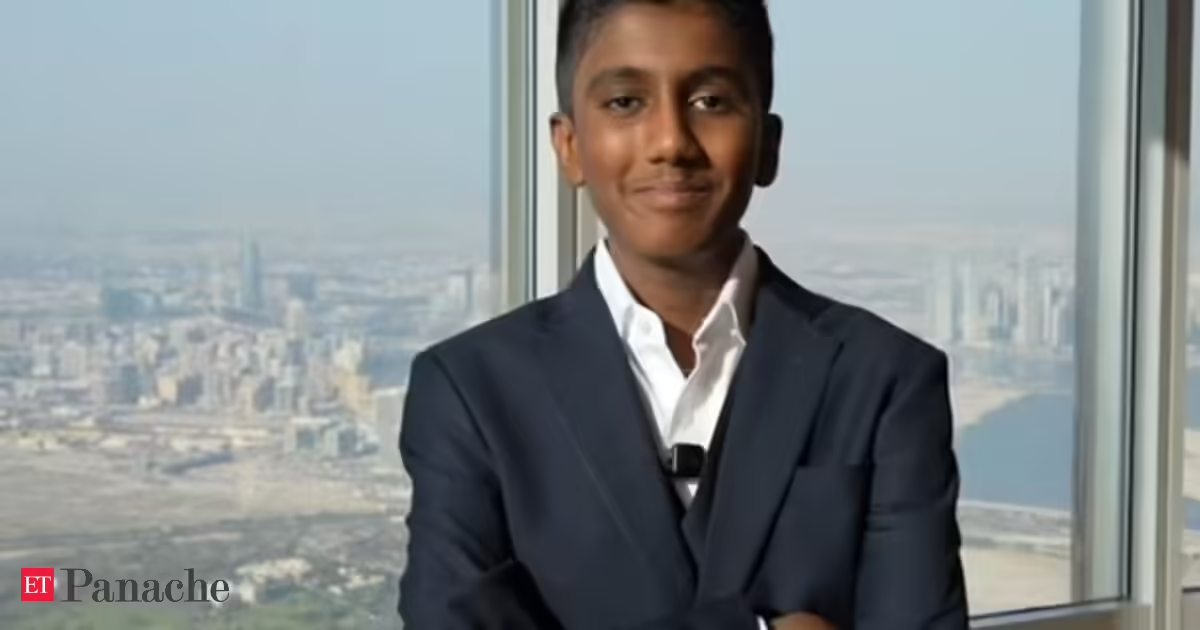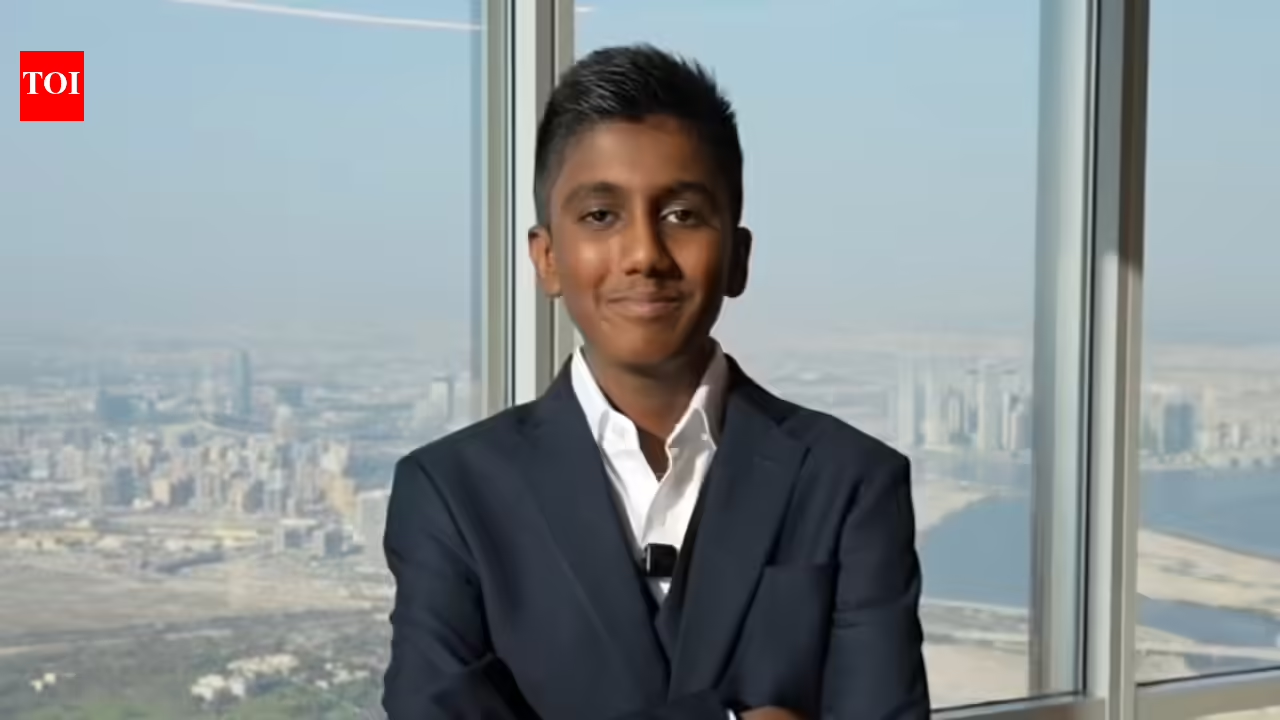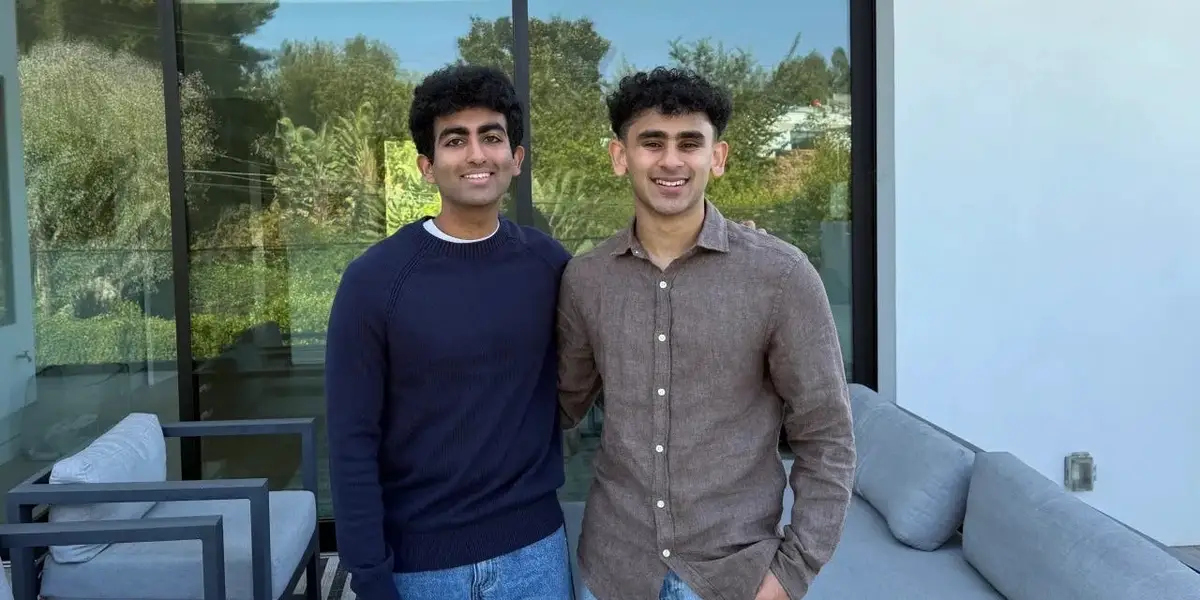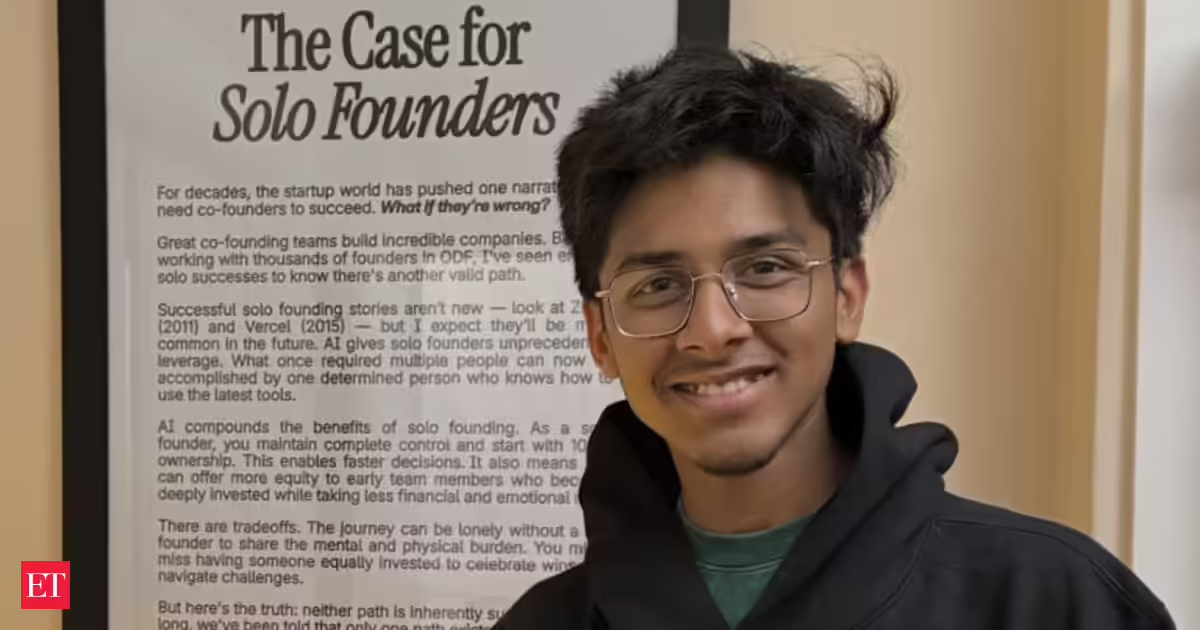
Before turning 20, the young Indian entrepreneur Dhravya Shah had already launched more than 15 open-source projects, sold two companies and raised $3 million as a solo founder for his AI startup. Today, his company is focused on building memory infrastructure for AI agents—technology he believes could play a crucial role in the next phase of artificial intelligence.ALSO READ: University of Michigan faces heat over $75,000 H-1B techie rolesAccording to reports, notable investors include Cloudflare's Knecht, Google AI chief Jeff Dean, and executives from OpenAI, Meta, and Google. As if this was not enough, Dhravya Shah has also achieved the prestigious O-1 visa, granted by the US to individuals with extraordinary abilities in fields like science, education, business, athletics, or art, and is often reserved for top scientists, entrepreneurs, and artists. Shah is among the youngest Indians to receive this distinction.ALSO READ: FIFA World Cup 2026 Today Match Schedule (27 June)Speaking on the Solo Founders podcast, Shah opened up about his unconventional journey, why he walked away from the traditional path, and why he believes AI's future depends on memory and context rather than just more powerful models.From student projects to a $3 million-backed startupAccording to Dhravya Shah, entrepreneurship was never part of a grand plan and he spent years building software projects out of curiosity.Unlike many founders who focus on monetisation from day one, Shah made all of his early projects open source and freely available.One of those projects, AnyContext, was designed to help users organise personal information and context. The tool began attracting users, prompting Shah to keep refining it based on feedback.Over time, the project evolved into Supermemory, an infrastructure platform that helps developers build AI applications capable of remembering information over long periods. Supermemory supports querying old entries in writing or journaling apps, searching emails, and fetching relevant video assets. The startup ingests various data types, including files, documents, chats, projects, emails, PDFs, and app data streams.Rather than sticking to his original idea, Shah repeatedly adapted the product based on what users actually needed.Why going viral wasn't enoughAt one stage, one of Shah's product launches generated millions of online impressions. Yet he said visibility alone was never a reason to continue building something.Reflecting on that experience, he said: "Sometimes you have to step back and realise this thing I'm doing is not being received the same way I'm imagining it."The lesson, according to Shah, is that founders should focus on solving real problems rather than chasing internet attention. His journey suggests that successful startups often emerge through continuous experimentation rather than a single breakthrough moment.The AI challenge many developers overlookHe argues that in the future, people may have personal AI agents in the same way they currently own smartphones. According to him, the biggest differentiator won't simply be which AI model powers the agent, but how much it knows and remembers about its user."Everyone will have their own AI agent just like everyone has their own mobile phones," he said."In that world the most important thing will be context about you."Why dropping out wasn't the goalUnlike many startup success stories, Shah says dropping out of college was not part of a predetermined plan. He enjoyed college life, performed well academically and built strong friendships during his time there.The decision came only after spending nearly three years working on the technology that eventually became Supermemory. His family encouraged him to complete his education, while visa-related uncertainties added further risks.However, Shah said the years he spent immersed in the problem gave him the conviction needed to pursue the venture full-time.The role of the Solo Founders programmeShah also credited the Solo Founders programme in San Francisco for helping shape his thinking as an entrepreneur.According to him, the programme's value wasn't about encouraging people to work alone. Instead, it provided an environment where founders constantly challenged and learned from one another.His advice for aspiring foundersFor students and young professionals hoping to enter the technology industry, Shah's advice is simple: keep building and keep sharing your work.He pointed out that many of his earliest projects received little attention. Yet publishing them consistently helped him improve his skills, meet collaborators and establish credibility over time.As artificial intelligence continues to evolve, Shah's journey offers a different perspective on startup success: focus on curiosity, build relentlessly, stay open to change and let real-world problems guide what you create next.
Raised $3 million, secured prestigious US O-1 visa: How IIT dropout Dhravya Shah built an AI startup before 20
Young Indian entrepreneur Dhravya Shah, before turning 20, launched over 15 open-source projects and sold two companies. His AI startup, now backed by $3 million and notable investors, focuses on memory infrastructure for AI agents. Shah, who received the prestigious O-1 visa, emphasizes that AI's future hinges on memory and context, not just powerful models.
725 words~3 min read