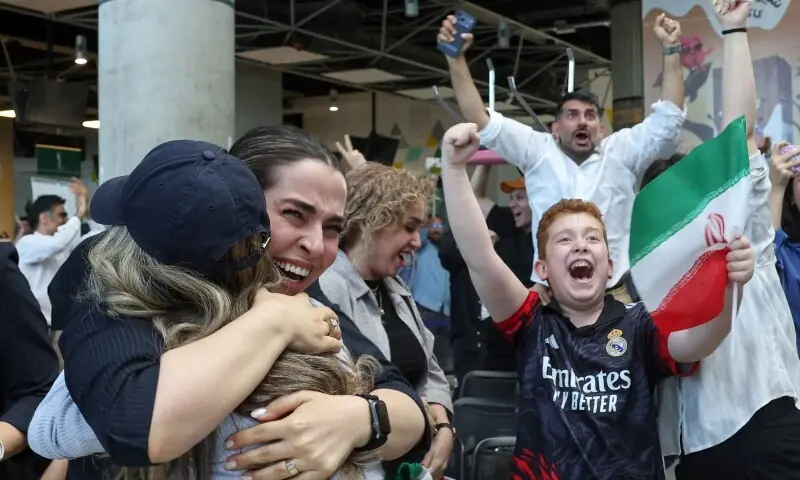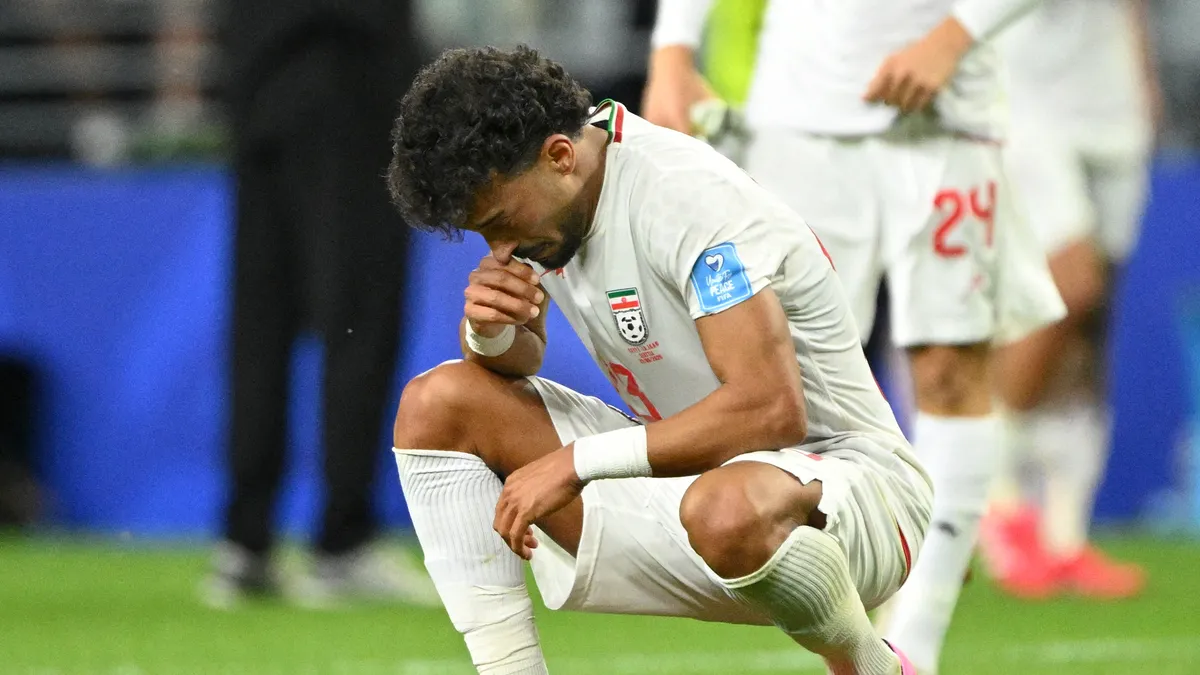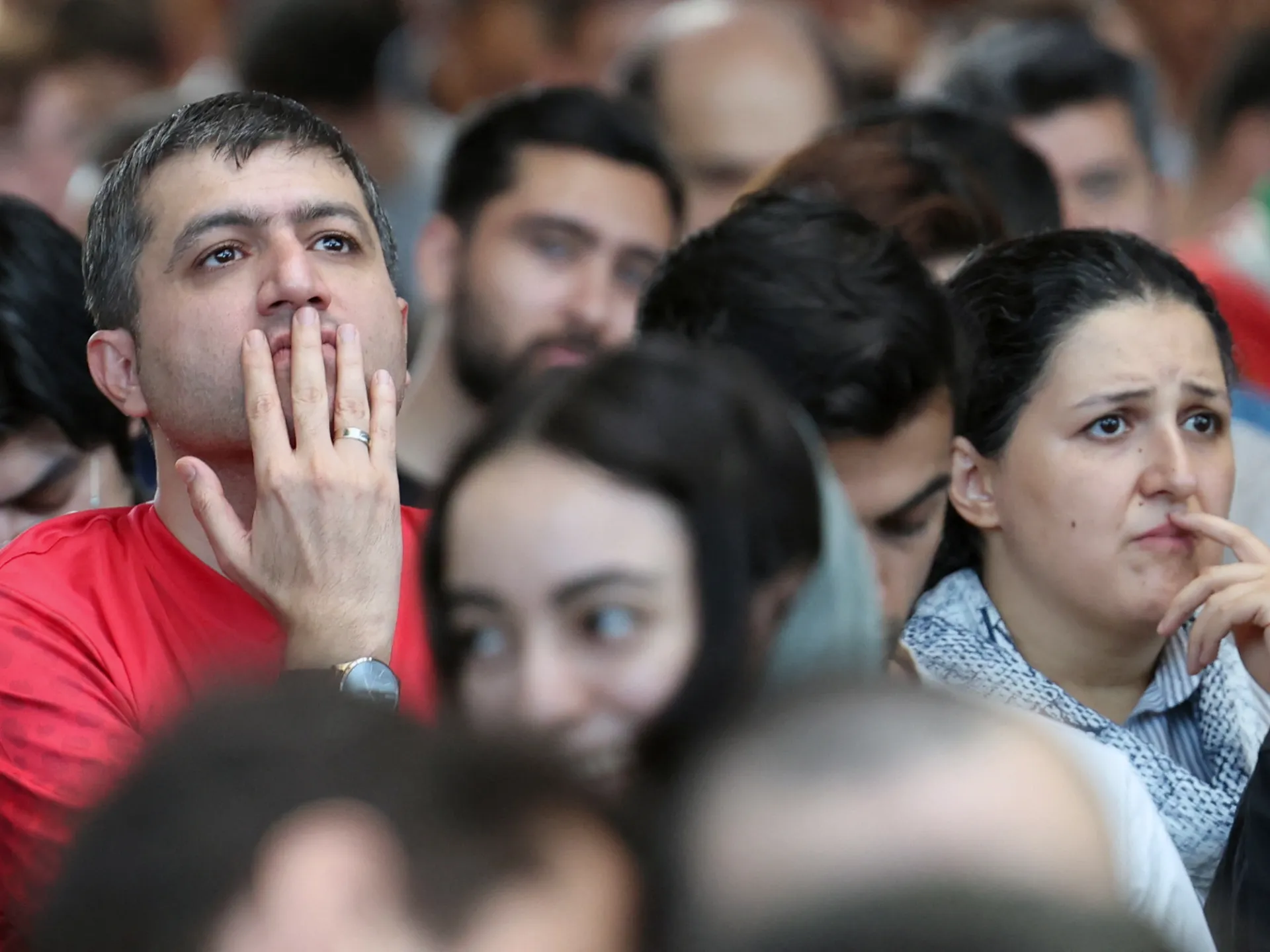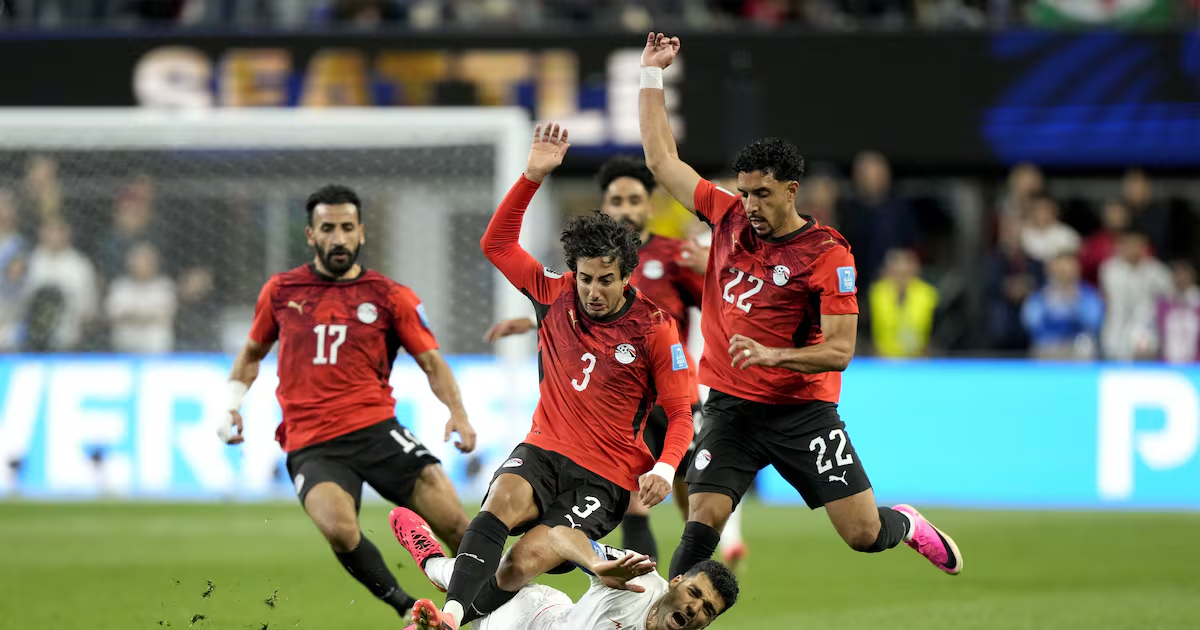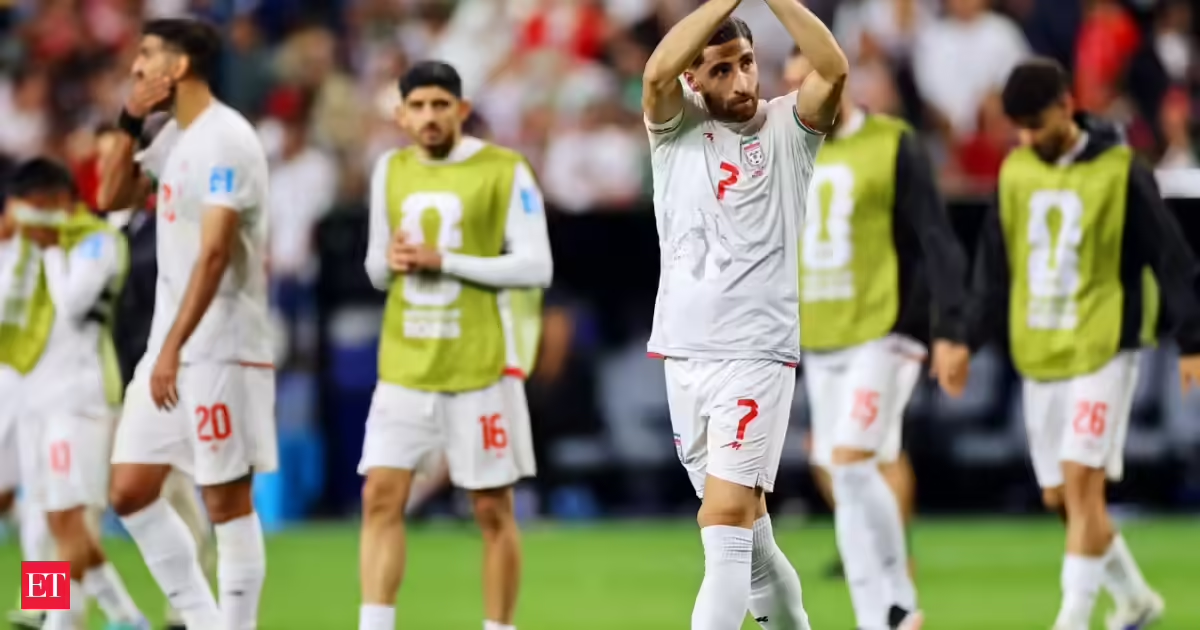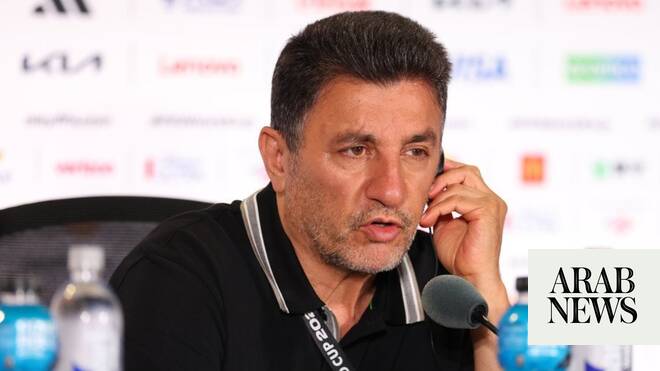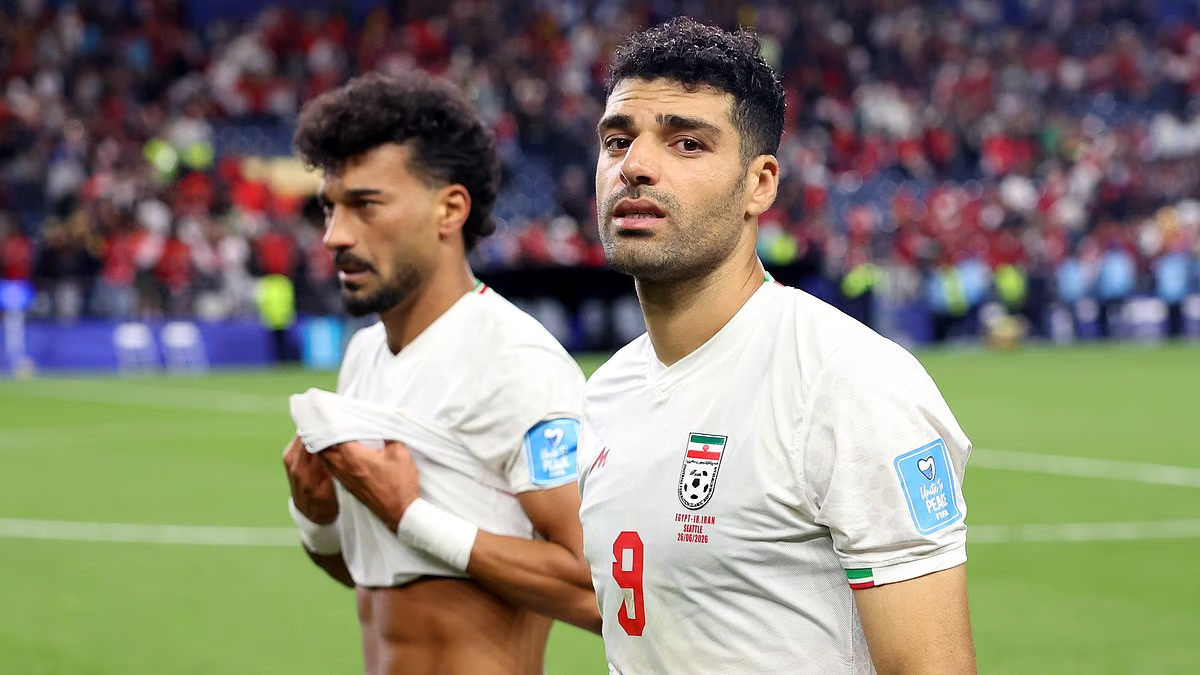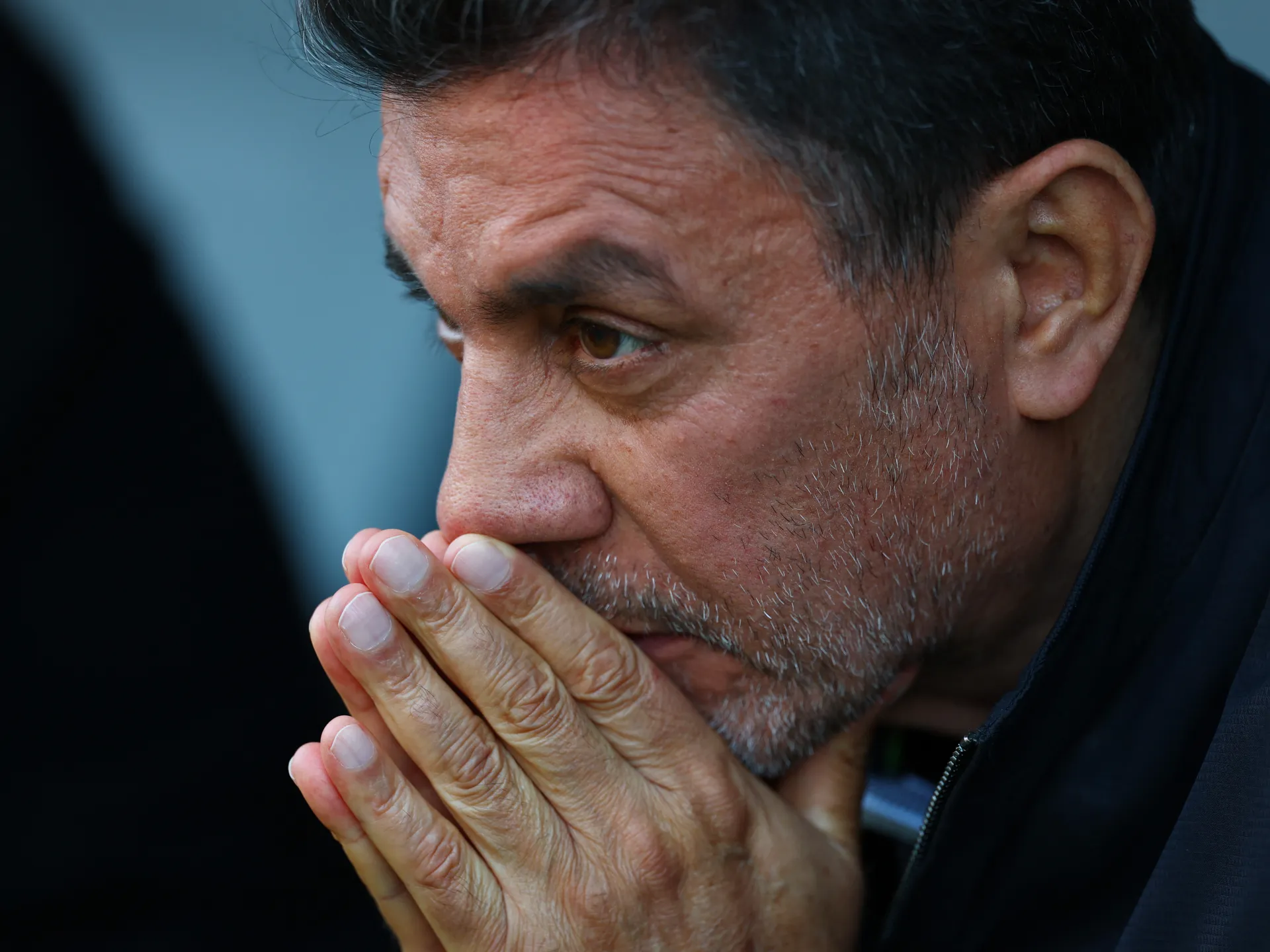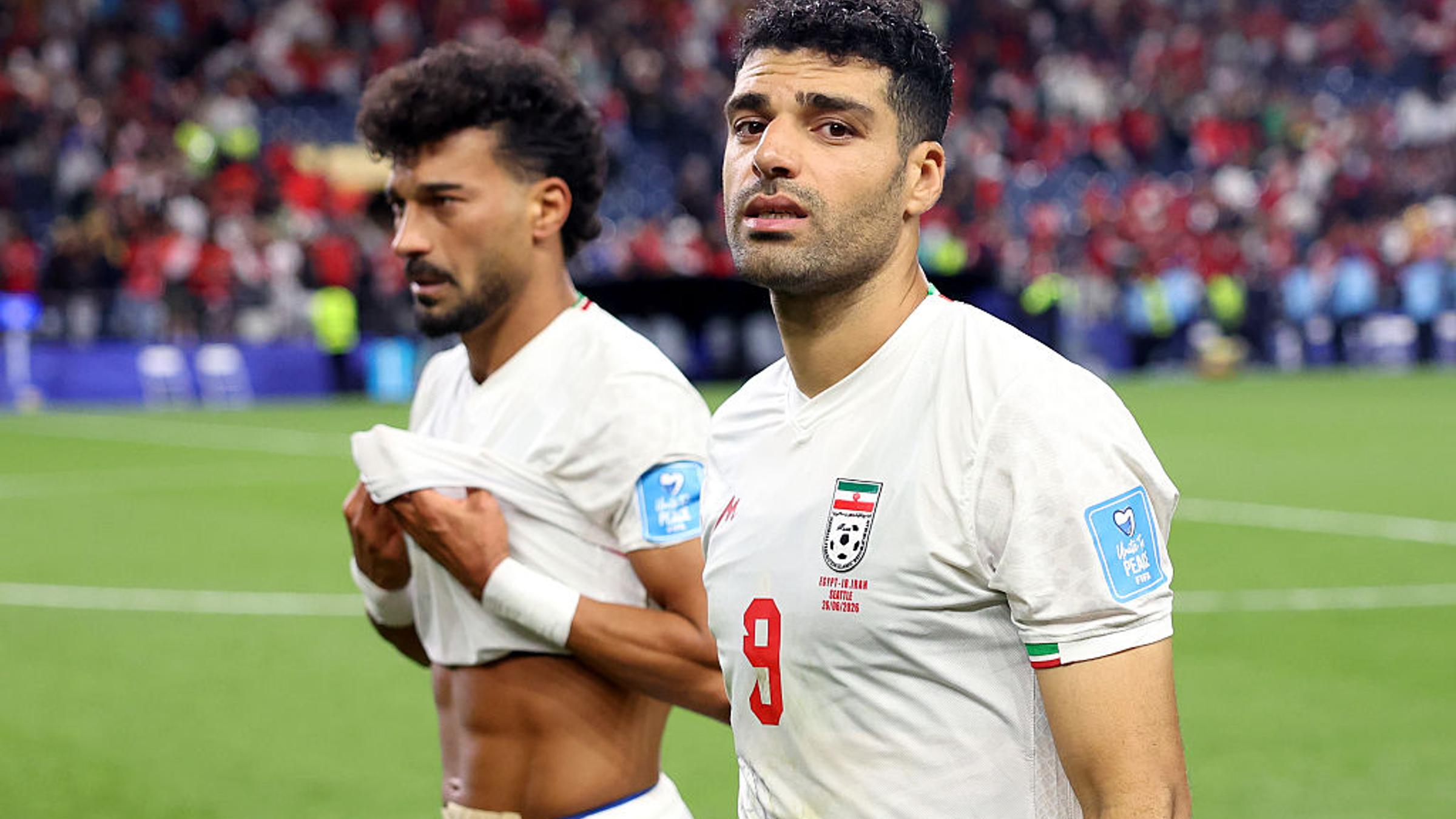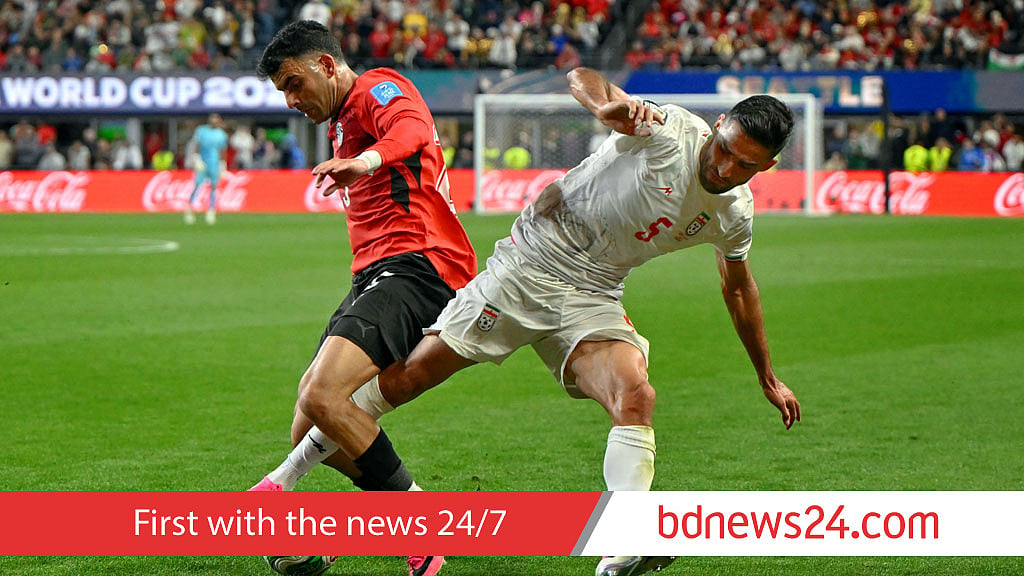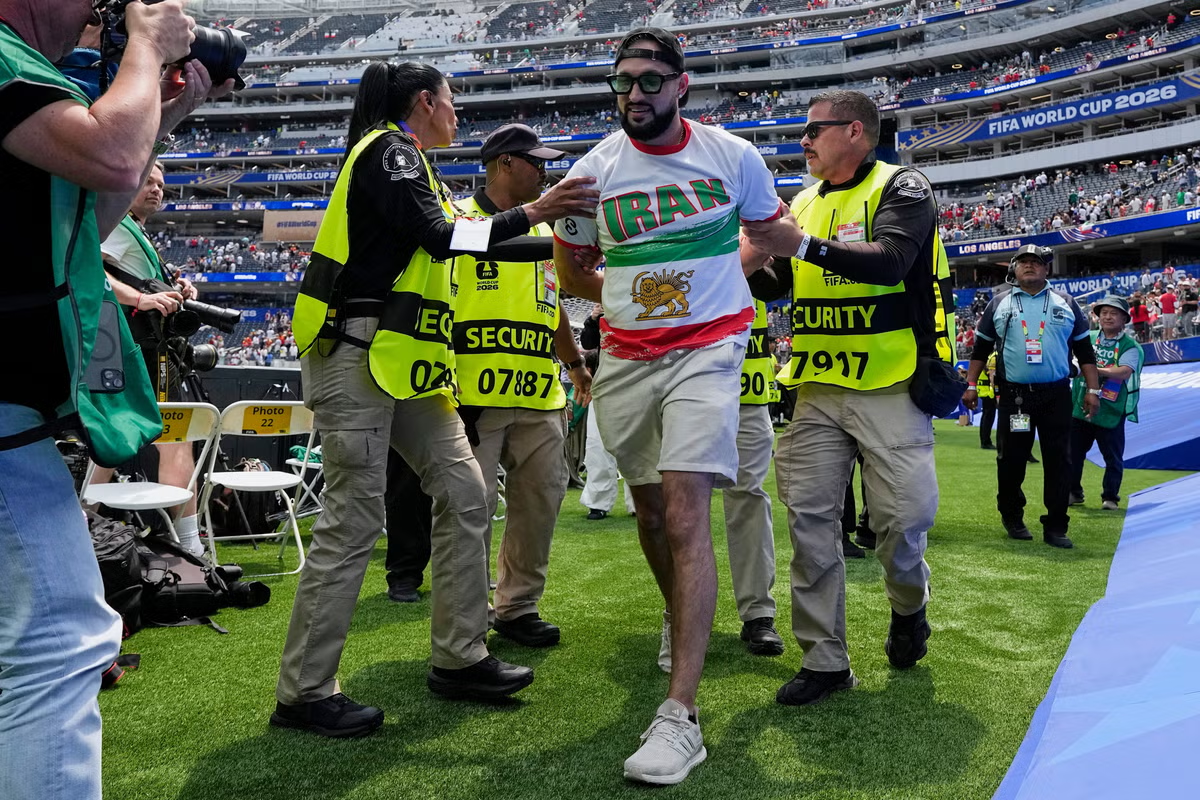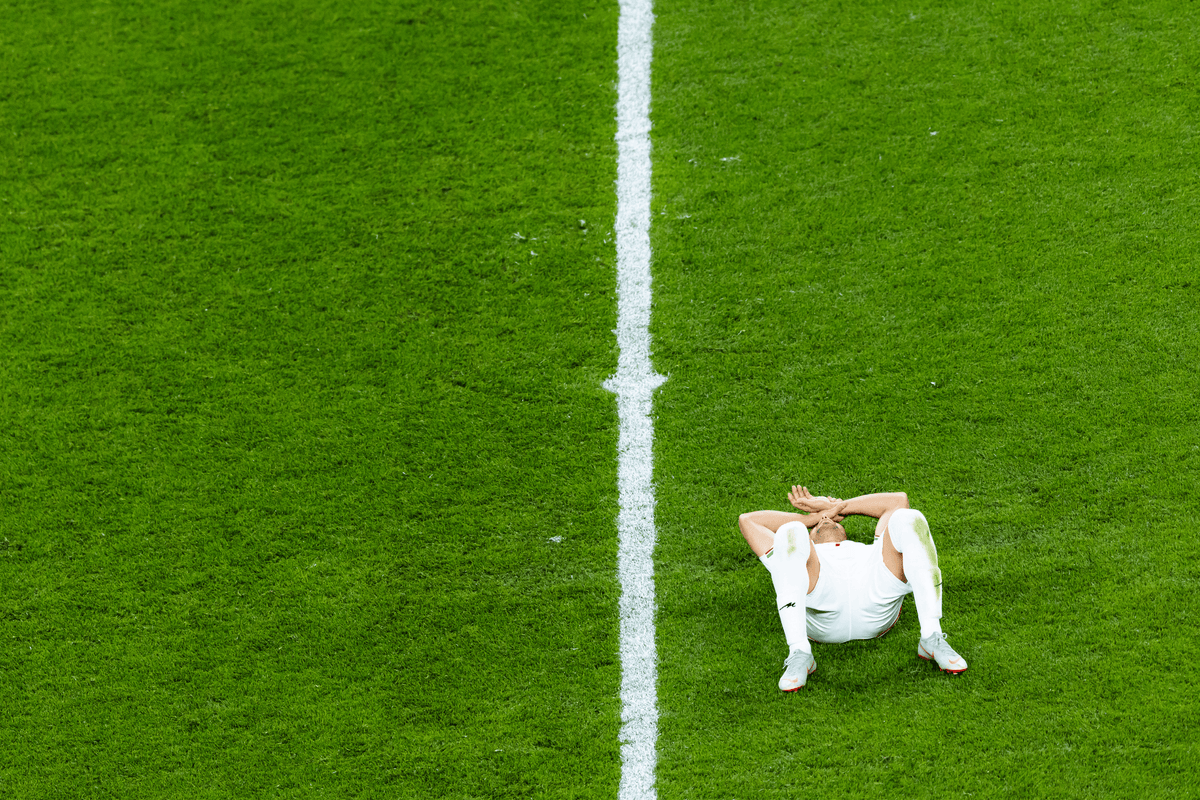
Mehdi Taremi was exhausted and fed up. Iran, the country he captains, might make history and qualify for the last 32 of this World Cup if results in other group-stage matches go their way, and when he initially appeared to speak to reporters following the draw with Egypt, he spoke about the “good energy” he had left behind in the dressing room.Physically and mentally, however, Taremi did not seem to have much energy at all. He knew what was coming: another bus journey to the airport before he and his team-mates were able to begin the recovery process; another agonising wait at customs or passport control; another three-hour flight to Tijuana, Mexico, where Iran have had to base themselves during the World Cup owing to the country’s war with the United States.It has become Taremi’s routine over the last few weeks but he was furious. He outlined his belief that World Cup organisers FIFA — and especially its president, Gianni Infantino — has not done enough to make this campaign “fair” for Iran.“It’s a disaster,” he said. “A disaster.”He explained that after Iran’s 2-2 draw with New Zealand in Los Angeles on June 15, Infantino appeared to make promises. “He came (to the dressing room) after the first game and said he can solve every problem here but actually FIFA did nothing. Our logistics (person) is not here. No media. No kitman. No one. Vice president, president…”Iran’s team and support staff were all granted visas to travel to Mexico but 13 people — including members of team management, two analysts, executives and media officials — were denied entry to the U.S, while the team’s time on American soil has been severely limited between their two group games in LA and third match in Seattle.Get free access to the most comprehensive World Cup coverage in The Athletic appTaremi spent nearly 10 minutes talking about the challenges his team has faced. “We cannot keep it to ourselves because we are Iran and because some guys don’t like us,” he stressed.He was asked if he feels there are forces around this competition that do not want Iran involved. “We have to fight against everything here,” he replied. “I don’t know what people want. As we see it from our perspective, yeah, they like that (Iran to be eliminated) I think.”It had been an emotional couple of hours for Taremi and Iran. After seeing his first-half penalty saved by Egypt’s outstanding goalkeeper Mostafa Shobeir, Iran thought they had secured second place in Group G by scoring deep in injury time through Shoja Khalilzadeh. It was marginally offside, as a VAR intervention showed, but there was still time for Iran to rattle the crossbar. Ramin Rezaeian, Iran’s goalscorer, was right when he pointed towards Egyptian reactions after the VAR decision as evidence of the opponent’s relief because it was clear who should have won the game.Instead, while Egypt face Australia in Dallas on Friday, July 3 — with a last-16 tie against Argentina or Cape Verde awaiting the winner — Iran do not know what will happen to them. This has been the story of the country for some time now.As has become a custom during this tournament, Iran left a message on a board in the dressing room after their draw in Seattle, a photograph of which was then distributed via a WhatsApp group from the communications team.“For us, football is not only a competition for results, it is a test of character,” it read, along with hashtags referencing ‘168’ and ‘minab’ — the number of children killed at an elementary school in Minab, Iran, on the first day of the U.S.-Iran conflict on February 28 according to the Iranian foreign ministry“Perhaps a team can advance from a group, but only through fairness and honor can one stand tall before history,” it continued.It more likely than not that Iran do advance but like other teams who finished third in their groups, they were playing a waiting game. A combination of Algeria and Austria drawing in Group J, sending both through, along with DR Congo beating Uzbekistan and Croatia getting at least a draw with Ghana would knock out Iran.On Saturday morning, The Athletic’s bracket forecast still gave Iran a 92 per cent chance of earning a last-32 tie against Switzerland in Vancouver on July 2. This, however, would also mean potentially yet more visa complications as Iran would play in Canada for the first time, while the trips back to Mexico mean they would also have significantly more miles to travel than Switzerland, who last played in Vancouver — beating co-hosts Canada 2-1 — on June 24.Taremi, though, left behind a sense that nothing, for Iran, is as it seems, which felt fitting for the scene that was Seattle on Friday. Take a walk down Occidental Avenue a few hours before this decisive match and you realised this was not just about football because some of the world’s most prominent conflicts and struggles appeared in one place.At the far end of the thoroughfare, closer to the city’s baseball stadium, which backs onto Lumen Field, were Iranian protests demanding regime change in a country that is at war with the tournament co-host. Christian evangelists were telling the people of that nation as well as their opponents, where the dominant religion is Islam, they should consider converting.Somewhere in the middle of this were campaigners from Seattle’s LGBTQ+ community who were celebrating Pride Weekend. The football federations of Iran and Egypt had separately pushed back on the idea from local organisers that this was going to be the competition’s “pride match” and fans were encouraged to bring rainbow flags with them.In Seattle, a kick-about breaks out in the middle of the protests (Mathieu Lewis-Rolland/Getty Images)Protestors hoisted Iranian pre-revolutionary flags as they marched down the street, knowing they were banned by FIFA from the venue that loomed over them because they were regarded as political symbols. Meanwhile, someone with a rainbow flag draped over his shoulders was following them, making a point. Minor flashpoints involving Iranians carrying the country’s official flag into the stadium followed, and crash railings stopped it from getting worse.At a nearby bar, an amp was shaking because its volume had been jacked up and the tune being belted out was Smells Like Teen Spirit by Nirvana. It may have made things feel like an average day in Seattle given the band’s connection to the city.But all in, thrown and washed around together, nothing here felt average about anything.
For Iran, nothing is as it seems at this World Cup: ‘We have to fight against everything’
Iran's draw with Egypt involved protests, controversial calls and high emotions, and yet again Iran are not in control of their own destiny
1,087 words~5 min read