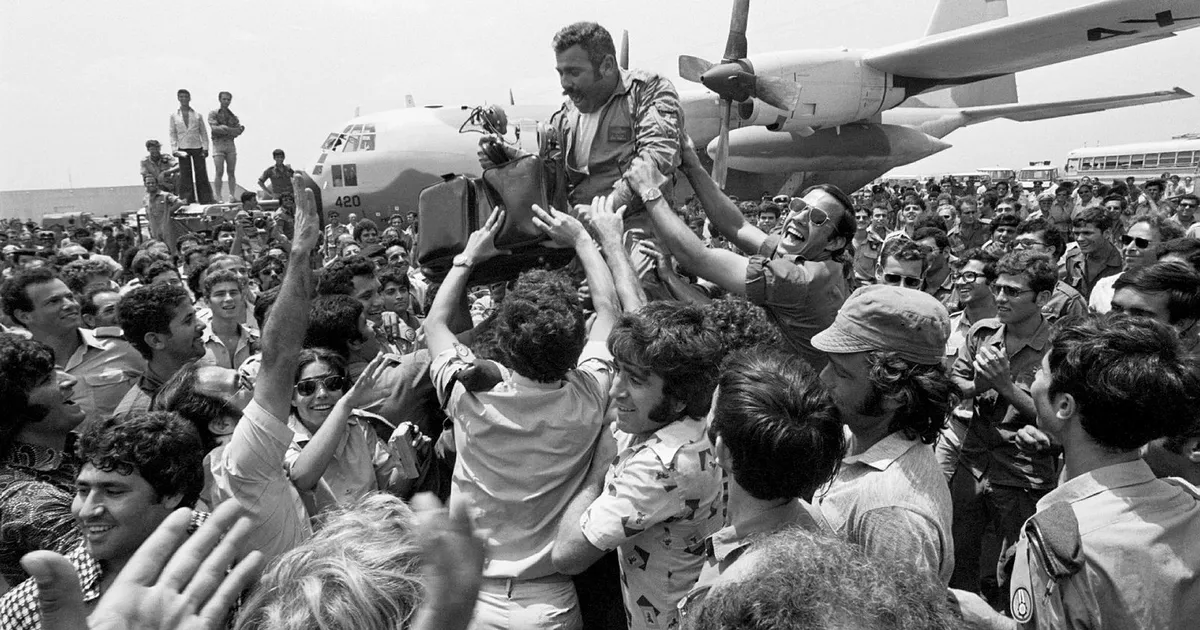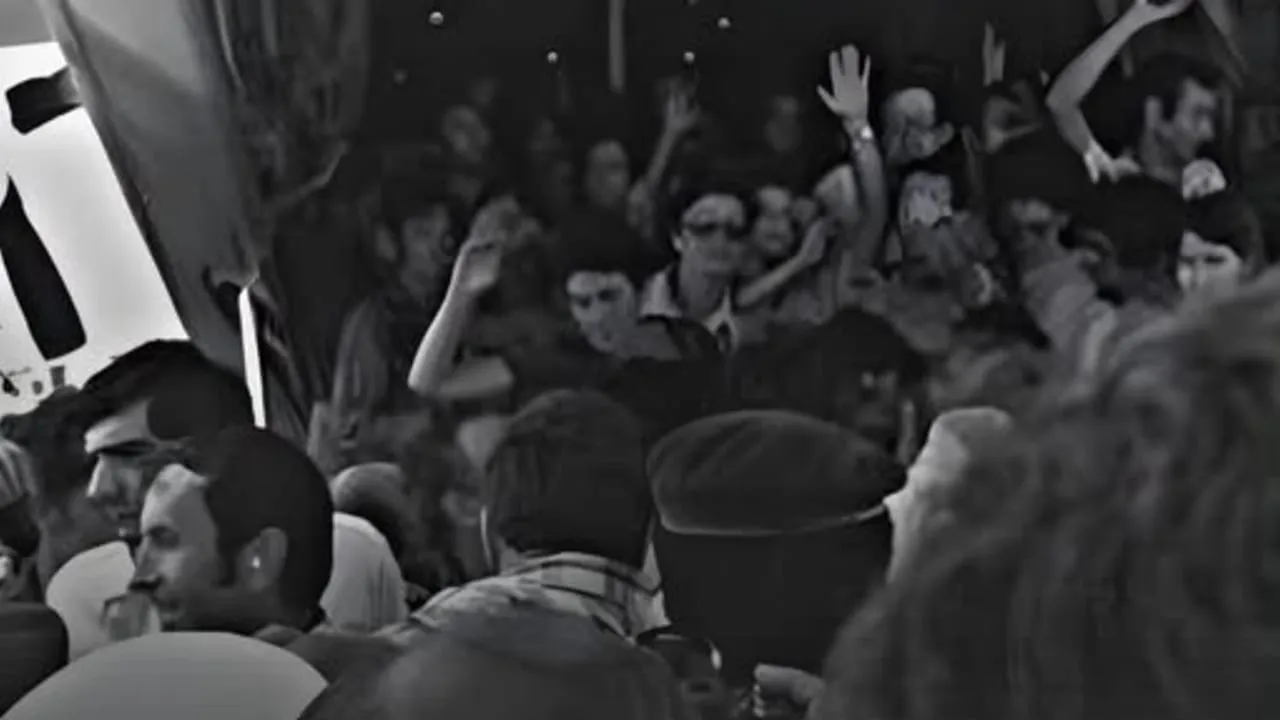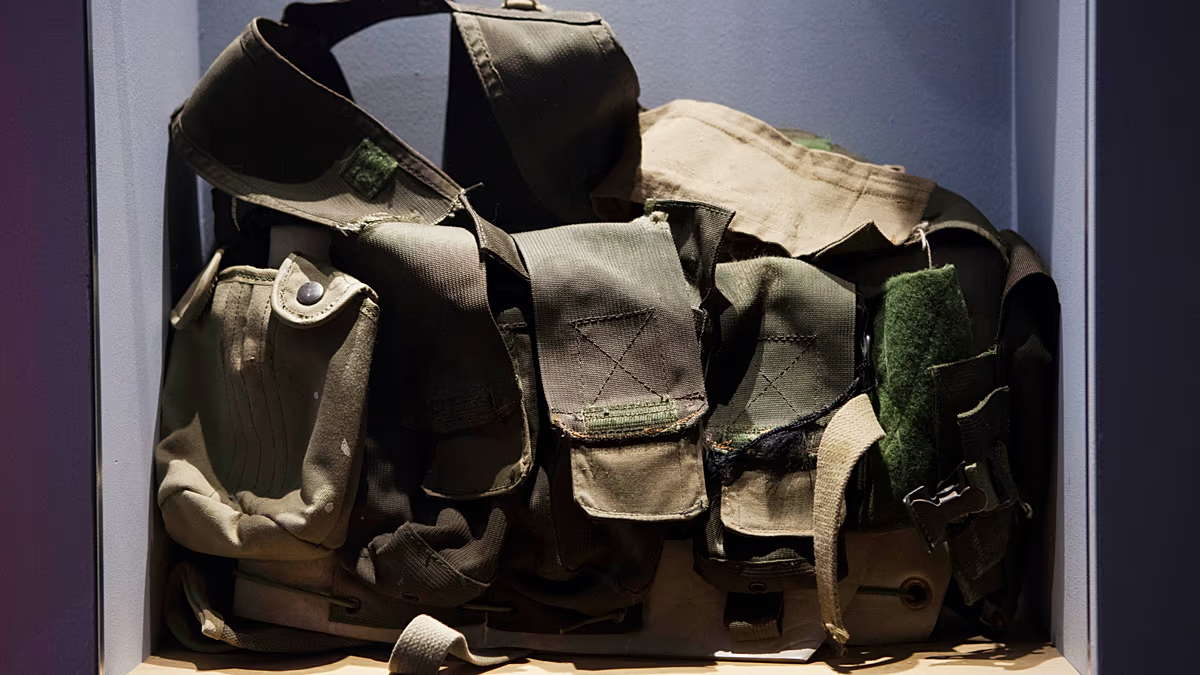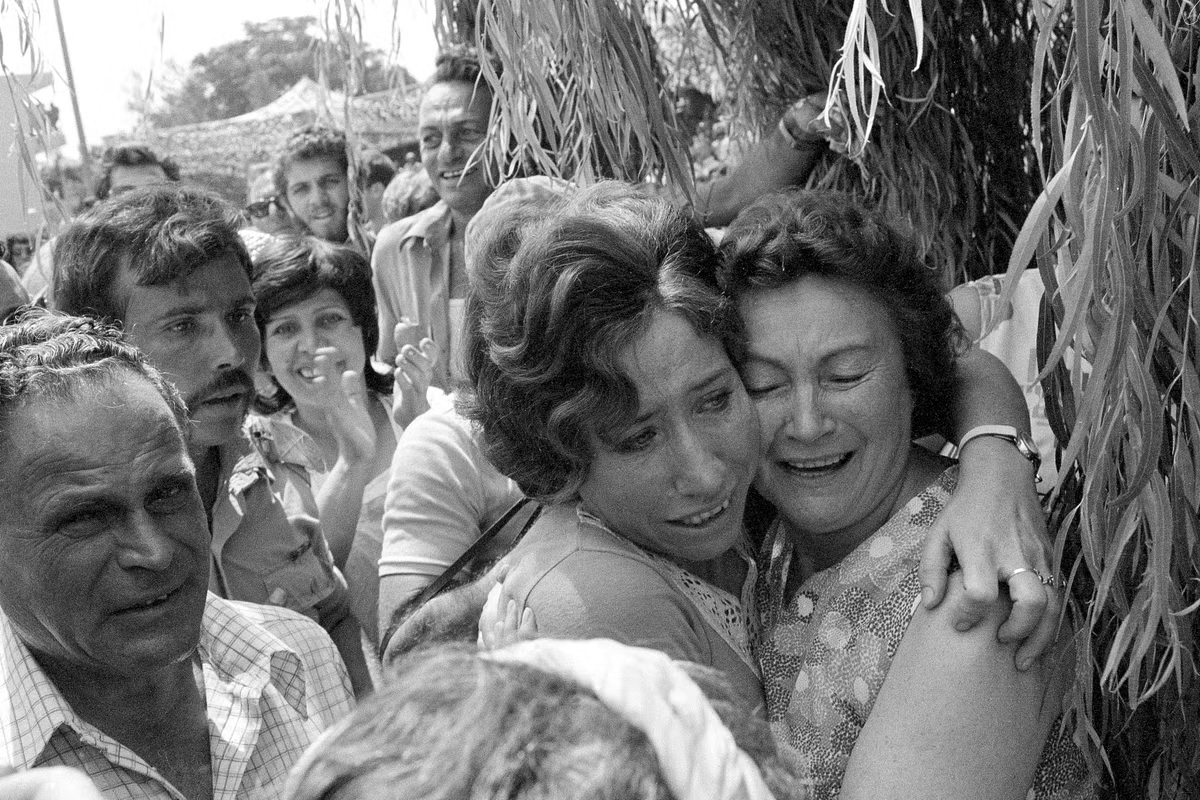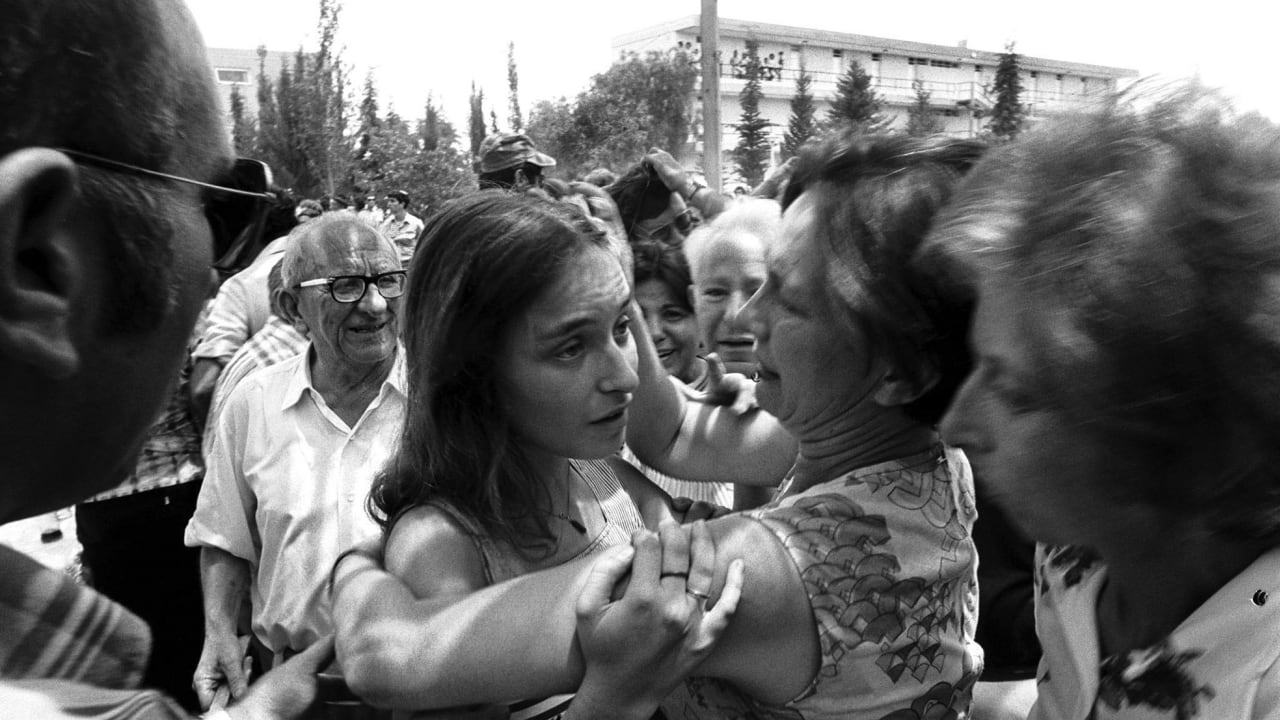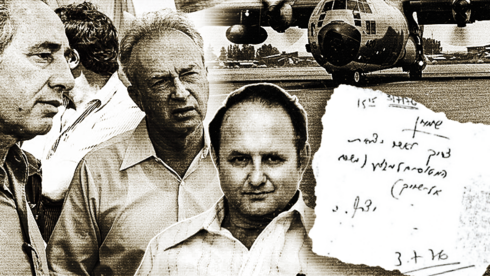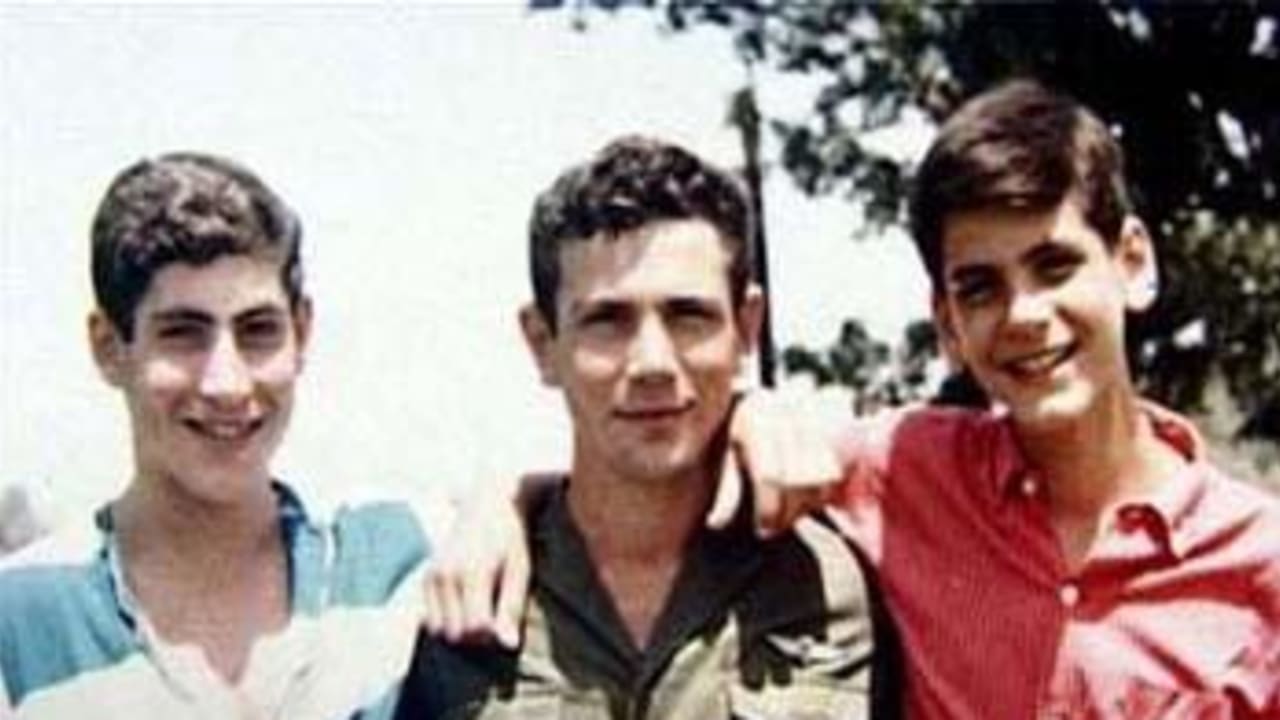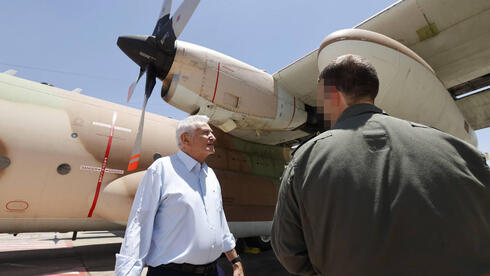
Five decades on, the Hercules planes that flew Sayeret Matkal troops to Entebbe are still active; from inside Hercules 435, past and present squadron commanders recall Rabin’s approval, Yoni Netanyahu and the famed MercedesYoav Keren|Hercules No. 435 is parked on the flight line at the Israeli Air Force’s Nevatim base in southern Israel, waiting for its next mission. It is already in its sixth decade of service and still gets the job done: in the fighting in Lebanon, in the maneuver in Gaza, in the war with Iran. But this aircraft carries not only physical cargo, but also a heavy historical load.Hercules 435 was the plane that flew Sayeret Matkal fighters to Entebbe in one of the most heroic operations in the history of the IDF. The famous black Mercedes was loaded into the cargo bay where we are now sitting. On the bed in the cockpit, Lt. Col. Yoni Netanyahu, the unit’s commander, took a brief nap before the battle from which he would not return.GalleryLt. Col. O. and retired Brig. Gen. Shiki Shani, Hercules squadron commanders then and now (Photo: Gadi Kablo)“I was very impressed by Yoni Netanyahu’s composure,” says retired Brig. Gen. Yehoshua “Shiki” Shani, commander of the air force contingent in the operation and the man who flew this Hercules that night, July 4, 1976. “At one point, Yoni went to rest and asked the navigator to wake him 15 minutes before landing. I knew what he was heading into, and I assume he knew too. I estimated he had a 50% chance of being hit.”Less than an hour later, as Shani waited for the troops on the runway, Dr. Ephraim Sneh, commander of the medical force in the operation, approached him at the aircraft and told him Yoni had been killed.On Friday, the State Archives in the Prime Minister’s Office revealed for the first time the classified protocols of Operation Entebbe — the meetings of the government, the Cabinet and the special ministerial team that was established, the drama surrounding the decision to negotiate with the hijackers, the deception and sophistication ahead of the operation and the presentation of the operational plan in minute detail.The Hercules lands after Operation Entebbe (Photo: Courtesy of the IDF Archives at the Defense Ministry)Five decades later, Hercules 435 is still in active service. The commander of Squadron 131, “Knights of the Yellow Bird,” Lt. Col. O., estimates it will continue flying until 2040. In fact, three of the four Hercules aircraft that were in Entebbe are still in active service.To mark 50 years since the operation, we brought together the squadron commander at the time, Shiki Shani, and its current commander, Lt. Col. O. Sitting on bar stools placed in the cargo bay of 435, the two spoke about the legacy passed down from generation to generation.In the cargo bay that flew the fighters (Photo: Gadi Kablo)“Entebbe is constantly present in the squadron,” Lt. Col. O. says. “Entebbe means taking this machine and doing things with it that we never dreamed we would do. Our daring is the daring of Shiki and his generation. It didn’t come with the aircraft manual. It came from the people, from the legacy, from the stories.”The Air France plane, on a flight from Ben-Gurion Airport to Paris, was hijacked on June 27, 1976, and flown to Uganda.“That same day,” Shani recalls, “I gathered the senior members of the squadron and said, ‘Let’s think about what we can do if they turn to us.’ Until that moment, no one had approached us. The senior navigator, the senior flight engineer, my deputy and I sat down. I said, ‘All right. Range, distances, fuel, obstacles along the way, radars in the area.’ We prepared an orderly briefing.“Two days later, the commander of the air force, Maj. Gen. Benny Peled, called me. ‘Do you know where Entebbe is?’ he asked. I told him, ‘Yes, I know a great deal about Entebbe.’ He asked, ‘What do you know?’ And then I poured out data for five minutes. He was convinced it was feasible.”Lt. Col. O. adds: “That is the squadron’s DNA. Initiative. For example, during the major earthquake in Turkey five years ago. The moment we hear there has been an earthquake, even before anyone contacts us, we are already going to the map and looking — what area is it in? What landing fields do we have there?”The Mercedes used by Sayeret Matkal fighters (Photo: State Archives)Shani responds: “O. spoke about daring. The daring of Prime Minister Yitzhak Rabin also needs to be mentioned. He decided to send 200 fighters a distance of 5,000 kilometers in planes that no one, except for us, understood what they were capable of doing. The Hercules fleet was still in its infancy. When I presented Rabin with the aerial part of the operation, he looked at me and said: ‘Look me in the eyes, Shiki Shani. Can this be done?’ I told him: ‘Mr. Prime Minister, go home and sleep. We will bring you the hostages in the morning.’”On July 3, the four Hercules planes took off from the airport at Ofira. “The idea was simple: fly to Entebbe at low altitude and evade the radars. My plane entered first and landed, while the others waited another seven minutes on the Kenyan border.”In the cockpit, alongside Shiki Shani and Yoni Netanyahu, sat the operation’s commander, Dan Shomron, later IDF chief of staff.“Dan was a wonderful commander,” Shani says. “He was very calm. He even helped me navigate — lying to my left and looking at the rivers and other terrain features. It’s a shame his role in the operation has been somewhat forgotten over the years.”Forgotten, or deliberately pushed aside?
'The hostages will be here by morning': The pilots who flew Israel’s daring Entebbe rescue
Five decades on, the Hercules planes that flew Sayeret Matkal troops to Entebbe are still active; from inside Hercules 435, past and present squadron commanders recall Rabin’s approval, Yoni Netanyahu and the famed Mercedes
1,787 words~8 min read