Originally published on the Keylight blog.
If you are picking between Tauri and Electron for an app you intend to sell, the licensing implications rarely make the comparison — but they should, because both frameworks have a clean place to put a license check and the choice shapes where it goes. This post covers the real differences between the two, then where verification belongs in each, and why Keylight licenses both the same way.
The actual architectural difference
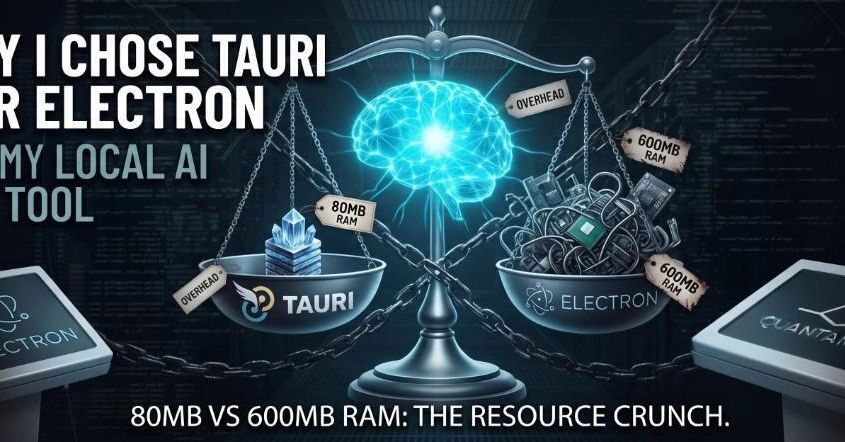
Electron bundles a full Chromium runtime and a Node.js process into every app. Your UI is a web page rendered by that bundled Chromium; your backend logic runs in the Node main process. You ship the browser with the app, which is why every Electron app behaves identically everywhere — and why every Electron app is large.
Tauri takes the opposite approach to rendering: it uses the operating system's native webview (WebView2 on Windows, WebKit on macOS and Linux) instead of bundling a browser, and the app core is Rust. Your UI is still a web frontend, but the binary does not carry a browser, and your native logic is compiled Rust rather than Node.