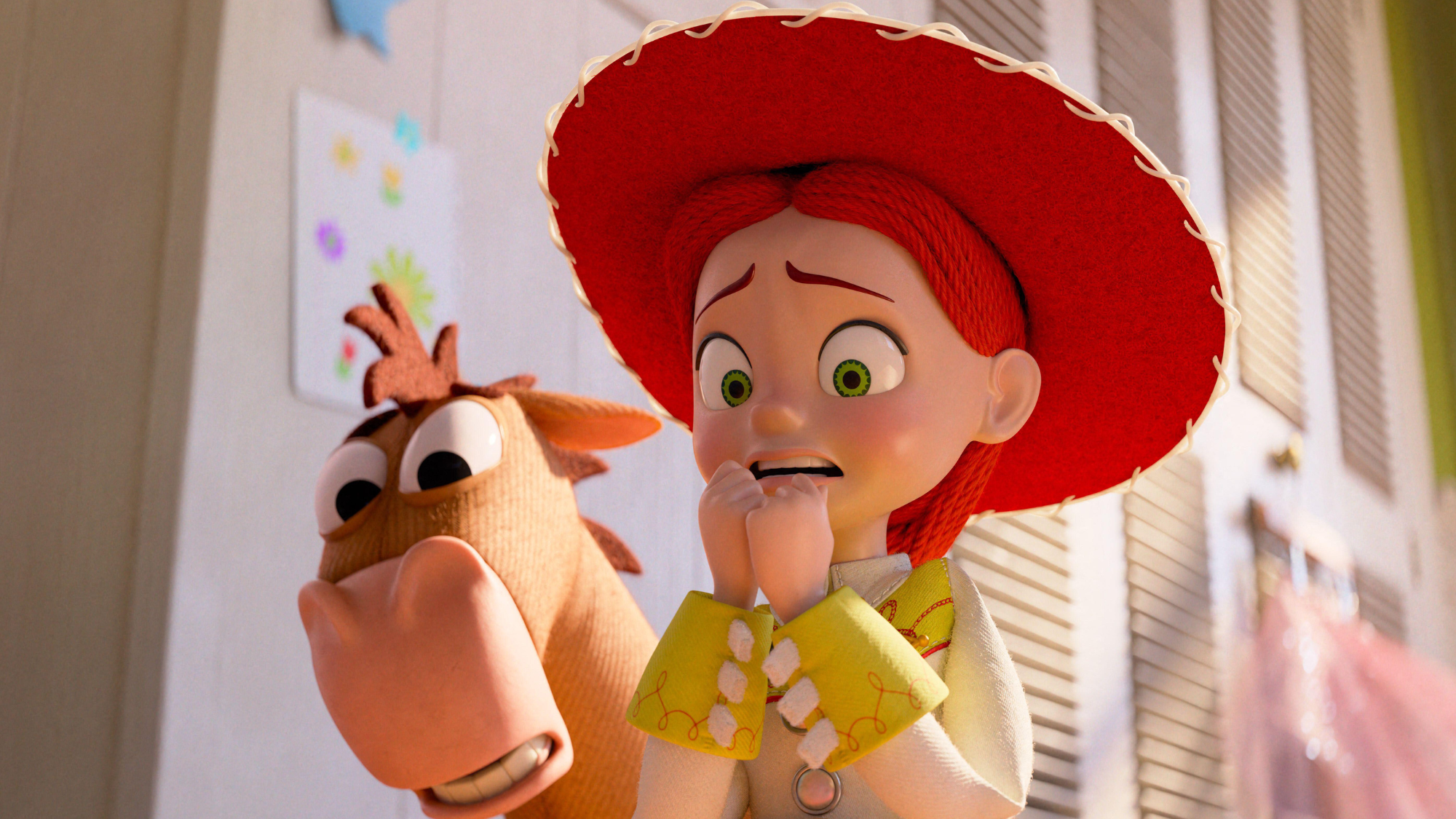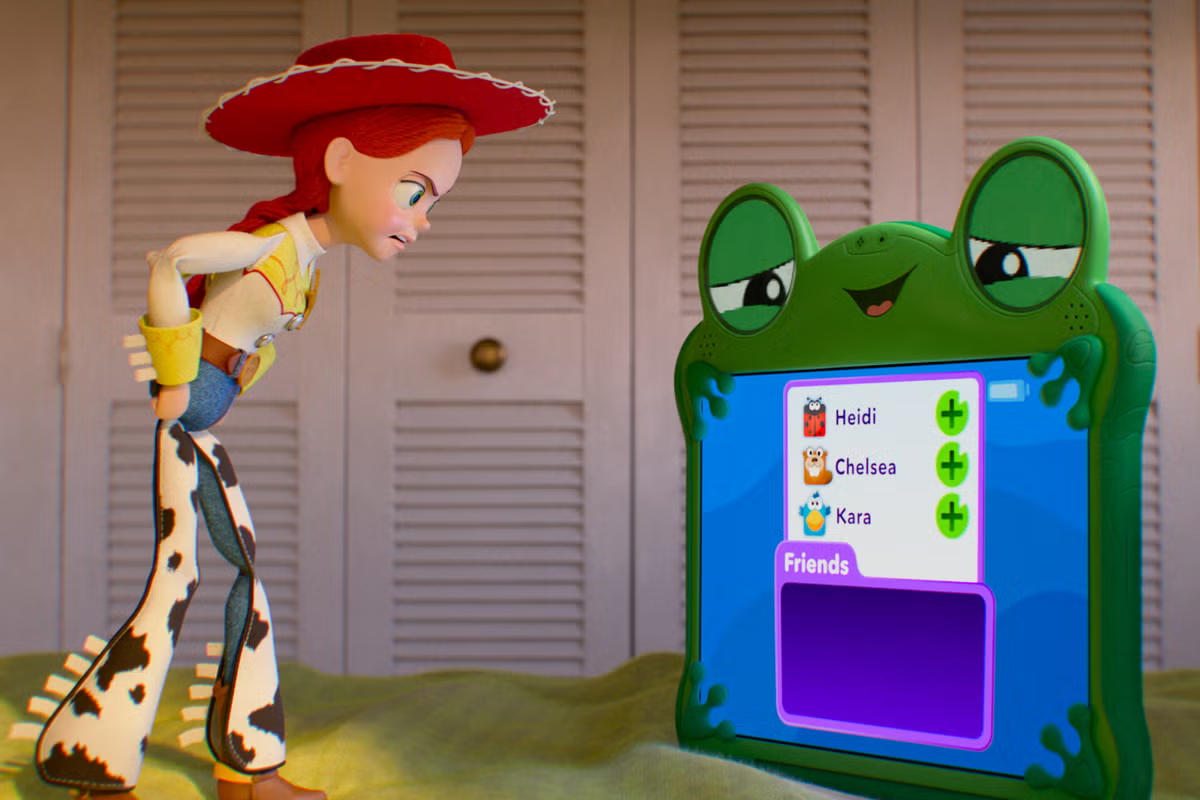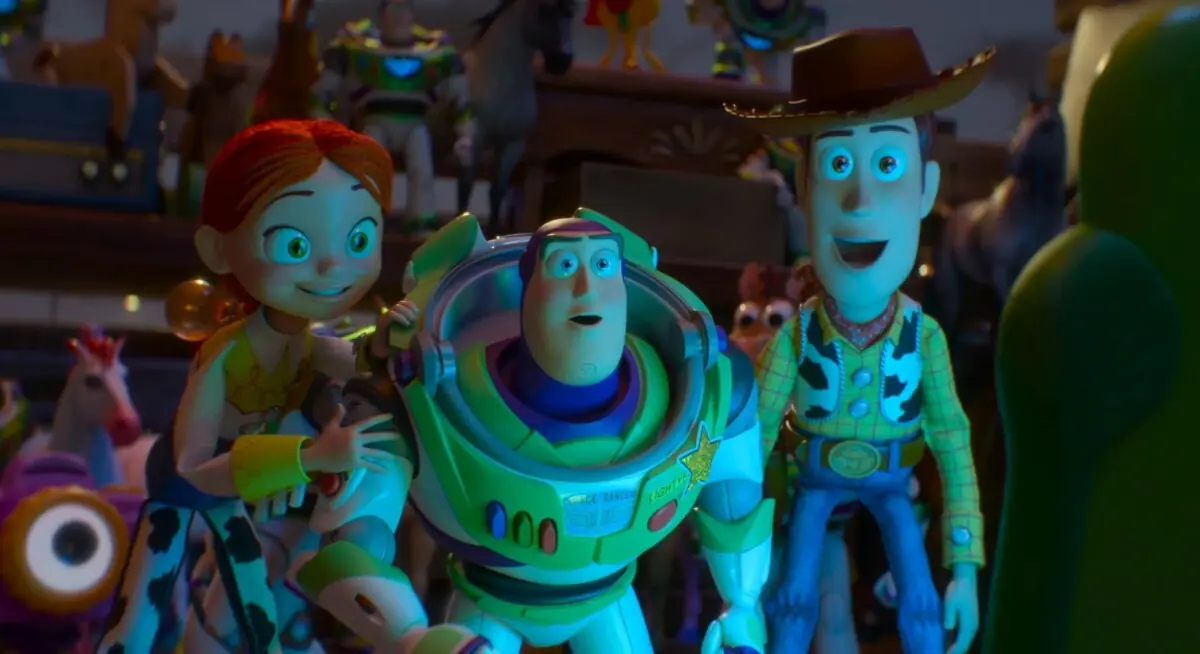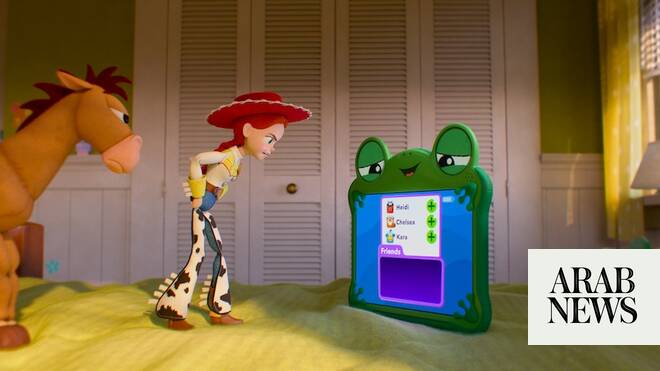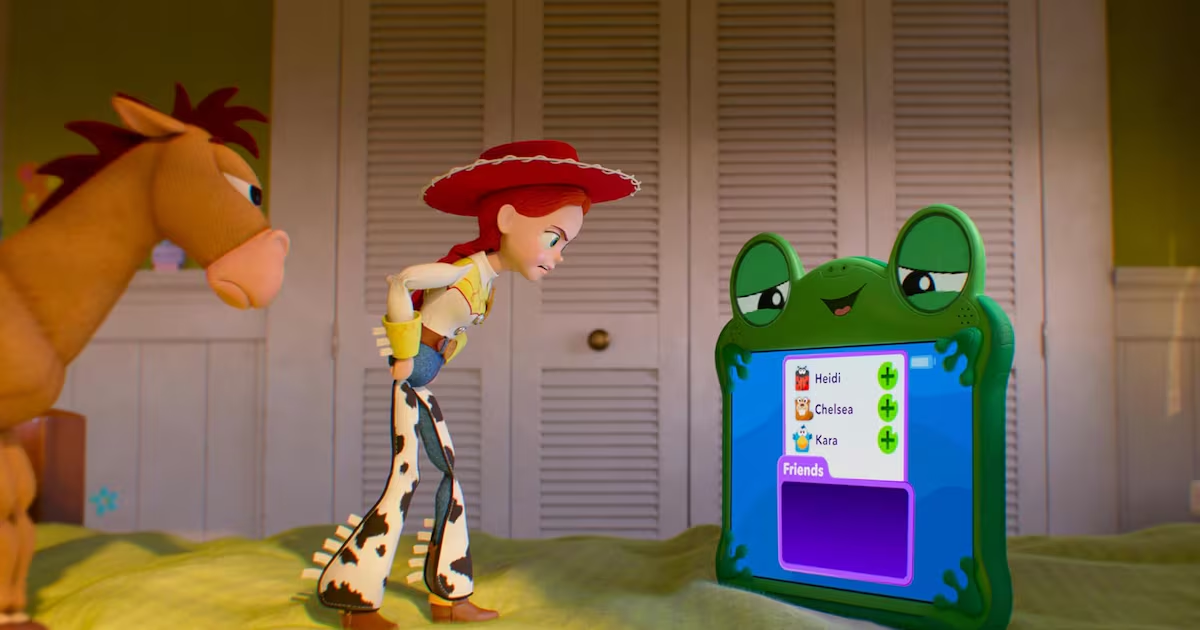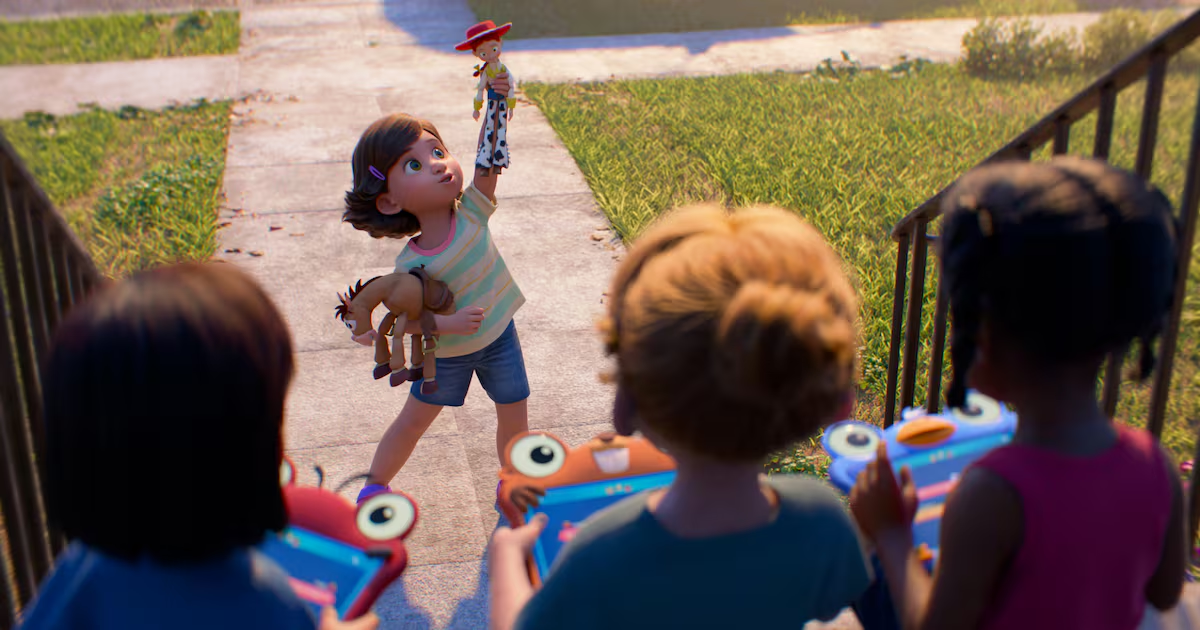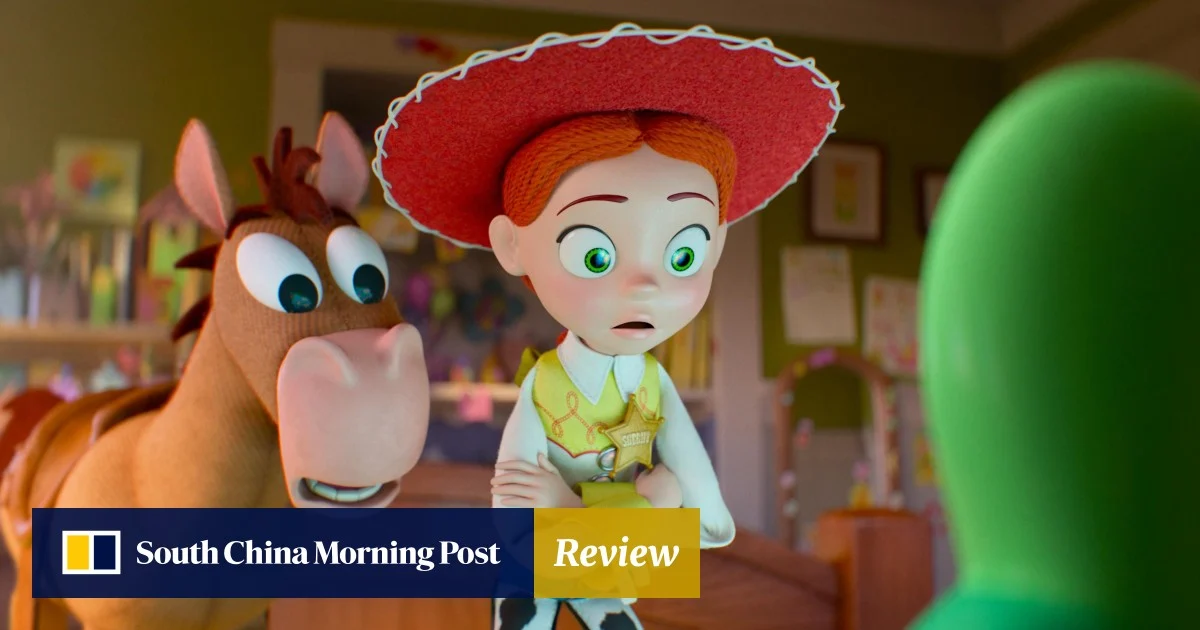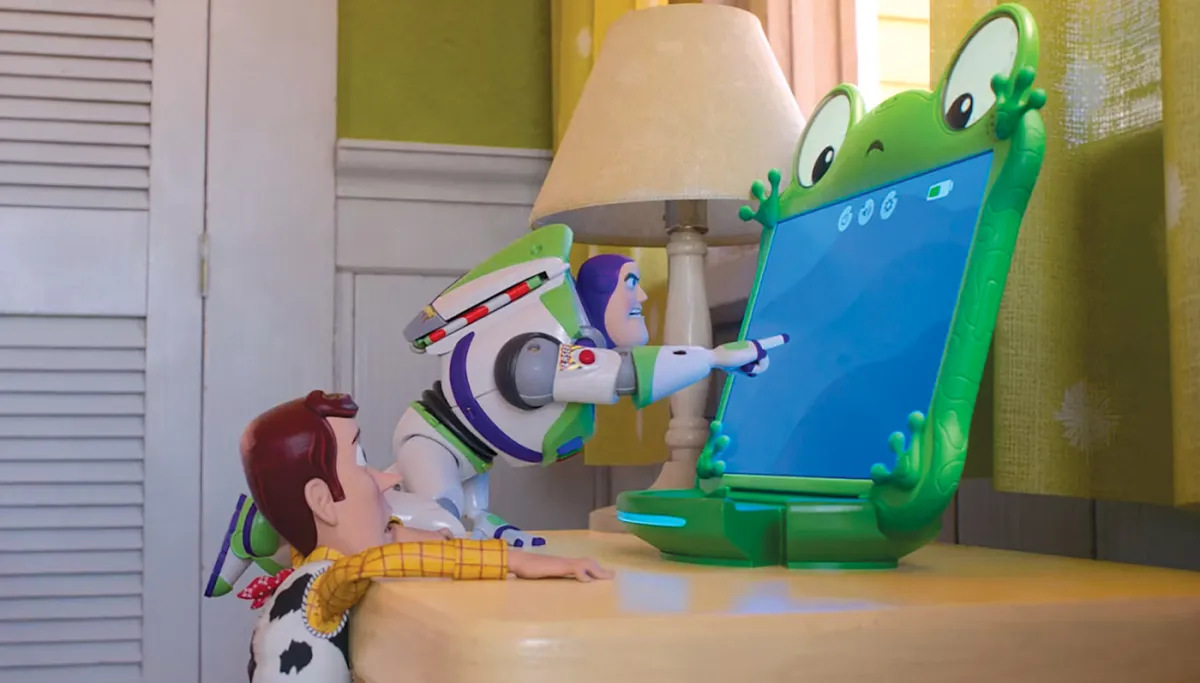
The new Disney-Pixar movie Toy Story 5 is less a cartoon than a brief for better parenting practices, and those parenting practices include children hanging onto their toys for as long as possible. Forget books, forget concerts, forget free play: the secret to raising a well-adjusted child is having lots of plastic action figures and worn ragdolls around the house. Or so say the moviemakers.What’s more, the movie — the latest in a depressing succession of sequels to the admittedly clever 1995 feature Toy Story — asks the audience to make fine distinctions between old-fashioned, analog toys that depend on their owner’s imagination and high-tech devices that induce their users to tap and scroll in a state of zombielike stupefaction. Let’s set aside that this argument, so far as it goes, is correct. It is certainly encouraging that Hollywood, itself increasingly dependent on streaming, would mount a case against the ubiquity of screens in the modern American childhood. Yet there is something distressingly childlike itself about the argument: To contend that one species of toys is superior to the other, while conceivably accurate and in this case actually accurate, is also to oversell the importance of toys, any toys, in the scheme of life. Pardon me for sounding like the Grinch, to mix my cartoon metaphors, but if a film critic doesn’t take the Toy Story series seriously, who will?
Review of Toy Story 5: We're all too old for the new sequel
The movie asks the audience to make fine distinctions between old-fashioned, analog toys that depend on their owner’s imagination and high-tech devices.
1,082 words~5 min read