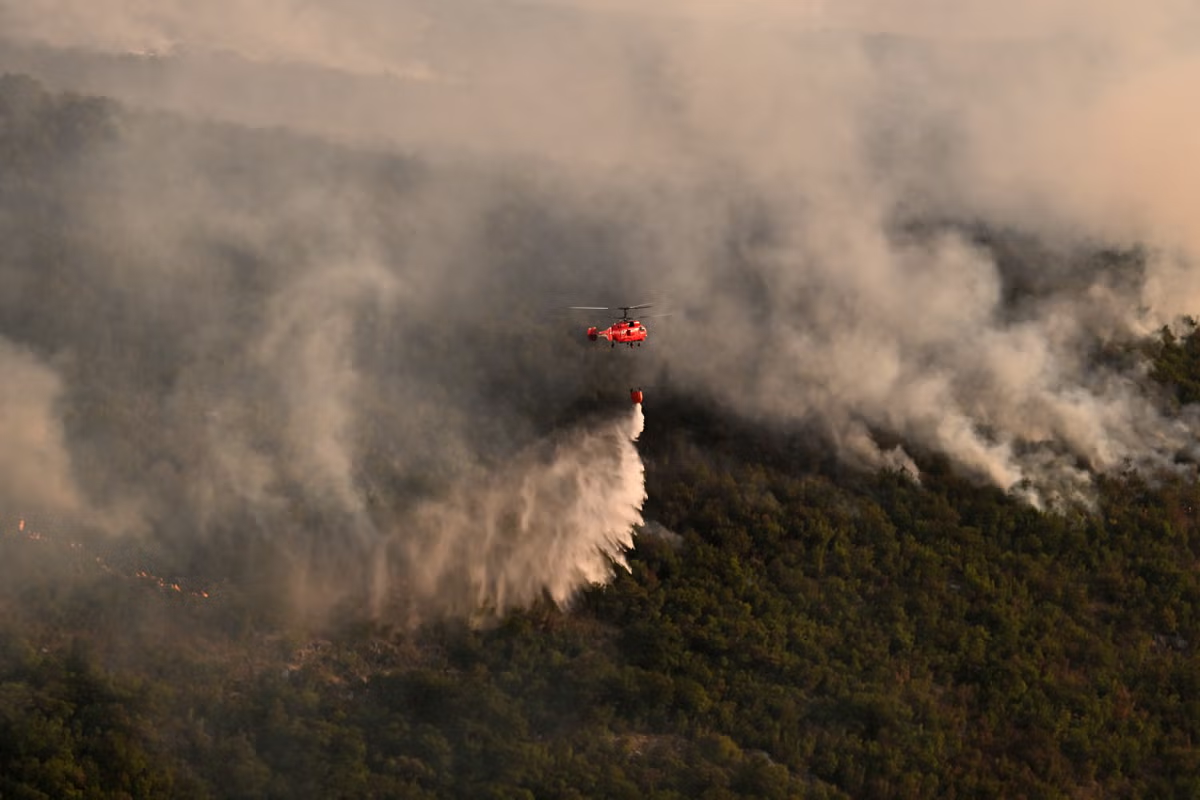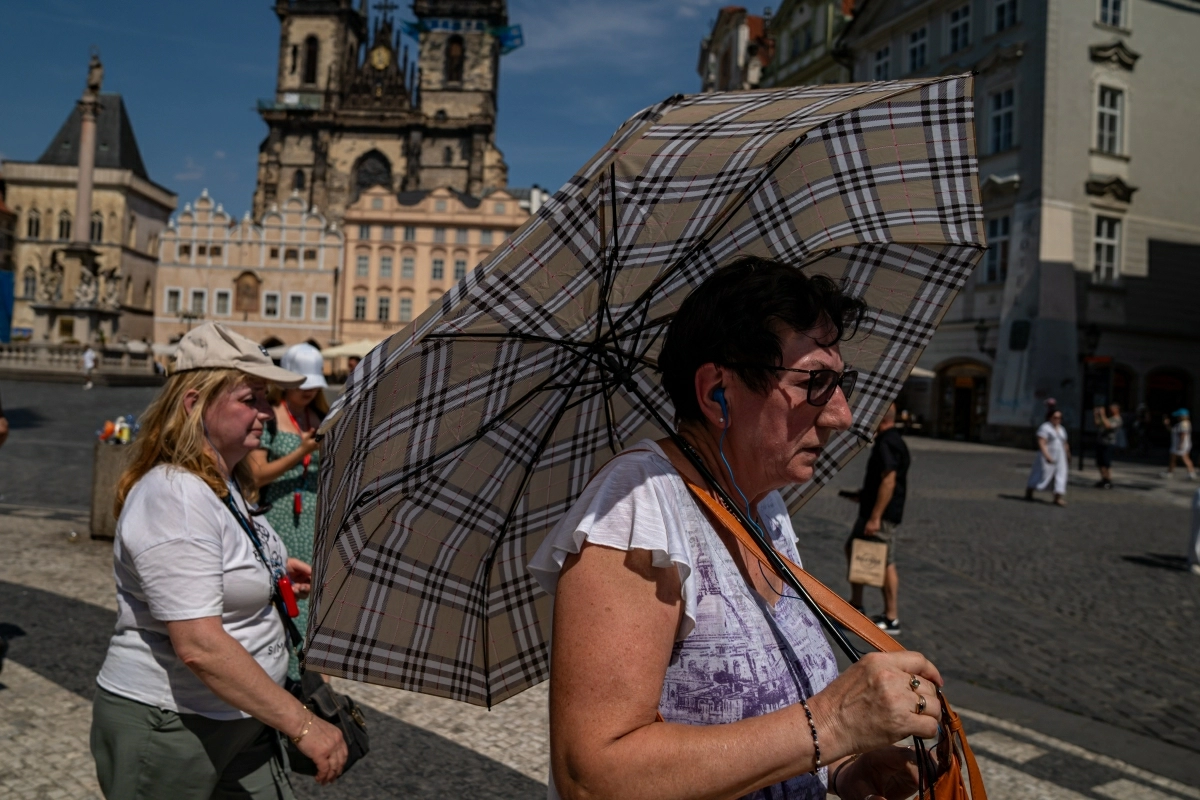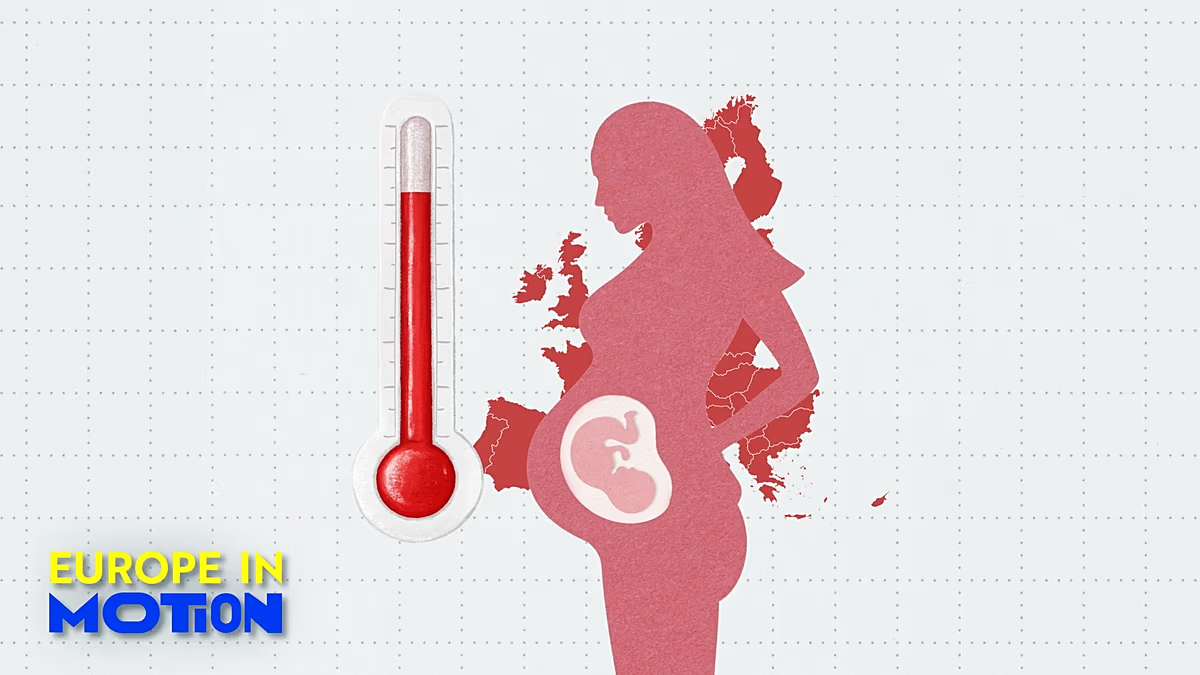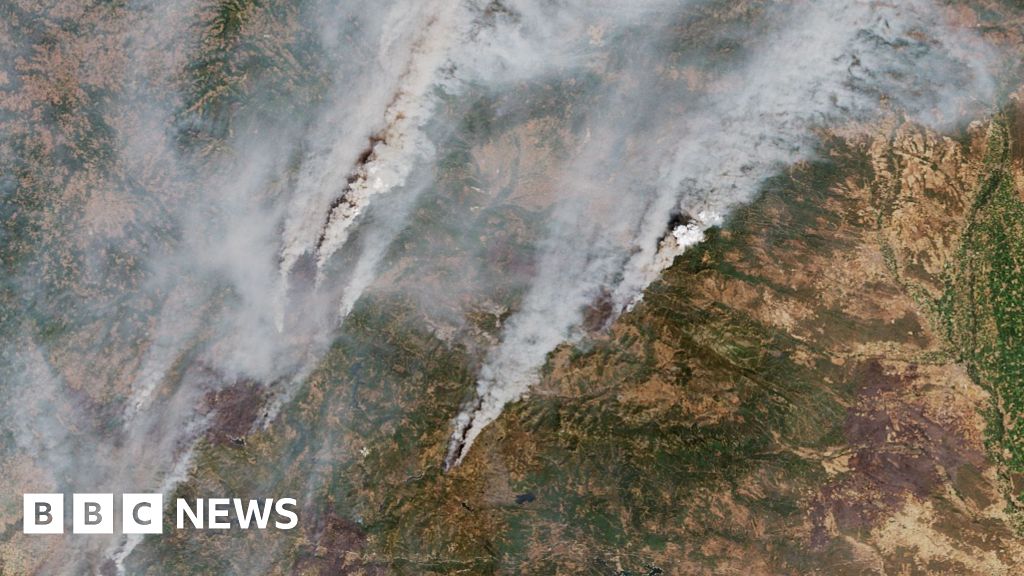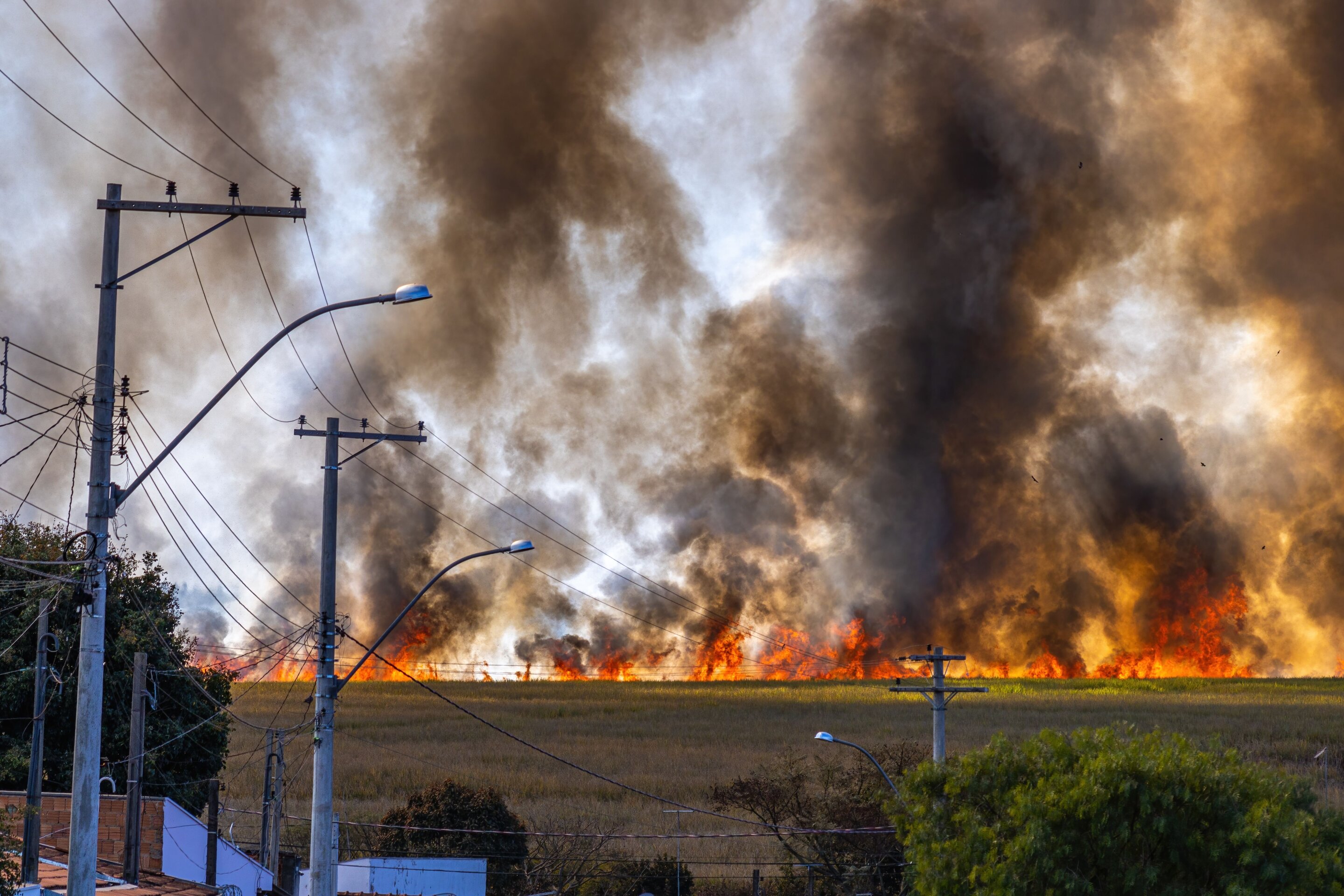
Temperatures climb to new record highs every summer. In many parts of Europe, this marks the start of the most dangerous time of year for wildfires. What begins as a natural disaster has far-reaching consequences for the health of people in affected areas.
In their latest study, Risto Conte Keivabu of the Max Planck Institute for Demographic Research (MPIDR) and Maria Rubio Cabañez of the Center for Demographic Studies (CED) and the Autonomous University of Barcelona examined the impact of wildfires on birth outcomes in Spain. The researchers analyzed the impact of proximity to wildfires and associated air pollution on health at birth. The paper is published in the journal Demography.
To this end, they analyzed data on about 3.4 million births in Spain between 2008 and 2021 from the National Institute of Statistics. These data cover about 85% of all births in Spain during this period. In their analyses, the researchers paid particular attention to the severity of exposure to wildfires. They compared pregnant women in communities affected by wildfires with those in unaffected communities to investigate the effects of wildfires on birth outcomes.
The results of the study show that exposure to wildfires and the resulting air pollution have a small but consistent negative impact on birth outcomes. Children born to mothers exposed to wildfires or air pollution had lower birth weights and an increased risk of preterm birth. These effects were observed across all segments of the population. No significant differences were found among socioeconomic groups.