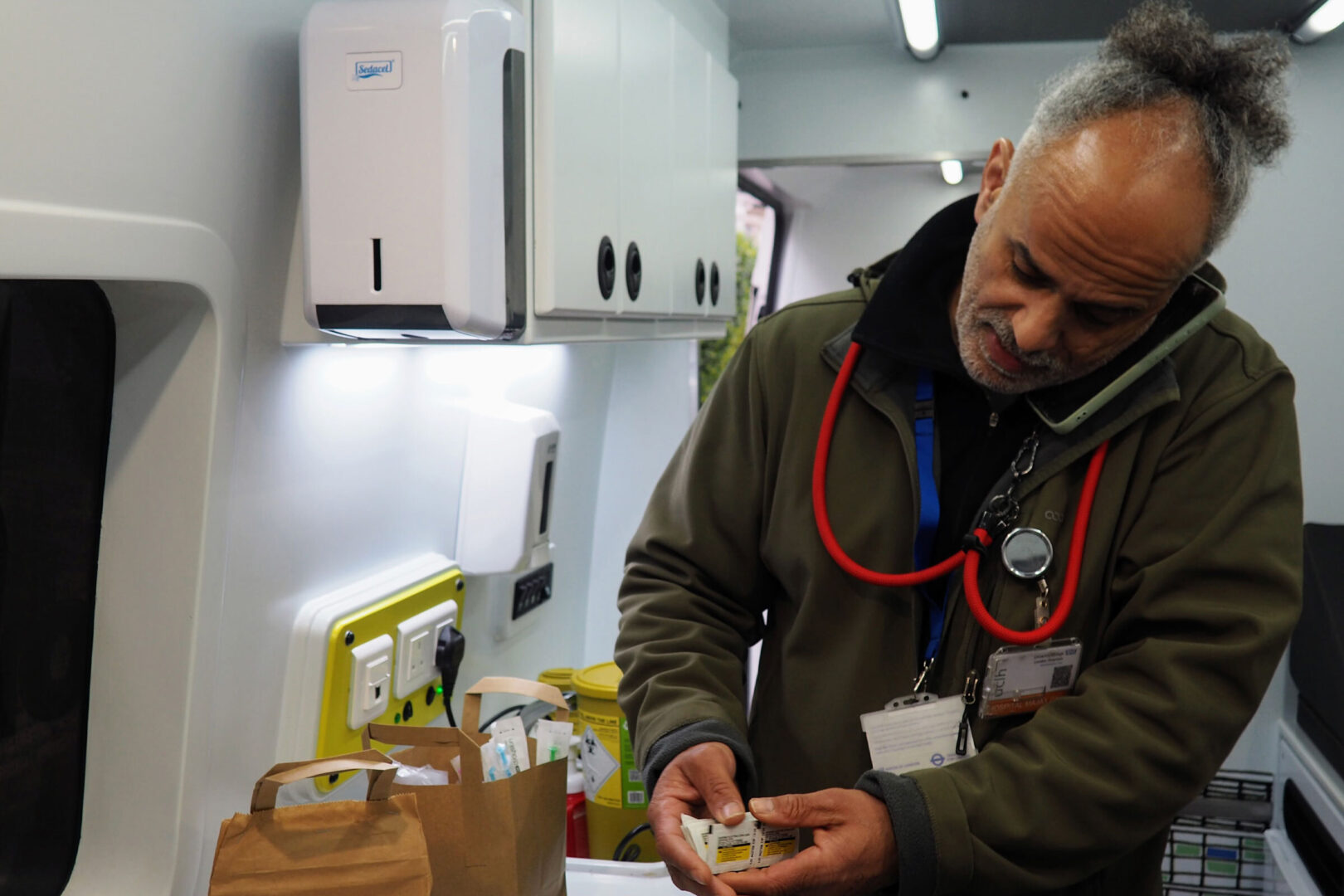
Hundreds of people in England who were unknowingly living with HIV are receiving a diagnosis and starting life-saving antiretroviral treatment, thanks to a pioneering NHS testing initiative rolled out in hospital emergency departments (EDs).
The latest NHS data show 1,900 previously undiagnosed cases of HIV have been identified by the NHS Blood Borne Virus Opt-Out Testing Program since it began in April 2022.
Under the first-of-its-kind large-scale NHS program, adults visiting a major hospital ED in 88 towns and cities with a high rate of diagnosed HIV, who are having blood taken as part of their visit, are also routinely tested for HIV and hepatitis B and C unless they choose to opt out.
If someone's test comes back positive for HIV (or hepatitis B or hepatitis C), the person is offered specialist support from the NHS, and a treatment plan is agreed with them.
Almost all (93%) newly diagnosed individuals in the program had no record of a prior HIV test, according to research by the UK Health Security Agency (UKHSA), which health chiefs believe shows the initiative is reaching people who are unlikely to be tested routinely through other routes.