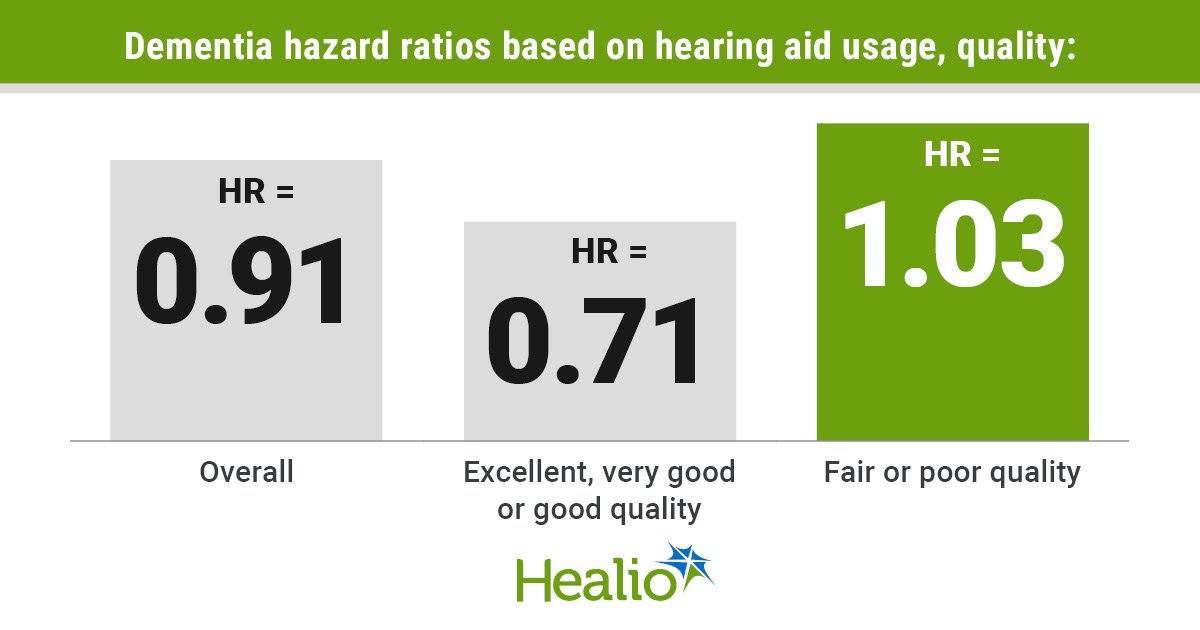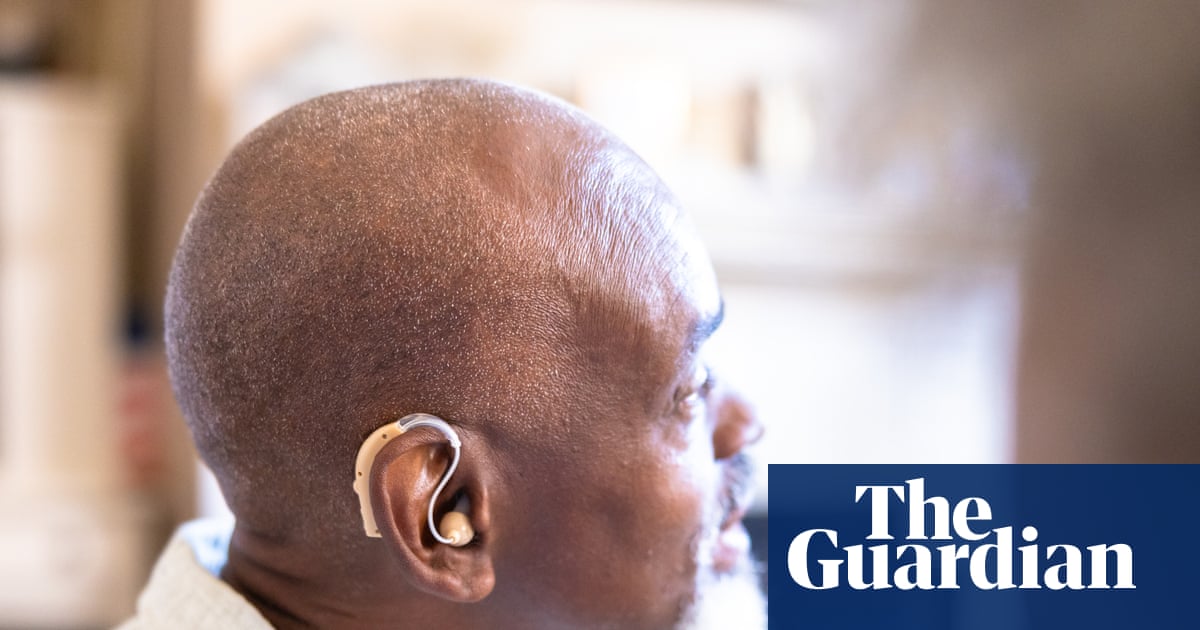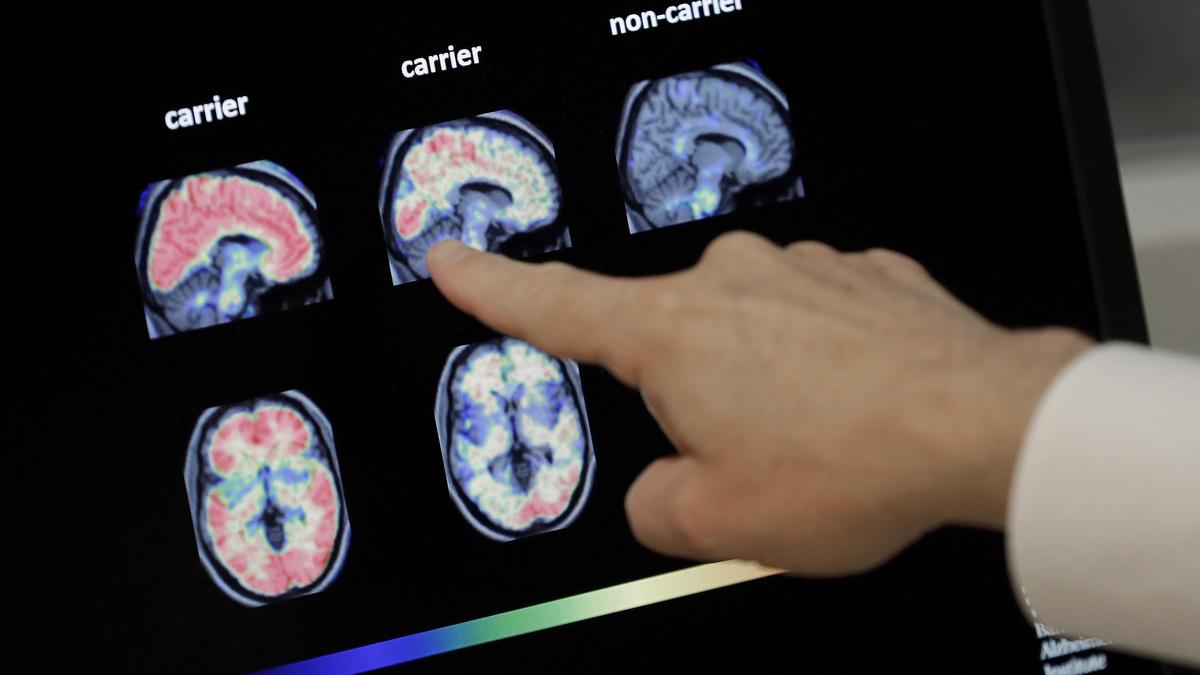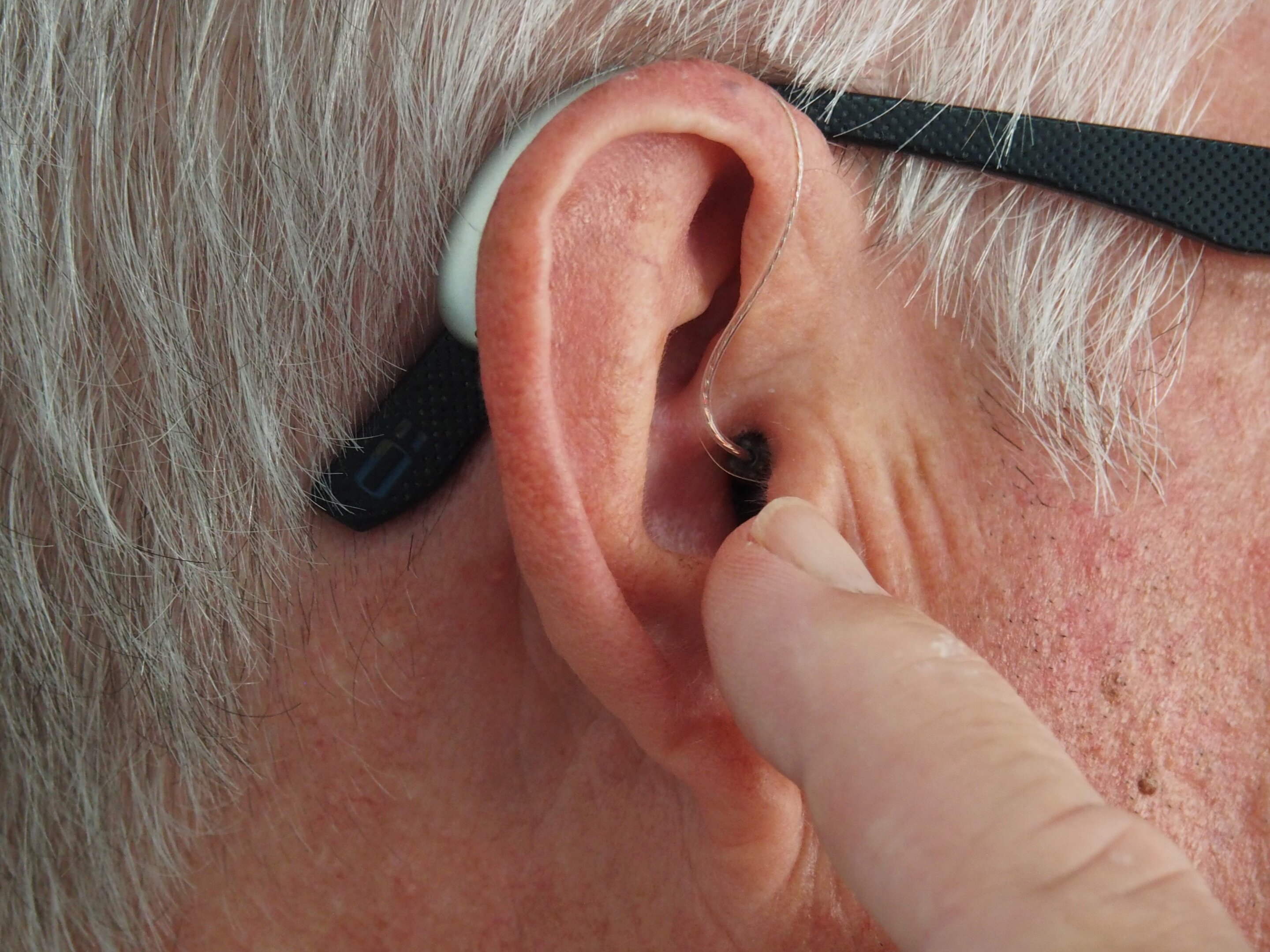
Adults with both epilepsy and hearing loss who use hearing aids may have a 23% lower risk of developing dementia than those who do not, according to new research presented at the European Academy of Neurology (EAN) Congress 2026.
Hearing loss is widely recognized as the largest modifiable risk factor for dementia. Yet whether hearing aids can reduce dementia risk remains debated. In particular, it is unclear whether any benefit may be greater in people with neurological, metabolic or cardiovascular conditions that place them at increased risk of developing dementia.
To explore this, researchers from University Hospital Zurich and the University of Liverpool analyzed electronic health records from more than 250 million patients in the TriNetX network. They compared adults with hearing loss who used hearing aids with closely matched adults who did not. The analysis included the overall hearing-loss population as well as people living with epilepsy, stroke, type 2 diabetes, chronic kidney disease, heart failure, migraine and osteoarthritis.
A signal limited to epilepsy
No significant association was found between hearing aid use and dementia risk in the overall population with hearing loss, nor among people with stroke, migraine, type 2 diabetes, chronic kidney disease, heart failure or osteoarthritis.