Courtesy of Kat Carabio
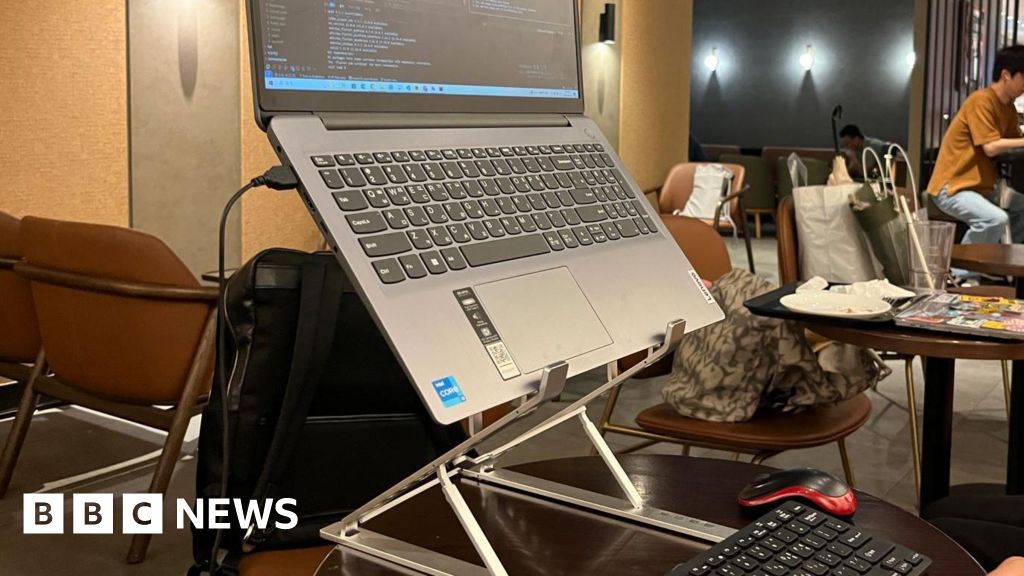
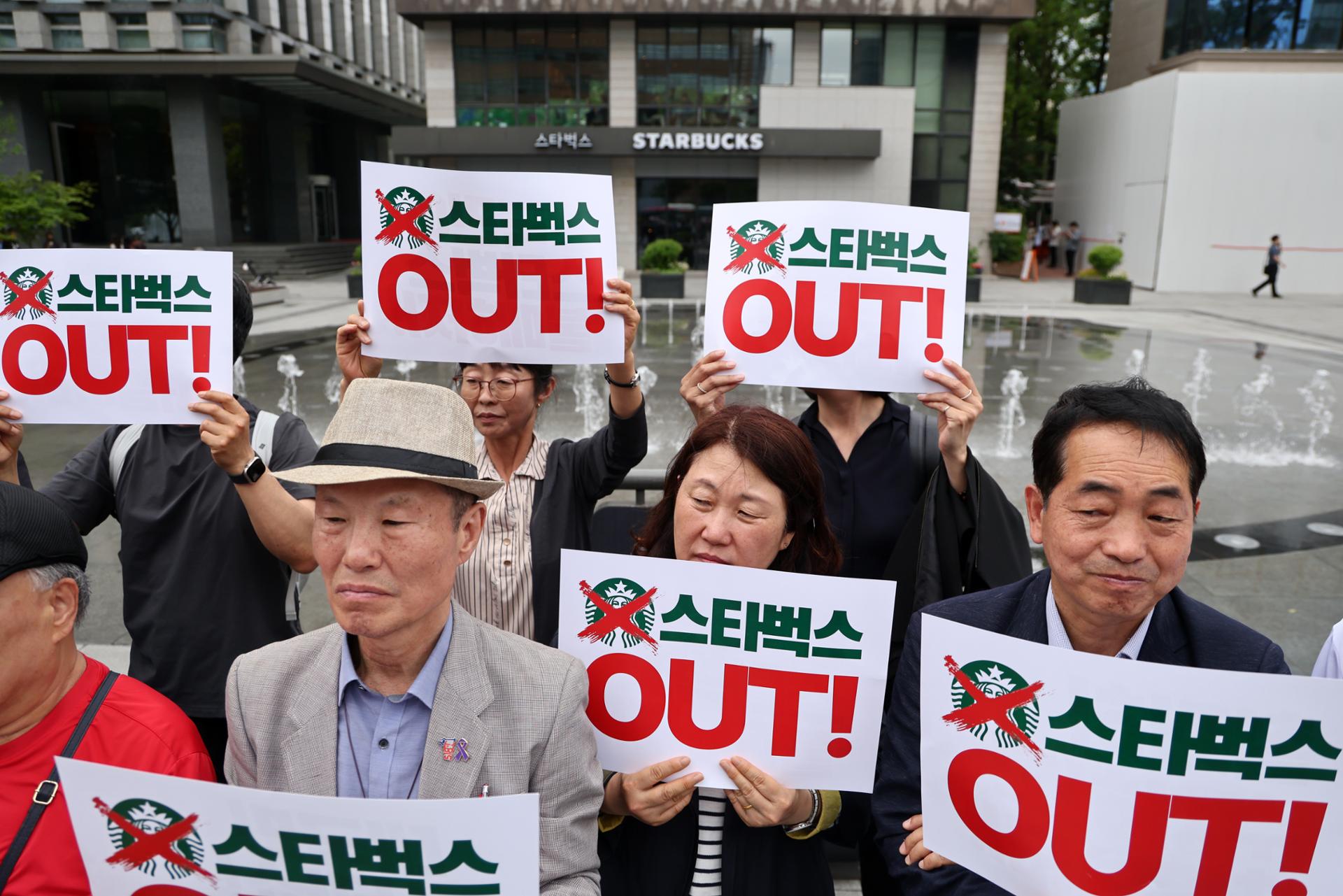
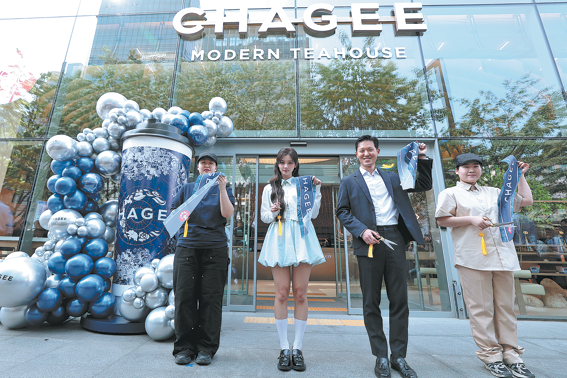
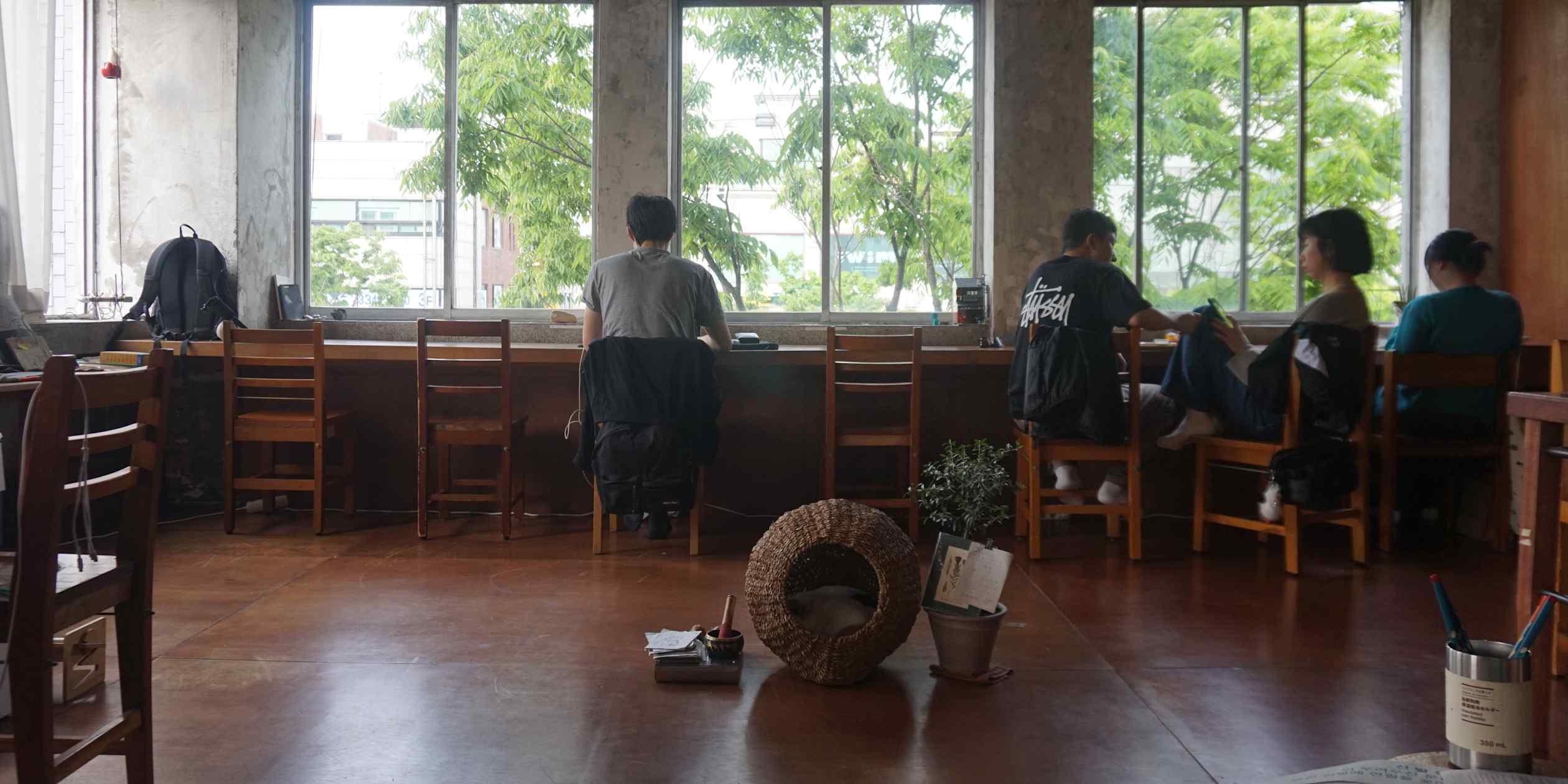
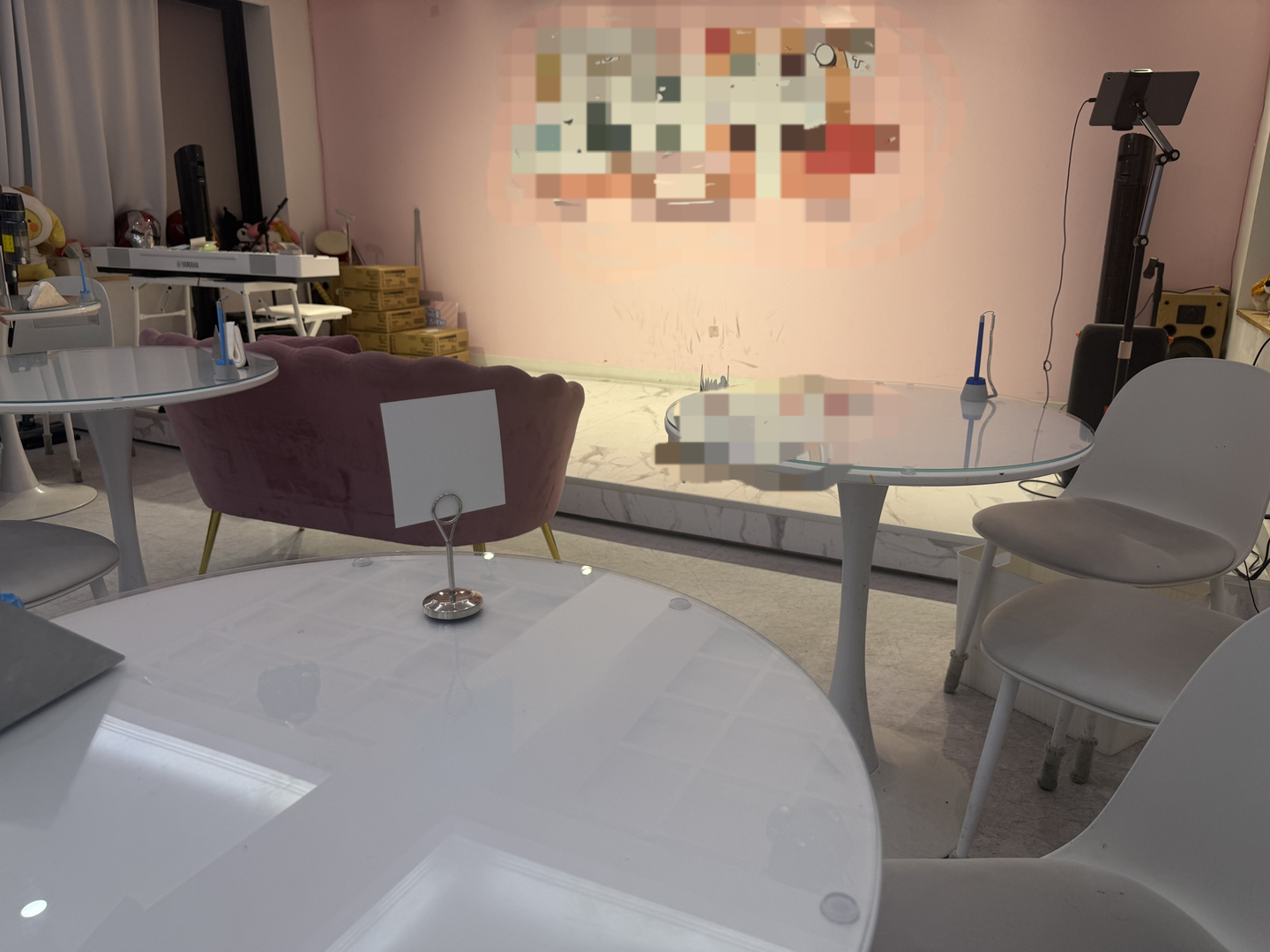
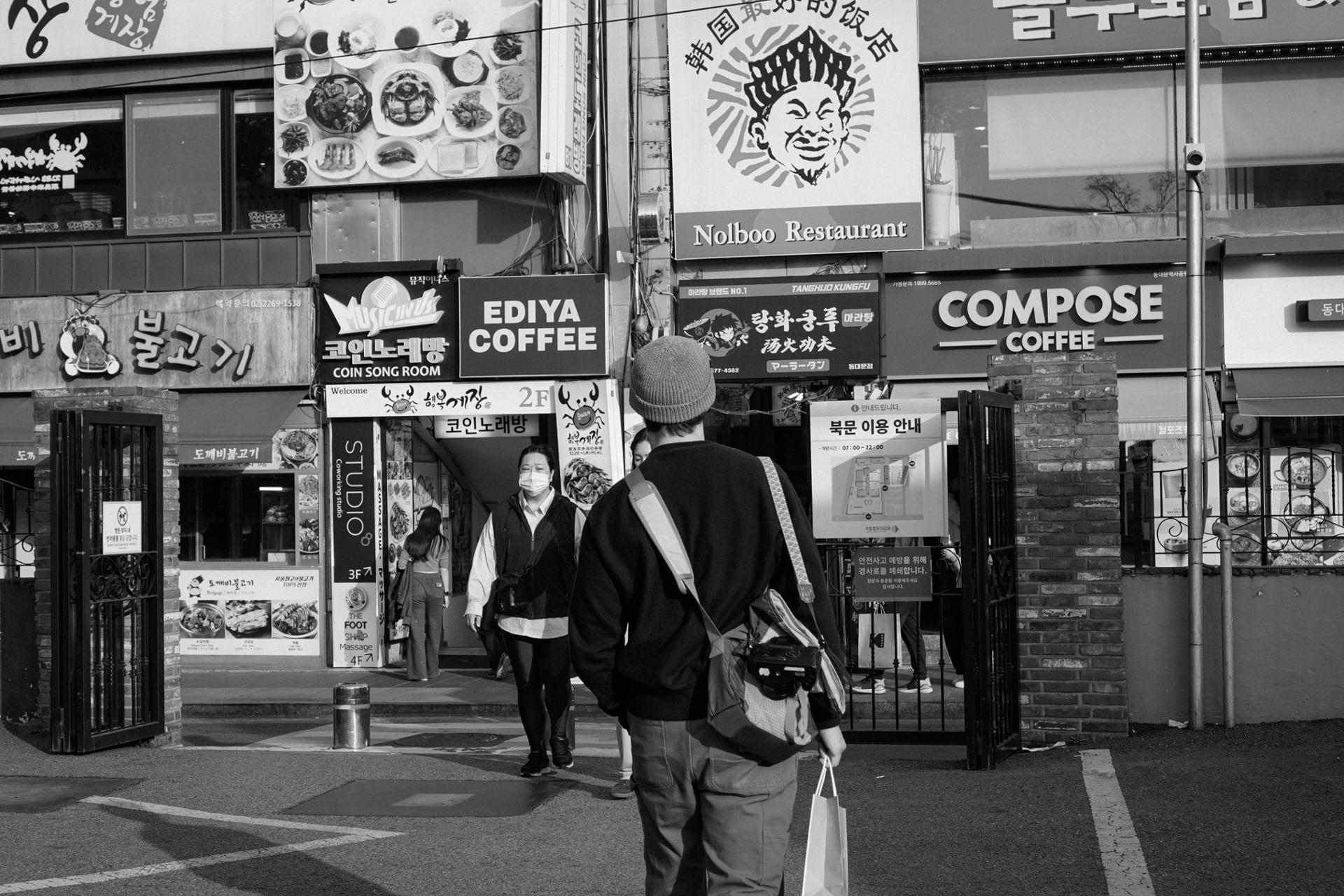
To talk about the café economy in Seoul is to talk about an architecture of disappointment. A noisy and rumbunctious ever-moving organism of tents, ajumma, toasts, street hawkers, and fake goods has been usurped by air-conditioned coffee shops, all playing the same music, offering the same drinks, and providing the same service. (Admittedly, however, only one of them has recently been forced to issue a groveling apology for not knowing anything about Korean history or, perhaps, knowing too much about Korean history).
Latte is horse
Korean people are often traditionally associated with tea. My friend Brother Anthony has written books on the subject and proudly offers anyone who visits his office to drink from a wonderfully small cup as he creates concoctions of herbal goodness.
And we’re not talking the British kind of “white with two sugars please, darling.” Korean tea is a rainbow of flavors. The southern regions of Boseong and Jeju produce the famous green tea. Yuja tea is made with citron and honey and always given to those with a cold. Boricha (barley tea) is a daily herbal remedy loved by old people and young women on diets. Perhaps the most unique is the ssanghwa-cha — this is still served in some dabang around Seoul and comes complete with a raw egg yolk cracked direct into the top, moving amongst the pine nuts and jujubes to create something you will likely never forget. It’s a mix between medicine and drugs. You feel ironic drinking it in 2026 and unsure whether it’s really good for you or naughty in some way.