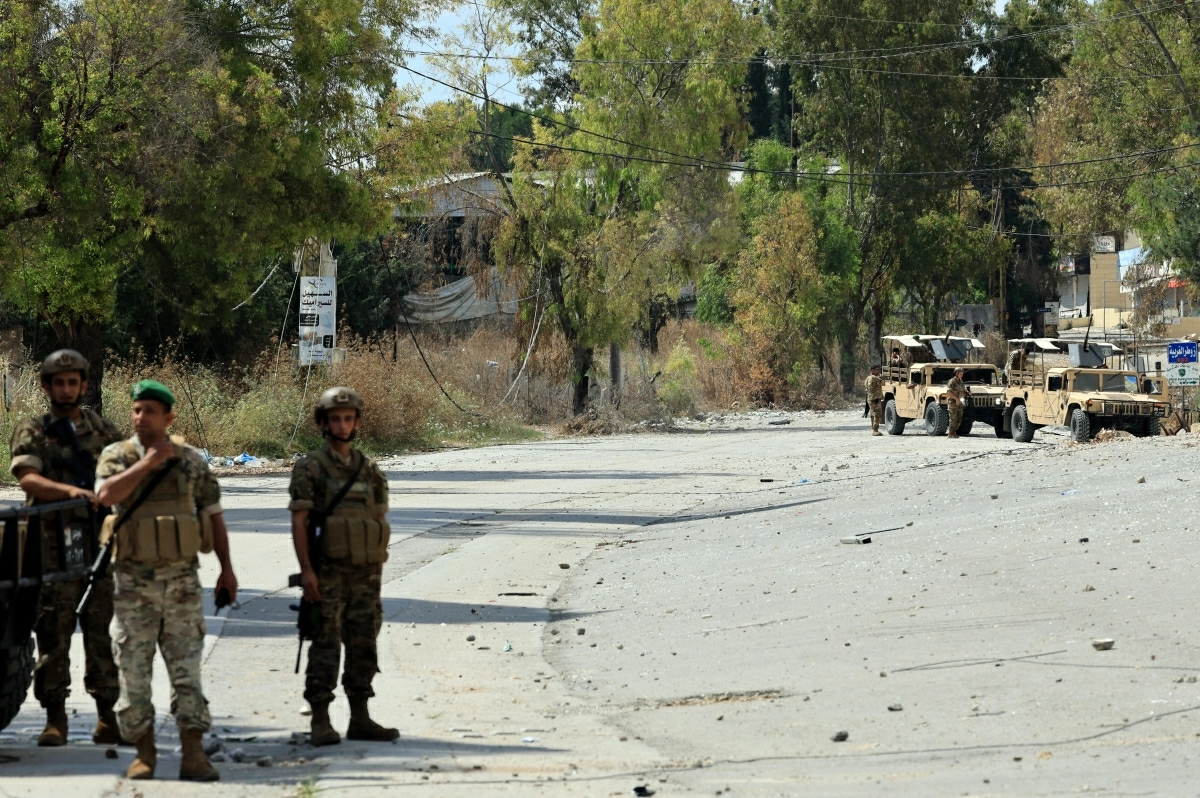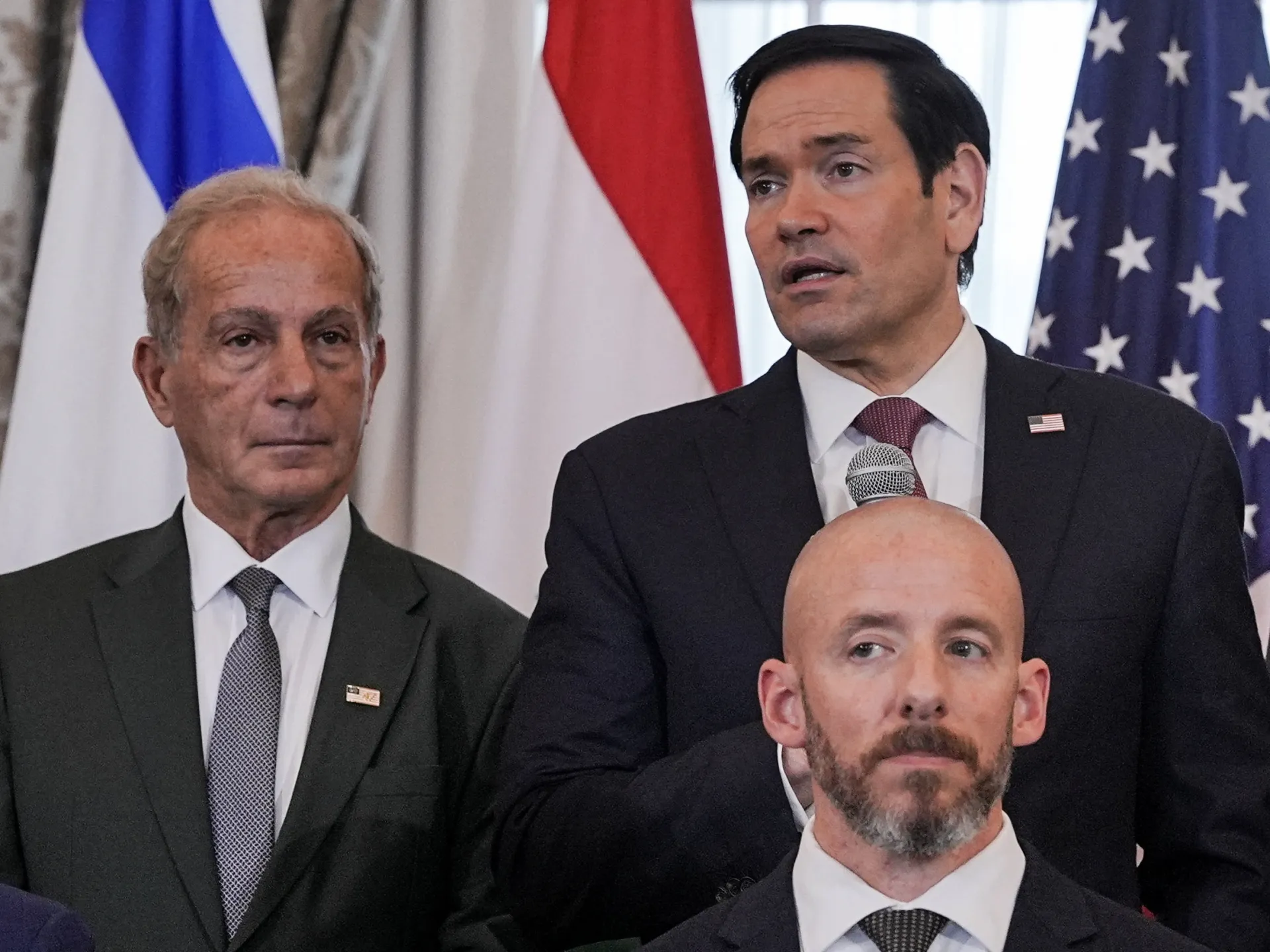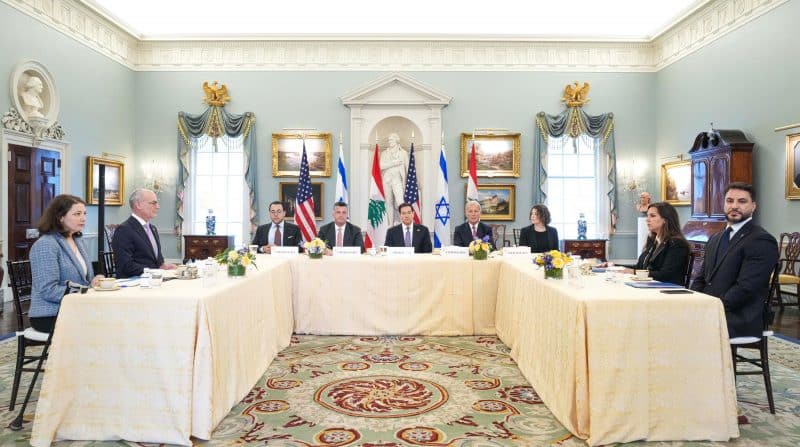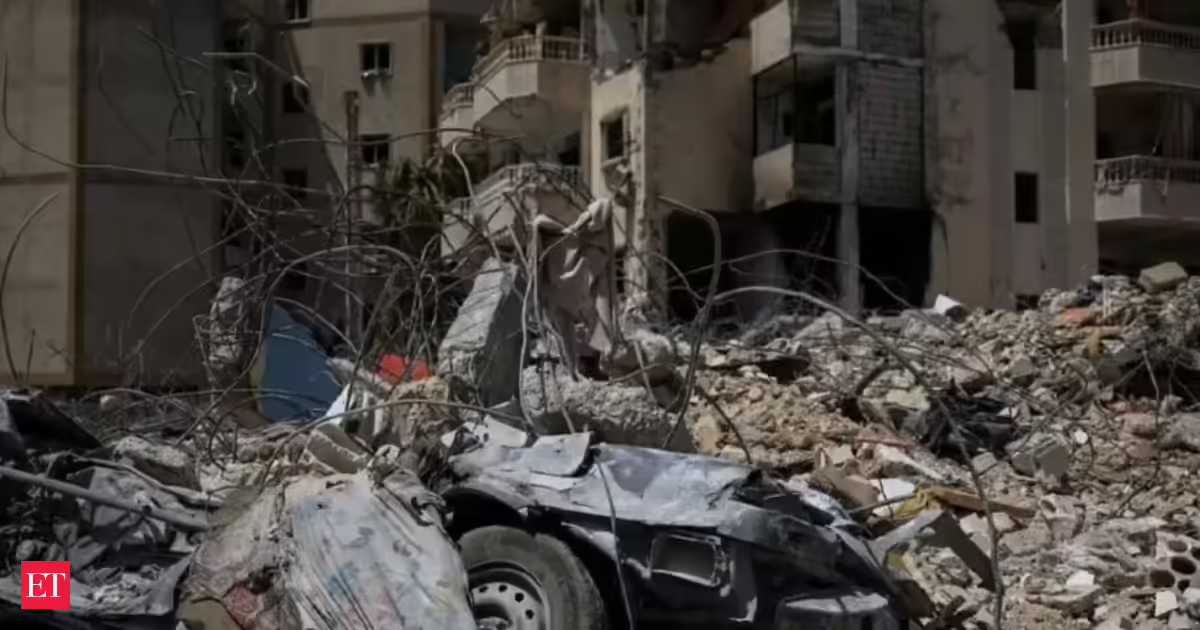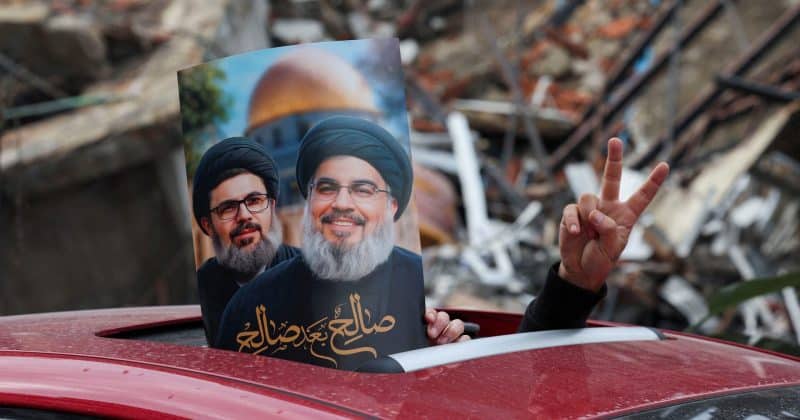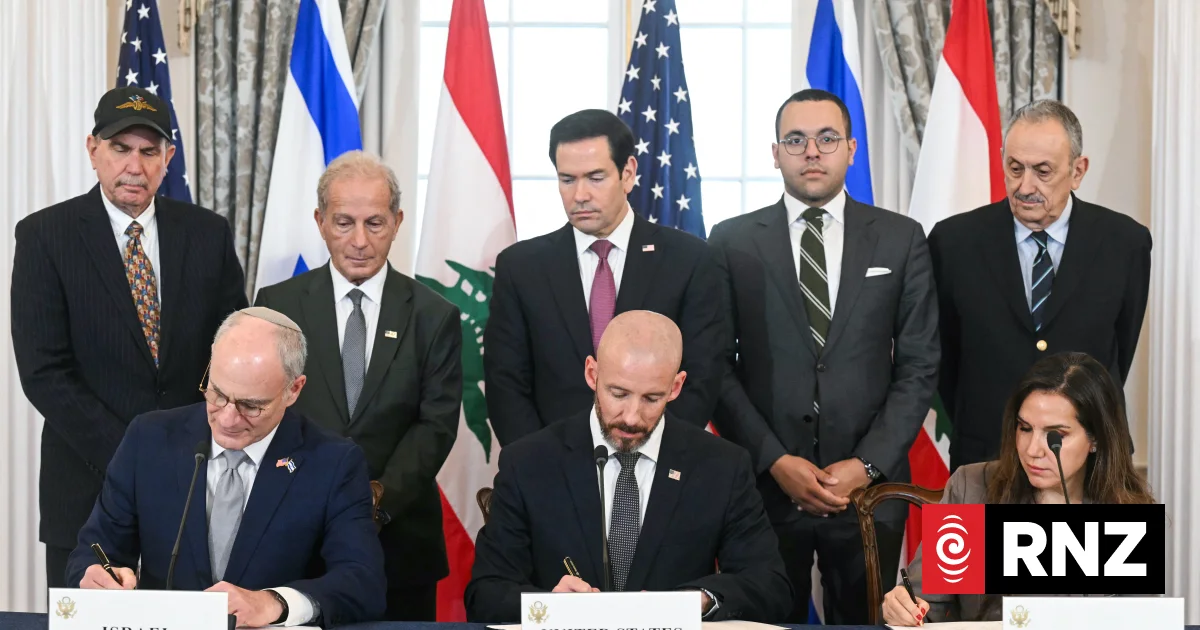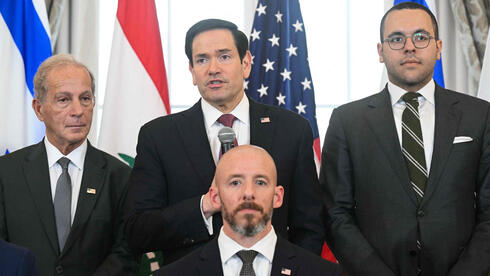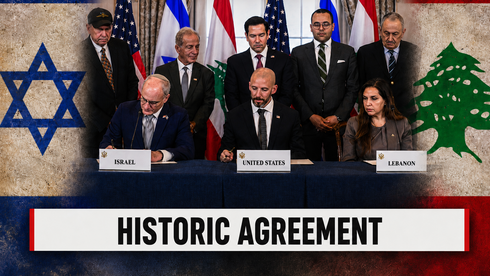
The State Department document says Israel and Lebanon aim to end their conflict through direct talks, restore Lebanese army control over pilot zones, prevent reconstruction funds from reaching armed groups and work toward a full peace and security agreementDennis Bihler|The framework, signed on June 26, 2026, says Israel and Lebanon affirm the right of each state to exist in peace and declare their intention to end the conflict, address its underlying causes and formally conclude any state of war between them.GalleryIsrael-Lebanon framework ties IDF pullout to Hezbollah disarmament (Photo: Saul Loeb/ AFP)The document does not amount to a full peace agreement. Instead, it creates a framework for direct bilateral negotiations, mediated and supported by the United States, and lays the groundwork for a future comprehensive peace and security agreement.At the center of the framework is a reciprocal, sequenced process: the Lebanese Armed Forces, or LAF, would restore effective sovereign authority over Lebanese territory, while non-state armed groups would be disarmed and their infrastructure dismantled. That process, if verified, would allow the IDF to progressively redeploy out of Lebanese territory.The details are to be set out in a Security Annex, developed with U.S. support, which will define the measures, security arrangements and verification mechanisms needed to implement the framework.A key element is the creation of pilot zones, where the LAF would gradually assume full security responsibility. Two initial zones have already been agreed upon by the IDF and the LAF, according to the document, while future zones would require mutual consent.Once the disarmament of non-state armed groups and dismantlement of their infrastructure is confirmed in those zones, the LAF would take full security control, reconstruction efforts backed by international partners would begin and Lebanese civilians would be able to return under the exclusive authority of the Lebanese state.The United States says it intends to work closely with both countries to verify and support the process.Lebanon, for its part, commits in the framework to restoring and exercising full sovereignty over all its territory. The document says the Lebanese government will rebuild the state’s monopoly on the use of force, achieve the complete and verified disarmament of all non-state armed groups and ensure that such groups have no military or security role or armed capabilities anywhere in Lebanon.The Lebanese government also requests support from international and Arab partners, under U.S. leadership, to reach that goal.Signing of the agreement between Lebanon and Israel (Photo: Saul Loeb/ AFP)Israel states in the document that its military actions in Lebanon are solely a consequence of attacks, threats and hostile intent by non-state armed groups, particularly Hezbollah. It says ending that threat through disarmament, dismantlement and additional agreed security arrangements would eliminate any future need for IDF military action or presence in Lebanon.Israel also declares that it has no territorial ambitions in Lebanon.The framework also emphasizes Lebanese sovereignty over decisions of war and peace. Lebanon reaffirms that its security forces hold exclusive responsibility for the country’s security and defense, and that the Lebanese government alone has the sovereign authority to make war and peace.The document rejects any claim by a state or non-state actor to use force on Lebanon’s behalf without explicit authorization, or to exercise a military or security role contrary to Lebanese government decisions and national interests.At the same time, Israel and Lebanon both affirm that nothing in the framework prevents either country from exercising its inherent right to self-defense under the UN Charter and international law. The document also says no third party may exercise that right on their behalf.To oversee implementation, the two governments commit to establishing a military coordination group with U.S. support and participation.The framework says both countries share the objective of a secure and rebuilt Lebanon under full state sovereignty, where no non-state armed group poses a threat to Israel, Lebanon or civilians in either country. It links long-term stability to the restoration of security in southern Lebanon, LAF deployment, the safe return of Lebanese civilians and the security of Israel’s northern communities.U.S. assistance to Lebanon under the framework would be tied to strict conditions. The document says any new American support for the LAF and related efforts would be conditioned on verifiable milestones, full transparency, demonstrated results and ongoing oversight.Separately, the United States says it will work to rally international partners to help rebuild Lebanon, repair infrastructure, restore the economy and create opportunities for prosperity. This is expected to include reconstruction and humanitarian assistance, economic recovery programs and investment initiatives.The framework also seeks to prevent reconstruction funds from reaching armed groups. Lebanon and the United States commit to preventing money from flowing to any entity, organization or individual affiliated with non-state armed groups, and Lebanon explicitly commits to blocking reconstruction funds from reaching those groups or connected entities.Following the signing, Israel and Lebanon are expected to establish working groups to draft a full comprehensive peace and security agreement. The two governments will also open complementary tracks of ongoing direct engagement, facilitated by the United States.The framework says both sides commit to proceeding in good faith until a full and lasting peace is achieved.As part of confidence-building measures, Israel and Lebanon also commit to steps demonstrating positive intent, including ending hostile or adverse actions in international political or legal forums and working toward the search for and return of remains and the release of detainees.The document concludes by acknowledging the role of the United States in supporting efforts to end decades of conflict and establish lasting stability and comprehensive peace between Israel and Lebanon, and expresses appreciation for the leadership of President Donald J. Trump.
US-backed Israel-Lebanon framework ties IDF pullout to Hezbollah disarmament: Inside the agreement
The State Department document says Israel and Lebanon aim to end their conflict through direct talks, restore Lebanese army control over pilot zones, prevent reconstruction funds from reaching armed groups and work toward a full peace and security agreement
924 words~4 min read