Story audio is generated using AI
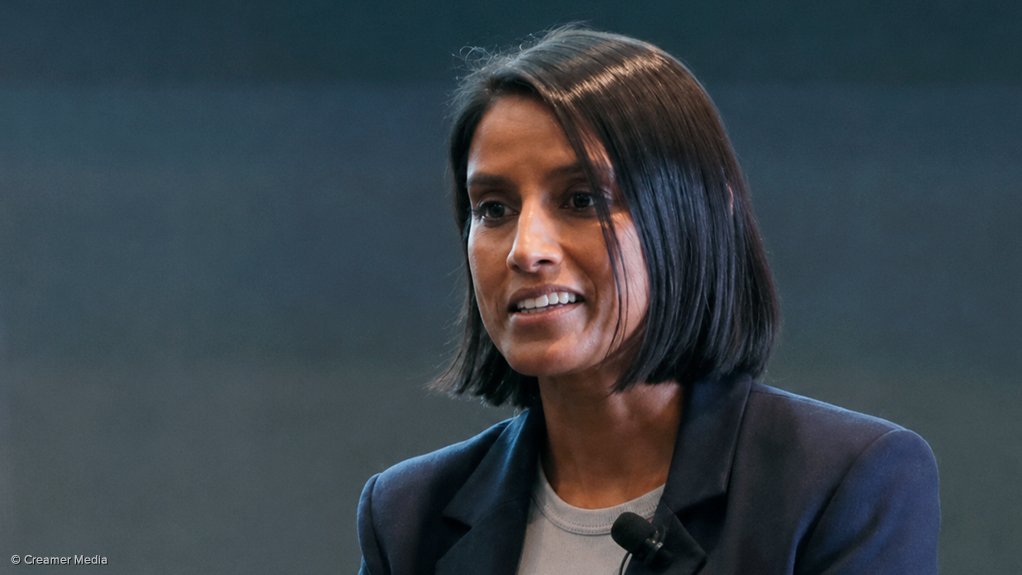
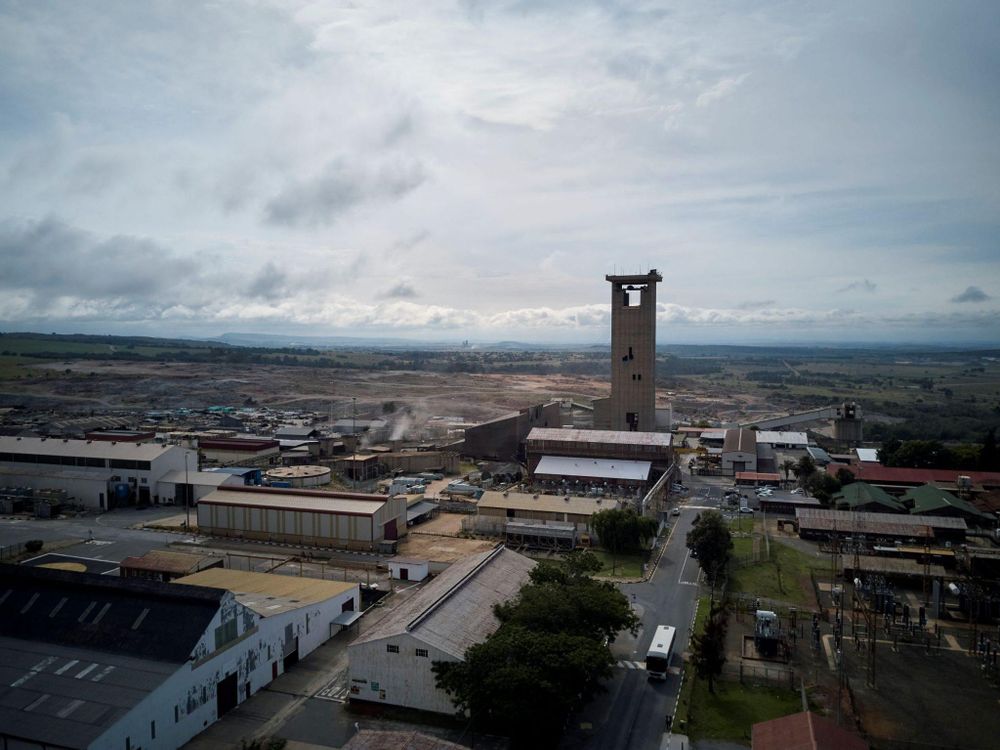
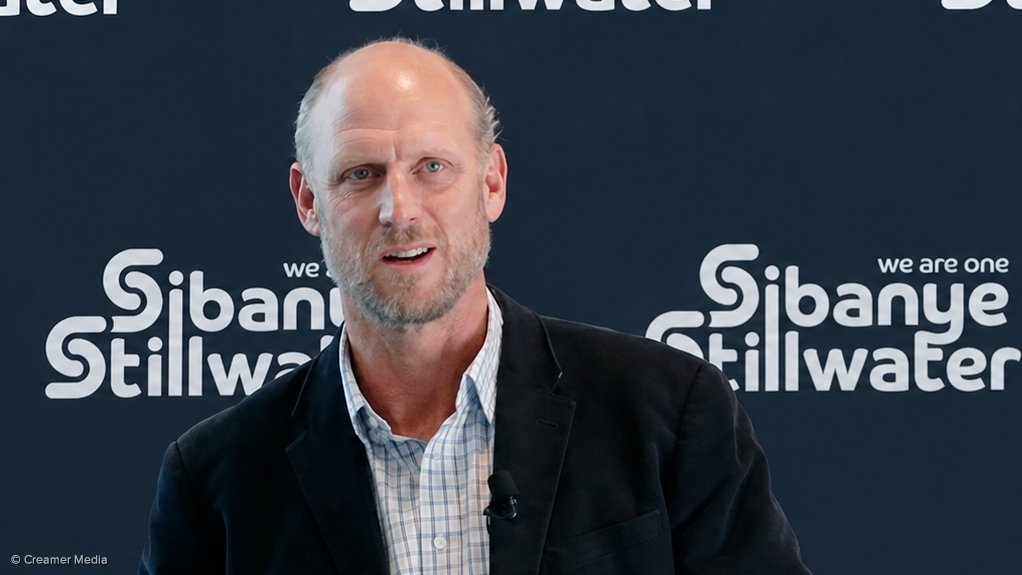
Sibanye-Stillwater this week unveiled ambitions to become a top-five global chrome recovery company amid expectations of firmer prices as output from its South African PGM mines declines.Chrome is a byproduct of the platinum group metal (PGM) process, with South Africa, Zimbabwe, Kazakhstan, Türkiye and India the key producers of chrome, which is primarily used to make ferrochrome, a key ingredient in steel.Executives at the group told analysts during the group’s Southern African capital markets day in Johannesburg this week that chrome is becoming more than an important byproduct for the group’s PGM division.“Chrome is no longer just a byproduct in our thinking. It is a deliberate value-added stream that improves margins and strengthens project economics. We see a pathway to becoming a top-five significant chrome producer in the world,” said Richard Cox, COO of South African operations.The group plans to become a major chrome processor, much like DRDGOLD has been a leading gold tailings company. “You see what DRDGOLD has been able to do in gold; we are going to do that in PGMs,” he said.The group’s bullish outlook for chrome comes after its chrome management agreement (CMA) with Glencore-Merafe JV signed in 2025, which strengthens its chrome recovery position. The CMA has enabled the group to implement the fine chrome recovery technology at its UG2 processing operations for higher chrome recoveries.South Africa accounts for 26-million tonnes of chrome production, or 61% of global supply, of which 13% is used domestically to make ferrochrome. The remainder is shipped mainly to China and Indonesia, according to Sibanye.Babsie Crane, Sibanye’s executive vice-president for chrome, said chrome the metal is an important contributor to the revenue base, increasing to 8% in 2025 from 3% in 2020. “It has been a stable income generator during periods of low PGM pricing,” she said. Sibanye has 12 chrome recovery plants and owns six of them, while Glencore owns five, which unlocks synergies, she said.Asked about the department of trade, industry & competition’s plan to introduce chrome export tariffs to protect the ferrochrome industry, CEO Richard Stewart said while the proposed regulation would not affect Sibanye in the immediate term, it could put future jobs and the entire PGM industry at risk. “That regulation makes zero sense. Putting taxation and putting export quotas on chrome are going to make no difference to promoting beneficiation of ferrochrome, because availability of chrome is not the problem, and we can see that. It doesn’t solve the problem. That is something we will continue to argue against.” Part of the reason the Glencore CMA is important to Sibanye is that it allowed ringfencing of these projects and starting them up. The chrome removes some risk to PGM price volatility. That regulation makes zero sense. Putting taxation and putting export quotas on chrome are going to make no difference to promoting beneficiation of ferrochrome, because availability of chrome is not the problem, and we can see that. — Richard Stewart“That was a critical decision in being able to start those. If that is taken away through regulation, it will put those projects at risk. Now those projects can employ anything between 8,000 and 10,000 people. This is what South African regulators need to understand: by putting those regulations in place, you are not solving the beneficiation problem.” Despite the international diversification, Stewart said the South African operations remain its core earnings, and it is committed to driving an enabling environment and creating a better future for all South Africans through SA’s metals, despite the challenges.Sibanye, which sees a gradual reduction in production at its PGM operations due to the closure of shafts, is bullish about the potential of the UG2 reef, which is shallow and enables mechanised mining.UG2 reef growth projects include the Siphmelele Shaft extension, the Thembelani extension, and the Kopaneng extension at the Rustenburg operation.Sibanye’s strategy is anchored on simplification and performance excellence. Recently appointed CEO Stewart said the group regards itself as a modern mining company, not just an extractive business but also focused on making a contribution to society.“If we think of our business as to how we extract metals as quickly and as cheaply as possible, we are going to die. We are more than an extractive business,” he said.The group has extended the life of its gold by 10 years and they employ 25,000 people. The focus will be on extracting value.“This is not the end of our gold mines; this is not the end of our gold strategy. These mines built multiple businesses, including Sibanye,” he said.Business Times