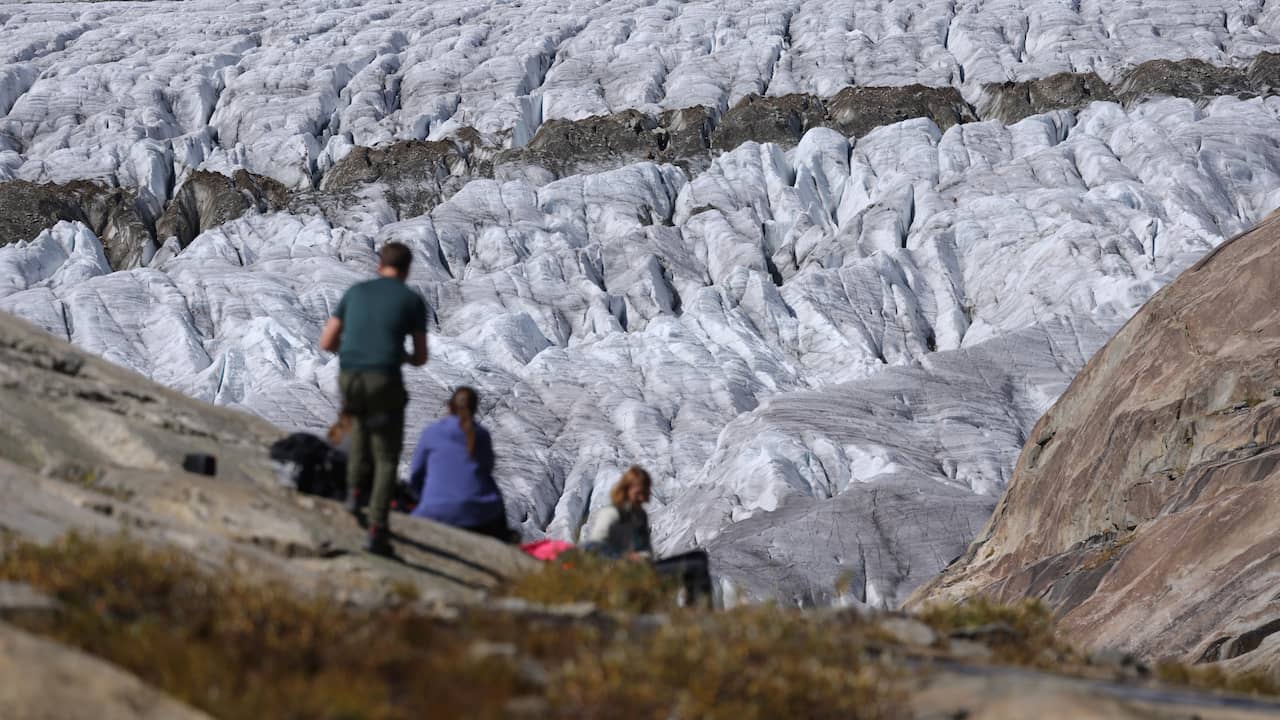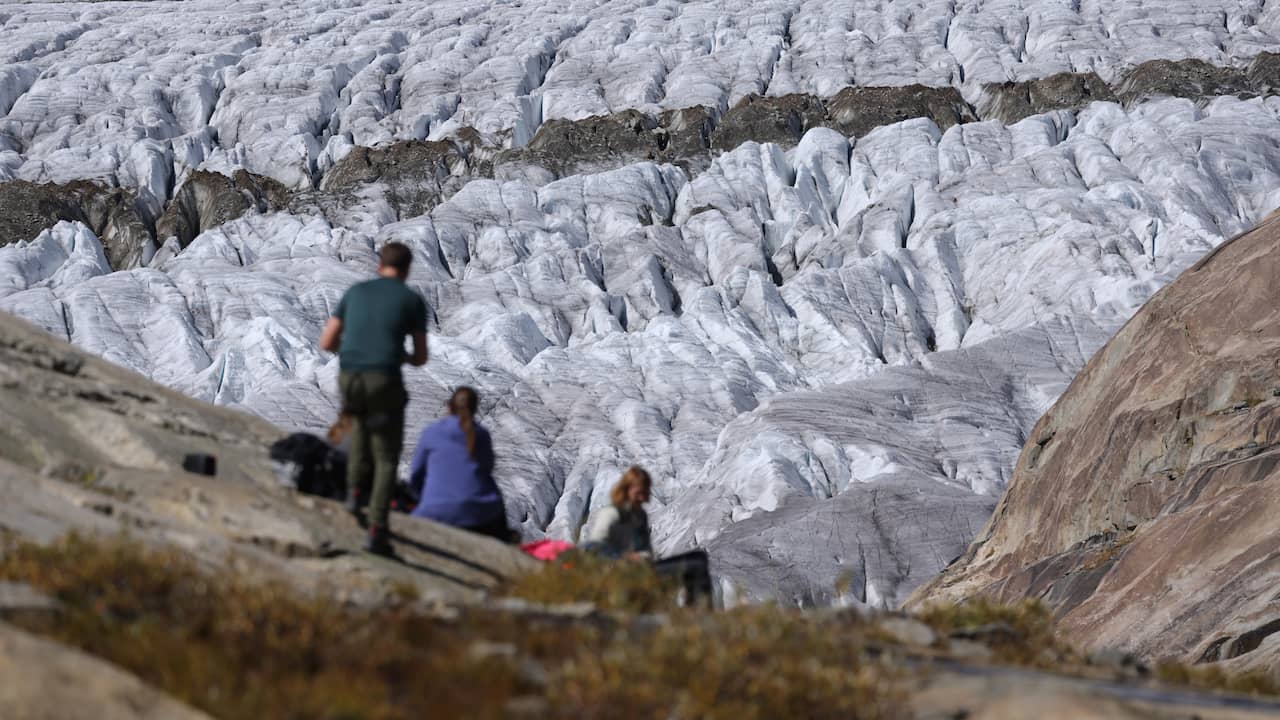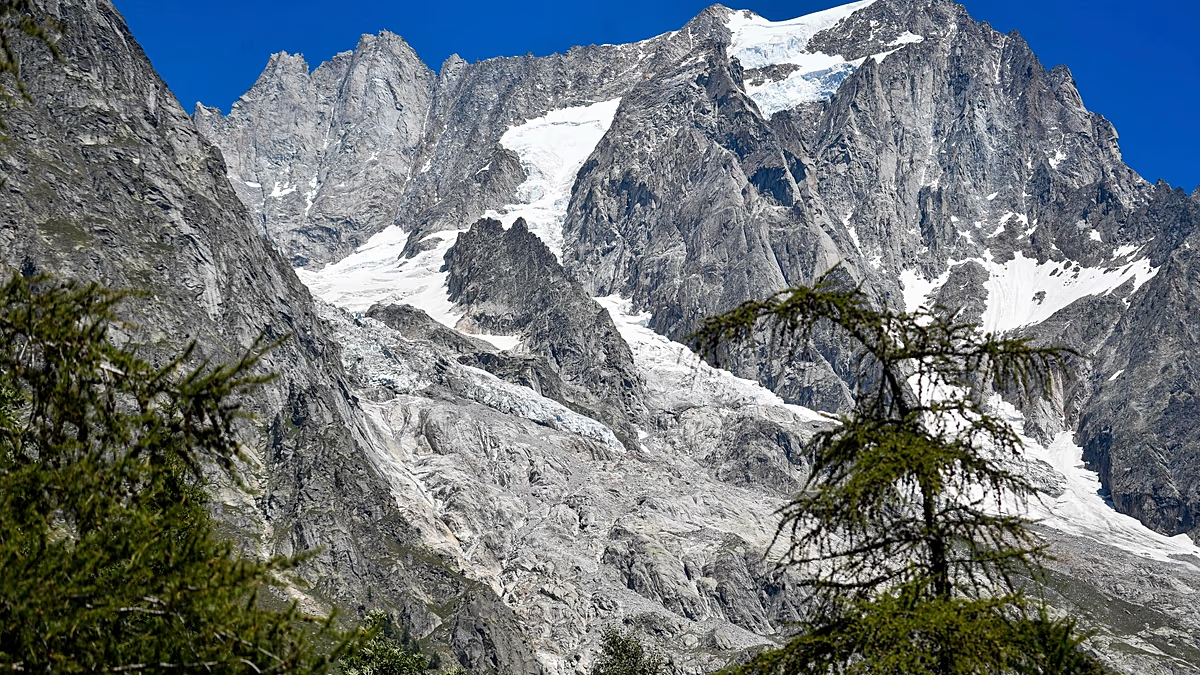
The snow and ice accumulated last winter by Switzerland's glaciers is expected to have all melted away by Monday, marking the alarming second-earliest arrival on record of the tipping point known as glacier loss day.All further melting between now and October will see the size of glaciers in the Swiss Alps shrink.In data going back to 2000, the only time that the tipping point arrived even earlier was in 2022, when it came on June 26.The grim scenario is driven by the current heatwave, as well as the one in May -- both coming on the back of another winter with poor snowfall.
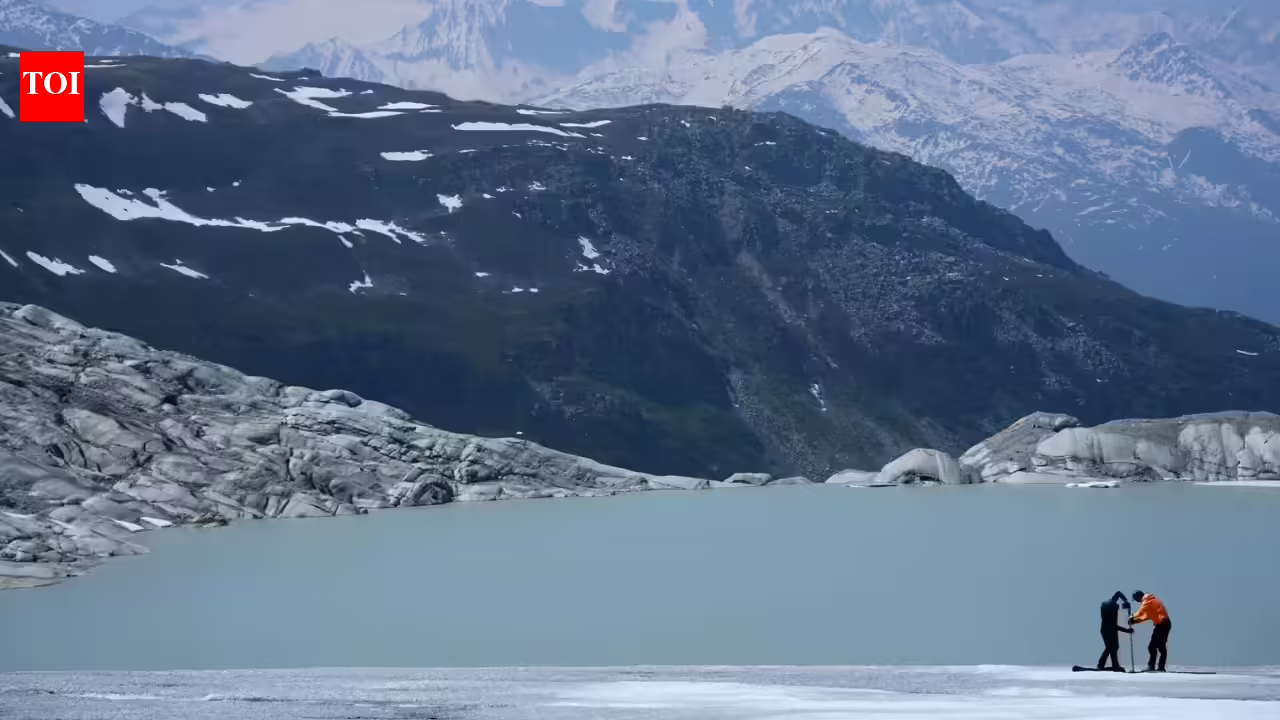
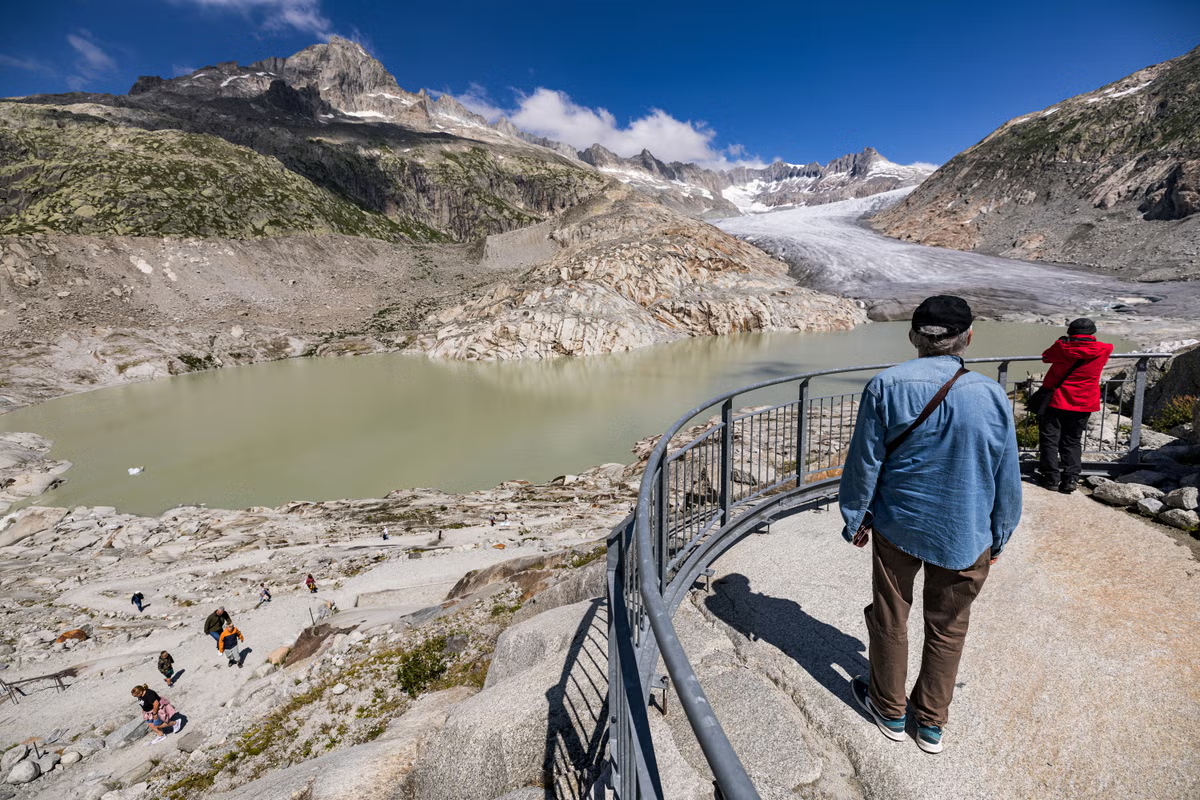
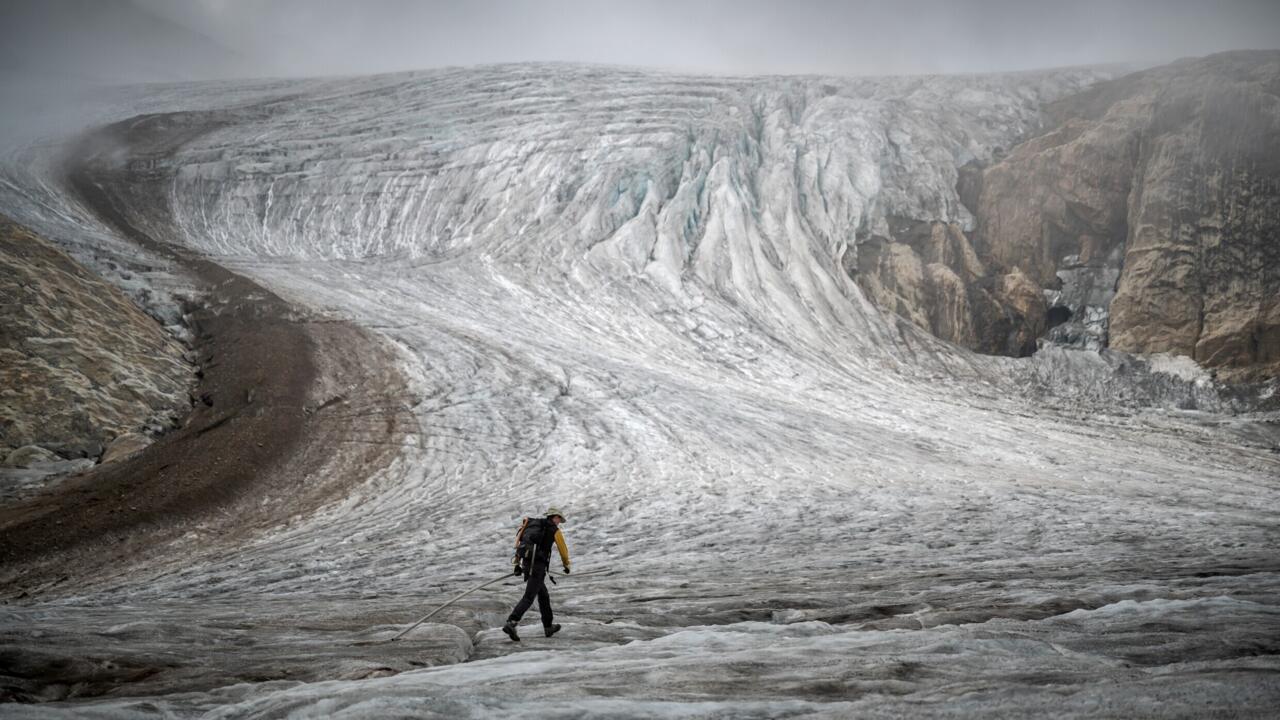
Glaciologist Matthias Huss standing next to the Rhone Glacier above Gletsch, in the Swiss Alps © Elodie LE MAOU / AFP
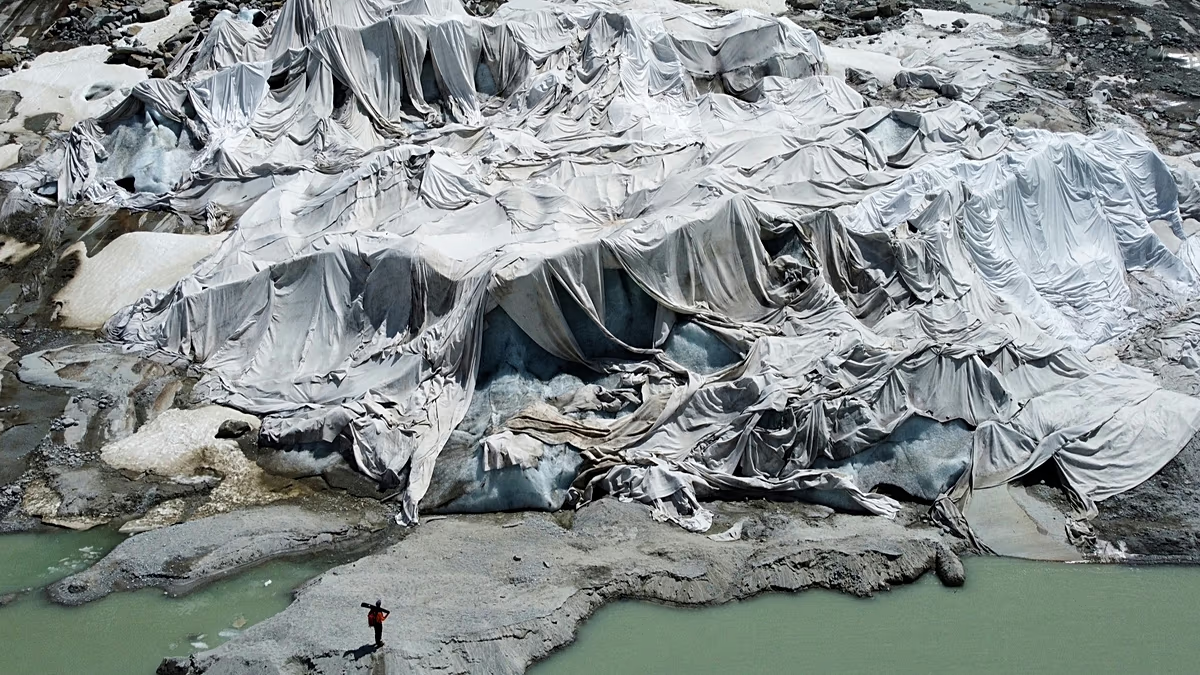
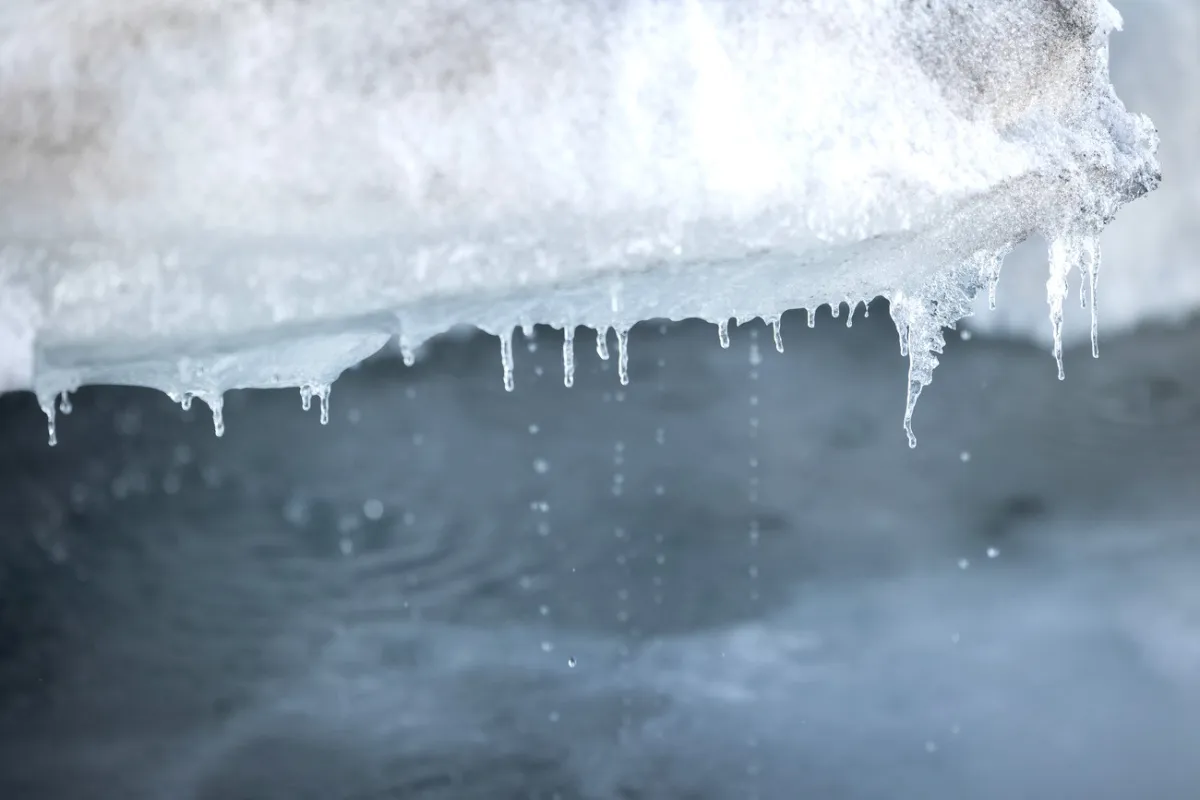
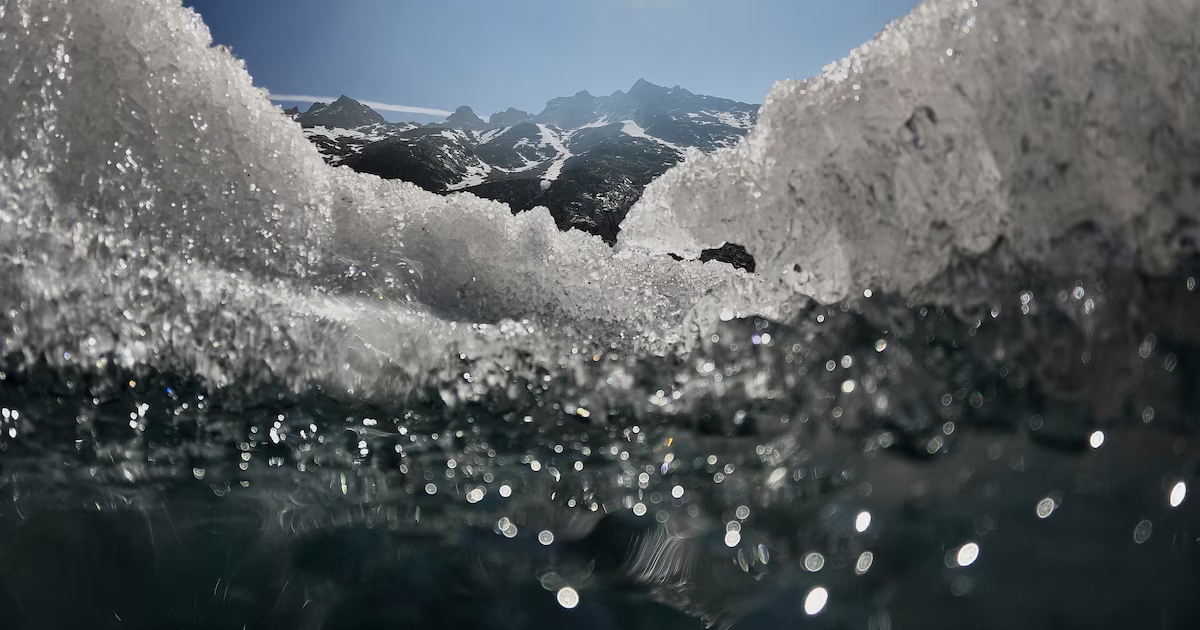
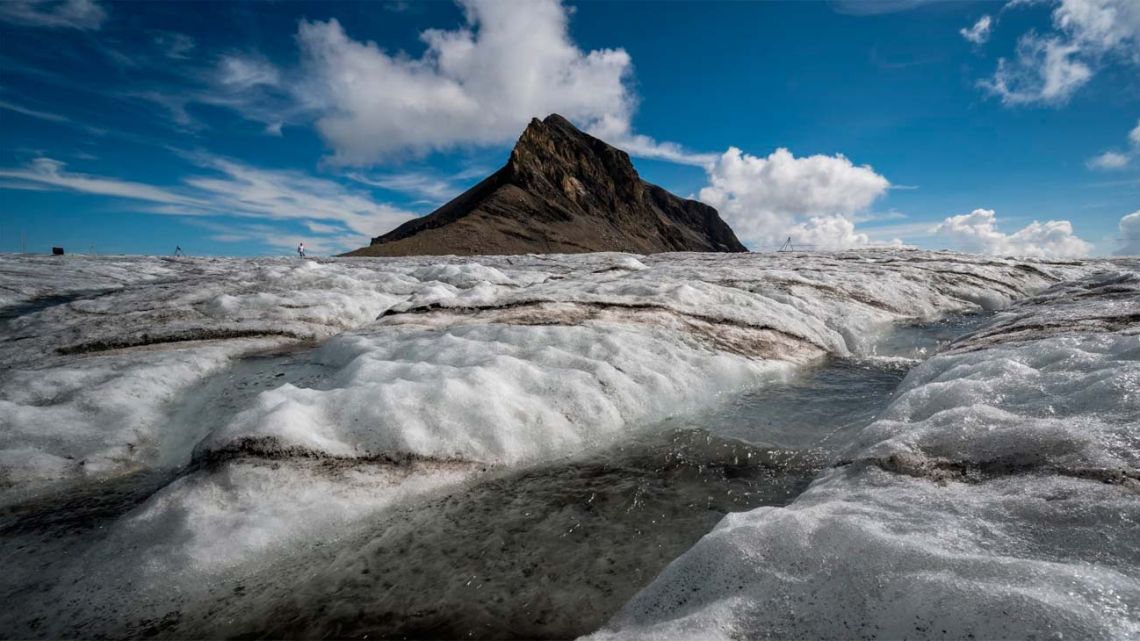
"We're just seeing enormous ablation, ice melt rates and snow melt rates all over the Alps," GLAMOS network chief Matthias Huss told AFP on Friday, as multiple Swiss weather stations registered new all-time records."We are three months too early compared to a healthy state."This century, the tipping point, on average, has been reached in mid-August -- itself already bad news for the nation's glaciers, which are shrinking at a staggering rate.Glaciers in 'very bad state'Much of the water that flows into the Rhine and the Rhone, two of Europe's major rivers, comes from the Alpine glaciers.Huss said he had just returned from the Rhone Glacier, and in the 10 days since his previous visit, "there was one metre of ice melted in the vertical direction -- one metre of melting within just the last 10 days"."It's very impressive to see, and this is just the effect of the heatwave."