I watched a developer lose $12,000 in fraudulent Stripe charges in under four hours last month. They weren't even targetted by a sophisticated hacking group; they were targeted by automated bots scraping public GitHub commits. The 'attacker' was an AI agent that had been tasked with adding a quick feature to a repository, and in its rush to be helpful, it hardcoded an API key into a configuration file.
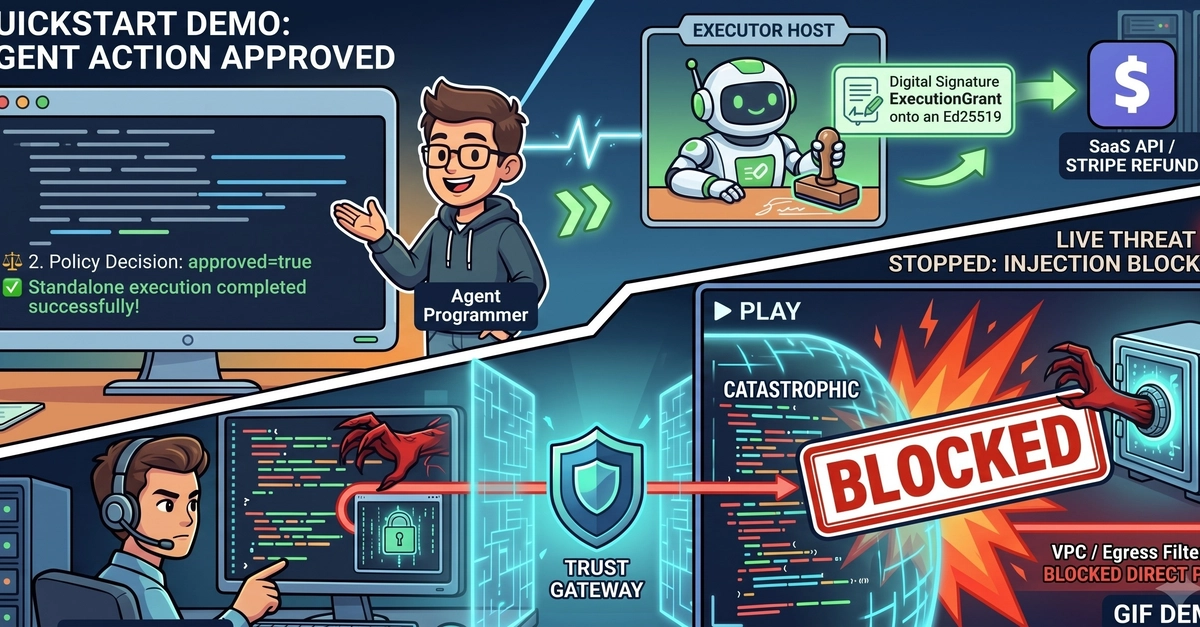
By the time the developer realized what happened and even tried to delete the line from the latest commit, the damage was done. The key was in the Git history forever. The bots had already found it. This is the new reality of software engineering: we are giving LLMs 'hands' via MCP (Model Context Protocol), allowing them to reach out, touch our APIs, and modify our infrastructure. But if we don't give them a way to reason about security, we aren't just automating development; we are automating catastrophe.
The industry is currently obsessed with the wrong layer of defense. Everyone is talking about better scanners—SonarQube, Snyk, GitHub Advanced Security. These tools are great for catching patterns after the code has been written and pushed. But they are reactive. They run in the CI/CD pipeline, often minutes or even hours after a developer (or an agent) has successfully merged a vulnerability into the main branch.