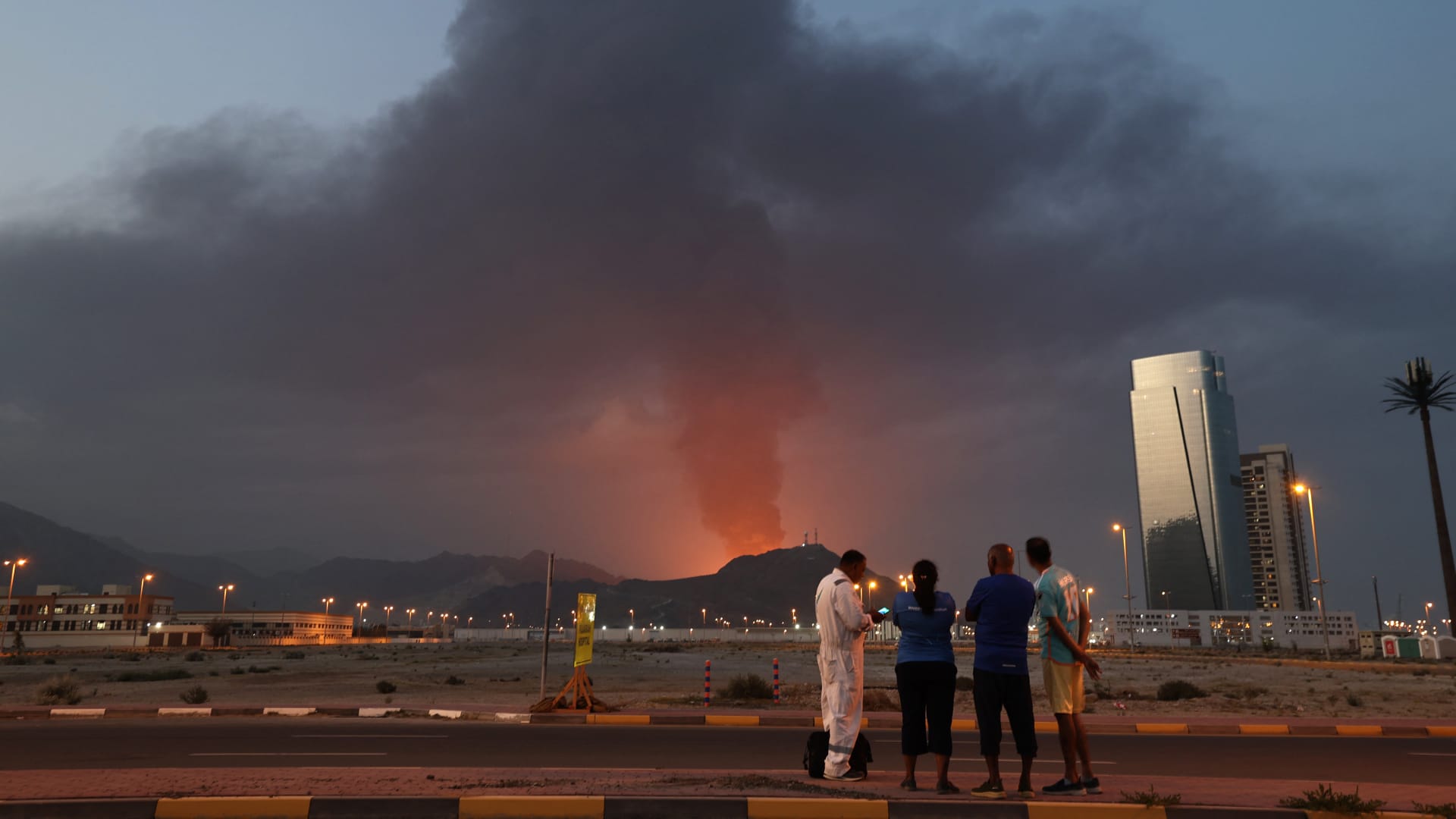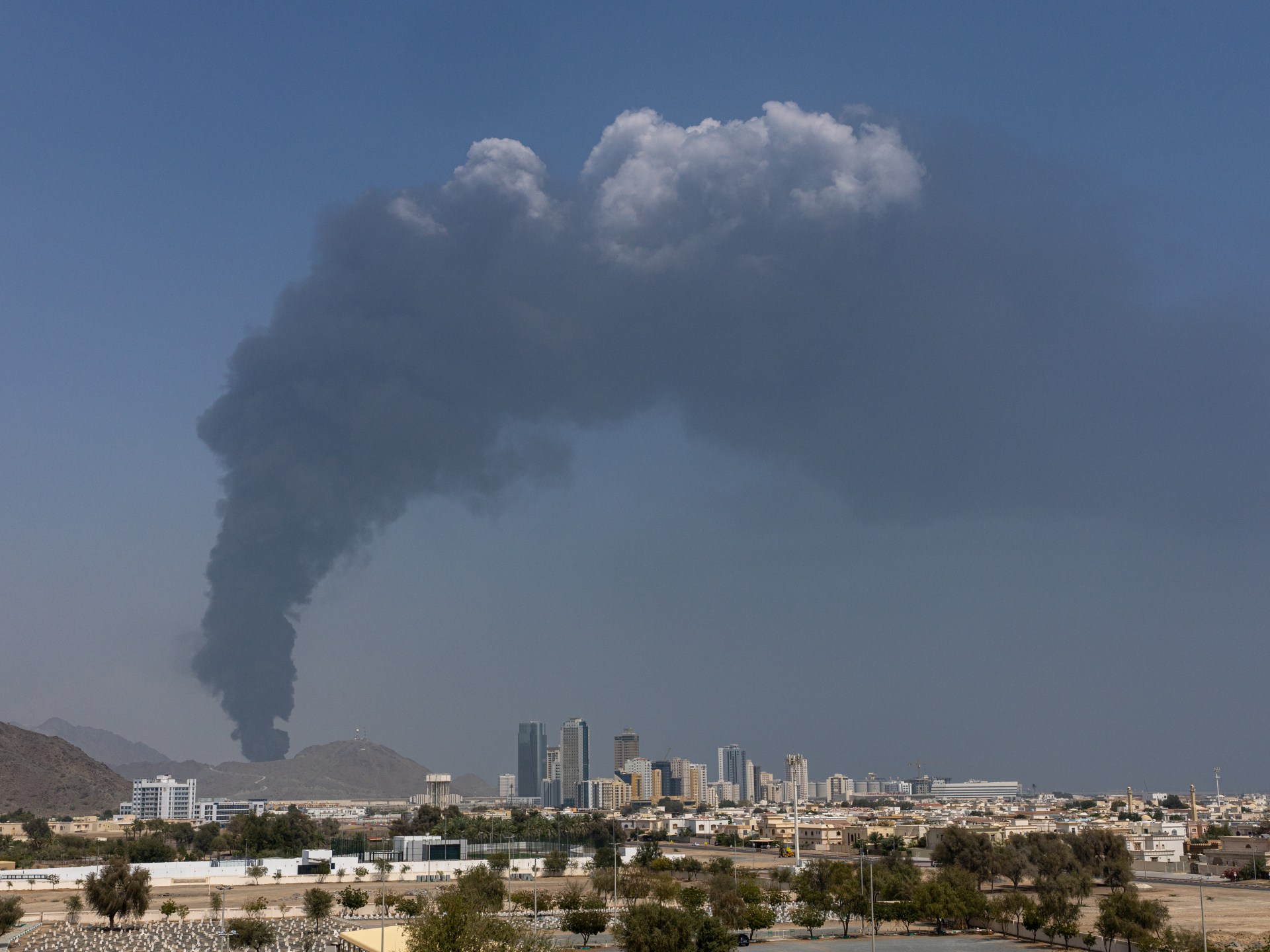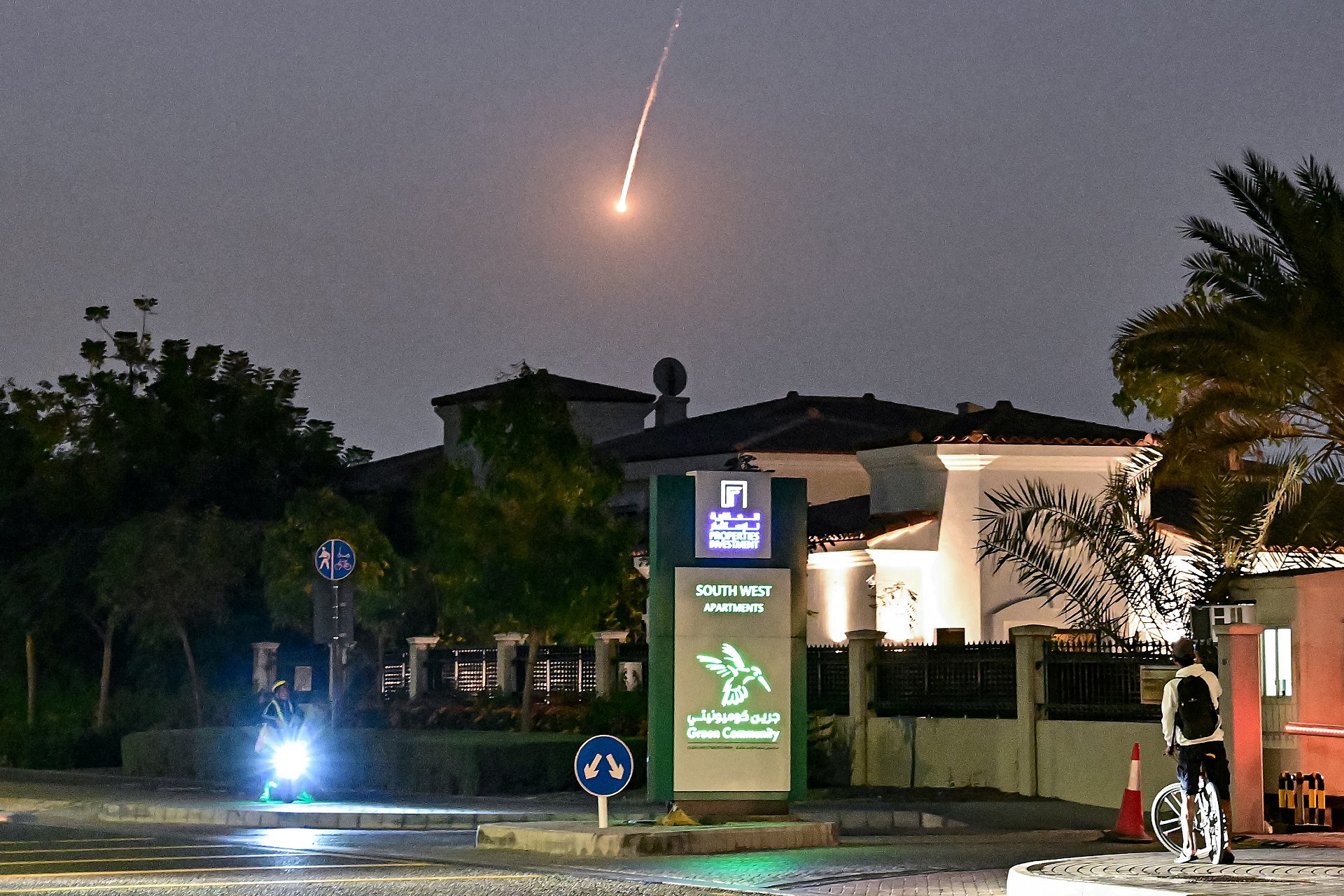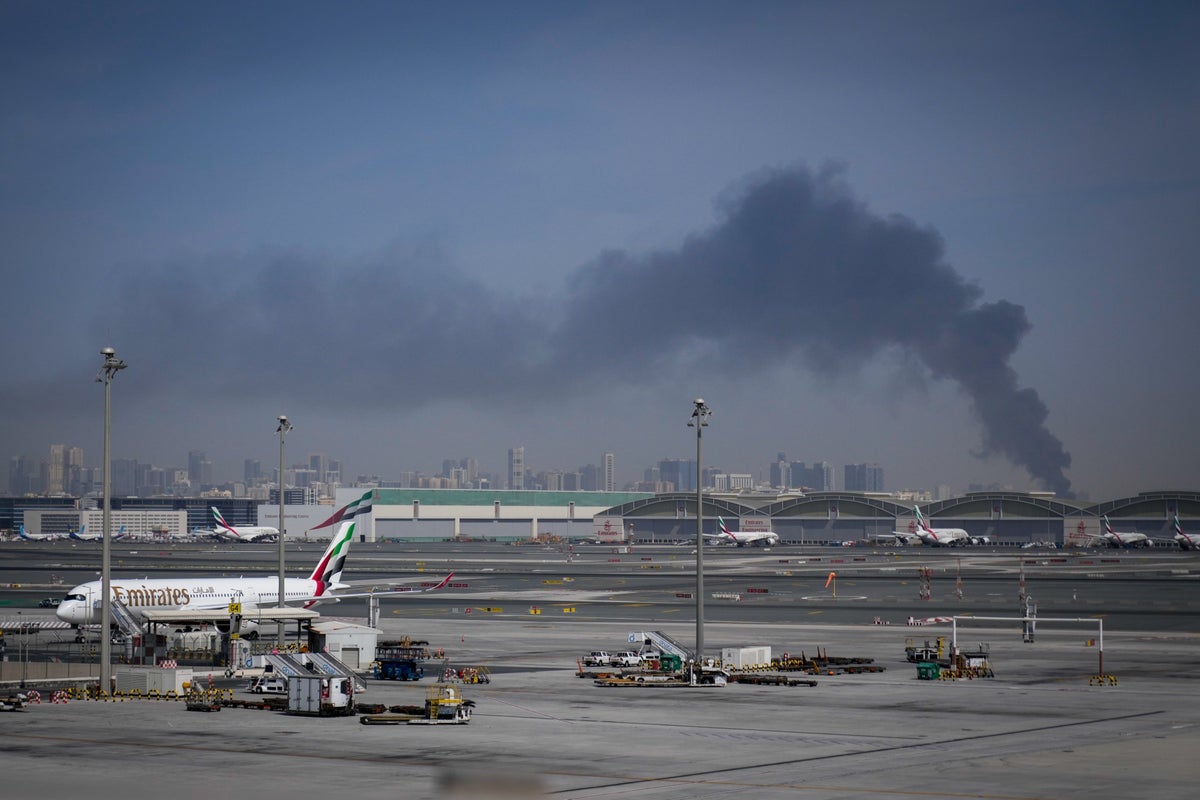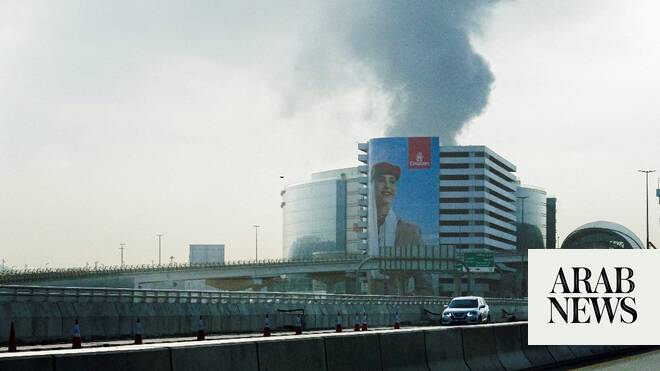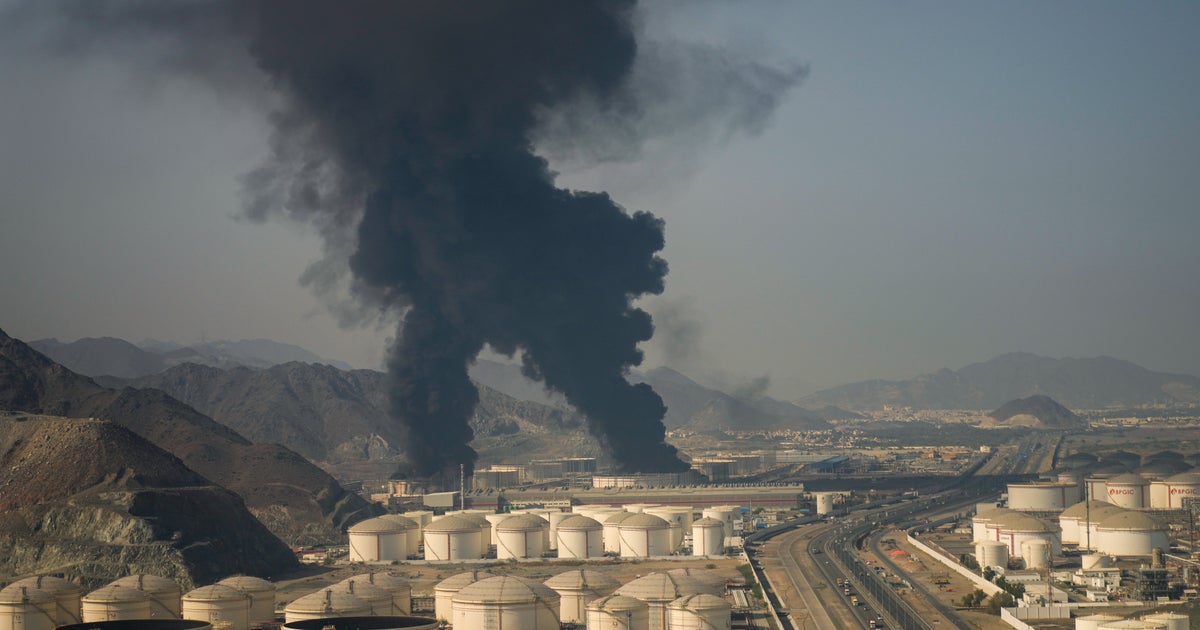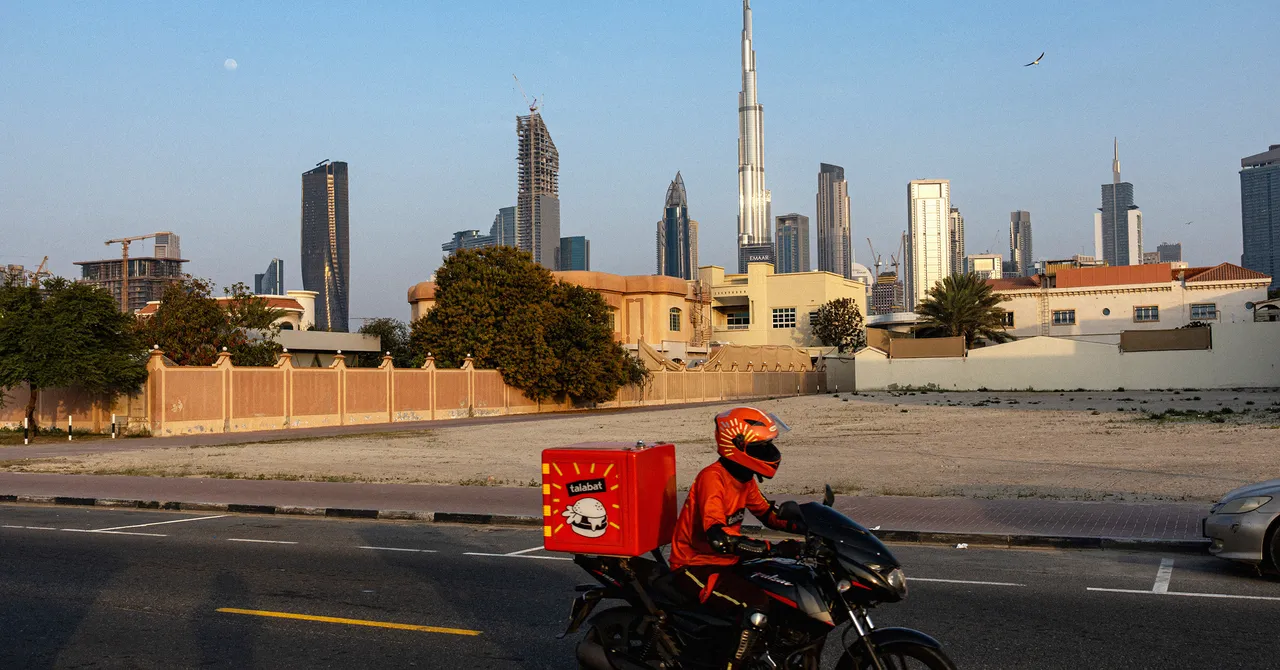
Even with flight delays, missile alerts, and the sound of interceptions overhead, third-party delivery apps like Careem have mostly kept running through the ongoing conflict in the Gulf region. Deliveries are slower, some areas are paused, and routes change, but the apps have not shut down their services.Many delivery platforms went down briefly in the UAE on Saturday, immediately after the first attacks, but quickly came back online. Companies say they are making sure people can still get essentials and that life feels as normal as possible.In a statement shared with WIRED Middle East, Careem said that it is “assessing the safety of our operations area by area and in real time,” providing immediate safety updates and guidance with drivers (who the company calls captains) over WhatsApp groups and SMS.“We have reinforced to all our partners that Captains are not required to be online if they have concerns about doing so,” the statement continued.The UAE Ministry of Human Resources and Emiratisation has recommended remote working for the private sector from March 1 to 3, except for essential work requiring physical presence.An Uber spokesperson confirmed that the company’s ride-hailing services are fully operational in the region.“The safety and wellbeing of our riders and partner drivers is our core priority; we are monitoring the situation in real-time and will continue to operate in strict alignment with all local government recommendations,” a statement sent to WIRED Middle East read. Every delivery platform that provided a statement echoed this sentiment.Deliveroo explained that it operates “in line with official government guidance and based on continuous safety assessments.”The decision to keep services running has sparked debate online.Drivers at RiskCritics point out that delivery riders are being put at risk. Even if most missiles are stopped using missile interception systems, these interceptions can still mean falling debris or road hazards. The Ministry of Defense has reported 3 deaths and 58 injuries in the UAE since attacks began on February 28.Others say that not ordering means that drivers spend more time outside, in danger, to meet their daily quotas. One driver for popular delivery platform Deliveroo explained that he works for a third-party logistics agency which provides drivers to Deliveroo. He spoke on condition of anonymity.If he refuses to work, he says the agency fines him. This also applies if he doesn’t meet his daily quota for deliveries. Drivers for most delivery platforms receive a basic salary and a fee for each delivery completed, providing an incentive to deliver as many meals as possible.Deliveroo driver photographed in 2023.
Missile Attacks Are Overwhelming the Gulf. Delivery Drivers Are Still on the Roads
Missile and drone attacks have disrupted daily life, but delivery drivers are still diligently navigating streets to drop off orders across the region.
814 words~4 min read