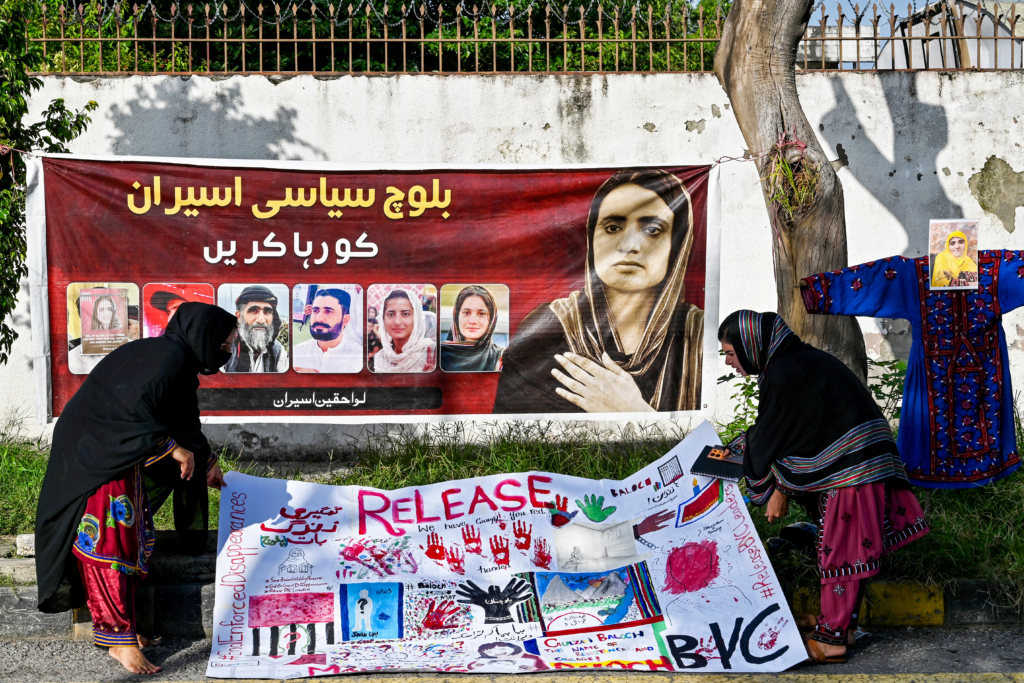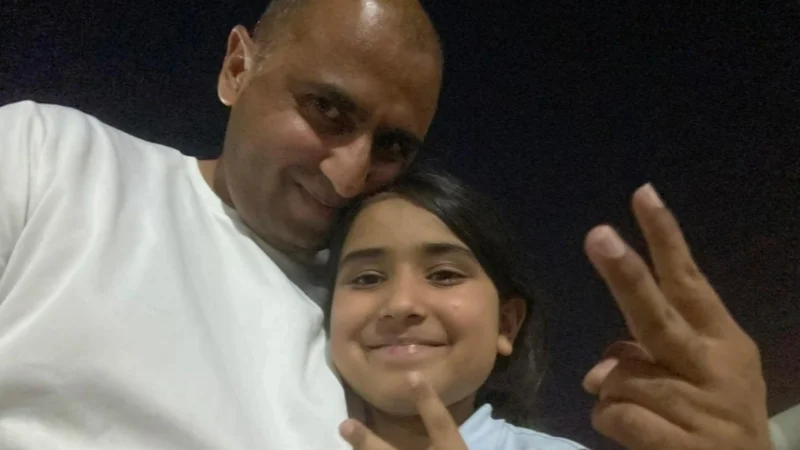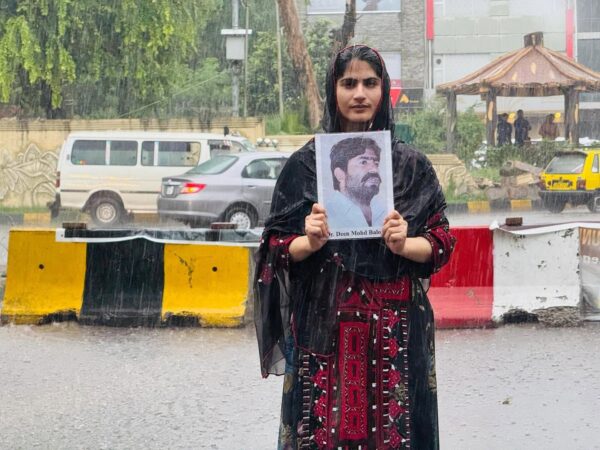
Even today I vividly remember the forcible disappearance of my father Dr. Deen Mohammed Baloch. It was June 28, 2009 at 5 a.m. The mobile phone rang, and kept ringing until my mother picked it up. The caller was an orderly from a public hospital in Khuzdar, Balochistan province. He delivered the worst news: My father had been abducted by intelligence agencies while he was on a night shift.
I was 10 years old at the time.
June brings the tormenting flashback in its worst forms. That day 17 years ago robbed me of my childhood, bringing me to the streets to protests for the release of my forcibly disappeared father – or at least for his family to finally learn his whereabouts.
Over time, my father’s disappearance became not only an emotional absence, but an administrative one. It followed me into every form, every office, every space where identity must be complete.
When a child grows up without a father in Balochistan, even ordinary tasks become complicated. School admission forms require a father’s name. National identity cards and passports demand details people like me cannot provide. Even in moments of crisis, when my mother, a diabetic patient, has needed urgent medical care, hospital staff have asked for guardianship documents I do not have.