Support CleanTechnica's work through a Substack subscription or on Stripe.
We’ve written a few stories lately on why robotaxis may not do much more than replace human-driven taxis. There’s a lot of hype or hope around the idea that many people will switch from car ownership to using robotaxis, but is that really what’s likely to happen? Even beyond that, there’s hype among Tesla fans that people will be able to buy cars that they then deploy as robotaxis when not in use … but there are various issues with this idea as well.
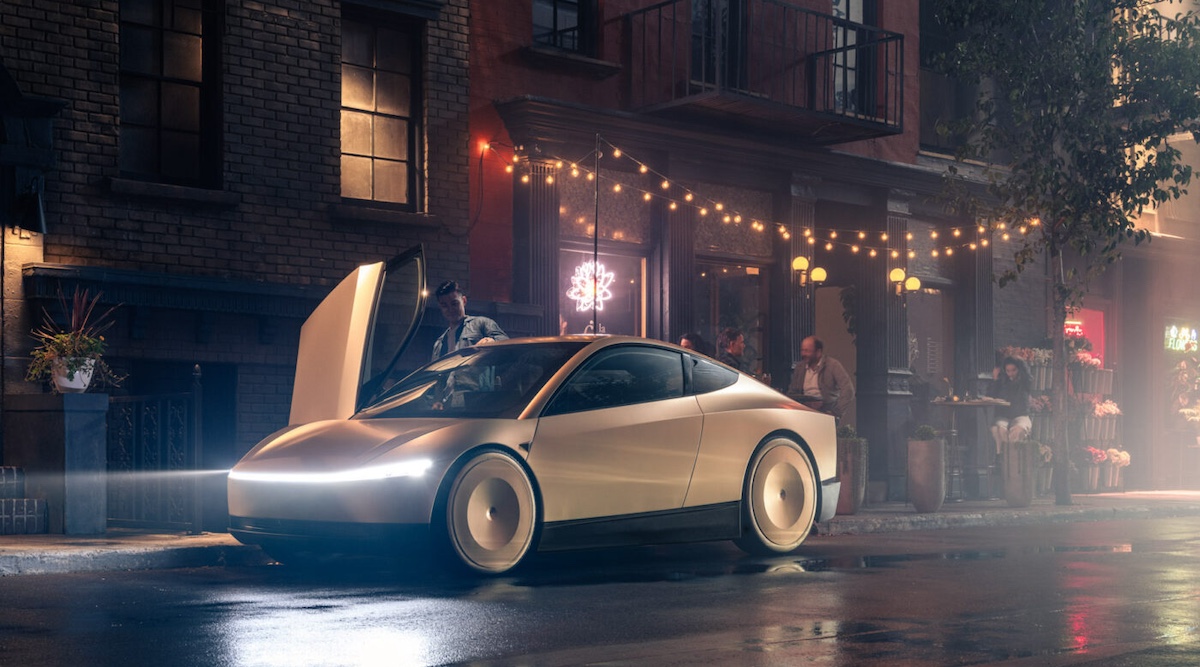
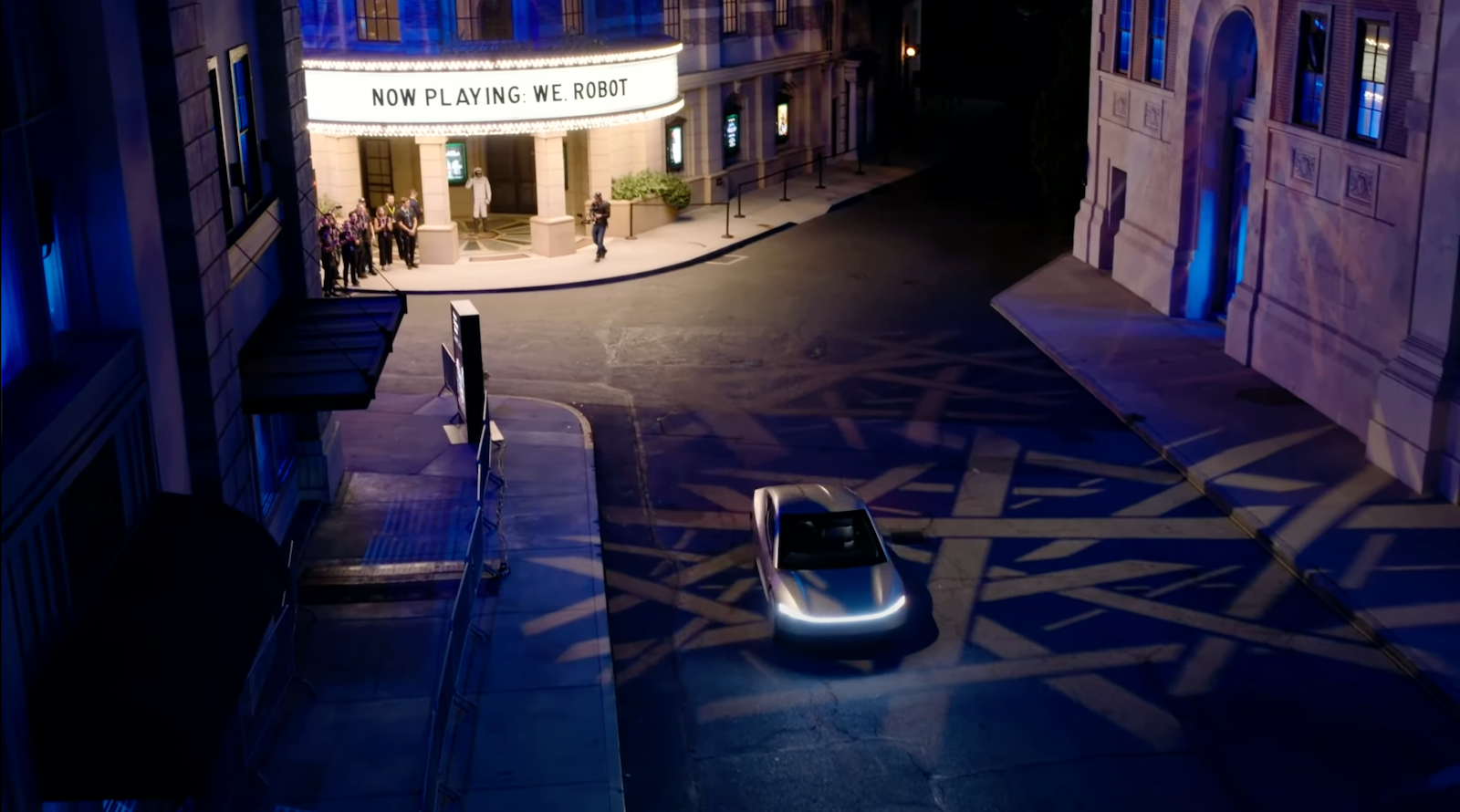
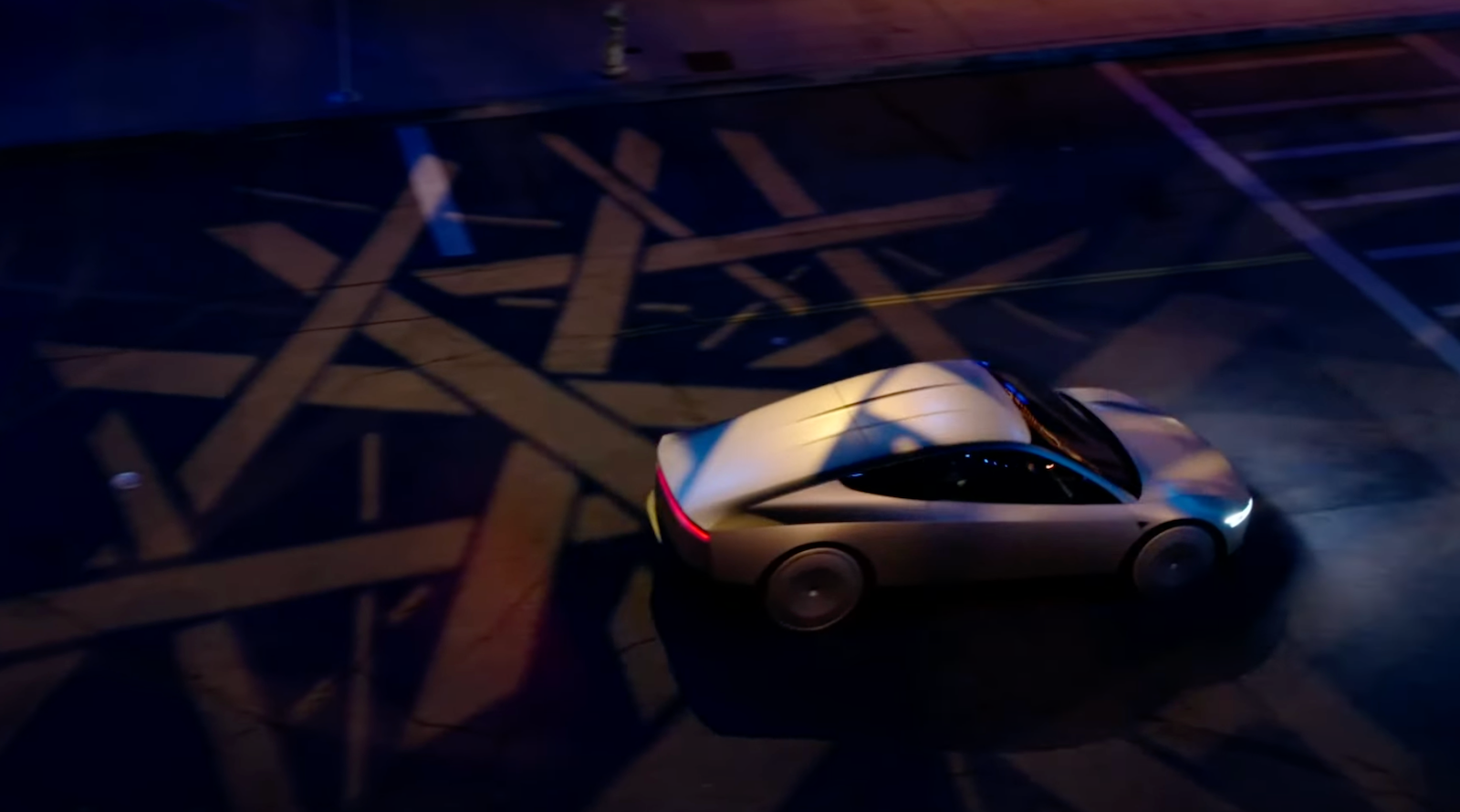
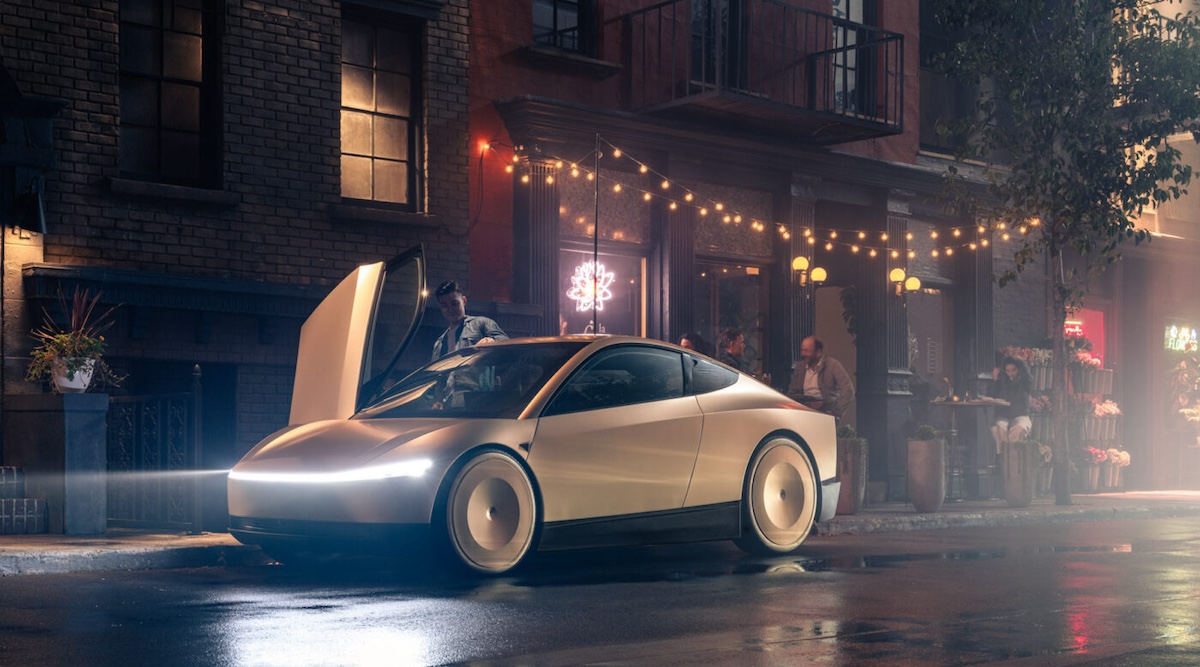
When it comes to the Tesla Cybercab, there’s one serious problem with this latter idea. Tesla thinks the Cybercab is designed perfectly for robotaxi usage, but that includes making it a two-seat vehicle. This is not the first company that has looked at the average number of people in a car (barely more than one) and decided that the market would love a two-seat vehicle that costs less, is more efficient, and doesn’t include all of those extra seats. The problem is … the market never seems to soak up those vehicles, especially in the US.
In fact, as I wrote recently, a friend of ours just bought a Hyundai Santa Fe instead of a Hyundai IONIQ 5 because they were enticed by the extra space and extra row of seats — despite being just a family of four and having another vehicle. Across the US and also Europe, cars just keep getting bigger and bigger and bigger and bigger. Is this because people really need extra space? No. It’s a trend that defies needs. So, when Tesla decides to build a two-seat vehicle because most cars have only one person in them, it may think that’s logical, but good luck finding buyers. I can probably count on one hand the number of people who will be fine giving up a 5-seat or 7-seat vehicle for a two-seater.