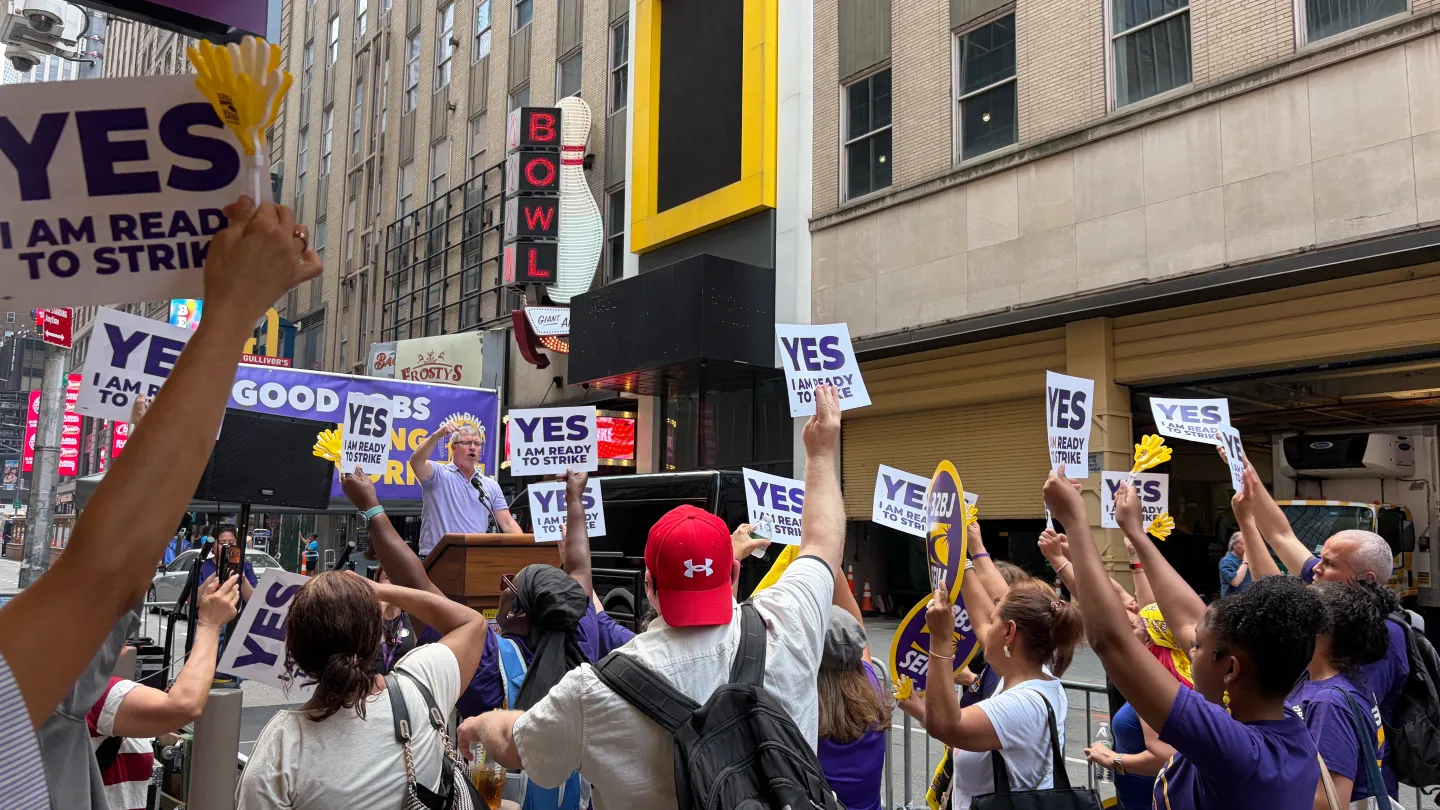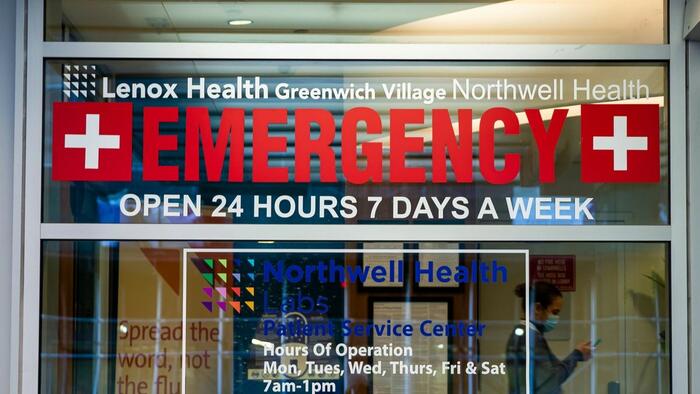
Healthcare costs have risen so much that for a company to insure a family of four now costs almost $27,000. One union, Local 32BJ of the Service Employees International Union — which represents nearly 200,000 doormen, cleaners and other building maintenance workers in New York City and some east coast states — is proving that it's possible to offer good healthcare and save money. The union is taking back control, cutting out insurers and is on track to save $46 million. Those savings are already hitting members’ wallets. Alfreda Simpkins, 68, now spends the co-pay she used to shell out for every doctor’s visit on her grandkids. “They like to go to the arcade,” she said. “We could spend a day, and we have memories, and that's priceless.”Simpkins works as a porter at a Long Island apartment building, keeping the lobby and hallways clean. She’s also a member of the union and now saves $40 per doctor visit.Claire Brockbank, who runs the 32BJ Health Benefits Fund, said the savings come from a simple idea — take back control from the insurer. “We have to change the dynamics of healthcare, fundamentally,” she said.There are two main levers to lower healthcare costs — send patients to less expensive hospitals and negotiate better prices. Brockbank said the union's insurer stood in the way of both.So, the union went directly to Northwell Health, a 28-hospital system in New York and Connecticut, and negotiated its own deal. Brockbank said the union is now paying about half as much as before for the same care. Members like Simpkins can still get care elsewhere, but Brockbank is trying to make Northwell the obvious choice.“We give them economic incentives, but we do give them choice,” Brockbank said, “We removed the co-pays for all the Northwell docs as an added incentive.”For the Northwell Health system, the appeal is less administrative rigamarole and more predictable payments.Nick Stefanizzi, CEO of Northwell Direct, the arm of the larger hospital system that works directly with employers, said Northwell spends a lot of money just to get insurers to pay for surgeries and visits.“It's expensive,” Stefanizzi said, “The health system, has thousands of employees whose job all day, every day, is to work to get the health system paid for the care that they've already delivered.” Northwell has these direct contracts with 70 companies covering about 300,000 patients. While it’s still a small part of the hospitals business, Stefanizzi is bullish about growth.“We're not yet anywhere close to a majority,” he said. “We will be one day. I am confident that we are on the trajectory.”Other big hospitals like Henry Ford in Michigan and several in Indiana have done similar deals. Elizabeth Mitchell, CEO of the Purchaser Business Group on Health, which represents large employers, said companies that have been doing these direct contracts for years can see savings anywhere from 10% to 30%.“I think you're going to see more and more of this because employers cannot continually absorb double-digit increases year after year,” Mitchell said, “They're not looking to push more cost-sharing onto their employees.” These arrangements can take a lot of work to set up and typically only work for companies with employees all in the same city. Brockbank said that’s why she’s sharing exactly how the union did it.“We do believe that a rising tide lifts all boats,” she said. “I don't think I've ever felt so strongly that we're in this sea change as I do right now.”The question is will union members find the lower priced care at Northwell enticing enough to switch doctors.
This union negotiated hospital prices to save on healthcare
Fed up with rising healthcare costs, one New York union cut out the middleman and is on track to save tens of millions of dollars.
595 words~3 min read