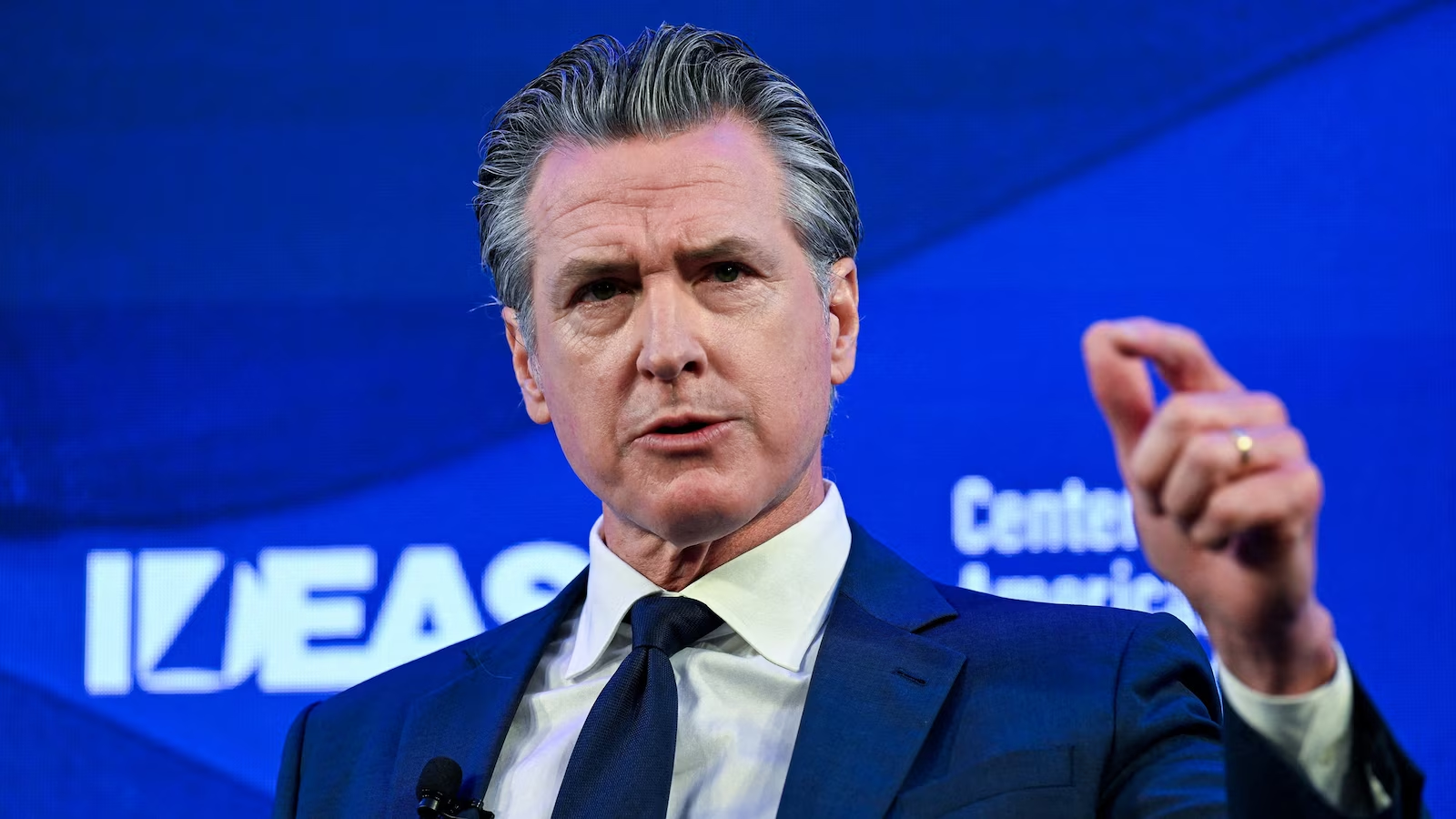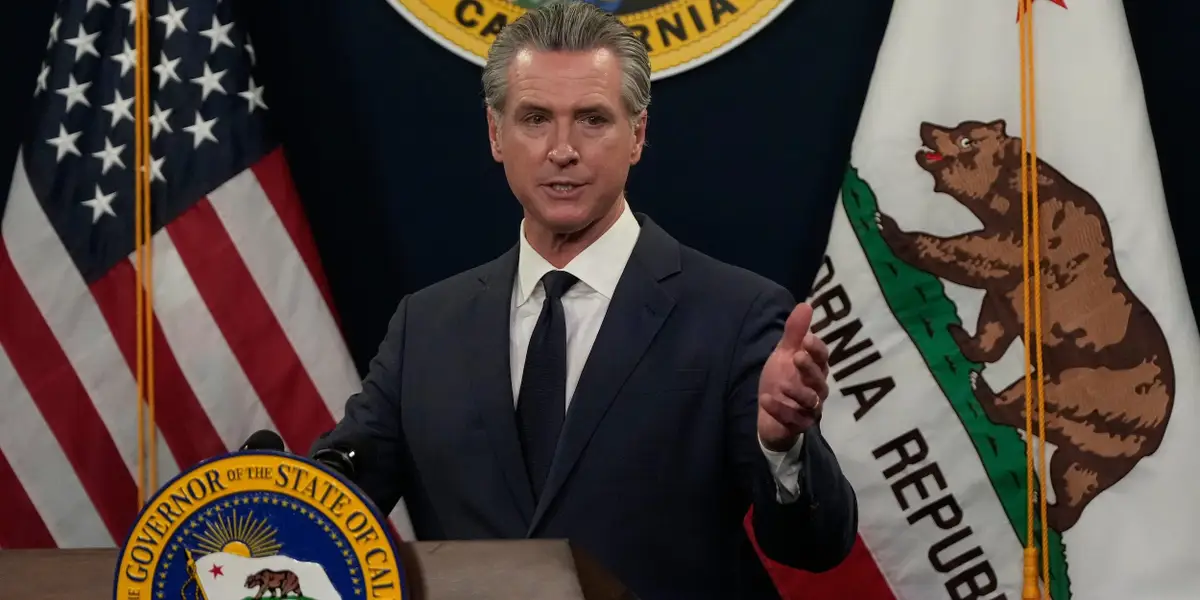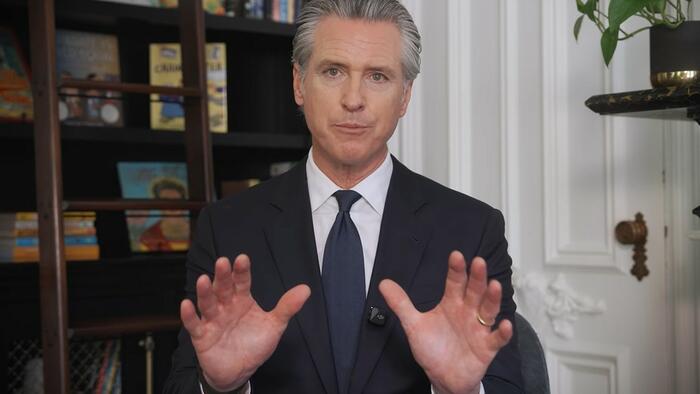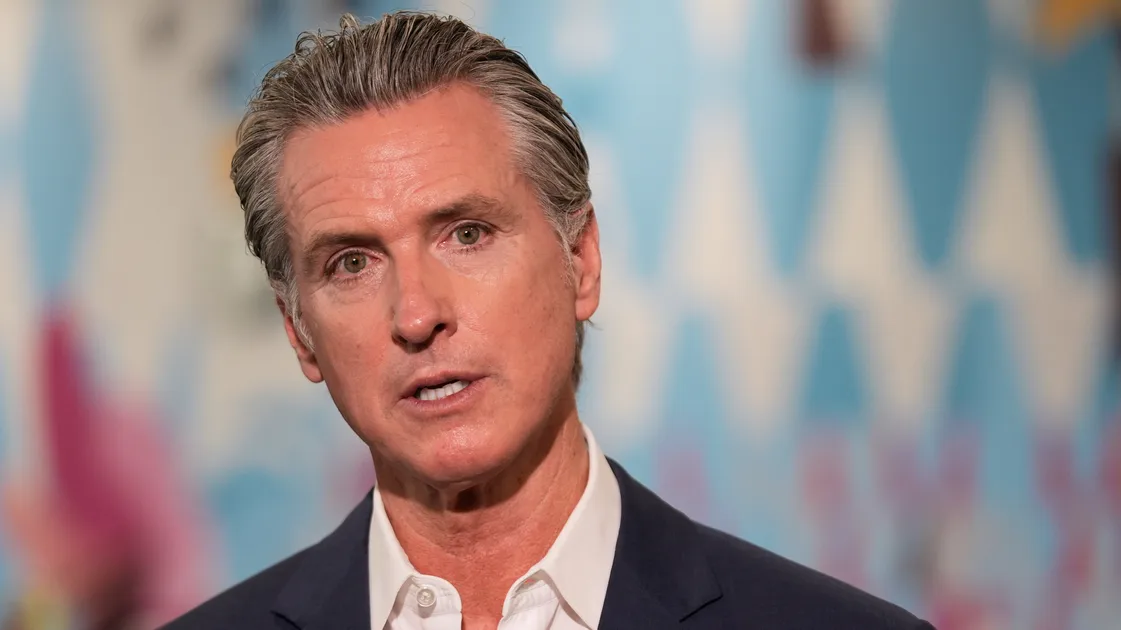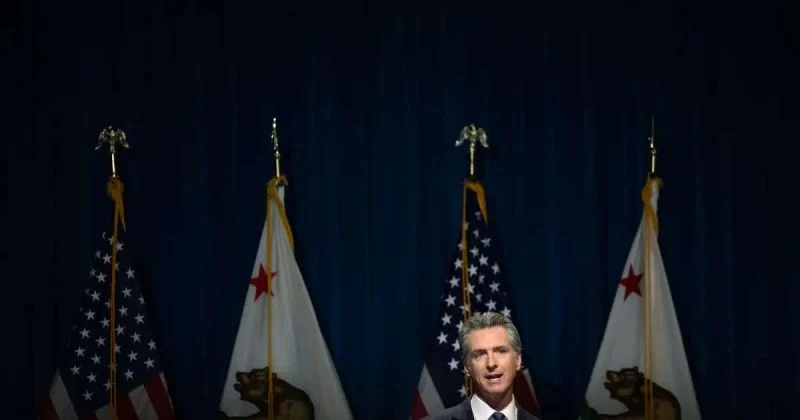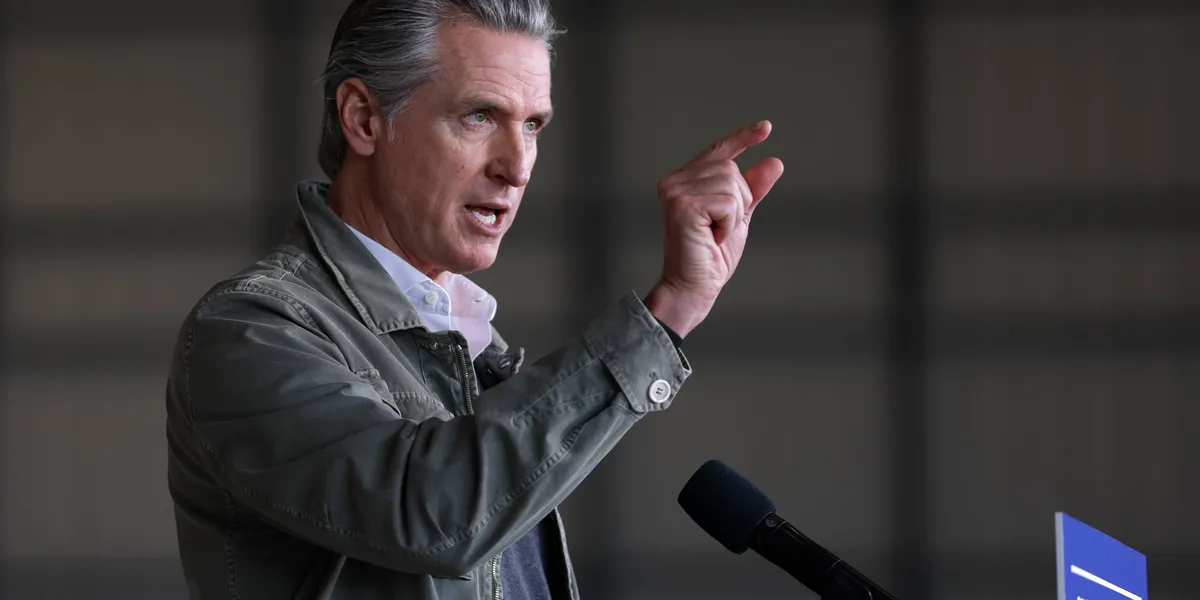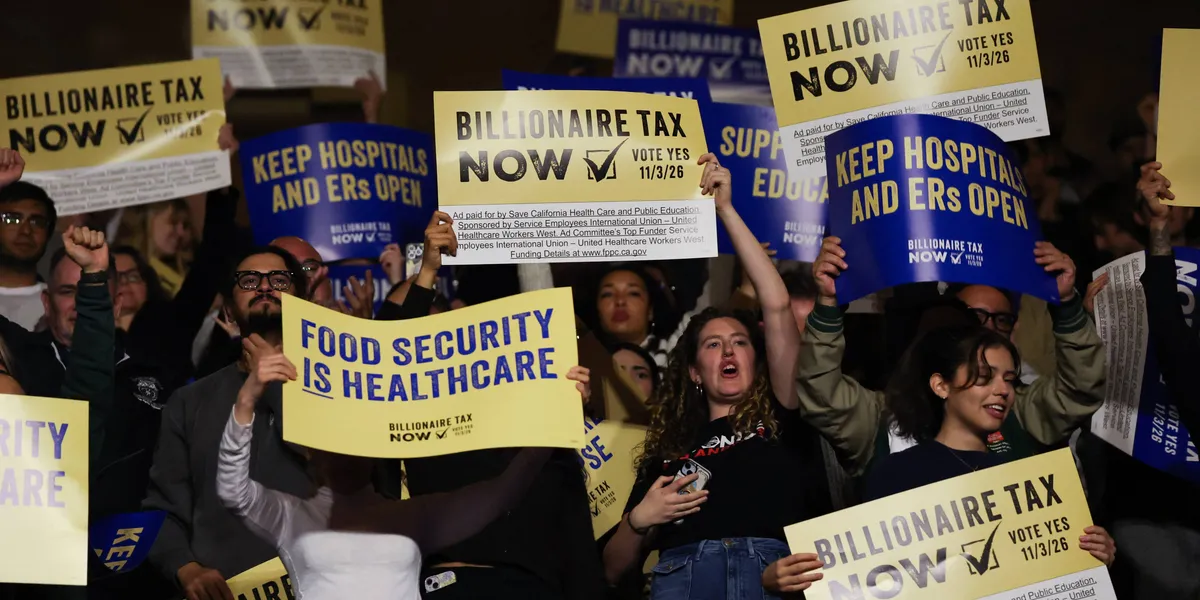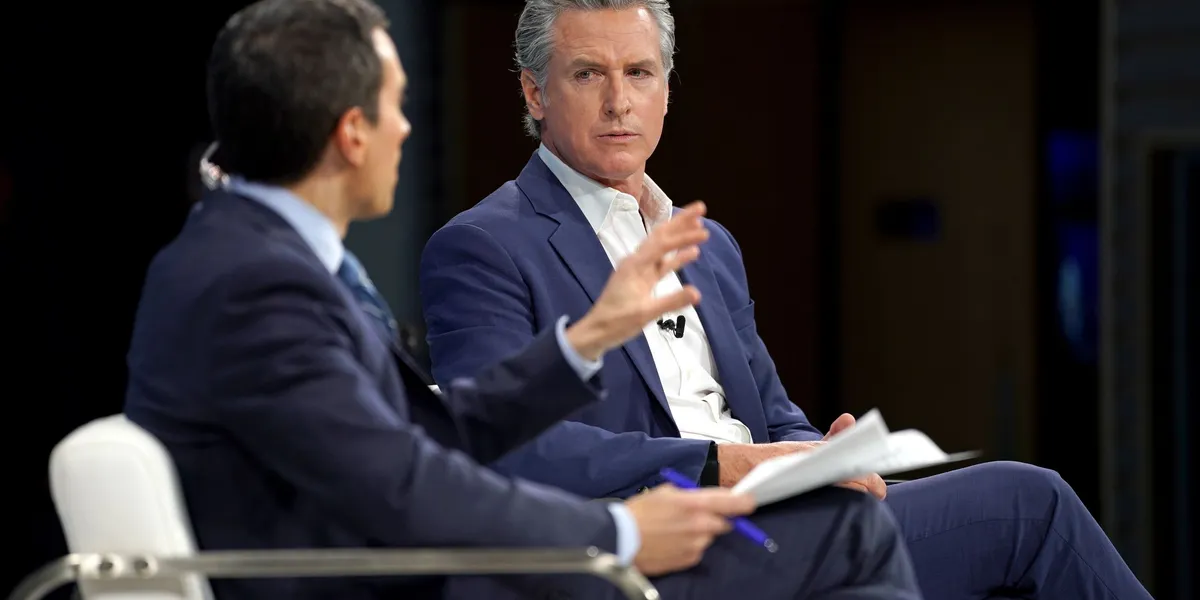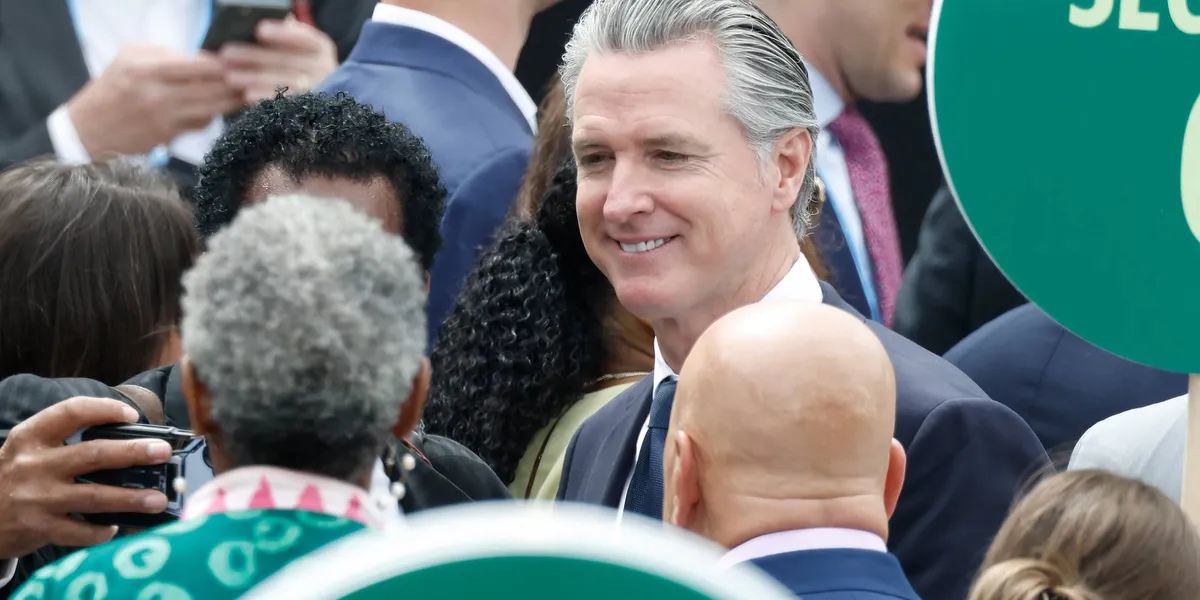
Critics say that Democratic California Gov. Gavin Newsom is trying to trick voters with his new plan for a national billionaire income tax, while simultaneously opposing a tax on billionaire wealth in his own state.Along with a coterie of wealthy donors, Newsom has long stressed that he is adamantly opposed to the statewide plan to institute a one-time 5% tax on the total wealth of those in the state with more than $1 billion to fund healthcare, education, and food assistance programs, which has been spearheaded by the Service Employees International Union-United Healthcare Workers West (SEIU-UHW).But a day after the measure was certified to appear on voters' ballots, Newsom—who is expected to run for president in 2028 and face an electorate that is angrier than ever about the outsized wealth and power of the billionaire class—unveiled a new national proposal that, at least on the surface, seems to hit many of the same populist notes as the one in California."Last night, it became certain that a wealth tax would be placed on the November ballot in California. I’m voting no," he explained in a Substack post, in which he rehashed many of his previous objections—including the factually dubious idea that a wealth tax would supposedly lead to mass capital flight from the state. He also said the plan to spend most of the revenue on healthcare neglects other needs like housing, childcare, and public safety.As an alternative, he proposed what he referred to as "a national billionaires’ tax. A true minimum tax on billionaires and those with a net worth of over $100 million."When counting unrealized wealth gains as income, America’s richest billionaires actually pay lower effective tax rates than the average American. A 2025 paper from the National Bureau of Economic Research (NBER) estimated that the richest 400 Americans paid about 24% of total income in taxes from 2018-20, compared with 30% for the public as a whole."That system is the result of decades of loopholes written by lobbyists and upheld by politicians who knew exactly who they worked for," Newsom said. "The wealthy have their own private tax code full of loopholes and exemptions that most people have never heard of, and they’re counting on politicians in Washington to maintain it and keep quiet."Referencing an idea from the Obama era, Newsom described his plan as "a modern Buffett Rule—that ensures the people at the very top pay at least the tax rate their own workers pay."While he did not elaborate on what rate he'd plan to charge the wealthiest Americans, the original 2012 Buffett Rule would have required that millionaires pay a minimum effective tax rate of 30% of their adjusted gross income (AGI), which includes things like capital gains and other sources of income that are normally taxed at lower rates.While Newsom had borrowed the "billionaire tax" branding of California's popular proposal, critics pointed out that he was proposing something vastly weaker."Read his Substack post carefully," implored Lever editor-in-chief David Sirota in a social media post. "He’s talking about income taxes and closing a few loopholes, but not a national version of the WEALTH tax on the ballot in California.""The misdirect here is that Newsom is opposing a WEALTH tax on billionaires in his own state and insisting he supports a new national INCOME tax on billionaires," Sirota said. "But billionaires make money off non-income sources."Gabriel Zucman, a French economist who has championed the wealth tax measure in California, has said this critical distinction between wealth and income is the reason why a wealth tax in California is needed to begin with."California's billionaires now hold $2.3 trillion in wealth—equivalent to roughly half of California's [gross domestic product] and about 10% of US GDP," he said. "One might assume that such immense wealth translates into equally enormous tax payments. It doesn't."Citing a NBER working paper from last month, Zucman pointed out that "California's [top four] billionaires pay only 0.07% of their wealth each year in California income tax" while billionaires as a whole represent "barely 0.2% of the state's total tax revenue," meaning that they "contribute a negligible amount to the state that made them rich."He noted that Google co-founders Sergey Brin and Larry Page—who have publicly opposed the billionaire's tax and, in Brin's case, spent tens of millions of dollars trying to stop it—reported no taxable income in 2019, 2020, and 2023 because all of their wealth was held in company stock. Since they didn't sell any stock during those years, they had no capital gains and therefore owed no income tax.In the meantime, Zucman noted, "their fortunes have increased by more than $400 billion" since 2019.Rep. Ro Khanna (D-Calif.)—another potential 2028 presidential candidate who introduced his own federal billionaire wealth tax legislation in March with Sen. Bernie Sanders (I-Vt.)—has vocally questioned Newsom's opposition to the ballot measure in California."Why would you want to side with 250 billionaires over the working class in California?" he asked earlier this week on a podcast hosted by Sirota. "The only reason, in my view, to not be taxing them is because you care about these 250 people's contributions to the political system."Sirota speculated that Newsom's motivation behind co-opting and watering down the "billionaire tax" concept was much the same.He said, "This is Newsom thinking he can fool everyone and going to bat for billionaire donors who could fund his presidential campaign."
'Thinking He Can Fool Everyone,' Newsom Backs One Billionaires Tax But Not Another | Common Dreams
"The misdirect here is that Newsom is opposing a WEALTH tax on billionaires in his own state and insisting he supports a new national INCOME tax on billionaires. But billionaires make money off non-income sources."
891 words~4 min read