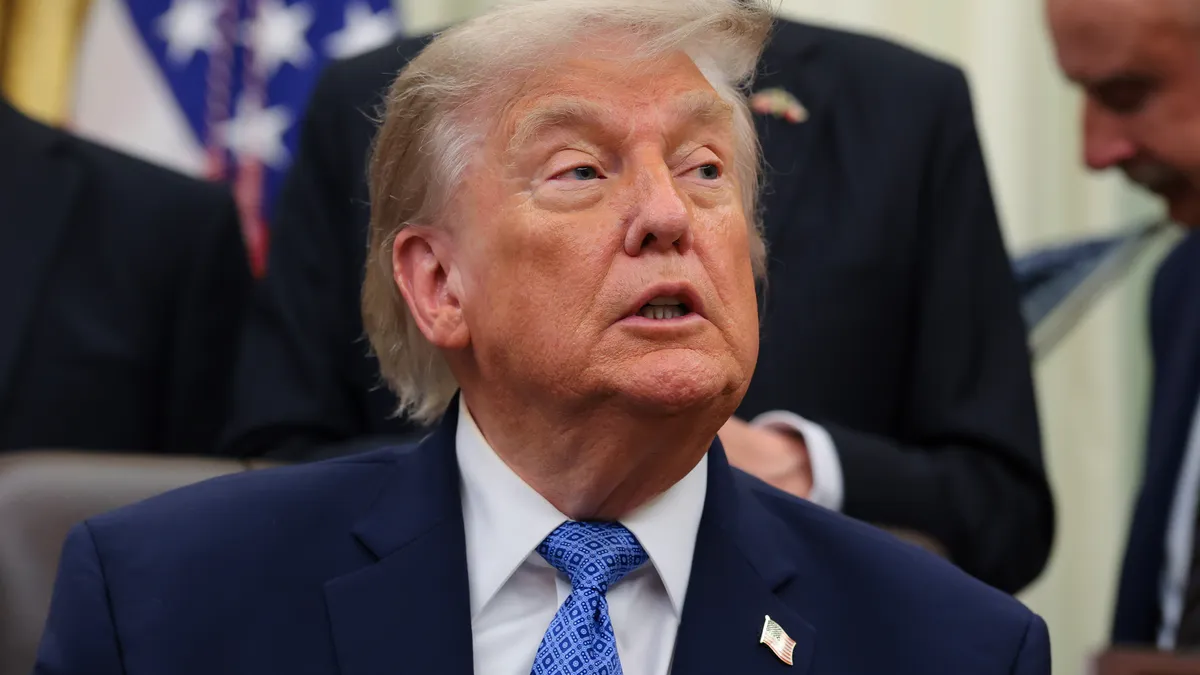
Show Caption
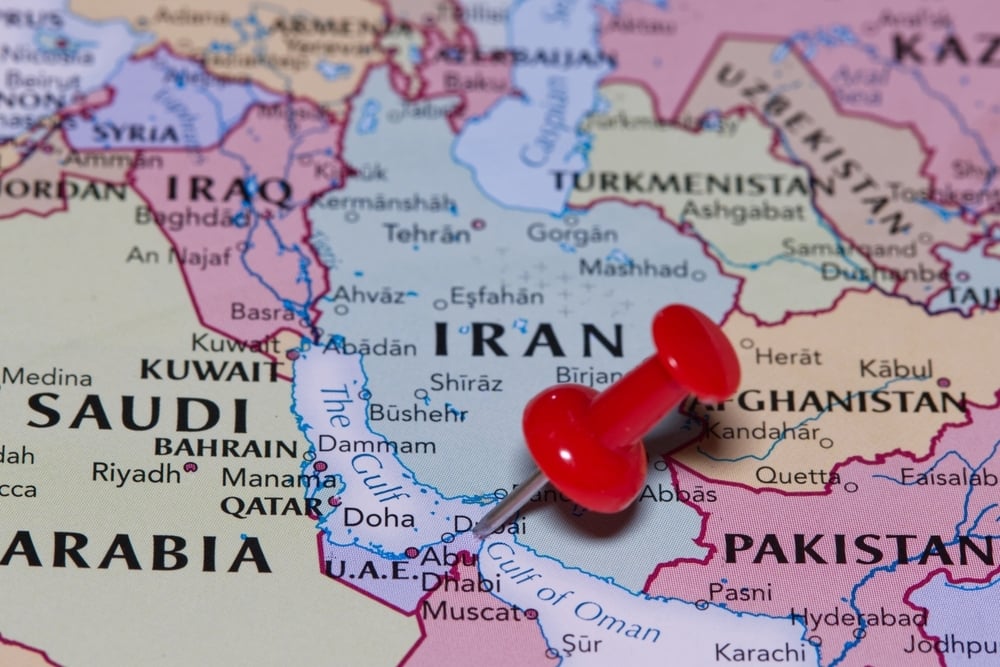
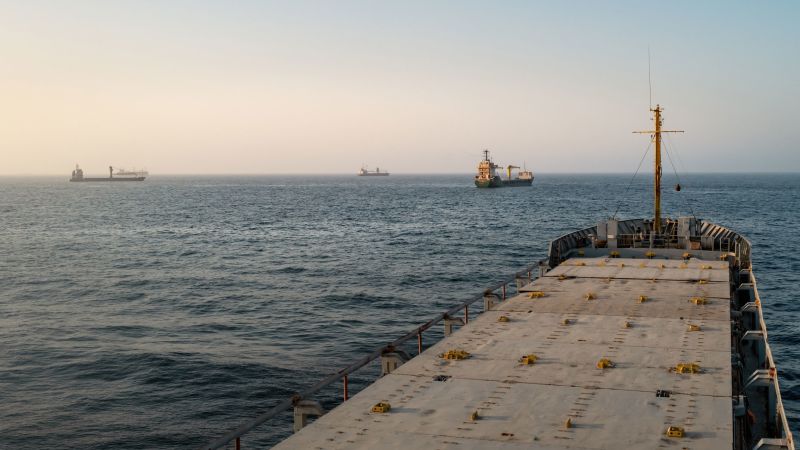
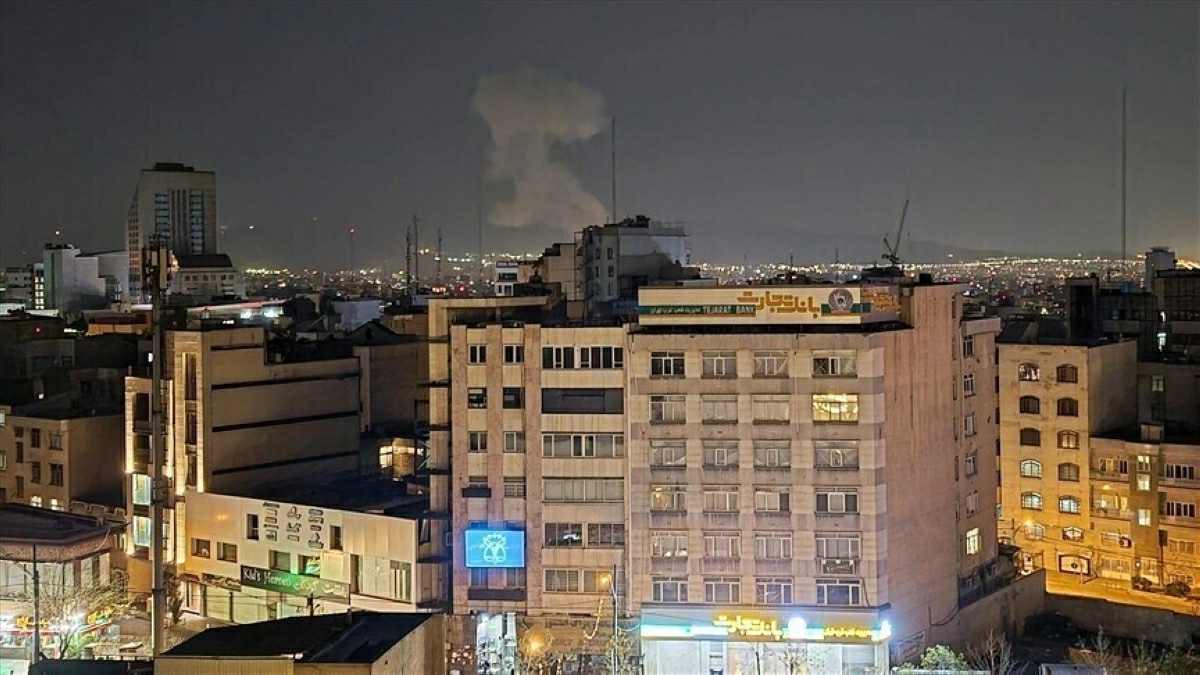
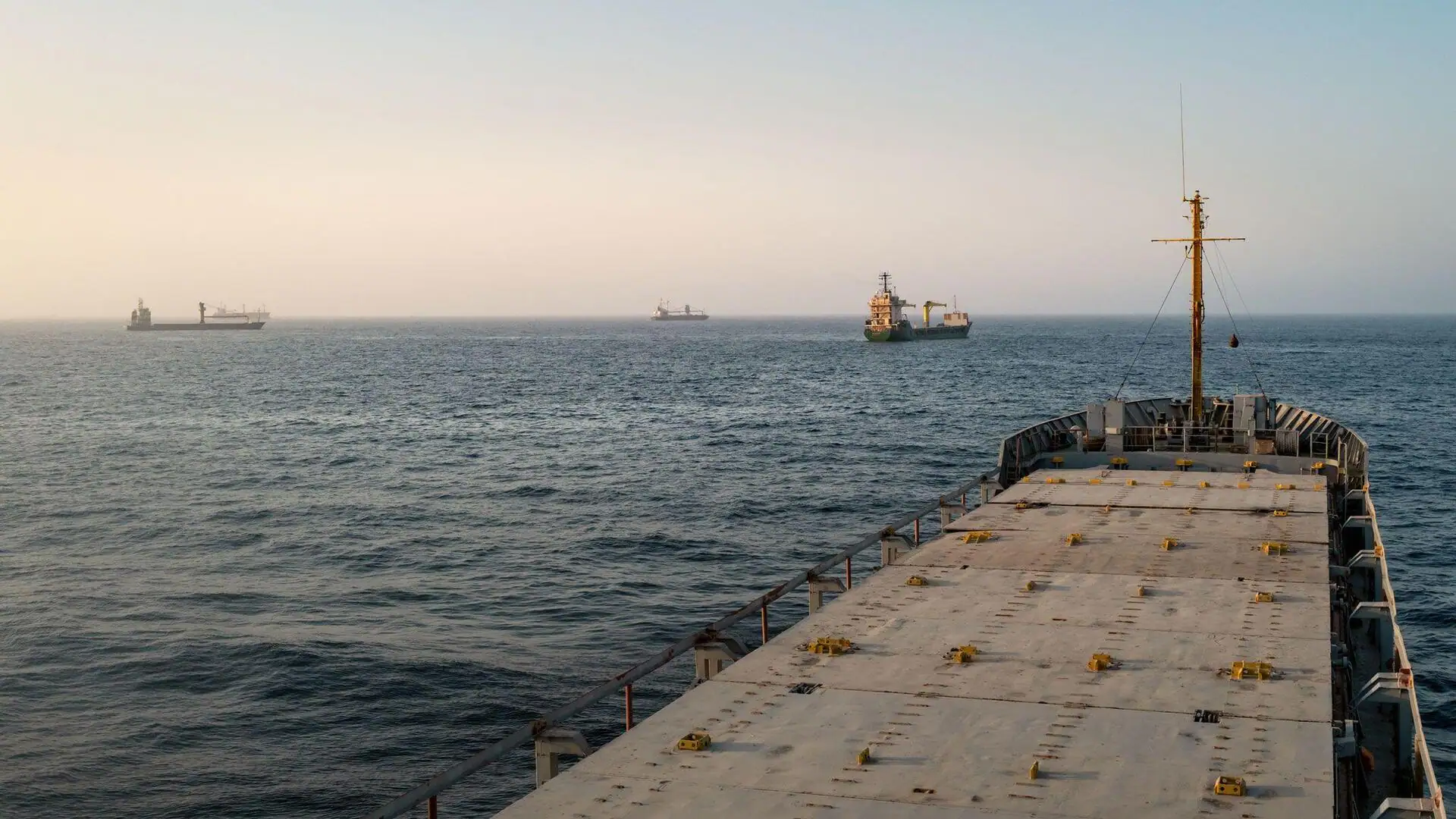
WASHINGTON – U.S. Central Command announced June 26 that its forces conducted strikes against Iran in what the military called “a powerful response” to Tehran’s attack on a commercial ship a day earlier in the Strait of Hormuz.U.S. aircraft struck missile and drone storage locations and coastal radar sites. The strikes came in response to an Iranian drone attack June 25 on the M/V Ever Lovely, a Singapore-flagged cargo ship.President Donald Trump had called the Iranian attack a clear violation of the ceasefire for peace negotiations. He told reporters to “you'll find out” about retaliatory strikes less than two hours before the U.S. strikes.Trump said Iran sent at least four attack drones, but U.S. forces knocked down three. The fourth hit the cargo ship, but the ship was able to proceed despite the damage, he said."Obviously, this is a foolish violation of our ceasefire agreement," Trump said on social media.About two hours before the strikes, when asked whether the ceasefire would hold, Trump told reporters they’d "find out."“I don't like the fact that they took a shot yesterday. Actually four,” Trump said in the Oval Office. “Not an allied ship, but a ship. A very expensive ship and it was fine, but it took a little beating. They shouldn't be doing that. You'll find out.”In a report after the announced strikes, Iranian media said a projectile struck the area around a pier in Sirik in southern Iran.Iran's military, the Islamic Revolutionary Guard Corps, said its response to the fresh U.S. attack would be "swift and decisive," according to state television.The war began Feb. 28, when the United States and Israel launched a joint bombing campaign in Iran. Thousands have died in the fighting, including 13 U.S. service members, as the war rocked the global economy.Since April, the war has been largely in a ceasefire while U.S. officials, including Vice President JD Vance, have sought with limited results to advance to a comprehensive peace agreement.Trump and Iranian President Masoud Pezeshkian signed a pact June 18 ending the war on all fronts. The agreement aimed to reopen the Strait of Hormuz while giving officials 60 days to negotiate over Iran’s nuclear program and U.S. sanctions.Iran had said the attack on the cargo ship was in response to an "interventionist, irresponsible and provocative" joint statement by the United States and six countries that rejected tolls on ships in the Strait of Hormuz. Trump promoted the prohibition on tolls on social media June 24."Safe passage through the Strait of Hormuz cannot be guaranteed under ambiguous arrangements, parallel routes or decision-making that does not take Iran's role as a coastal state into account," Deputy Foreign Minister Kazem Gharibabadi said on social media June 26.Contributing: Reuters