Most cloud platforms that need access to your infrastructure start with the same onboarding step: paste in a service account key. Or an access key and secret. Or a JSON blob you downloaded from the console and definitely should not be emailing to yourself.
You paste it in. The platform stores it. You hope they encrypted it. You hope they rotate it. You hope nobody on their team can read it. You move on with your day and try not to think about it.
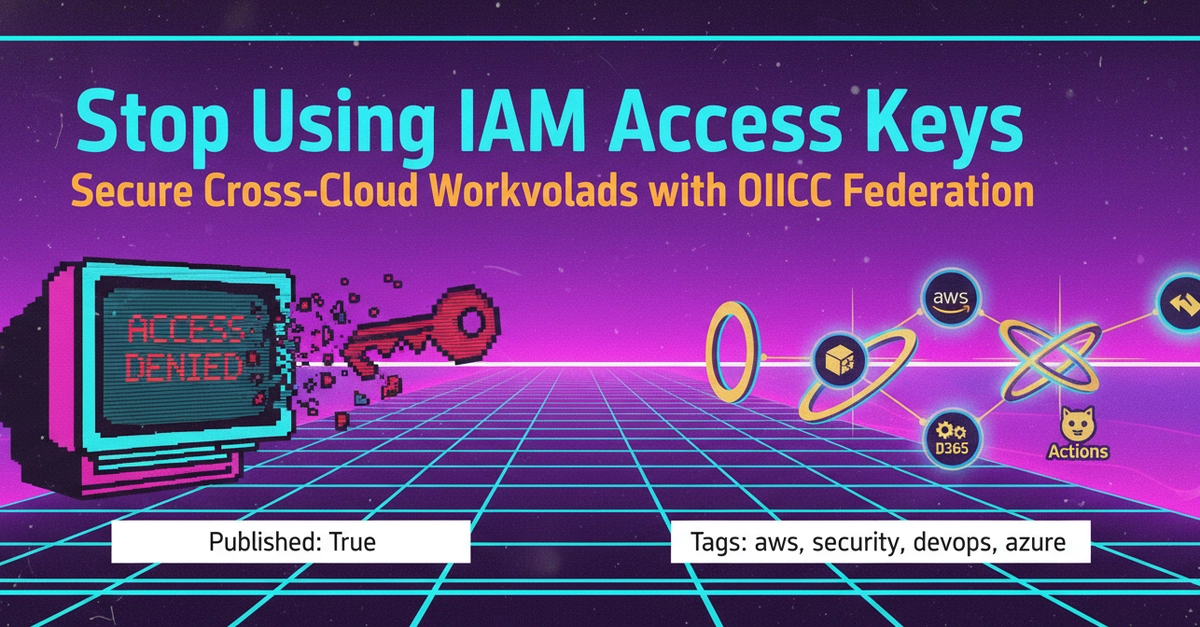
We built Zero — b0gy's platform for engineering truth — around a different premise. For cloud infrastructure access — GCP and AWS — we don't store credentials at all. The platform connects to your projects and accounts using short-lived, federated identity tokens that are minted on demand and expire in minutes. There is nothing to leak because there is nothing stored.
Not every integration can work this way. GitHub, Slack, and Jira use OAuth, which means we do hold tokens for those services. But for the highest-risk connections — the ones with read access to your entire cloud infrastructure — keyless was a hard requirement.
This is the first post in a three-part series about building Zero. We're starting here because the connector model shaped everything else.