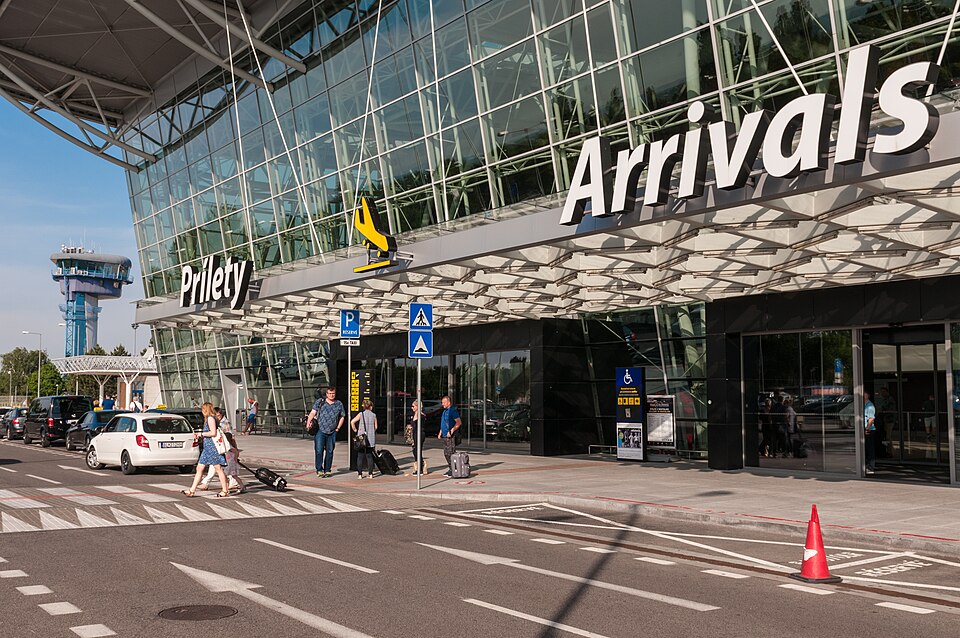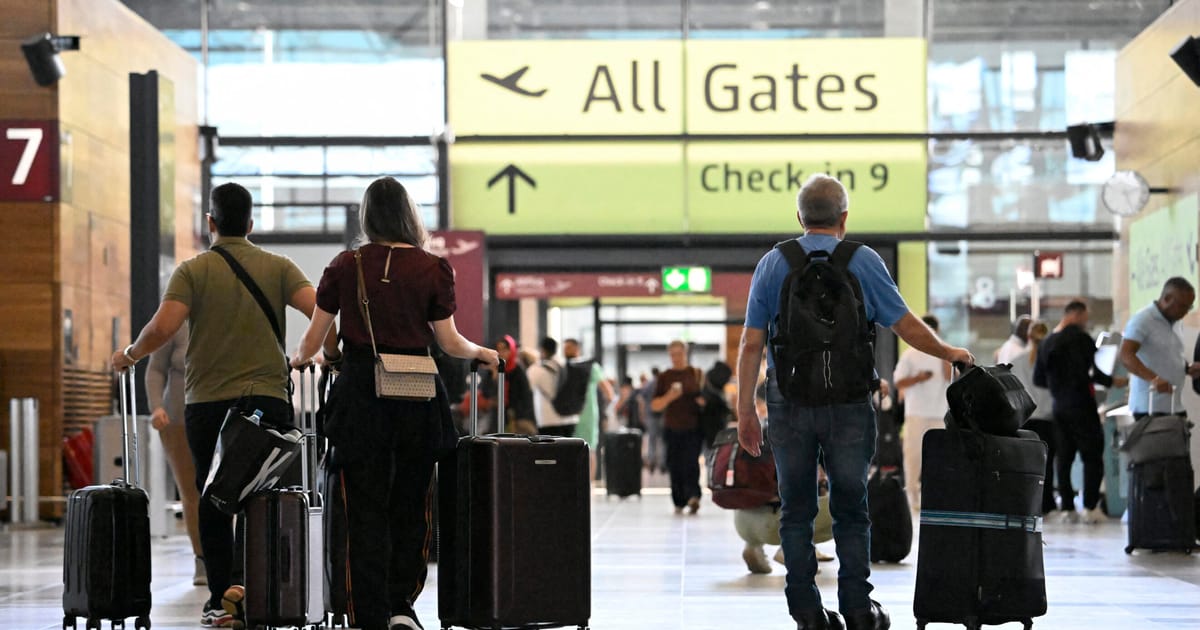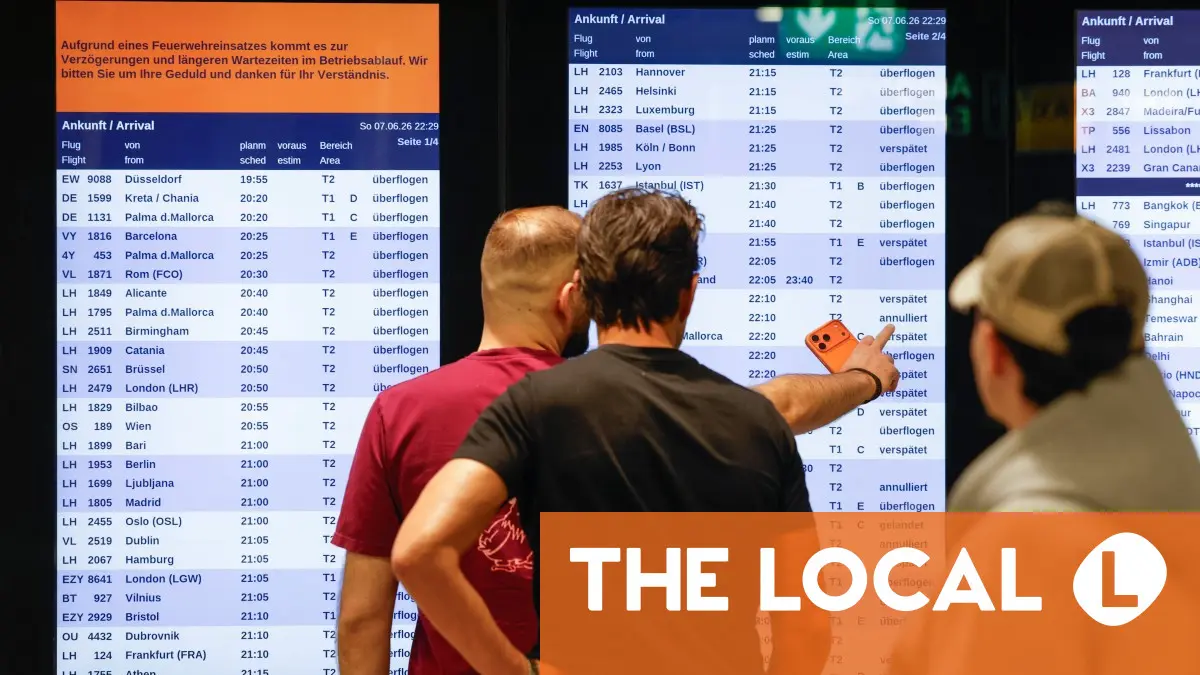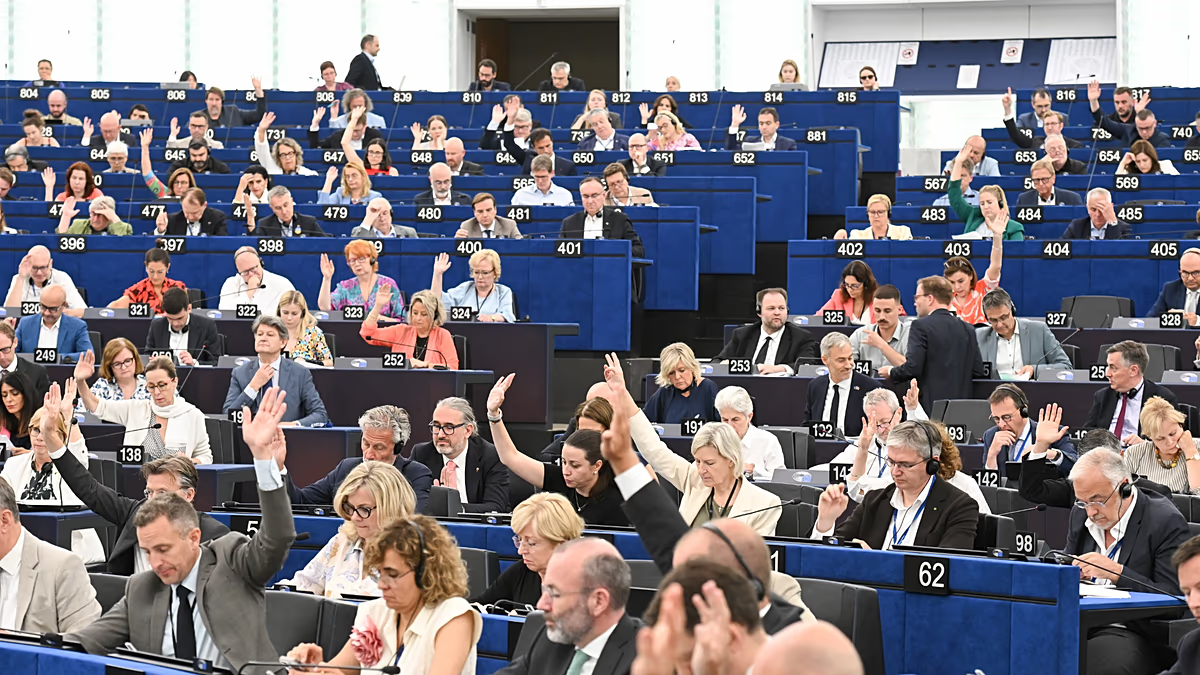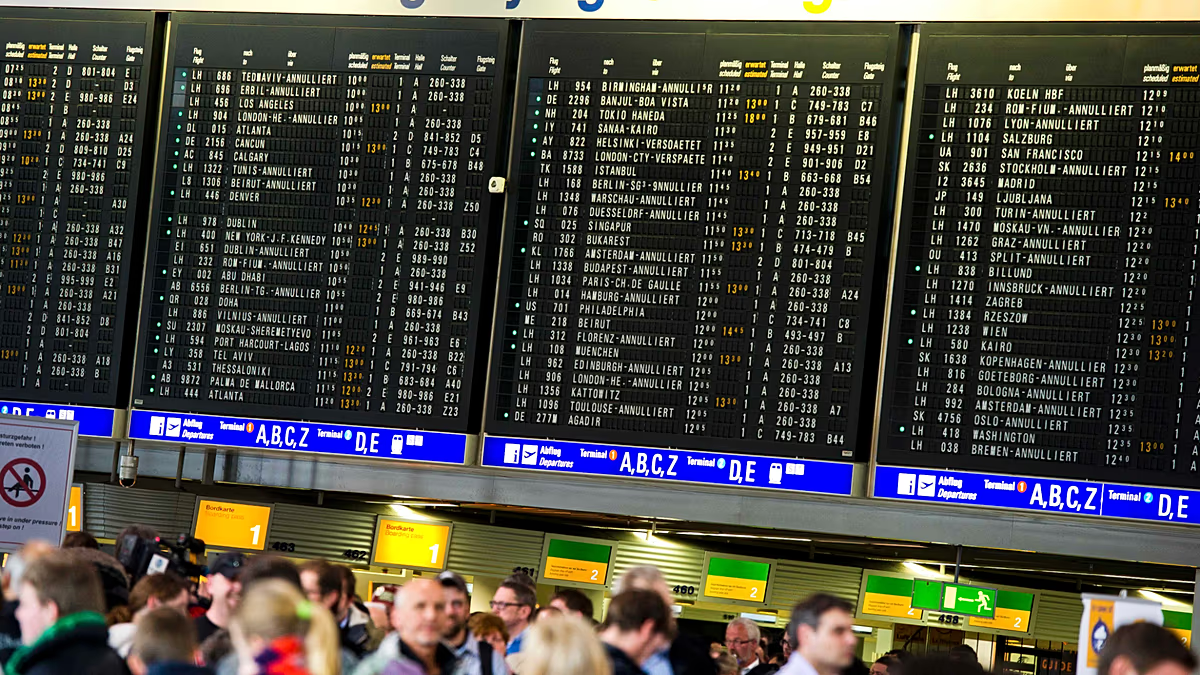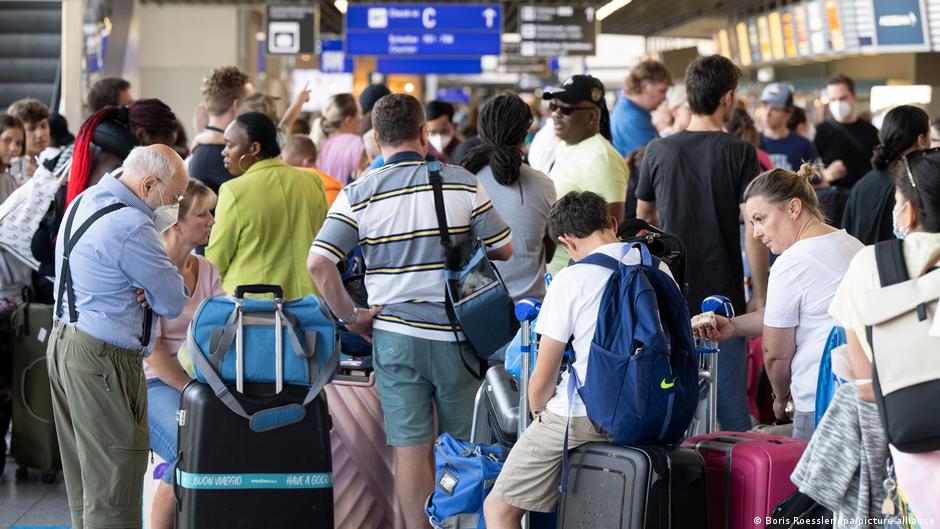
The new EU air passenger rights reform has been 13 years in the making.dpa/AFP via Getty ImagesEuropean countries voted this week to introduce major legal changes to how people travel through their skies as part of an EU air passenger rights reform. It’s important, and will impact how airlines charge passengers and how passengers, in turn, can receive compensation, but there are questions over what will happen as a result of the best consumer intentions.It has taken over a decade of negotiations among EU countries to reach an agreement on this legislation, called EU261. Spain and Latvia voted against the move, and Austria and Finland abstained, according to Politico. The new rules are expected to come into play by the end of 2027, assuming they are signed off on by MEPs in July.Crucially, the debate has been taking place for 13 years. The EU Observer says that while air travel has been increasing since the pandemic, with 1.1 billion passengers flying in EU skies in 2024, air traveler rights haven’t been updated since 2004.EU Air Passenger Rights—The LowdownHere are the key takeaways from Law EU261:Every airplane ticket will now include not only a small bag that fits under the seat in front but also a cabin bag. This is often the bugbear of passengers on low-cost carriers that advertise cheap airfare but, in reality, cost far more when a bag is added. A 2025 Euroconsumer survey cited this as a major source of passenger frustration in Belgium, Italy, Spain and Portugal. Politico believes costs are likely to rise, but passengers will also get discounts for bringing fewer bags. The weights have not been decided upon, however, and will likely be up to individual airlines.Airlines will no longer be able to charge extra to sit near children, elderly parents or people with disabilities.Current rules state that when a flight is canceled or delayed by at least 3 hours, refunds and compensation range from €250 to €600, depending on flight length ($264 to $683). This will stay the same under the new law.In addition, if a flight is over 3,500 kilometers (approximately 2,174 miles) and delayed by more than three to four hours, passengers can claim compensation of €300, and up to €600 for longer delays or cancellations. ($341 to $683).At present, airlines must only inform passengers of their rights to compensation when something happens. Consumer rights groups wanted this to go further and for airlines to make passengers more aware. Airlines fought back, saying it would drive up costs, particularly if they were forced to send links to compensation forms or pre-filled forms, as many parliaments asked for. In the end, the EU voted to require airlines to provide passengers with “clear instructions” on how to file compensation requests.The EU countries voted to revise the criteria for extraordinary circumstances under which airlines are exempt from paying compensation if a flight is delayed or canceled due to events beyond their control, such as extreme weather.The Director General of the European Consumer Organization was happy. Agustín Reyna said that the deal “enshrines key air compensation rights in the law, in cases of cancellations or delays.”An EU statement said that one of the key benefits was that these rules were strengthened and would really assist persons with disabilities and reduced mobility.EU Air Passenger Rights—The Airline ResponseConversely, airlines were unhappy. The managing director of Airlines for Europe, Ourania Georgoutsakou, said the talks had led to a compromise that is “bad law that infringes existing EU consumer protection rules without fixing the real issues of reducing delays and cancellations.”IATA, the International Air Transport Association, is the trade association for many of the world’s airlines, representing over 370 that account for around 85% of global air traffic. In a statement, it declared it was pleased that airlines would be exempt from many types of extraordinary circumstances, such as a pilot's death, which had not previously been the case.IATA, however, declares that the revised regulations result in two major losses. The first is regarding the timing threshold for triggering compensation. Three hours, it argues, is not enough time to get a relief aircraft in situ and all the passengers to their destination. So the airline triggers a cancellation because greater delays mean greater costs. IATA says that passengers would probably prefer a longer delay and to get to their destination rather than not at all, saying “late is better than never”. It therefore states that EU261, the bill, is “perversely encouraging behavior that is against passenger wishes”.The second argument is that the bill fails to address that one of the biggest reasons for delays in European air transport over the past decade has been air traffic control, where delays have doubled. IATA argues that airlines have every reason to perform reliably, to incentivize customers to return, and to keep to tight schedules that are almost impossible to rework when delayed. IATA argues that the biggest failure is to link liability to operational performance and to incentivize better performance by air traffic control.The deal comes at the same time as the EU unveils its “One-Journey One-Ticket” EU cross-border ticket plan, which intends to do exactly as it says—allowing passengers to book tickets across several EU countries in one go, with one provider and be compensated and protected by the same company, regardless of which country they operate in—this is currently what makes cross-border train travel in the Europe more difficult than it could be.For many companies, these additional conditions seem to fly in the face of the Draghi Report, released in 2024, which warned that a lack of competitiveness in the EU could lead to stagnation. The report concluded that Europe needs to cut regulations and costs to become more competitive. While this legislation seems to do the opposite, its aim was to provide consumers more protection—something that the new EU air passenger rights legislation has been 13 years in the making.MORE FROM FORBESForbesWhy Literary Travel Is Surging In 2026By Alex LedsomForbesThe 10 Safest Countries In The World, Per 2026 Global Peace IndexBy Alex Ledsom
EU Air Passenger Reform—What To Know And Who Really Benefits?
New EU air passenger reform is set to help consumers with compensation and prices, but will it work and who will benefit? Here's what to know.
1,006 words~5 min read