Published Jun 26, 2026, 4:12 PM EDT
Scientific evidence now exists on the topic of resistance training and whether it harms growth plates and stunts growth.
Follow
Published Jun 26, 2026, 4:12 PM EDT
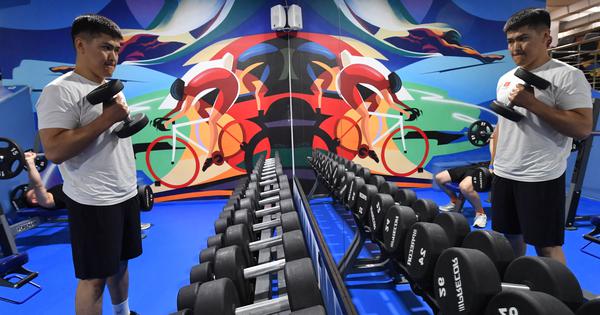
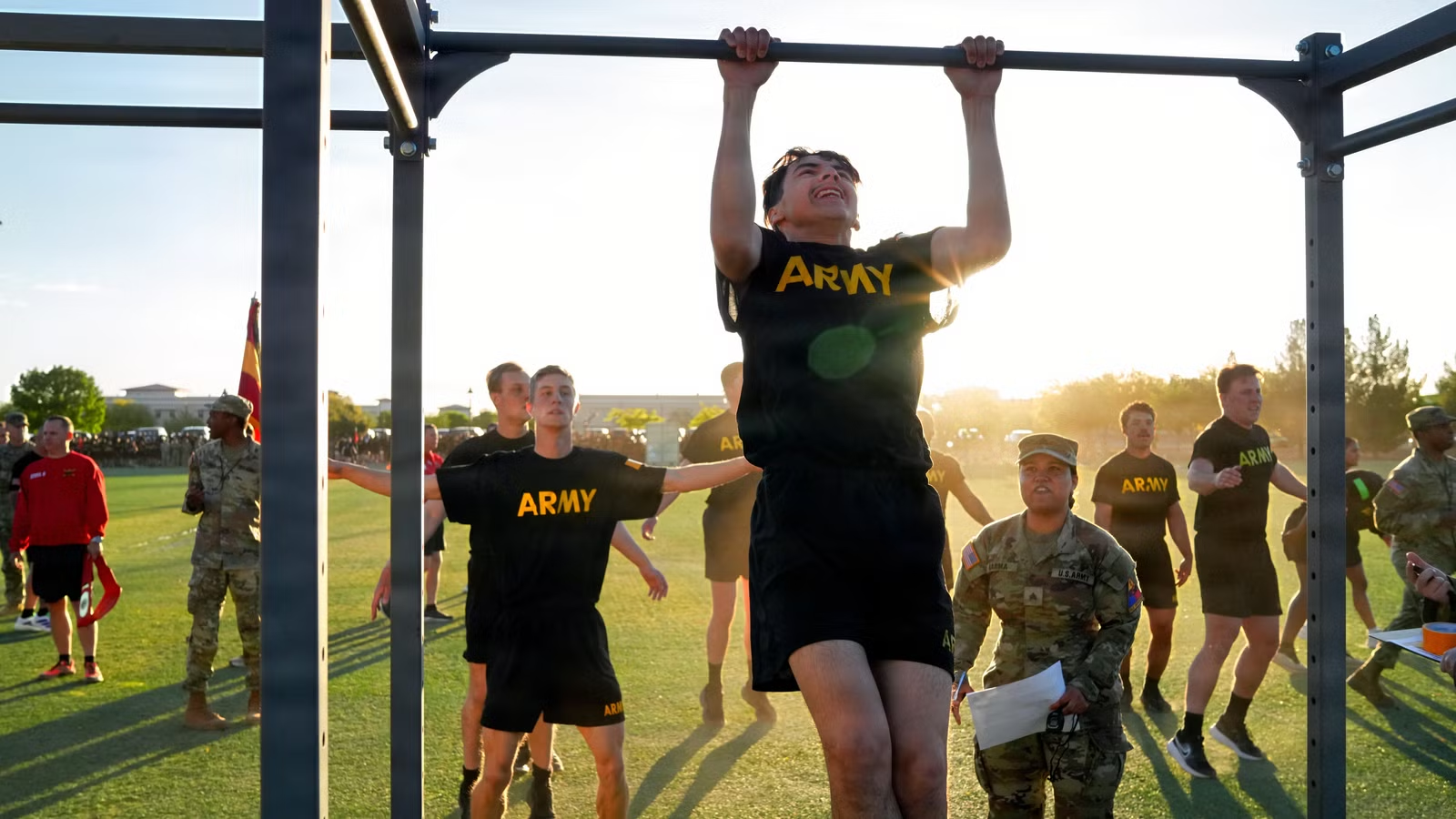
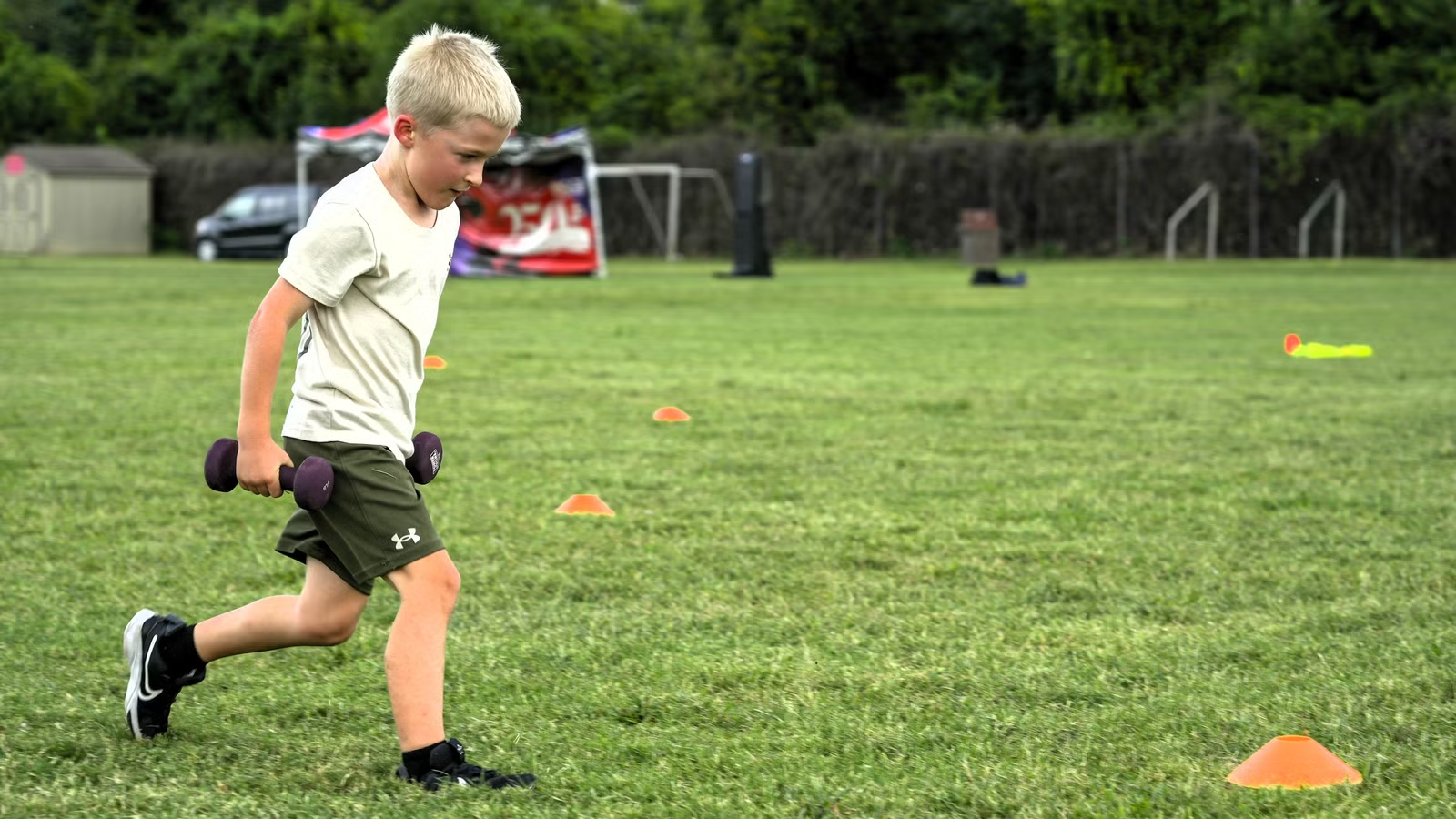
Luckily, we do not have to rely on hearsay anymore to decide whether to let adolescents lift weights. Scientific evidence now exists on the topic of resistance training and whether it harms growth plates and stunts growth. At the same time, science also shows that early childhood fitness training can bring a lifetime of benefits compared to normal play and, especially, doing nothing at all. Here is the question about fitness training with your children: Stew, I have heard many pros and cons of having kids, starting with weightlifting. When did you start with your kids? Any settling of the controversy around it? Thanks, Max Max, great question. I wish a single article could dispel this myth, but maybe we can be a little smarter in our answers during these debates. From experience, I would say that if your child is interested in exercise, encourage it. If they do not have an interest, set the example for them, and eventually they will come around. The danger is not that children lift weights but that they do not exercise at all. Just look at childhood overweight/obesity rates to see that there is far greater danger for lack of youth physical fitness training. But don’t take my word for it, here is what the science says about youth resistance training: The American Academy of Pediatrics (AAP) released a comprehensive clinical report confirming that strength training is not harmful to growth plates when done in supervised settings using appropriate loads. In fact, the organization’s updated Resistance Training for Children and Adolescents guidelines emphasize that resistance training is not only safe for youth but also actively aids in self-esteem, confidence and mental health. Similarly, the National Strength and Conditioning Association (NSCA) published an updated position statement concluding that appropriately designed and supervised youth resistance training programs are safe, and that they improve cardiovascular risk profiles, strengthen bones, enhance motor skills and protect against sports-related injuries for many years into adulthood.The danger isn't in the resistance training itself. The real risks come from poor supervision, improper form and progression into heavier weights too quickly.