Published Jun 26, 2026, 2:18 PM EDT
Nearly 60 years after Vietnam, James Capers' Medal of Honor confirms why Marines considered him a legend long before the award.
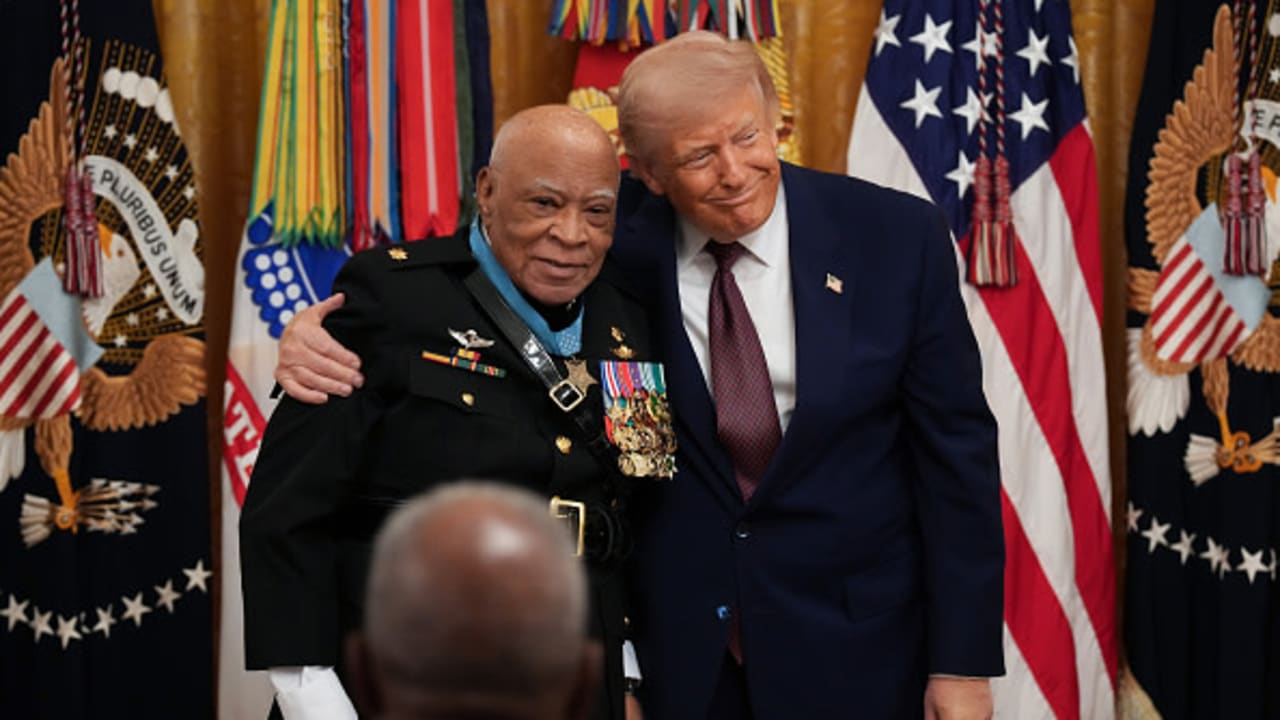
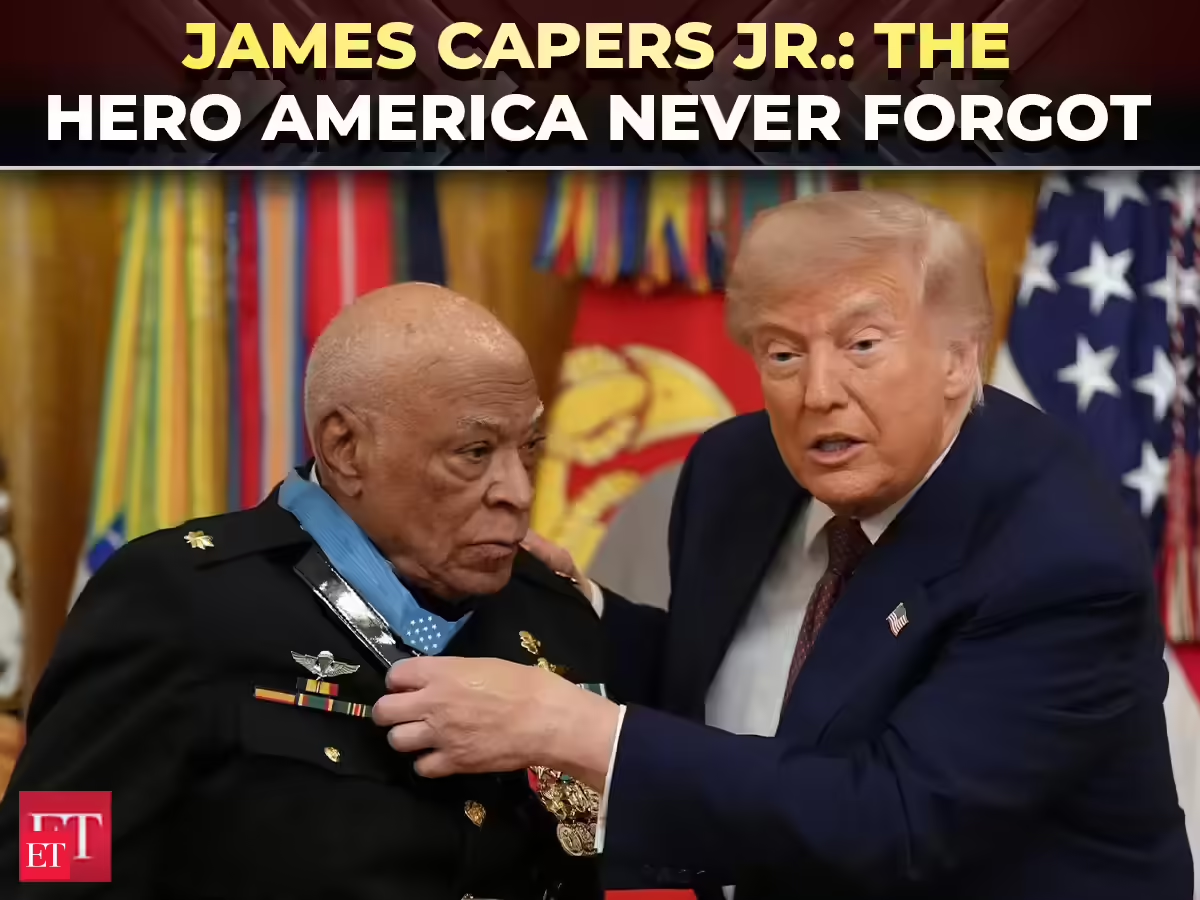
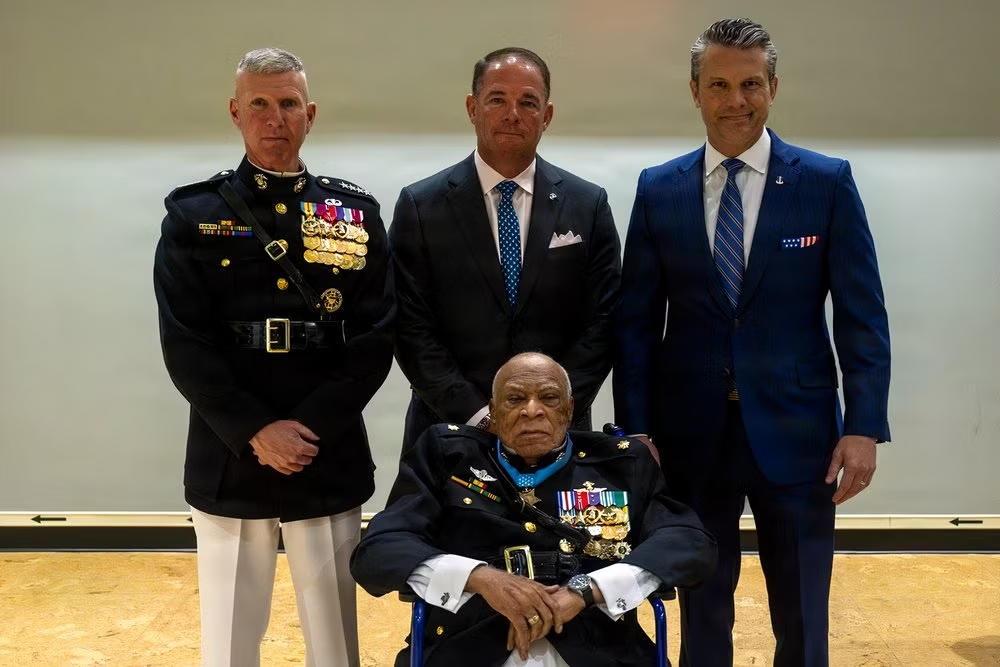
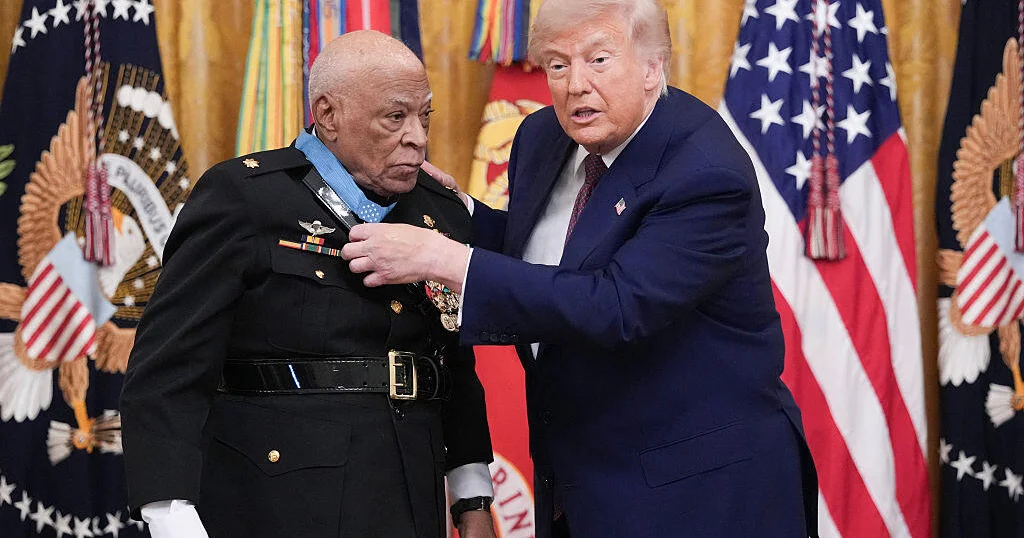
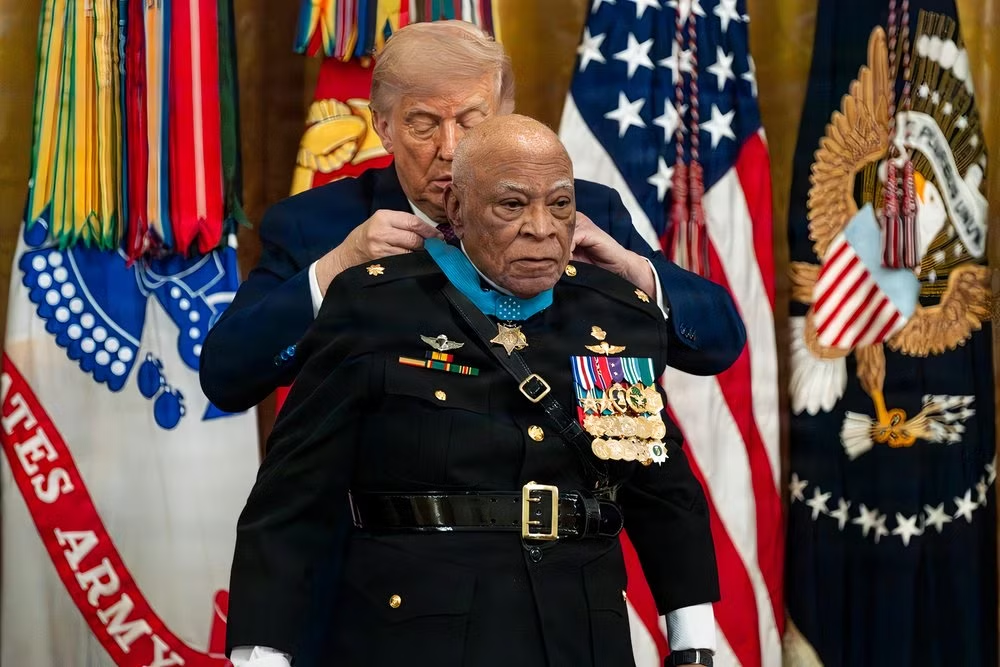
When retired Marine Maj. James Capers Jr. entered the Pentagon's Hall of Heroes for his Medal of Honor ceremony, he stepped into a room reserved for the nation's most extraordinary acts of battlefield valor. For much of America, the ceremony was an introduction to one of the Vietnam War's greatest stories. For many Marines, particularly those in the reconnaissance community, it was something different. It was the nation finally recognizing a leader they had considered legendary for decades. Military decorations often define moments. Within the military, however, reputations are built over entire careers, through the stories that are told in ready rooms, classrooms and field exercises long after the fighting ends. By the time Capers received the Medal of Honor, nearly six decades after the battle at Phu Loc, his reputation had already become part of Marine Corps lore. The medal didn't create that legacy. It confirmed it.
The Patrol That Changed Everything
On March 31, 1967, then-2nd Lt. James Capers led a nine-man Force Reconnaissance patrol deep into enemy-controlled territory near Phu Loc, South Vietnam. The mission was straightforward: gather intelligence on enemy troop movements. Instead, the team found itself surrounded by a much larger North Vietnamese force. For four days, the Marines fought while attempting to evade encirclement. Capers was shot twice. He suffered multiple shrapnel wounds and a broken leg. Despite his injuries, he continued directing the defense, coordinating supporting fires and encouraging his Marines as they fought toward extraction. When a rescue helicopter finally reached the team, the aircraft struggled under the weight of the wounded Marines. According to accounts of the battle, Capers twice tried to leave the helicopter so the others could survive the flight out. His fellow Marines refused to let him go. Even then, the team would not leave behind King, the military working dog that had accompanied them throughout the mission. Years later, Capers said King shielded him from part of the blast of a claymore mine, likely saving his life. The actions earned Capers the Medal of Honor nearly 60 years later. But Marines had been telling that story long before the citation changed.