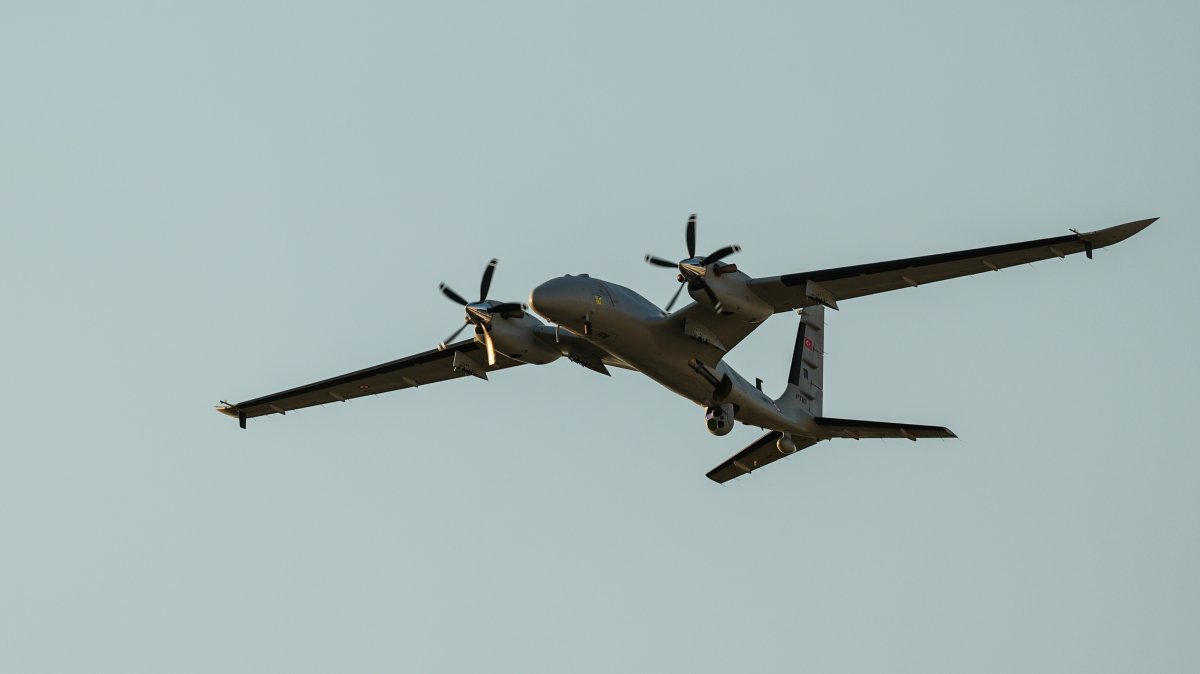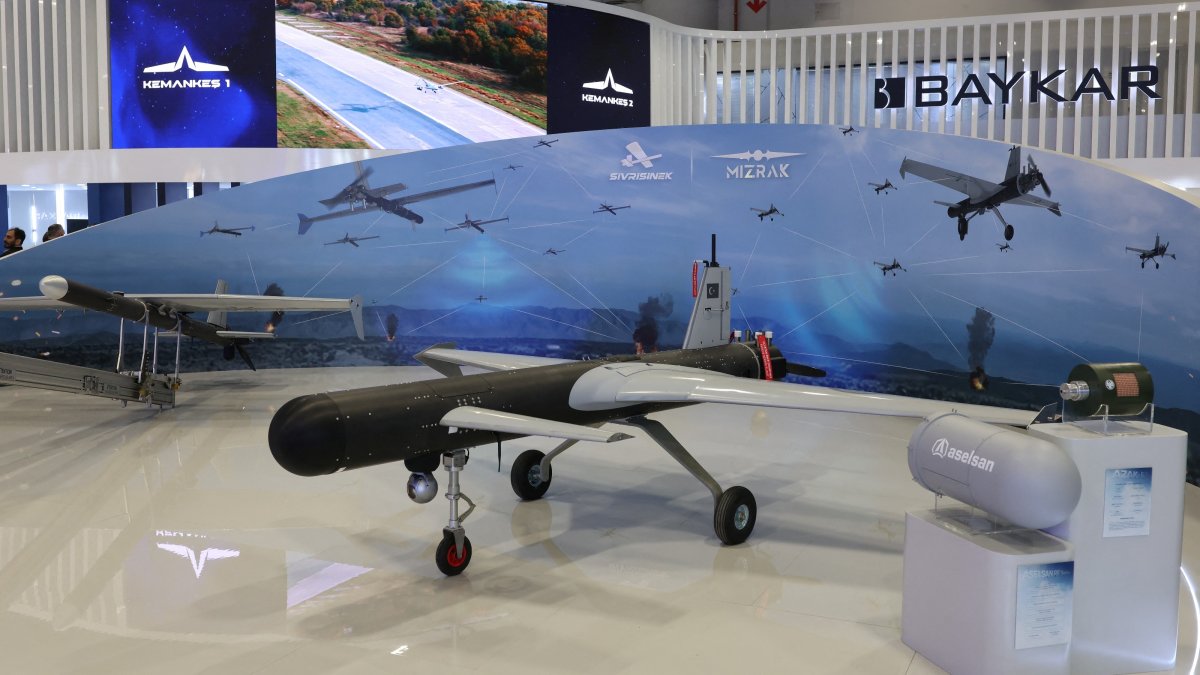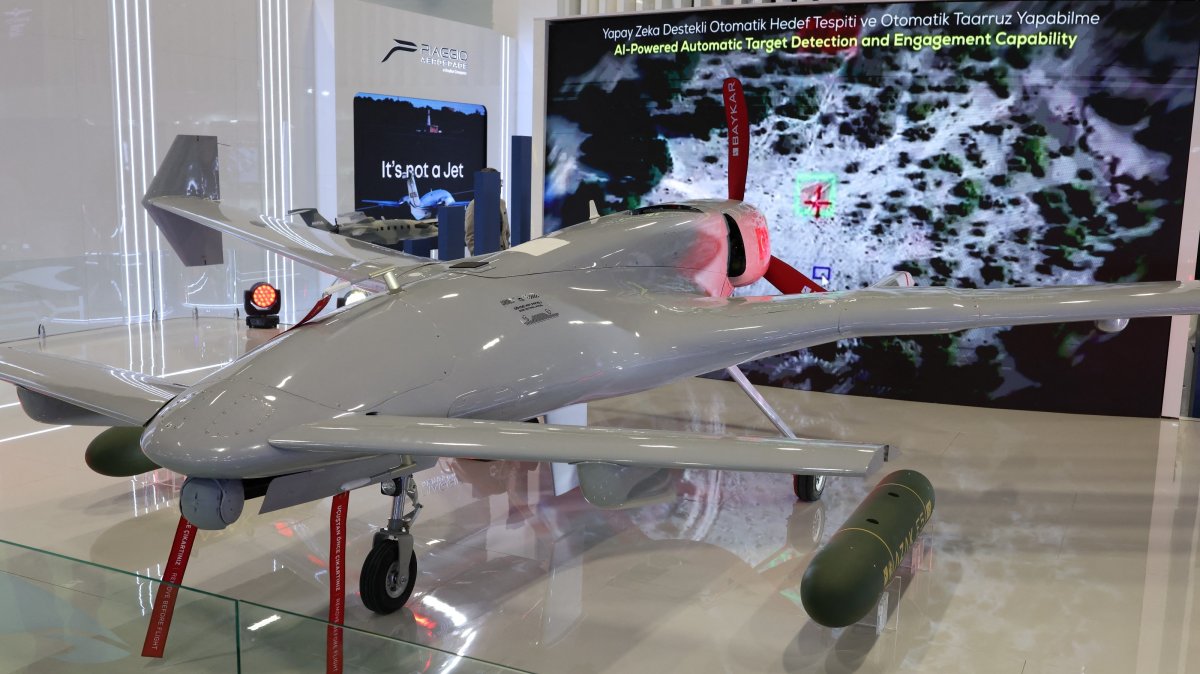
NATO's deputy supreme allied commander transformation has highlighted Türkiye's Bayraktar drones as a model for the alliance's shift toward open, interoperable military software architectures, saying the future of defense lies in adaptable rather than closed systems.
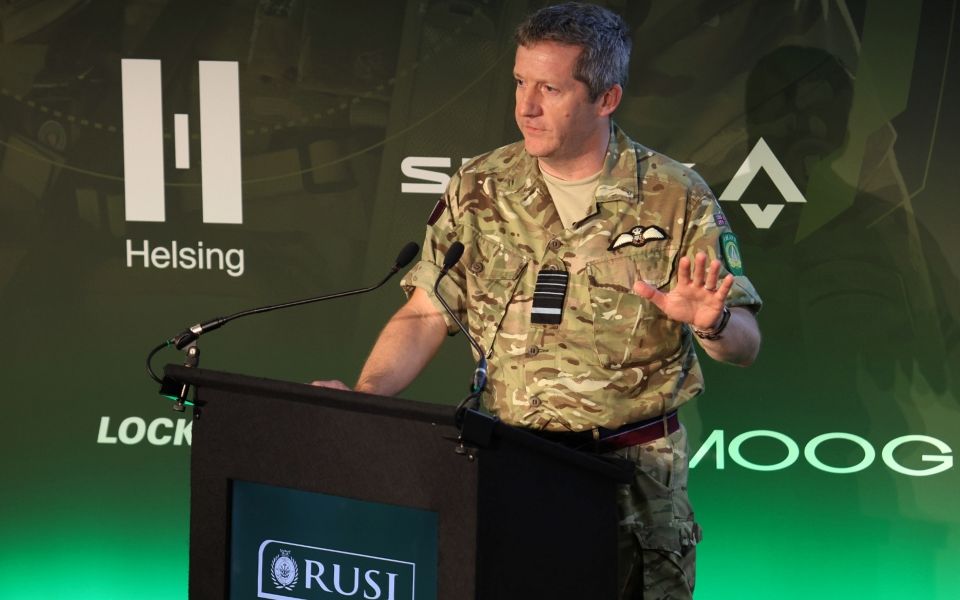
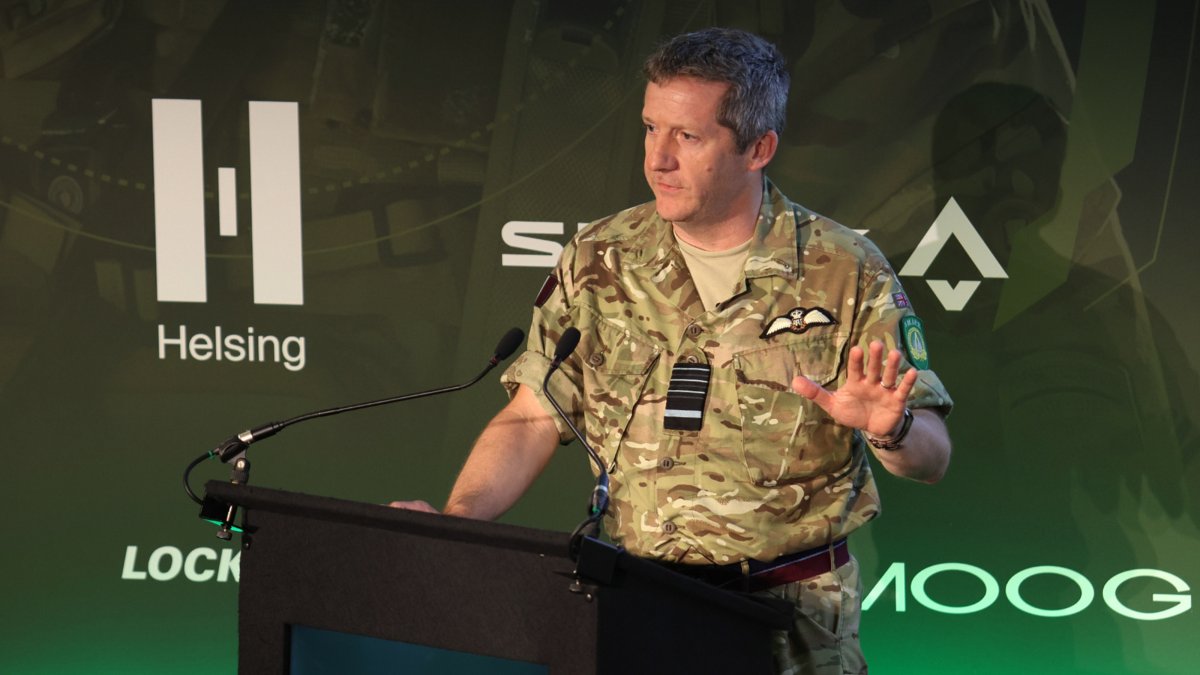
Speaking to Anadolu Agency (AA) ahead of the upcoming NATO summit in the Turkish capital Ankara, Air Chief Marshal John Stringer, NATO deputy supreme allied commander in Europe, highlighted Türkiye’s pivotal role in Western security and stressed the need for a radical overhaul of how the alliance integrates military technology.
Against a backdrop of shifting transatlantic burdens and regional volatility, Stringer mapped out a blueprint for a modernized alliance. At its core is a transition away from closed software and multibillion-dollar defense monopolies toward more flexible, open systems developed across the alliance.
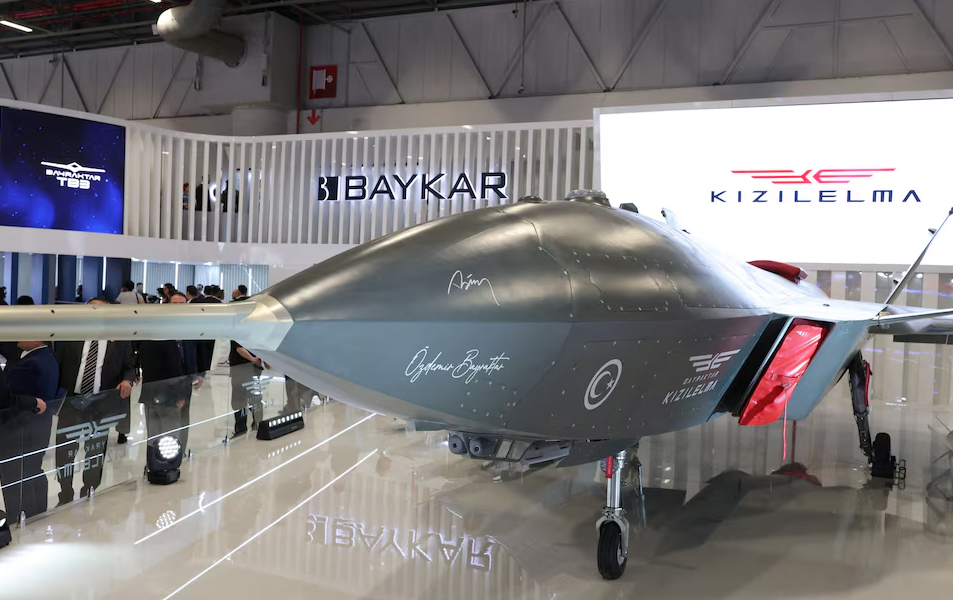
He pointed to Bayraktar as a leading example of this approach, highlighting its relevance to NATO’s evolving air and land operations, and the broader transformation of how the alliance integrates emerging technologies.
"Bayraktar are a great example of those almost insurgent European firms, many of whom did not even exist five years ago ... who are resetting a bunch of long-established principles,” he said.