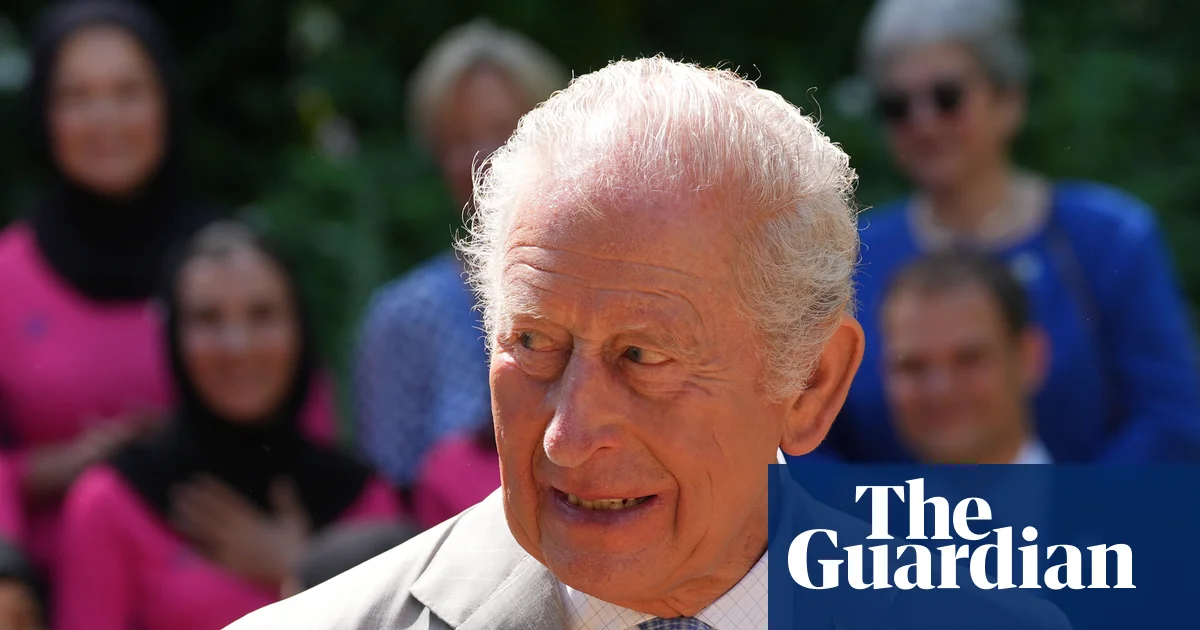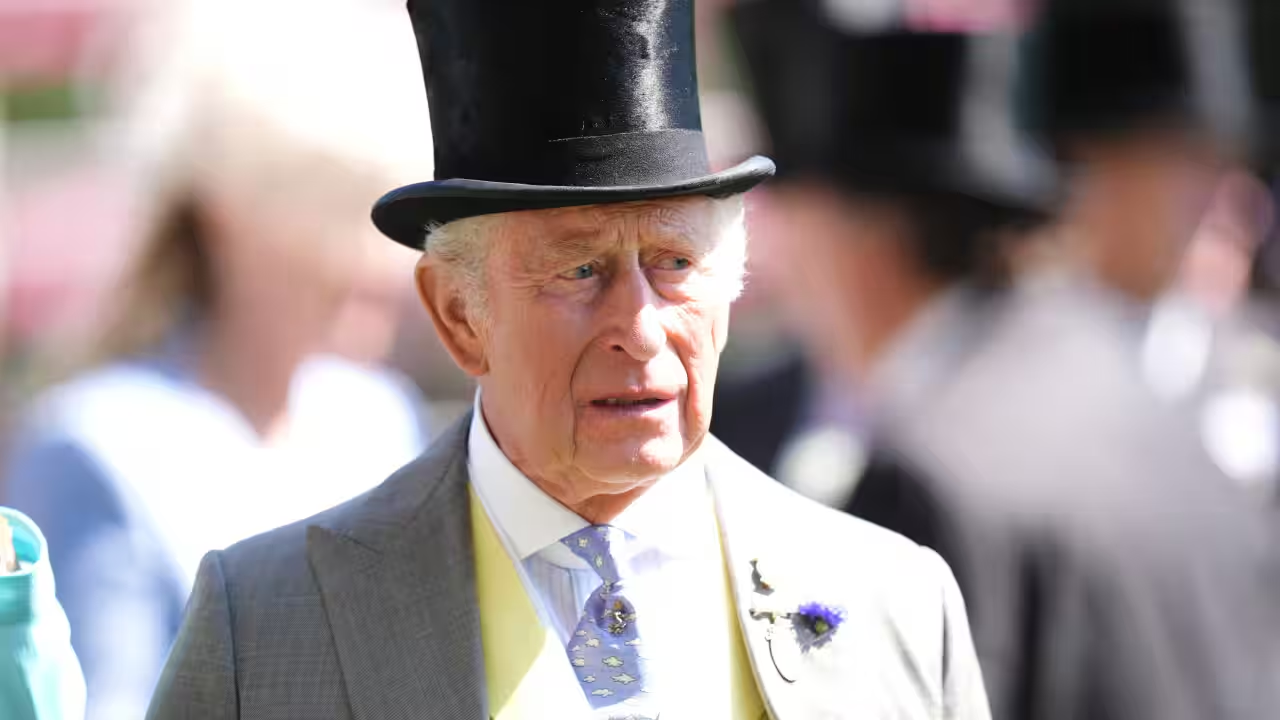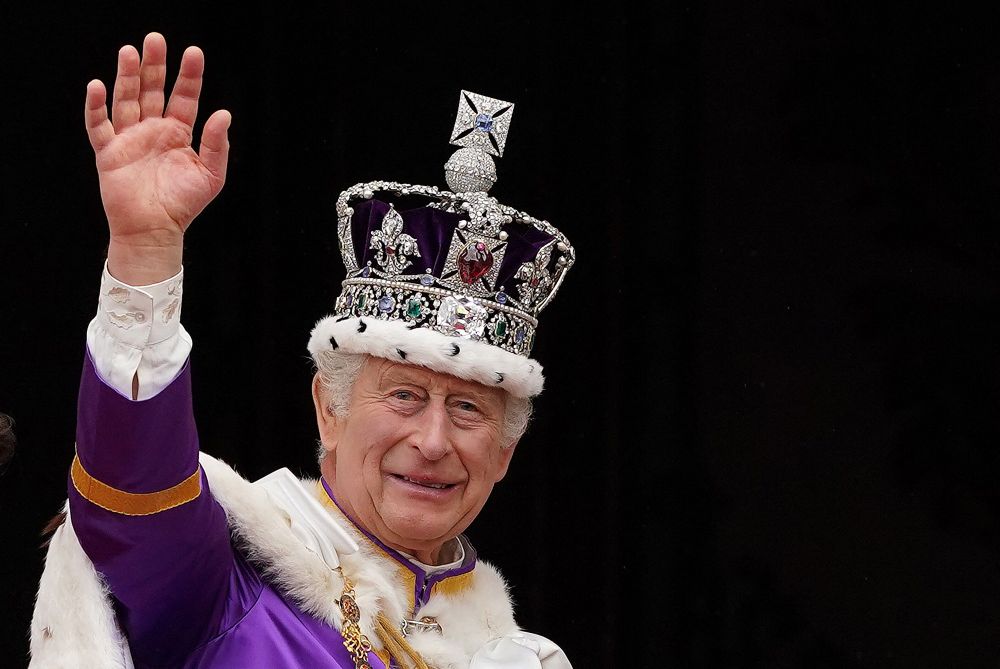
Public support for the British monarchy has dropped to its lowest level since polling began in 1993, with younger Britons increasingly favouring a republic despite strong approval ratings for King Charles and Prince William.
LONDON - King Charles III on Thursday became the first reigning British monarch to disclose his personal tax bill, breaking with a centuries-old tradition of royal financial privacy. The gesture of transparency was part of an effort by Buckingham Palace to contain fallout from damaging revelations about the finances of the king’s disgraced and demoted brother, the former Prince Andrew, now simply Andrew Mountbatten-Windsor.
Monarchs, generally speaking, are known for collecting taxes, not paying them, and Charles’s unusual role reversal seemed to raise as many questions as it answered, if not more. Charles voluntarily paid more than 30 million pounds (about $40 million) since assuming the throne in 2022, the palace said in a brief report - including 11.7 million pounds ($15.4 million) in 2023-24 and 12.9 million pounds ($17 million) in 2024-25.
The report did not detail how much income those payments were based on, nor did it reveal new information about the king’s substantial, undisclosed personal holdings. Without those details, it was unclear whether Charles’s tax payments were eye-popping or eye-rolling - a painful bite by the taxman, or pocket change from a fortune nobody’s allowed to see, effectively a rebate to the British public on centuries of financing for the monarchy. That financing was consolidated in 2012 into a payment mechanism known as the Sovereign Grant.