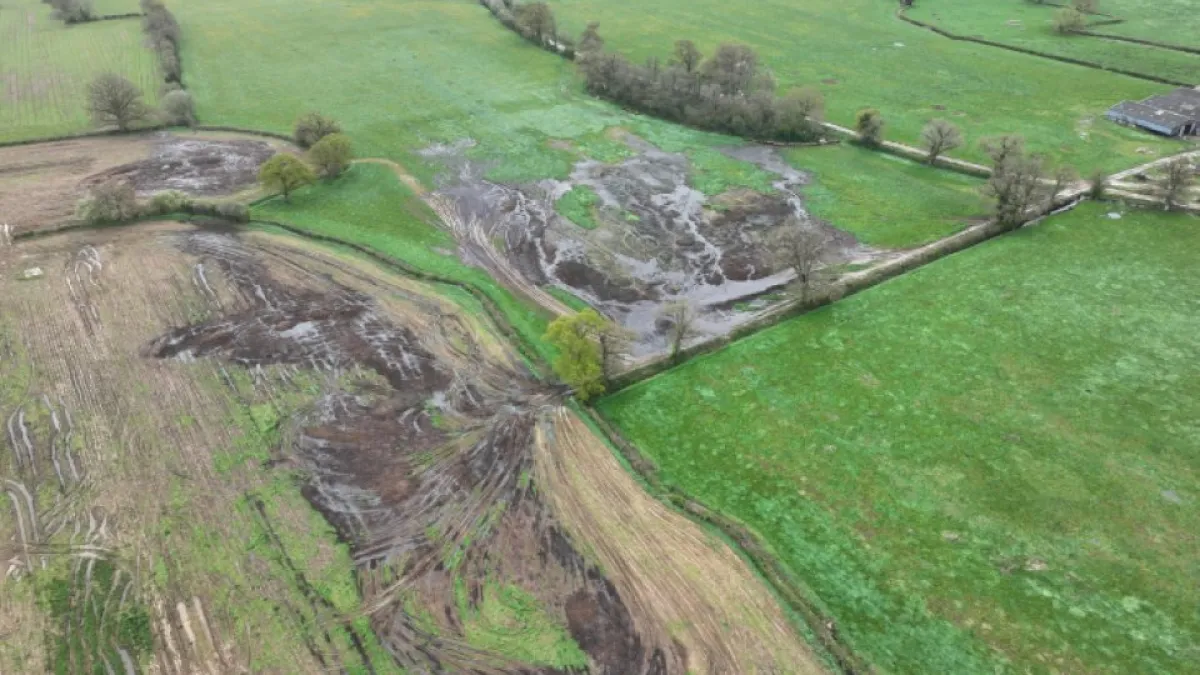
Only nine farms have been prosecuted under laws introduced eight years ago to reduce agricultural pollution in rivers – despite more than 10,000 breaches being identified, The i Paper can reveal.Those who were convicted of serious pollution incidents have been fined as little as £137, which campaigners say is a sign that “river pollution is being tolerated”.The i Paper has been calling on the Government to do more to reduce agricultural pollution as part of its Save Britain’s Rivers campaign.
Shorts
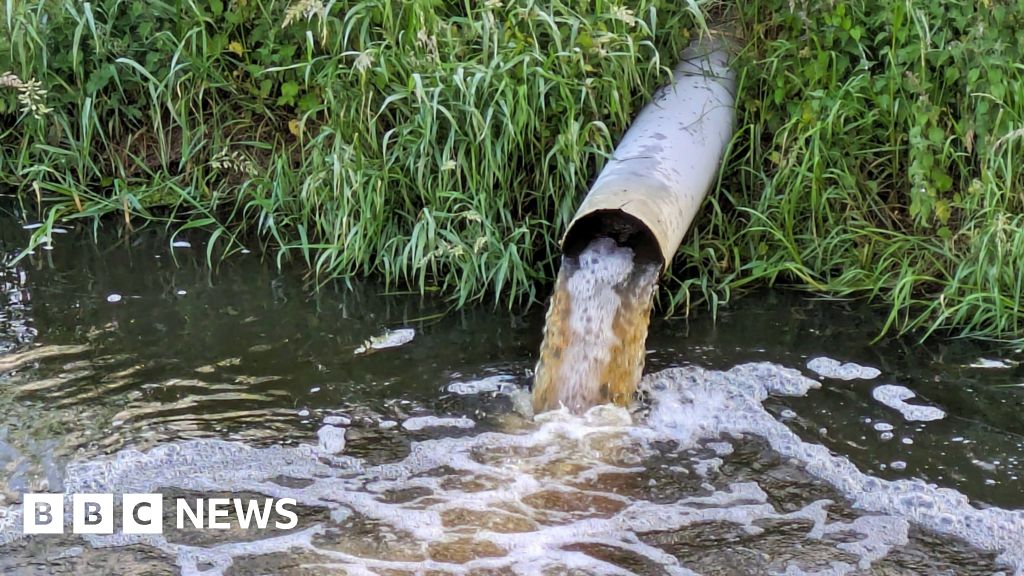
Alongside sewage discharges, agriculture is one of the largest sources of pollution into England’s rivers. The problem largely occurs when rain washes pesticides, fertilisers and manure into waterways, all of which can kill fish and damage ecosystems. To address this issue, the previous Conservative government introduced the Farming Rules for Water, regulations that set out how farmers must manage their land to minimise pollution. This includes practices such as reducing manure and fertiliser use, and creating buffer zones between fields and waterways where organic materials and chemicals cannot be spread. Since the regulations were introduced in 2018, the Environment Agency (EA) has identified 10,782 breaches, according to a Freedom of Information request submitted by The i Paper. Many of these breaches may be for minor infringements and can be remedied following advice from inspectors. But in the most serious cases, the EA has the power to take farmers to court and impose unlimited fines.However, just nine farmers have been prosecuted since the rules came into force in 2018, amounting to a total of £11,031 in fines. The largest issued was £7,000 to JD Spencer & Sons near Chippenham, which was convicted of causing two slurry spills that polluted the Bristol Avon.Some farmers were not fined despite being convcited of breaking the rules, while others were fined as little as £137. The EA also has the ability to fine farmers without taking them to court. However the regulator was unable to say how many penalties it had issued, when asked by The i Paper. “More than 10,000 breaches and just nine prosecutions is not enforcement – it’s a signal that river pollution is being tolerated,” said Dr Janina Gray, Deputy CEO at WildFish. “When the risk of enforcement is so low, the rules cease to act as an effective deterrent, which is unfair to responsible farmers and disastrous for rivers, wildlife and fish.”The majority (84 per cent) of water bodies in England are failing to meet ecological health standards – meaning they are not supporting healthy ecosystems. Around 40 per cent of these are failing at least in part due to agricultural pollution, according to the Department for Environment, Food and Rural Affairs (Defra).The River Wye in particular has become a symbol of ecological decline due to the impact of intensive farming. In recent years hundreds of chicken megafarms have been approved in the Wye’s catchment area and the river is suffering from excessive nutrient pollution, which suffocates aquatic plants and wildlife.