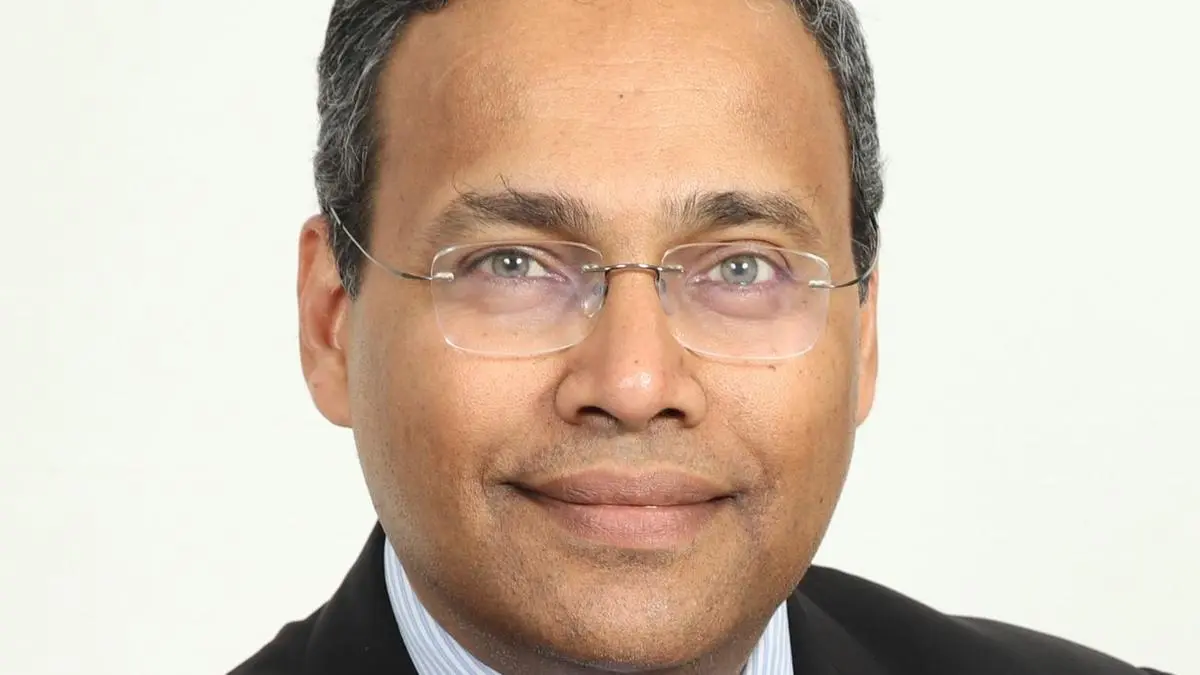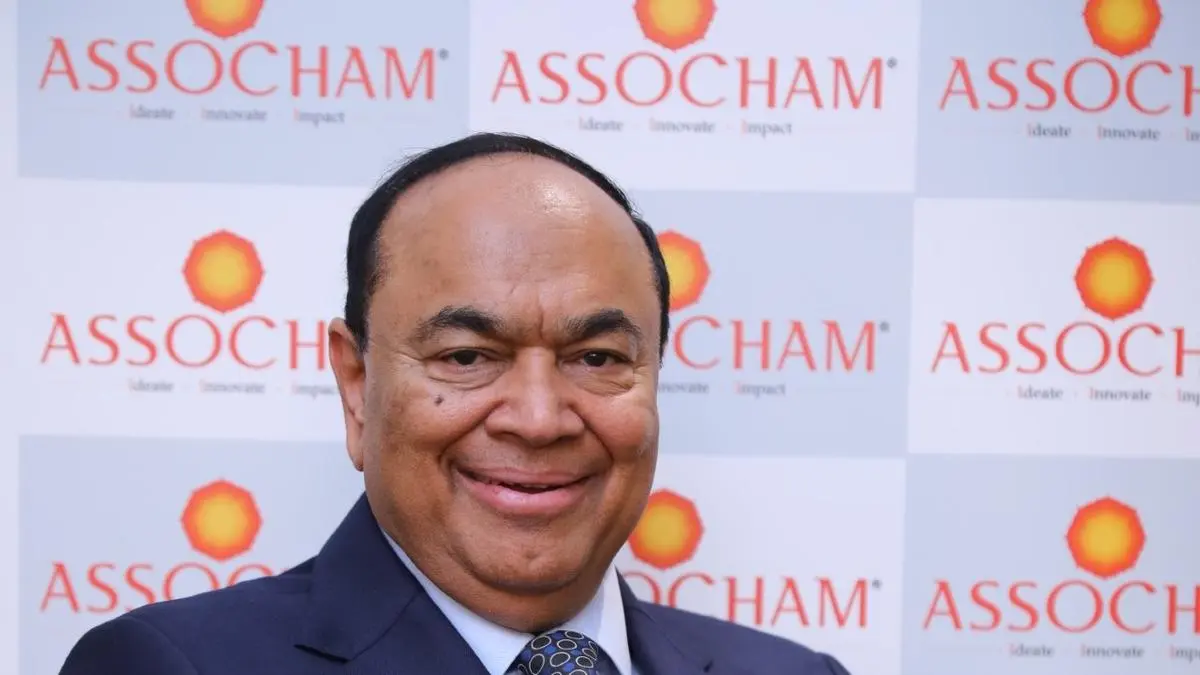
“Market access alone is not enough; India must compete on quality, innovation and productivity,” said ASSOCHAM President Nirmal K Minda, underlining the challenges and opportunities before Indian industry as the country expands its network of free trade agreements. In an interview with businessline, Minda also spoke on the impact of the West Asia crisis, the ongoing India-US trade negotiations, the investment climate and the reforms needed to boost manufacturing and exports.
To what extent has the ongoing West Asia crisis affected Indian industry, trade and investment?
The impact has been considerable. Import prices have risen because of supply disruptions and shortages, creating an imbalance between demand and supply. While India’s export volumes have remained resilient, the cost of exports has gone up as input prices have increased and availability has become tighter. Such disruptions cannot be reversed overnight. Even if the geopolitical situation improves, it could take another three to four months for supply chains and prices to stabilise. India’s strong domestic consumption continues to support economic activity, but inflation remains a concern. On the investment front, India’s macroeconomic fundamentals remain strong and the overall investment outlook continues to be positive.