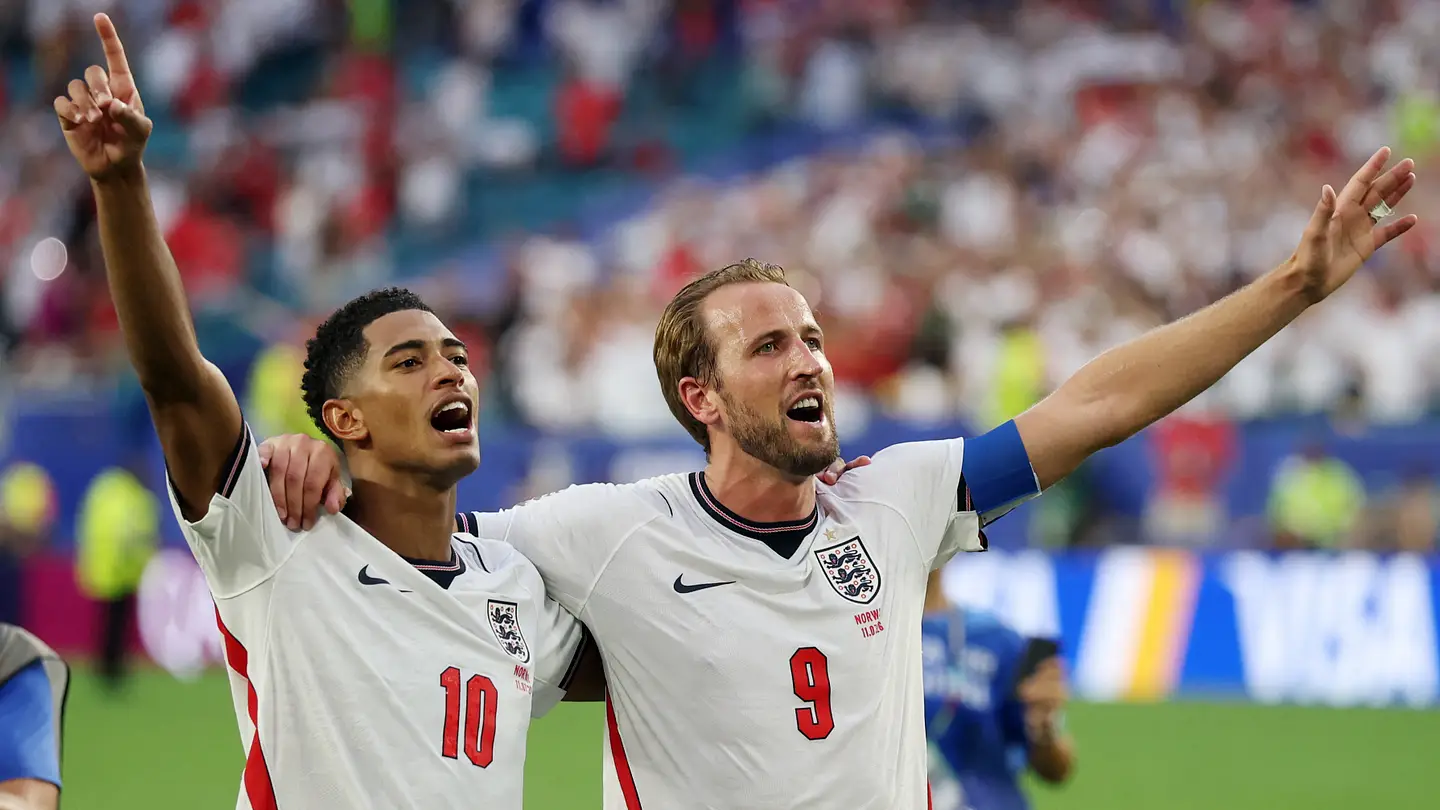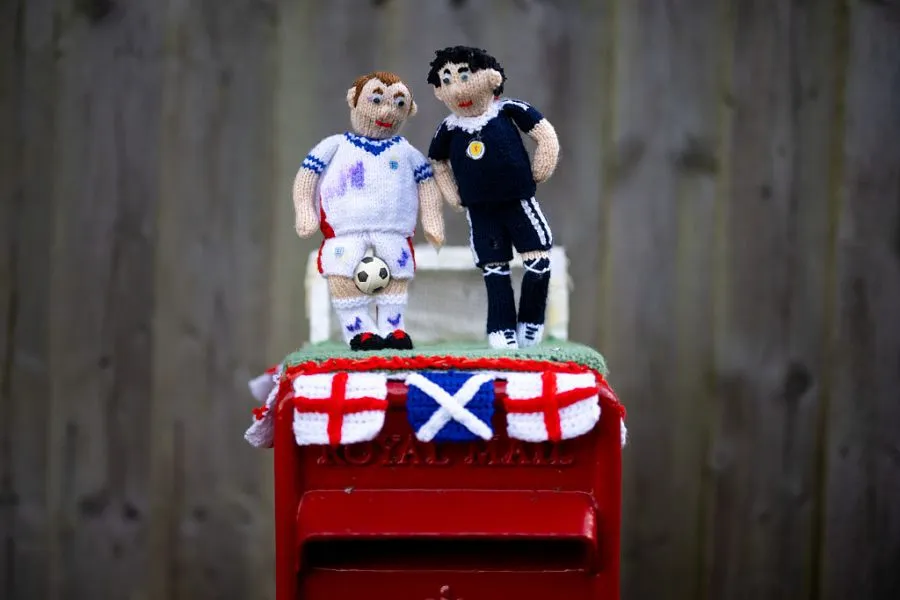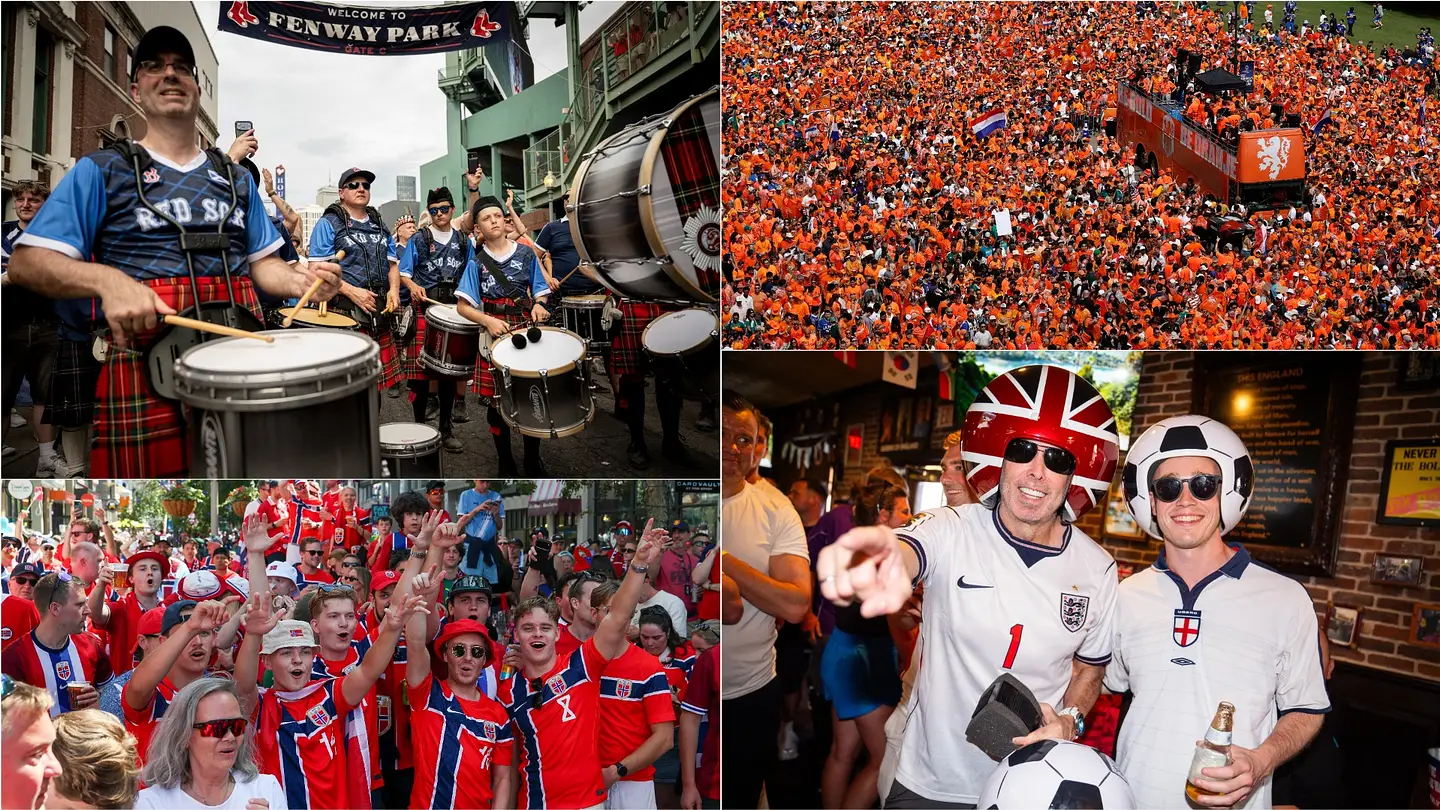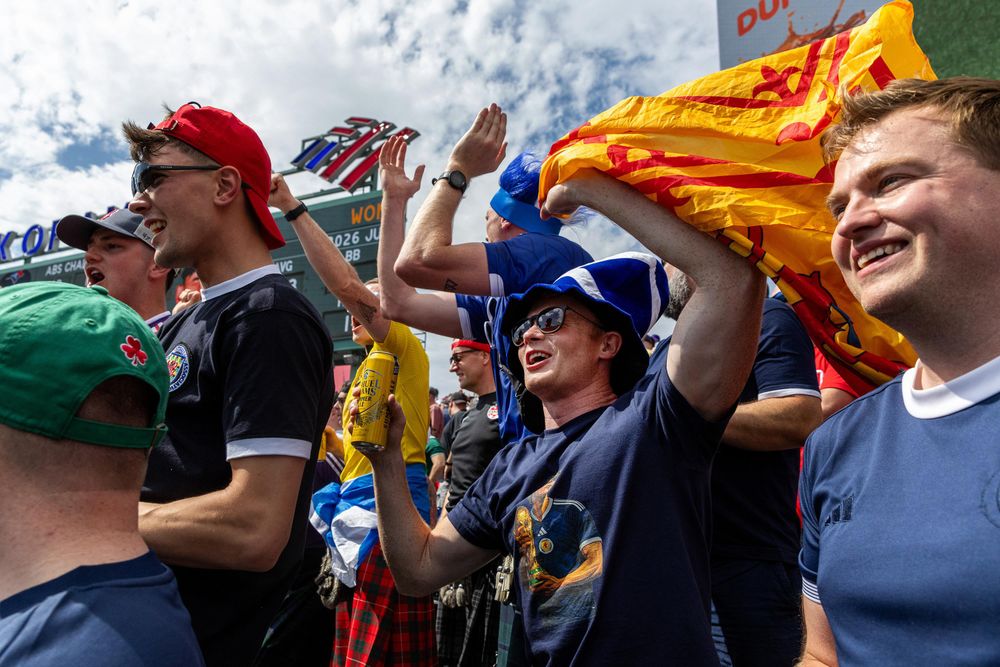
The World Cup is a complicated joy in the United Kingdom, especially when the country is overrepresented.
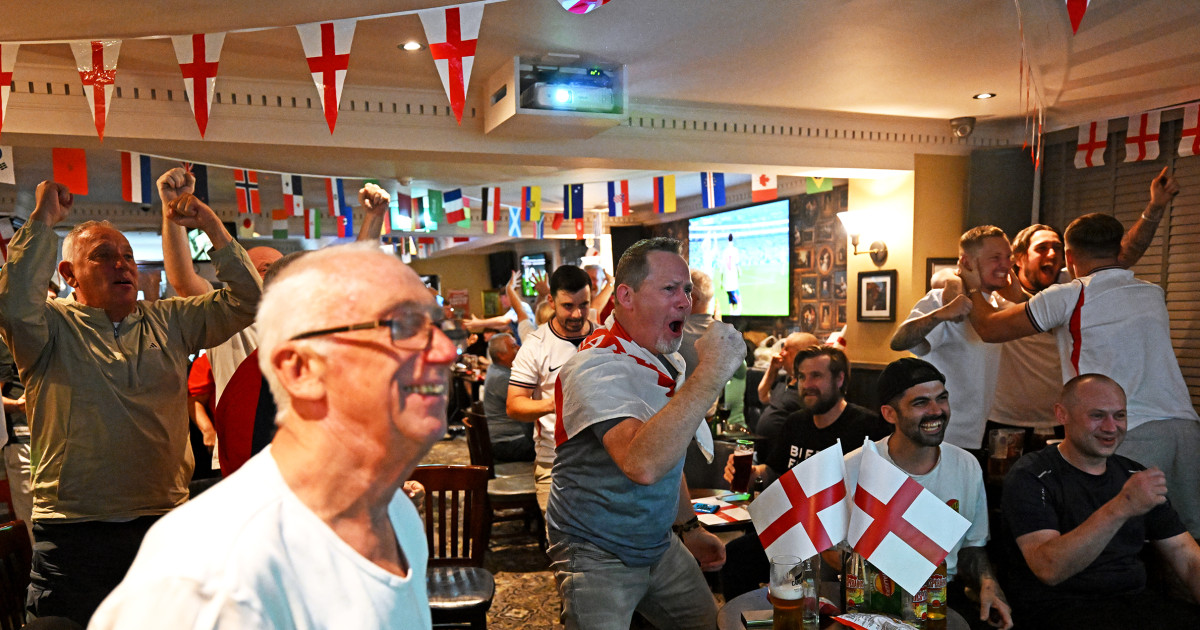
LONDON - Connolly’s, a pub in West London, is normally a favourite with Scottish football fans, but not when England is playing. Then, the Scots stay home to avoid any unpleasantries, like an England victory. “You won’t find any Scottish fans here tonight,” owner Jason Connolly said during England’s World Cup match against Croatia, which was playing on screens around a barroom jammed with fans in red and white.
“Not to see England. I mean, what if England won?” The horror. But wait. Did that one man in a neutral white shirt tucked into a corner allow himself a subtle smile when Croatian Martin Baturina tied the score with England at 36 minutes? Was that a discreet fist pump as the rest of the pub emitted a collective groan? It was. Tom Connor, born outside of Glasgow but working in London, agreed to talk. “Look, I don’t mind if England wins to an extent,” said Connor, an accountant. “But please God, not the whole tournament. There will be no living it down.”
The Scots did come out two nights later when Scotland played Morocco, converting Connolly’s into a sea of tartan and blue. The World Cup is a complicated joy in the United Kingdom, especially when the country is overrepresented. This year, both England and Scotland qualified, a quirk of ancient international football rules that allows Britain to send more than one team. That gives most Scottish fans two teams to root for, but the second one is not England. It’s whoever the English are playing. “Anyone but England” is a rallying cry for the Tartan Army whenever their dominant southern neighbours are on the field.