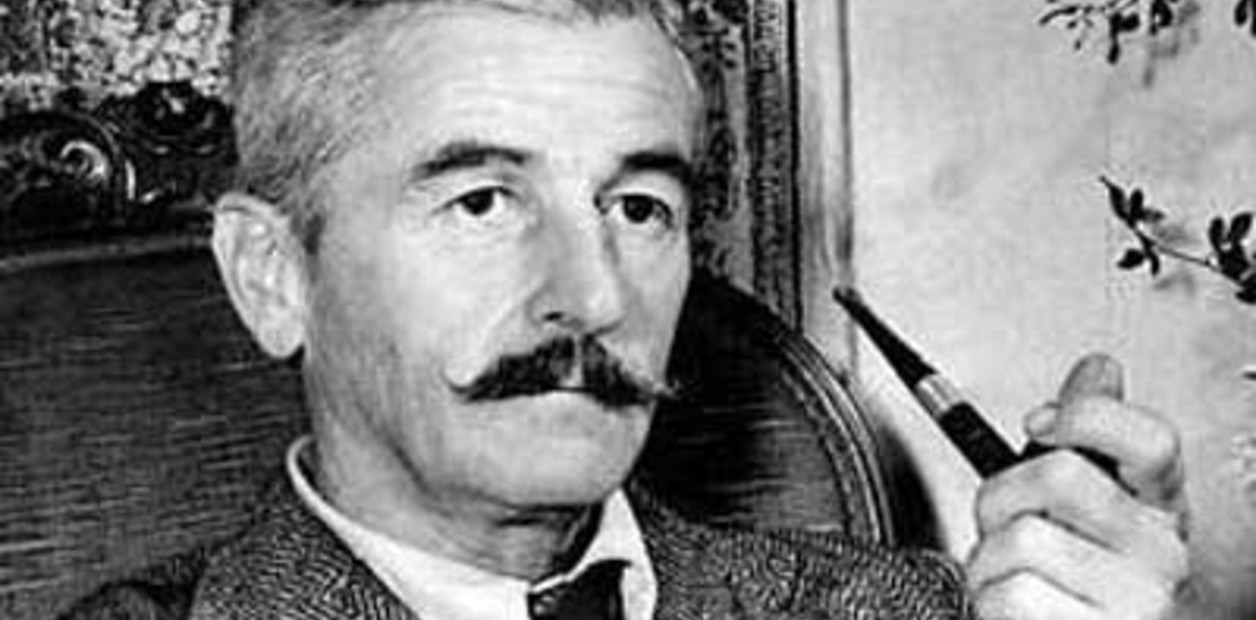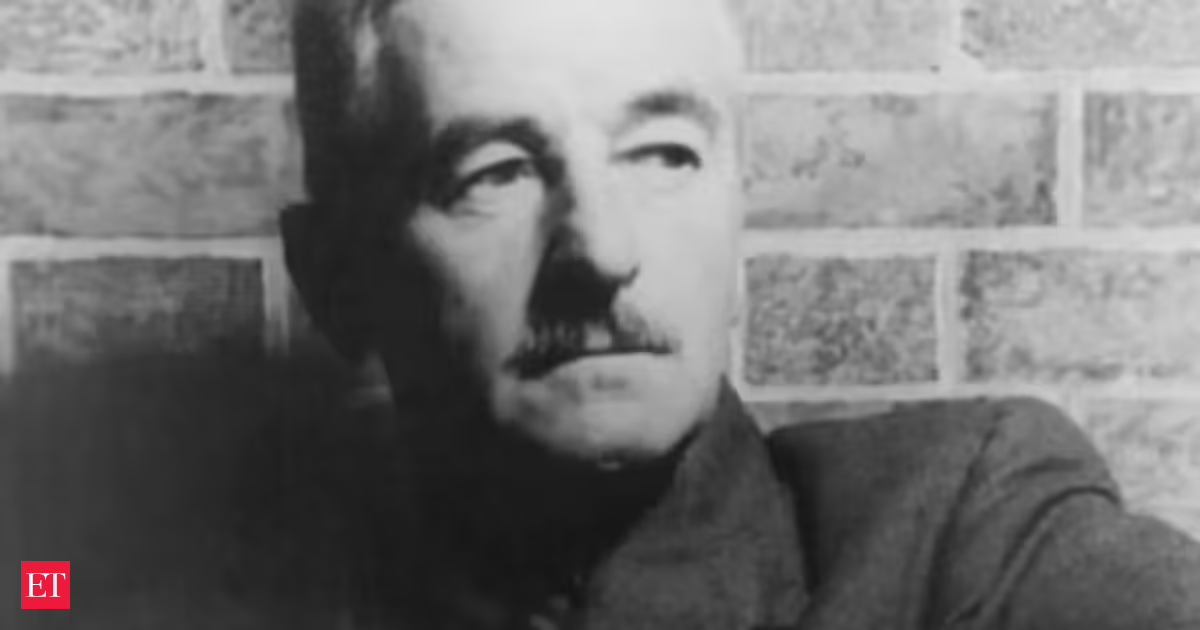
True love is unconditional. People who love each other, do so knowing their shortcomings. Love cannot sustain where there is no mutual understanding and respect along with acknowledging each other’s flaws. It is easy to admire someone for their strengths, achievements, or attractive qualities, but true love goes much deeper. It means accepting a person with all their flaws, imperfections, and mistakes while still choosing to care for them. Loving "despite" rather than "because" reflects unconditional affection that remains strong even when life becomes difficult. Years ago, iconic American writer William Faulkner emphasised the importance of loving someone with their flaws. Quote Of The Day By William FaulknerThe ‘As I Lay Dying’ author once stated: “You don’t love because: you love despite; not for the virtues, but despite the faults.”Deeper Meaning Of The QuoteThe quote reminds us that true love does not require ‘perfection’ but complete acceptance. True love begins where idealisation ends. It includes loving someone despite their imperfections, and choosing them along with their flaws. The quote suggests that love is strongest when it survives disappointment, misunderstandings, and difficult seasons. It is not built on a checklist of virtues but on acceptance, patience, forgiveness, and empathy. In its deepest form, love says, "I know your imperfections, yet I still choose to stand beside you," and that is what makes it enduring and transformative.Relevance Of The QuoteThe quote is extra relevant today, as modern relationships are often shaped by unrealistic expectations. The age of social media encourages people to value physical appearances, idealised personas and accomplishments over character and shared values. The quote reminds us that lasting love is built on acceptance rather than perfection. It teaches that genuine relationships thrive when people choose understanding over judgment, forgiveness over resentment, and loyalty over convenience.Who Was William Faulkner?Faulkner was a celebrated novelist and short-story writer. A recipient of the Nobel Prize, he is considered as one of the greatest writers of Southern literature. Some of his most notable works include: As I Lay Dying, Absalom Absalom, Light In August etc. Faulkner remains the only Nobel Prize winner born in the U.S. state of Mississippi, a distinction that underscores his lasting place in American literary history. His remarkable body of work earned widespread critical acclaim, with two of his novels, A Fable and The Reivers, receiving the prestigious Pulitzer Prize for Fiction in 1955 and 1963, respectively. His career was marked by an innovative narrative style and profound exploration of the American South.Faulkner's life came to an end on July 6, 1962, when he suffered a fatal heart attack at the age of 64. His health had deteriorated after he was thrown from his horse several weeks earlier, an accident from which he never fully recovered. Reflecting on his extraordinary literary legacy, Ralph Ellison praised him as the greatest artist ever produced by the American South, a tribute that reflects Faulkner's enduring influence on generations of writers and readers alike.
Quote of the day by American literary icon William Faulkner: ‘You don’t love because: you love despite..’ ; life lessons on true love from Nobel Prize-winning writer
True love transcends perfection, embracing flaws and imperfections. Nobel laureate William Faulkner famously stated, 'You dont love because: you love despite; not for the virtues, but despite the faults.' This profound insight highlights that genuine affection thrives on acceptance, patience, and empathy, not idealisation. In today's world, where social media often promotes superficiality, Faulkner's words serve as a vital reminder for building lasting relationships based on understanding and loyalty.
489 words~2 min read