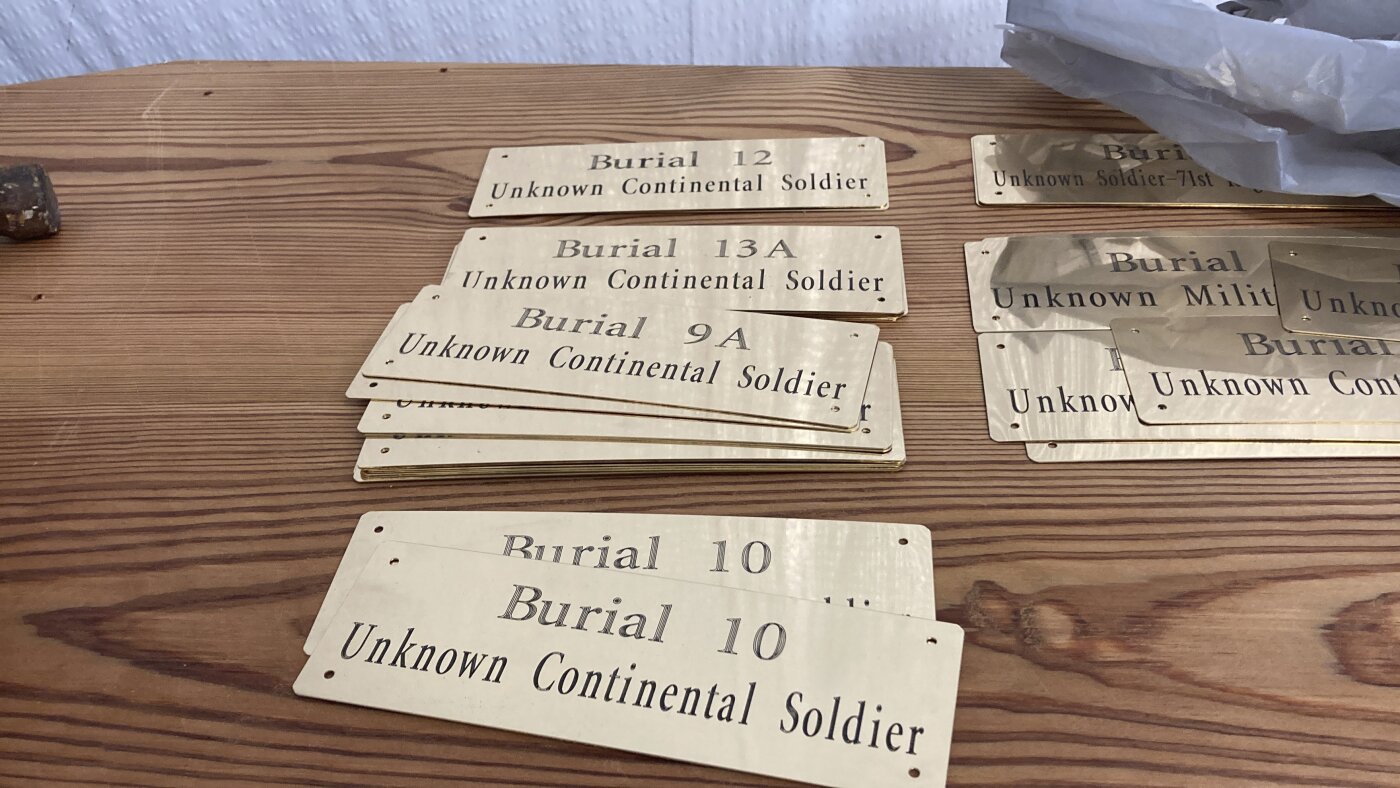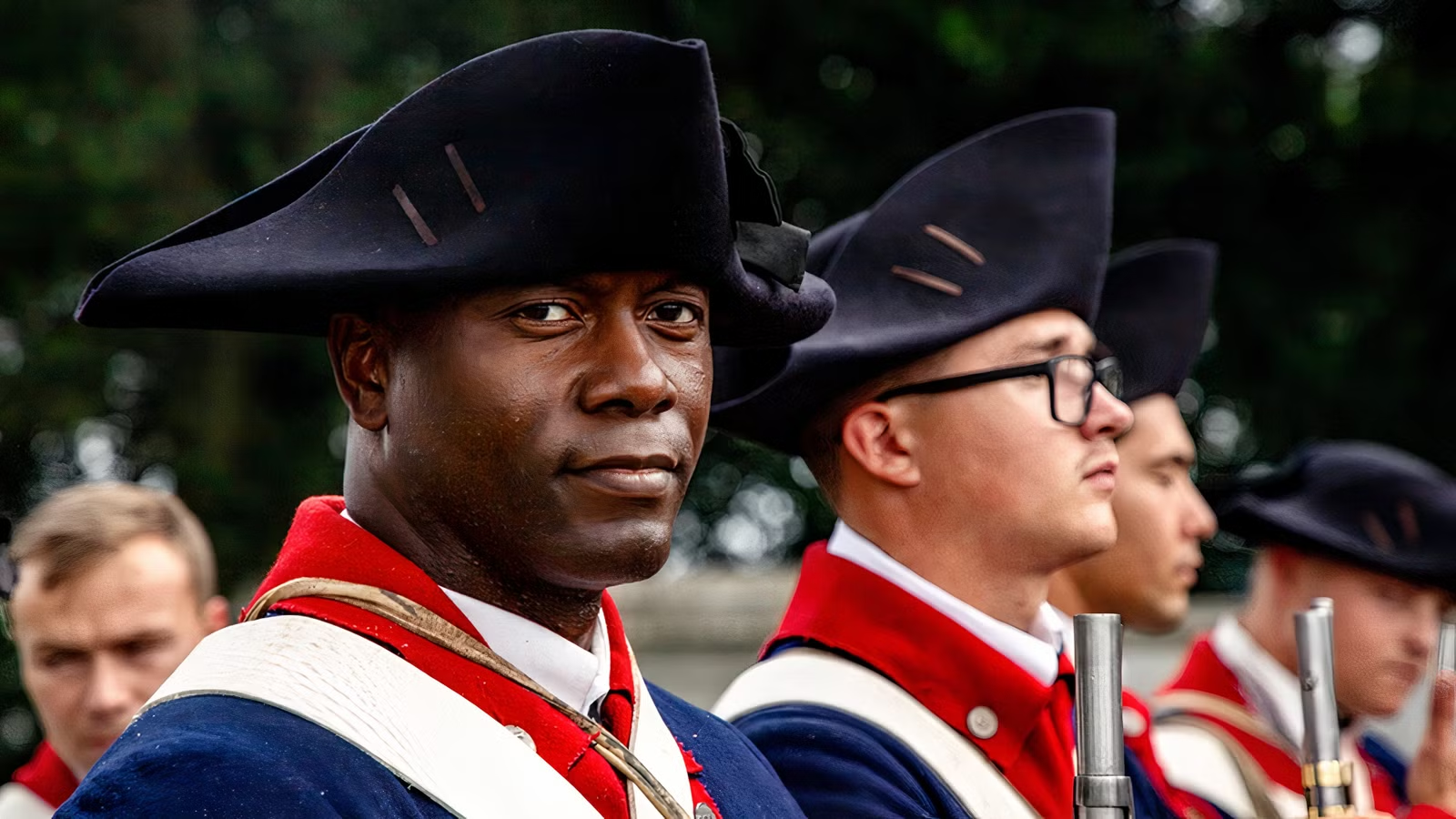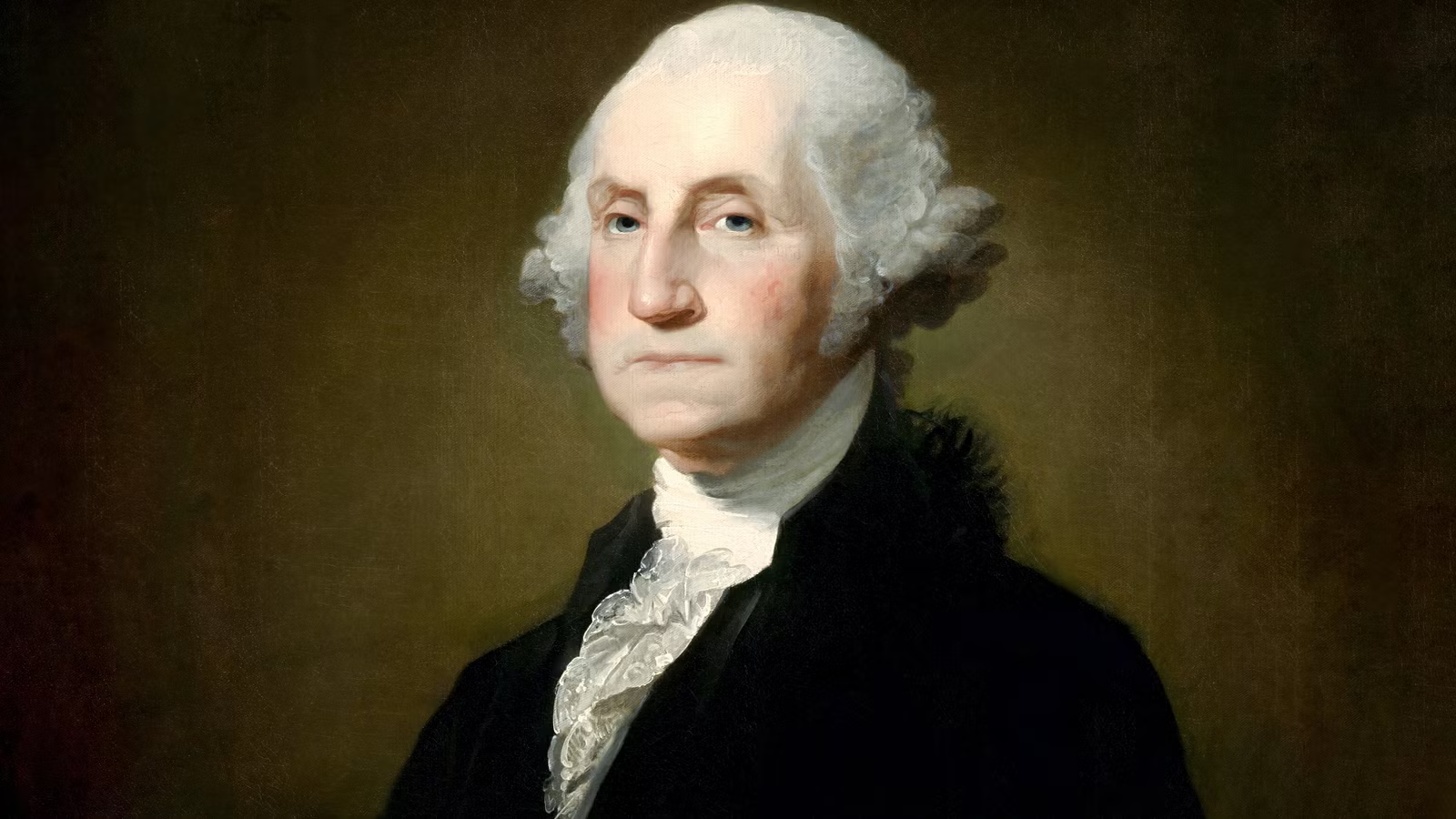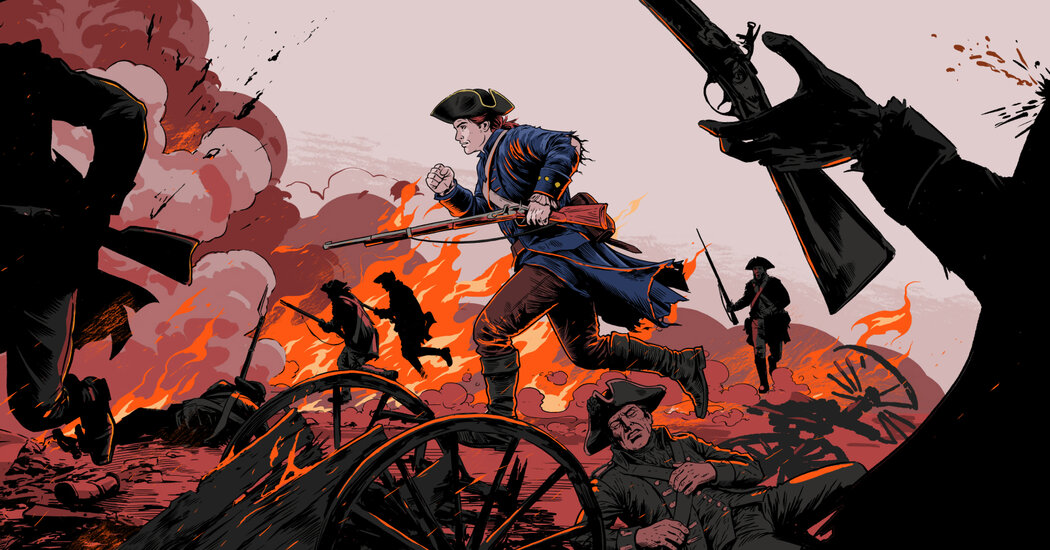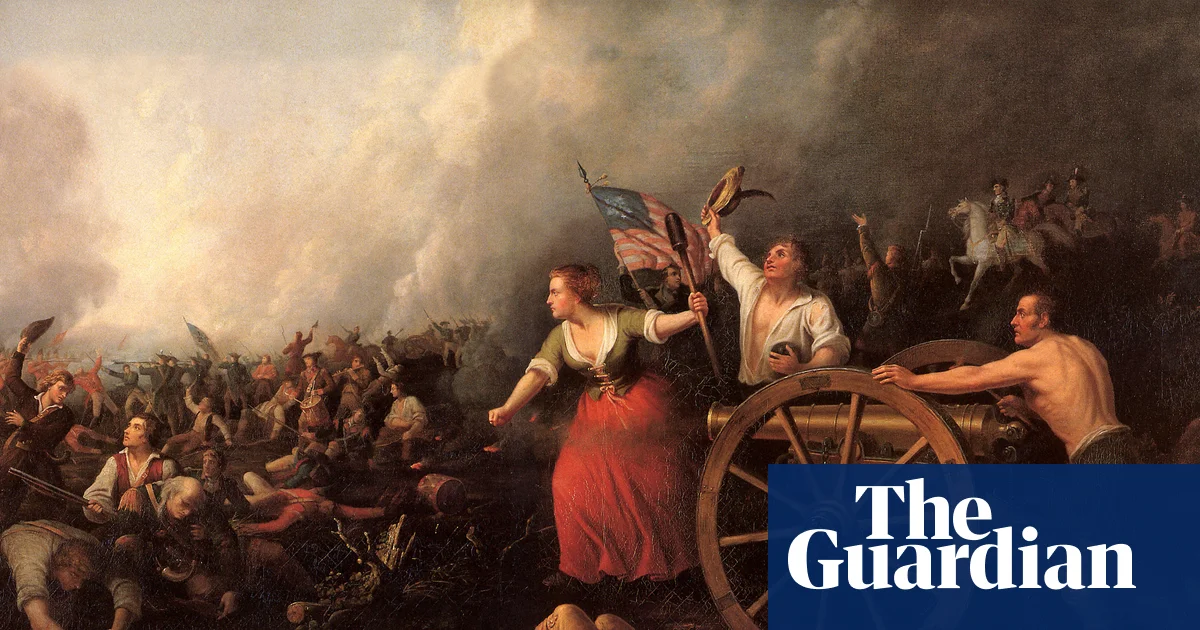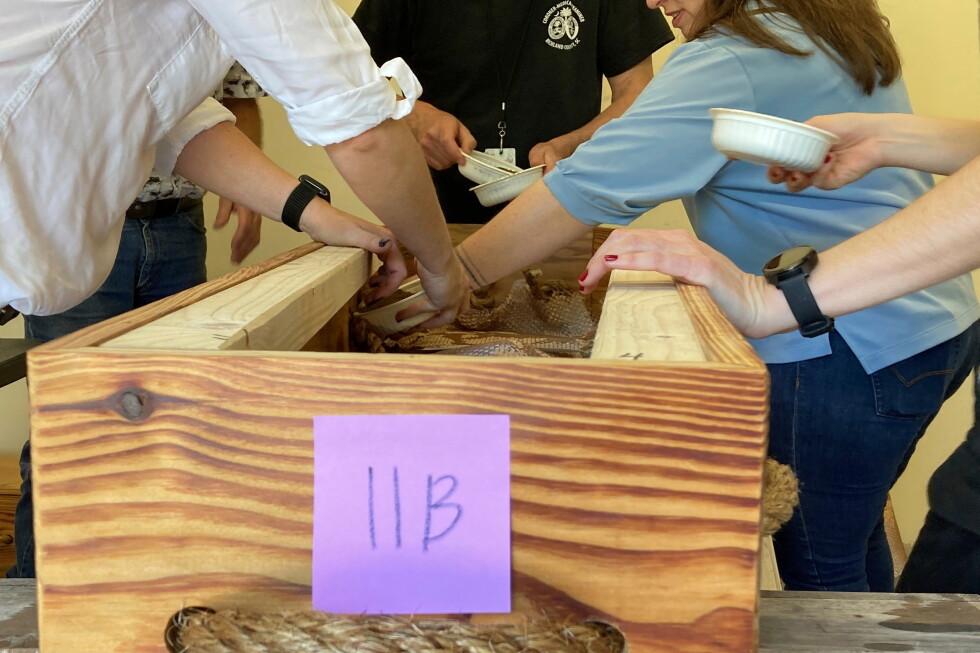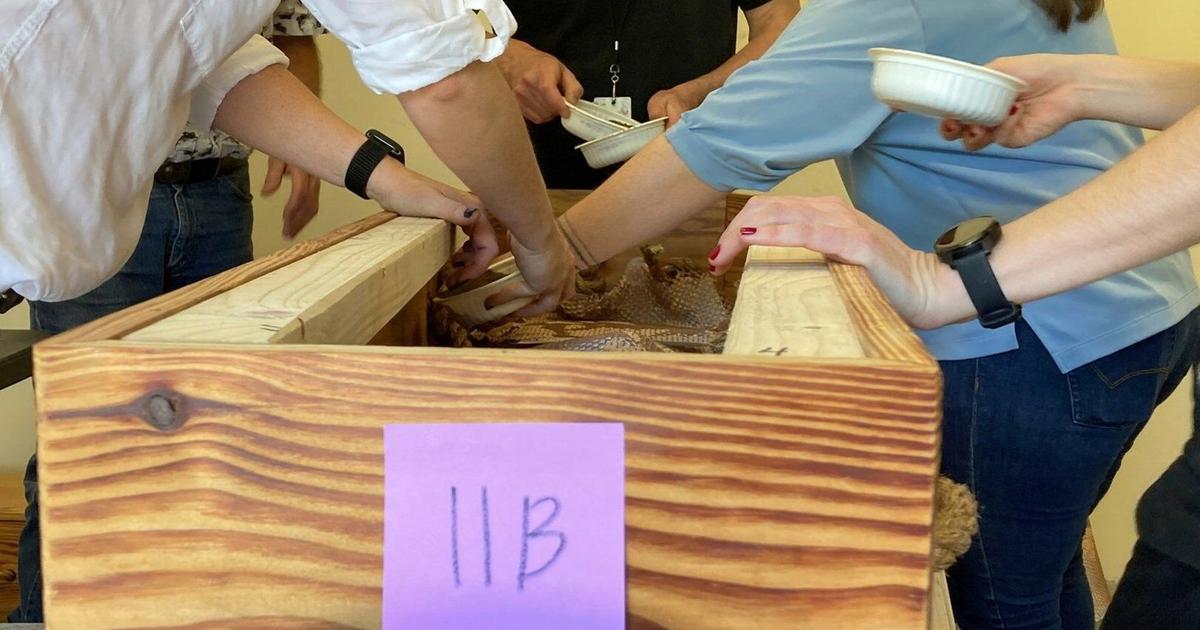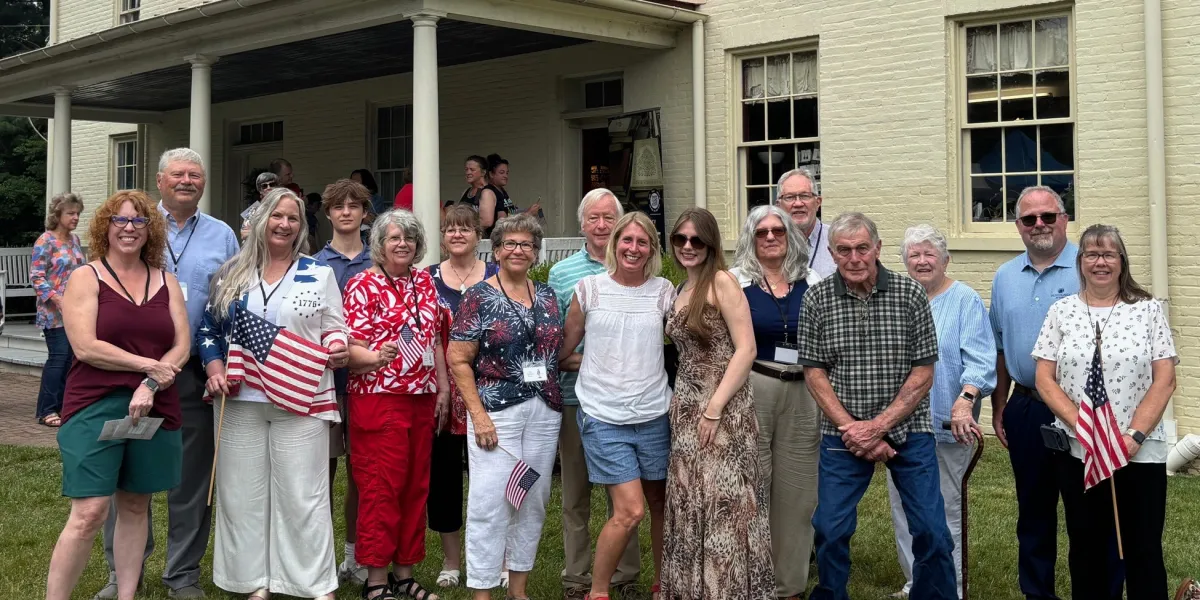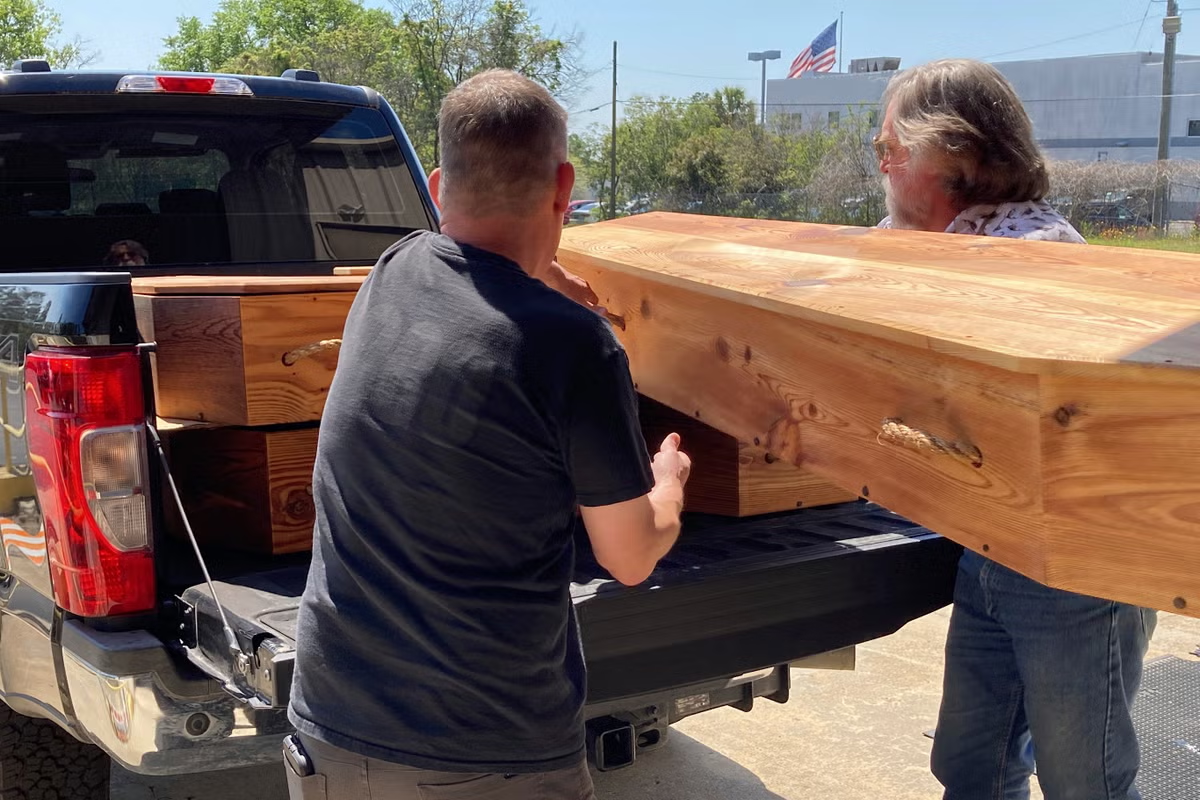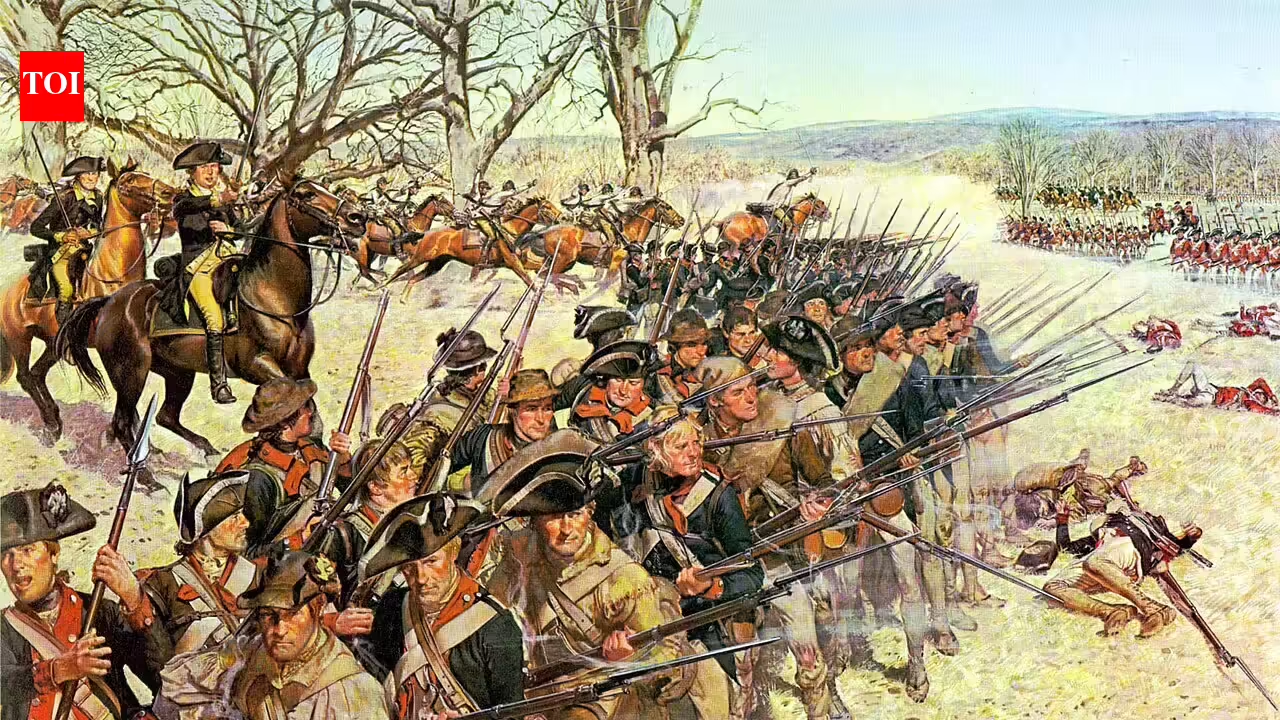
A teenage Revolutionary War soldier, lost for over two centuries, has been identified thanks to a remarkable fusion of forensic science and genealogical research. Image Credit: Wikimedia CommonsIf you walk the battlefields or study American history, the past can seem like black-and-white photos, textbook maps and dates. It is easy to forget that every major event in history involved real people with families, personal stories and daily routines. The bodies of numerous soldiers who fought for independence lay buried there for more than two centuries, largely forgotten.But a breathtaking breakthrough in modern forensic science has just breathed life into one of these forgotten histories, what the report describes as Maryland's oldest cold case. Using cutting-edge DNA technology and investigative genealogy, a team of dedicated researchers has successfully identified the skeletal remains of a young teenage soldier who fell on a South Carolina battlefield in the summer of 1780. By tracing his family tree through multiple generations, researchers identified the remains and connected them with living descendants.This discovery was documented by WMAR2News, titled Maryland's oldest cold case solved: Revolutionary War soldier identified after 245 years. The report says battlefield archaeologists and genealogical researchers solved the mystery. The remains were identified as those of Private John Pumphrey of the Seventh Maryland Regiment.The decision that led him to CamdenTo appreciate the discovery, we have to look past the modern lab equipment and consider the daily life of a young person living in the late eighteenth century. John Pumphrey was just a teenager, estimated to be between sixteen and eighteen years old, when he marched south to face the British army. He had already completed an initial period of military service and faced a defining crossroads in his young life. He was offered a bonus of $100 to reenlist in the Continental forces, a sum that could have changed his financial future after the war.The report says the bonus helped set him on the path that led to Camden. Just a few months after pocketing his re-enlistment pay, the teenage private found himself thrust directly into the Battle of Camden, widely regarded as one of the bloodiest and most disastrous battles of the Revolutionary War. Facing British troops, the Maryland soldiers held their position and helped cover the retreat of their comrades.He was mortally wounded and buried hastily with other soldiers, where his remains stayed hidden for more than two centuries. The modern excavation effort in 2022 initially uncovered his skeleton, which was anonymously designated by archaeologists as Camden Nine B. It took years of laboratory work and historical research to connect the battlefield remains with modern family-tree records.Private John Pumphrey, who fell at the Battle of Camden in 1780, was identified through DNA technology and tracing his family tree, connecting him with living descendants. Image Credit: Wikimedia CommonsHow did researchers identify the remains?The ultimate success of the identification project relied on an incredibly unique partnership between professional genealogists and everyday citizens who enjoy researching their family roots online. Allison Peacock, president and lead investigator at FHD Forensics, led the research. Her dedicated team had to navigate the incredibly complex challenge of extracting high-quality genetic material from brittle, centuries-old bones and comparing it against massive databases containing more than twenty thousand potential genetic matches from commercial ancestry websites.The breakthrough came when researchers matched the soldier's DNA profile with living relatives, including Russell Hudson, who had uploaded his genetic profile to an online research portal. The data match allowed distant cousins to gather at a historic home in Anne Arundel County, Maryland, to honour their relative. Lead genealogist Valerie Kemp said that restoring a name to an anonymous grave helps future generations remember the person behind it.The case shows how historical research and modern technology can still solve long-standing mysteries. One enlistment decision eventually led, more than two centuries later, to a family reunion over the identification. Modern technology can help identify long-unclaimed remains and restore names to the dead.
This 250-year-old "John Doe" was just identified using DNA, naming a Revolutionary War soldier after 250 years
If you walk the battlefields or study American history, the past can seem like black-and-white photos, textbook maps and dates. It is easy to forget that every major event in history involved real people with families, personal stories and daily routines.
655 words~3 min read