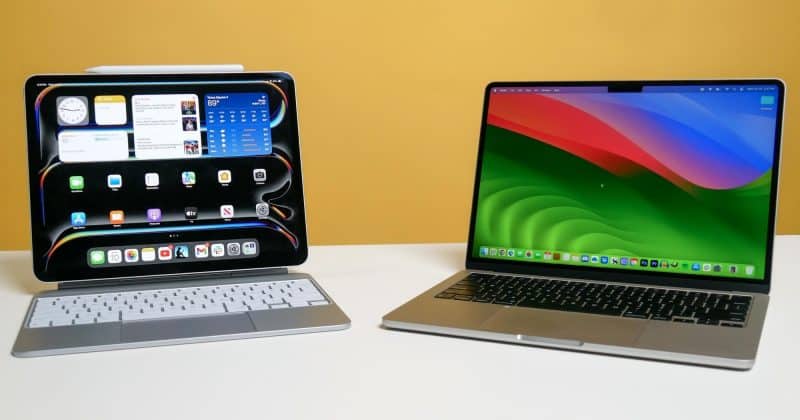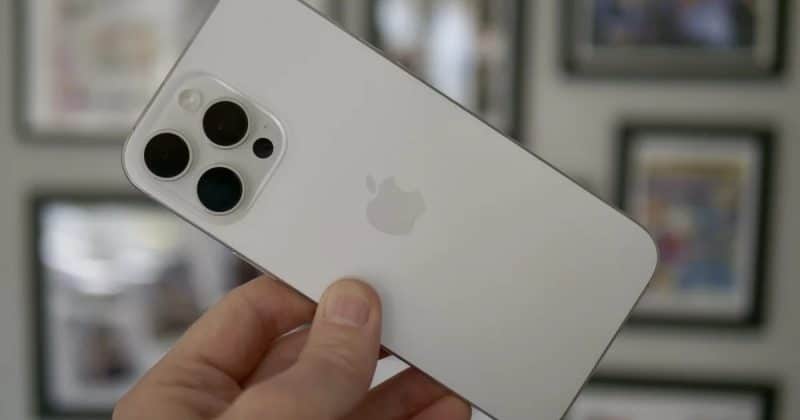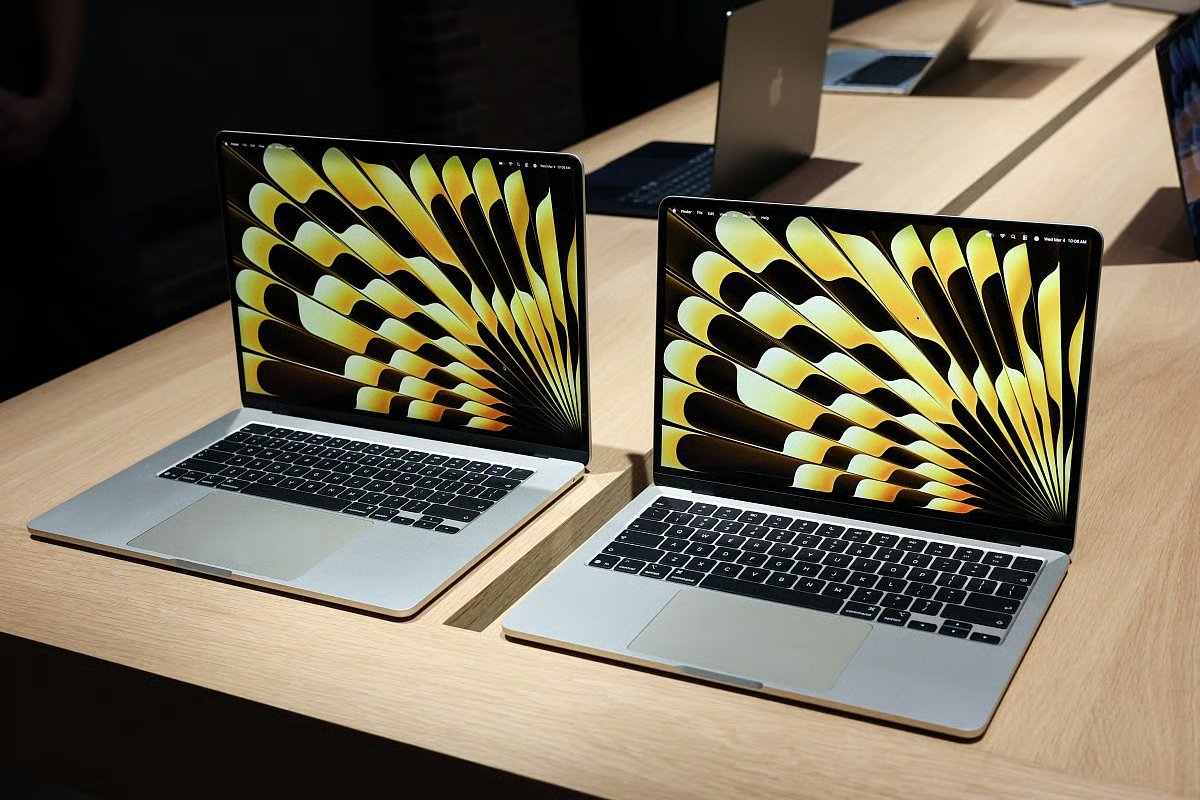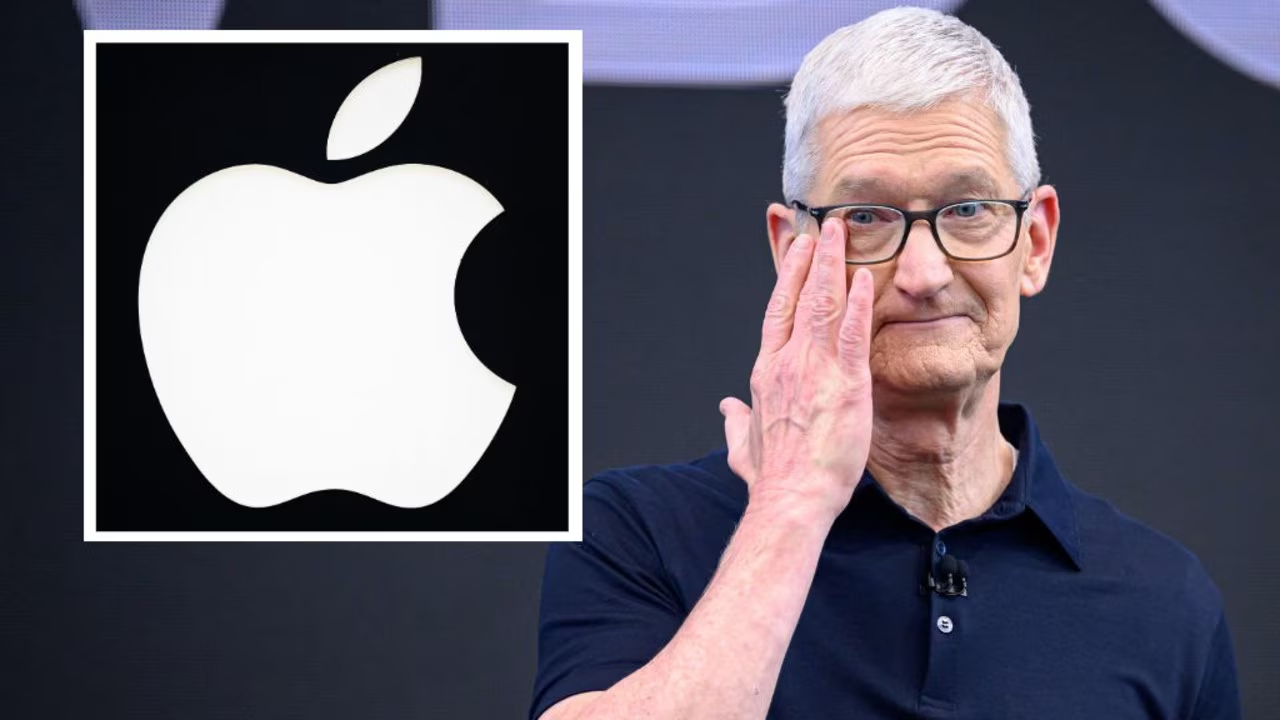
Apple customers are about to pay hundreds of dollars more for some of the company’s most popular products after the tech giant raised prices on a number of its flagship products.The company has blamed soaring memory and storage chip costs, fuelled by enormous demand from AI data centres, for the increases.Apple’s share price copped the consequences immediately after the announcement, dropping nearly five per cent as investors worried higher prices could hurt overall demand.Among the increases, the base MacBook Air rose by US$200 to US$1299 (A$290 more to A$1880).The base MacBook Pro increased by US$300 to US$1999, or about (A$435 more to AU$2900).Apple’s entry-level MacBook Neo rose by US$100 to US$699, (A$145 more to A$1015).The iPad Air increased by US$150 to US$749 (A$220 more to A$1085), while the iPad Pro rose by US$200 to US$1199, (A$290 more to A$1740).Apple chief executive Tim Cook warned last week that price rises were becoming unavoidable as the company struggled to absorb rising component costs.“Unfortunately, price increases are unavoidable,” he told The Wall Street Journal.“We’re doing our best to mitigate the huge increases that are being passed to us, and we’ve been trying to shield our customers from the increases, but the situation has become unsustainable.”Cook described the memory chip shortage as a “hundred-year flood”. “There’s less supply at a time when consumers want devices, and the memory guys are passing along huge price increases,” he said.The issue comes down to the same force that is currently shaking every corner of the technology industry. AI data centres require enormous amounts of advanced memory and storage to train and run models.That demand has tightened supply considerably, leading to price rises and leaving smaller electronics companies competing with some of the world’s biggest tech firms for the same components.Reuters reported memory prices jumped nearly 98 per cent in the first quarter of 2026 and are expected to rise another 58 to 63 per cent in the second quarter.For Apple, the timing is very awkward indeed.The company has spent years selling itself as the premium-but-reliable option in consumer technology. But even Apple appears unable to avoid what some analysts have dubbed “chipflation”.The iPhone has not been hit by the latest price rises, but analysts have warned future increases may be difficult to avoid if memory costs continue to soar.
Apple tanks, ‘hundred-year flood’ sets in
Apple customers are about to pay hundreds of dollars more for some of the company’s most popular products after the tech giant raised prices on a number of its flagship products.
382 words~2 min read