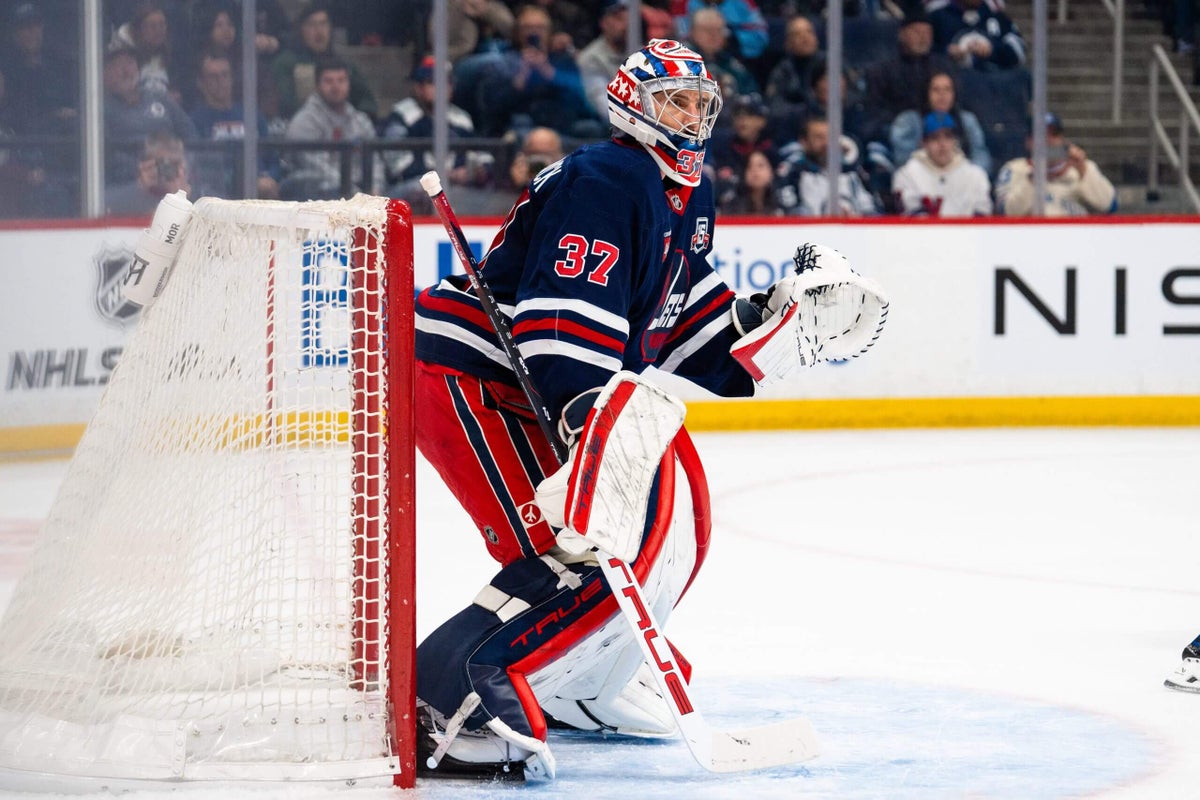
Welcome to the new NHL, where even the descendants of Winnipeg Jets stars collude to orchestrate trades to Florida.If you were the Jets, dealing with the challenge of maximizing value for Connor Hellebuyck the summer after losing Nikolaj Ehlers to free agency and three years after honouring Pierre-Luc Dubois’ trade request to Los Angeles, you might take a moment to laugh. The NBA-ification of the NHL may come as a shock in other markets but Winnipeg is well versed in the idea of a player saying, “I love this place but I want out of it.” The Jets were born here. The rest of the NHL is just catching up.For Winnipeg, the idea of star U.S.-born players orchestrating American exits is not the story. It is the exclamation mark at the end of it. For the Jets, the new reality is the same as it’s always been and the conclusion is the same one it’s always needed to reach. Winnipeg can’t win by making the signings and trades the way the Panthers do.The Jets can only win by excelling at the less celebrated facets of teambuilding — drafting, developing, and retaining youth. By building a community of misfits, making value plays on underappreciated veterans, and by finding players who prefer the exhale of a prairie sky to the bustle of a big city. By being so obviously all-in on creating the best on- and off-ice experience available for its NHL players — off-ice luxuries, development coaches, training and recovery experts, and more — that they are as good at developing NHL talent as Florida is at being sunny.Is Viggo Bjorck the best center in the NHL Draft?Corey Pronman, Scott Wheeler and moreThis is a big picture concept with immediate-term implications. It is paramount that Winnipeg makes its first-round pick, currently No. 8.Today, we make the case for the Jets to improve upon it.Winnipeg’s best route to elite talent that stays in Winnipeg has always been the draft. Draft picks remain under team control until their mid-20s. They build relationships with the city and develop insights into the community that outsiders can’t understand. And, when Winnipeg does a good enough job drafting and developing players, it wins — the most important recruitment tool at the Jets’ disposal. Remember that Hellebuyck’s presumed openness to an exit is not the result of disdain for Winnipeg. It is the product of a 33-year-old star player with one glaring hole on his NHL resume and the awareness that careers are short.The Jets have never been, and may never be, a premier destination for top UFA talent or players with trade protection. But they’ve been better at retaining their best players —Hellebuyck and Mark Scheifele in this generation, Blake Wheeler before them — when management has been able to sell them on a realistic path to playoff success.What’s that path now? Excelling at “the less celebrated facets of teambuilding” must include winning at the draft. There are only two ways to do that: Quantity, which we discussed in this piece that included analysis of ways to trade down, and quality. There is a steep decline in talent from the No. 1 pick in most draft years, with Gavin McKenna and Ivar Stenberg the projected 1A and 1B players in this class. If Winnipeg won’t trade down from No. 8, adding multiple shots at a top-six, top-four type of talent, why not up — perhaps to No. 4 or even No. 2, where the odds of a franchise player are just a little bit higher?
Connor Hellebuyck and the case for the Winnipeg Jets to trade up at the NHL Draft
Winnipeg's best route to elite talent that stays in Winnipeg has always been the draft. It makes sense to move up and go for draft quality.
1,454 words~7 min read