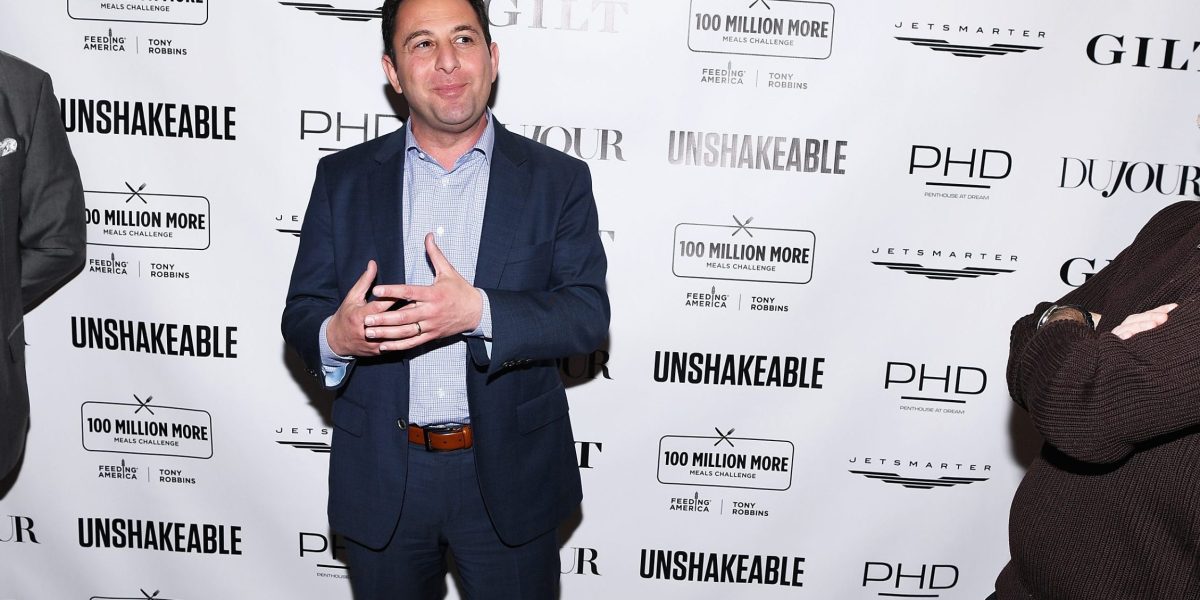
In a note shared with Fortune, published earlier this week, Zandi wrote households raking in $200,000 or more a year were powering overall spending. In the year ending Q1 2026, outlays by this top fifth percentile grew by 6.5%—or 4% after inflation.
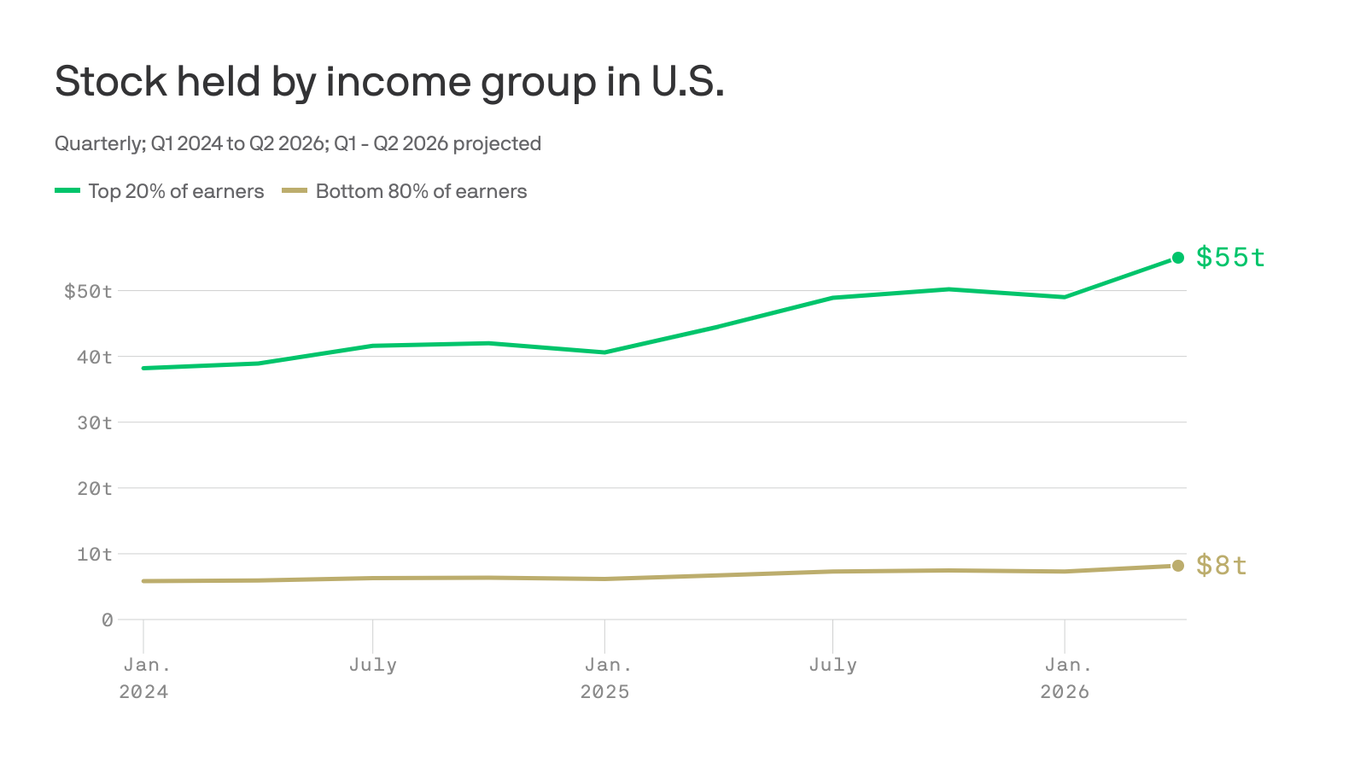
Meanwhile, outlays for the bottom 80% were unchanged once inflation is taken into account, Zandi notes: “This gap has persisted since the pandemic, which helps explain why most Americans are upset about their financial situations and the broader economy’s performance.”
This might explain the gap between economic data and consumer perception. The U.S. economy is, by many measures, faring pretty well: Unemployment is holding relatively steady, GDP increased at an annual rate of 2.1% in the first quarter of 2026, and while inflation remains elevated, consumers are still spending.
However, DC’s midterm battle may come down to affordability—a lightning rod as voters continue to push for relief for their wallets.
“The K-shaped economy—with the well-to-do thriving and everyone else lagging—remains firmly intact, and there is no sign that the trend line will reverse soon,” Zandi adds. Moody’s analysis of Fed personal finance data shows that, since the pandemic, personal outlay growth for the bottom 80% has been 4.5%, barely ahead of inflation at 3.9%. Meanwhile, the top 20% have increased their spending by 8.3%.